


Kratom has become a cornerstone for wellness enthusiasts seeking natural plant-based solutions. Among its diverse forms, stem and vein kratom stands out as a unique yet often overlooked variant. Unlike the popular leaf-based powders, this part of the Mitragyna speciosa tree offers distinct qualities that can enrich your kratom experience. If you’re wondering what stem and vein kratom is, how it differs from traditional kratom, and why it might deserve a spot in your routine, this blog is for you. Whether you’re in Canada or beyond, this guide is your go-to resource for all things stem and vein.
What Is Stem and Vein Kratom?
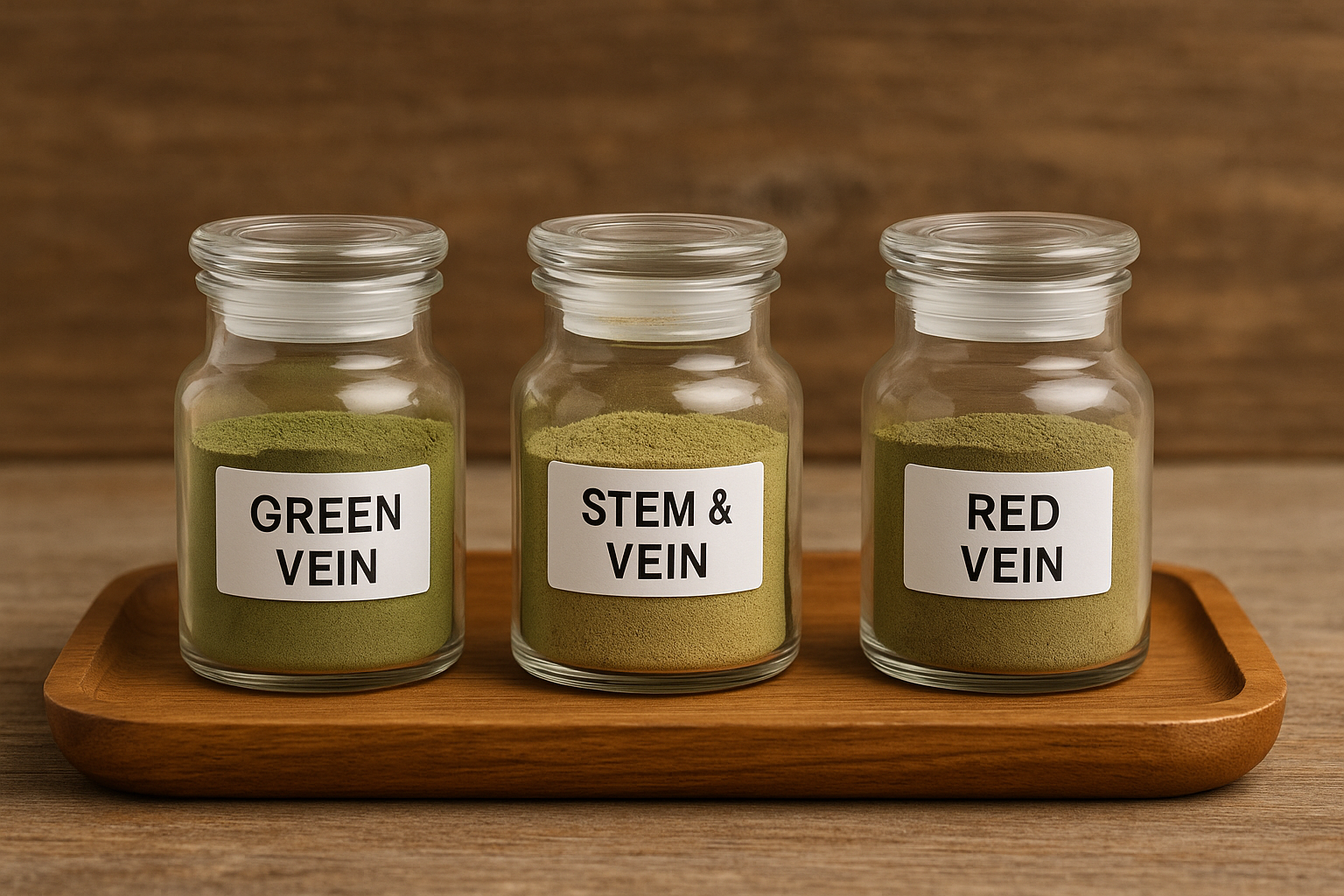
Stem and vein kratom refers to the fibrous central veins and stems of the kratom leaf, separated during the processing of traditional kratom powder. While most kratom products are made from the leaf’s soft tissue, ground into a fine powder, the stems and veins are often set aside. Instead of being discarded, these parts are dried and ground into a distinct product known as stem and vein kratom. This form is less common but has gained traction for its unique properties and versatility.
The Mitragyna speciosa tree, native to regions like Indonesia, Thailand, and Malaysia, is the source of all kratom products. During processing, leaves are harvested, and the central vein and stem are removed to create the smooth, leafy powder familiar to most users. Stem and vein kratom captures these structural components, resulting in a product with a slightly coarser texture and a different alkaloid profile.
What sets stem and vein kratom apart is its unique blend of alkaloids, the naturally occurring compounds responsible for kratom’s effects. While leaf-based kratom is rich in mitragynine and 7-hydroxymitragynine, stem and vein kratom contains a broader spectrum of secondary alkaloids, such as mitraphylline, rhynchophylline, and corynantheidine. These compounds contribute to a distinct experience, often described as more subtle or balanced compared to traditional kratom.
The Origins of Stem and Vein Kratom
To fully appreciate stem and vein kratom, it’s helpful to understand its roots. The Mitragyna speciosa tree thrives in the tropical climates of Southeast Asia, where it has been cultivated for centuries. Farmers in countries like Indonesia carefully harvest mature leaves to ensure optimal quality. After harvesting, the leaves are cleaned, dried, and processed. During this stage, the stems and veins are separated from the leaf tissue, as they were traditionally considered less desirable for chewing or brewing.
In Southeast Asian cultures, workers historically chewed fresh kratom leaves for energy and stamina during long days. The tougher stems and veins, being less palatable, were often discarded. Modern processing techniques, however, have transformed these parts into a fine powder, making them accessible to a global audience. Today, stem and vein kratom is valued for its sustainability, as it utilizes parts of the plant that might otherwise go to waste, aligning with eco-conscious practices in the kratom industry.
Sourcing high-quality stem and vein kratom requires working with ethical farmers who prioritize sustainable harvesting. These growers ensure the plant is cultivated without harmful chemicals, preserving its natural integrity and potency for users worldwide.
How Stem and Vein Kratom Differs from Leaf Powder
Stem and vein kratom stands apart from traditional leaf-based powders in several key ways. Understanding these differences can help you decide how to incorporate it into your kratom routine.
Alkaloid Composition
The most significant difference lies in the alkaloid profile. Leaf-based kratom is known for high levels of mitragynine and 7-hydroxymitragynine, which drive its stimulating or relaxing effects. Stem and vein kratom, while containing these alkaloids in smaller amounts, is richer in secondary alkaloids like mitraphylline and rhynchophylline. These compounds are believed to create a smoother, more nuanced experience, often described as less intense but complementary to leaf powder.
Texture and Appearance
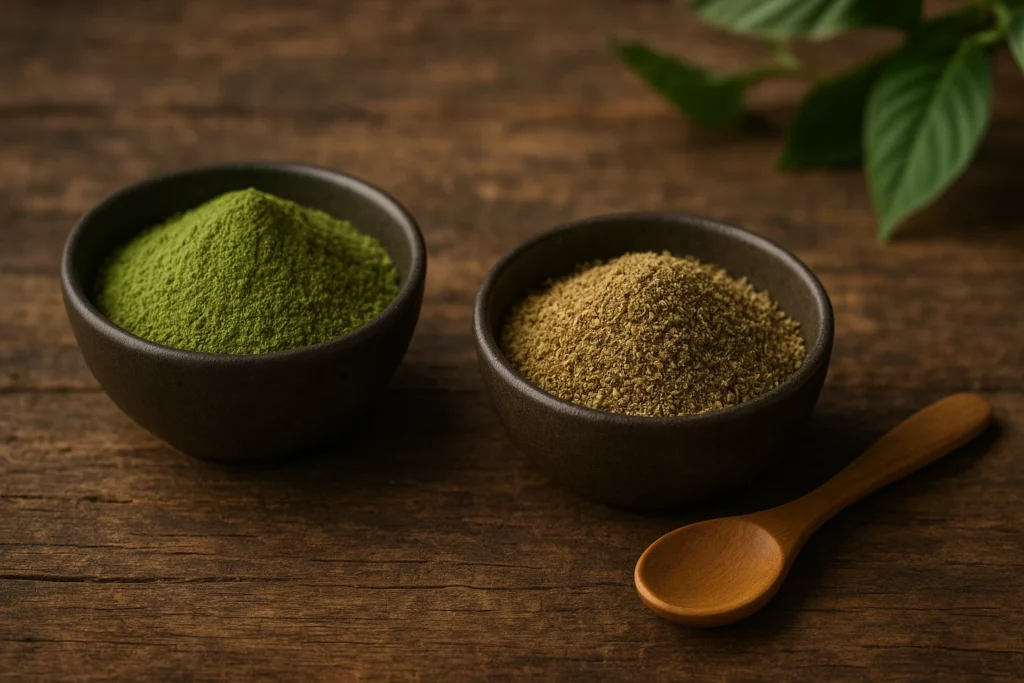
Visually and texturally, stem and vein kratom differs from leaf powder. Its fibrous nature results in a coarser, less fine powder compared to the silky texture of leaf-based kratom. The colour may also appear lighter or more muted, often lacking the vibrant greens, reds, or whites of leaf strains. This distinct appearance reflects its unique makeup and can influence how it’s used.
Versatility in Application
While leaf-based kratom is typically used on its own, stem and vein kratom shines as a complementary product. Many users blend it with leaf powder to enhance or modify the effects. For instance, combining stem and vein with a red vein strain might produce a smoother, longer-lasting experience, while mixing it with a green strain could add a calming undertone. This flexibility makes it a favourite among those who enjoy customizing their kratom blends.
Why Choose Stem and Vein Kratom?
Stem and vein kratom offers several compelling reasons to explore its potential. Whether you’re new to kratom or a seasoned user, here are some key benefits that make it worth considering.
Enhancing Your Kratom Experience
One of the primary uses of stem and vein kratom is as a potentiator. When mixed with leaf-based kratom, it can diversify the alkaloid profile, creating a more rounded experience. Users often report that adding stem and vein to their dose extends the duration of effects or adds a subtle layer of calm. A common starting blend is 20% stem and vein with 80% leaf powder, allowing you to experiment with ratios that suit your needs.
This approach not only enhances the kratom experience but also maximizes the value of your leaf powder. By incorporating stem and vein, you can stretch your supply, reducing the need for frequent purchases while adding variety to your routine.
Supporting Tolerance Management
Regular kratom users may notice a gradual increase in tolerance over time, requiring higher doses to achieve the same effects. Stem and vein kratom is often used to manage this. Its unique alkaloid profile provides a break from the dominant compounds in leaf powder, potentially helping the body reset. A popular strategy is to gradually increase the proportion of stem and vein in your blend, eventually using it exclusively for a short period before returning to your preferred leaf strain. While anecdotal, this method is widely discussed among kratom enthusiasts as a way to maintain sensitivity to kratom’s effects.
Sustainability and Cost-Effectiveness
Stem and vein kratom is often more affordable than leaf-based powders, making it a budget-friendly option. By utilizing parts of the plant that were once discarded, it also promotes sustainability in the kratom industry. Choosing stem and vein supports eco-friendly practices while offering a high-quality product at a lower cost.
A Distinct Experience
For those who enjoy exploring kratom’s full potential, stem and vein offers a fresh perspective. Its effects are often described as milder and more calming, making it ideal for users seeking a gentler experience. Whether used alone or blended, it provides a unique way to connect with the kratom plant.
How to Use Stem and Vein Kratom
Incorporating stem and vein kratom into your routine is simple, but it requires some experimentation to find the perfect approach. Here are practical ways to use it, along with tips for beginners.
Blending with Leaf Powder
Blending stem and vein kratom with leaf powder is the most popular method. A typical ratio is 20% stem and vein to 80% leaf powder, though you can adjust based on preference. For example, if your usual dose is 5 grams, try mixing 1 gram of stem and vein with 4 grams of leaf powder. This blend can create a balanced experience and may prolong the effects.
To blend, measure your desired amounts and mix thoroughly in a small container. You can then consume the blend using your preferred method, such as tossing and washing, brewing tea, or encapsulating.
Brewing as a Tea
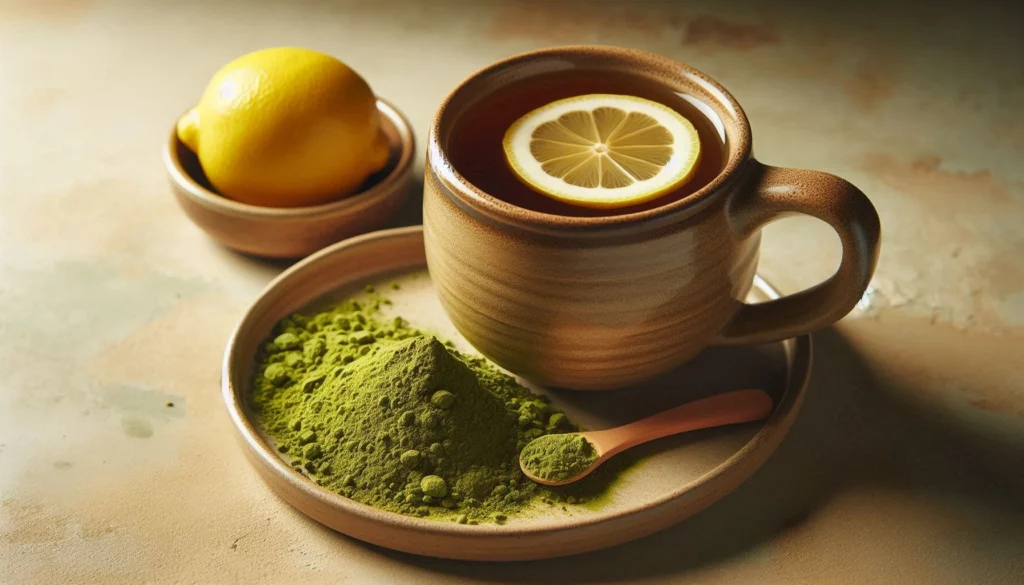
Stem and vein kratom can be brewed into a soothing tea, offering a traditional way to enjoy it. Add your desired amount of powder to simmering water, stir, and let it steep for 10-15 minutes. Enhance the flavour with honey, lemon, or other natural sweeteners. The coarser texture of stem and vein may result in a slightly grittier tea, so straining is recommended for a smoother drink.
Using on Its Own
Though less common, some users enjoy stem and vein kratom on its own, particularly for its milder effects. If you’re trying this for the first time, start with a small dose, around 2-3 grams and adjust as needed. Its unique alkaloid profile may feel less intense but can still offer a satisfying experience for those seeking calm or balance.
Encapsulation
For convenience, encapsulate stem and vein kratom using a capsule machine. This method ensures precise dosing and avoids the bitter taste some users find off-putting. Standard capsules hold about 0.5 grams, so calculate your dosage accordingly.
Tips for Using Stem and Vein Kratom
To maximize your experience with stem and vein kratom, consider these practical tips:
- Start Low: Begin with a small dose or a low percentage in your blend to assess its effects.
- Experiment with Ratios: Try different blends, such as 10%, 20%, or 50% stem and vein, to find your ideal mix.
- Stay Hydrated: Kratom can be dehydrating, so drink plenty of water to support your wellness.
- Track Your Experience: Keep a journal to record how different blends or doses affect you, refining your approach over time.
- Source Quality Products: Choose stem and vein kratom from reputable vendors who provide lab-tested, pure products to ensure safety and potency.
Common Misconceptions About Stem and Vein Kratom
Stem and vein kratom is subject to several myths that can cloud its true value. Let’s address some common misconceptions:
- It’s Just Waste Material: Far from being discardable, stem and vein kratom offers a unique alkaloid profile and meaningful benefits. It’s a valuable part of the plant, not an inferior byproduct.
- It Lacks Effects: While milder than leaf powder, stem and vein kratom provides a distinct experience, especially when blended, and is prized for its versatility.
- It’s Difficult to Use: Modern processing creates a fine powder that’s as easy to use as traditional kratom, whether blended, brewed, or encapsulated.

FAQ
Q: What makes stem and vein kratom different from regular kratom?
A: Stem and vein kratom is made from the fibrous veins and stems of the kratom leaf, unlike regular kratom, which uses the leaf’s soft tissue. It has a coarser texture and a unique alkaloid profile, with higher levels of secondary alkaloids like mitraphylline and rhynchophylline, offering a milder, more balanced experience compared to the mitragynine-heavy leaf powder.
Q: Can stem and vein kratom be used on its own, or does it need to be blended?
A: You can use stem and vein kratom on its own, though it’s often milder than leaf-based kratom. Many users prefer blending it with leaf powder (e.g., 20% stem and vein, 80% leaf) to enhance or extend effects. Using it solo is ideal for those seeking a subtle, calming experience, with a starting dose of 2-3 grams recommended.
Q: How does stem and vein kratom support sustainability?
A: Stem and vein kratom utilizes parts of the Mitragyna speciosa tree that were once discarded, reducing waste in the harvesting process. By transforming these components into a valuable product, it promotes eco-friendly practices and makes efficient use of the entire plant, aligning with sustainable agriculture.
Q: Is stem and vein kratom legal in Canada?
A: In Canada, kratom is not approved by Health Canada for consumption but is available through online vendors, often marketed for external use like aromatherapy or soaps. Always check local regulations and source from reputable suppliers who provide lab-tested products to ensure quality and safety.
Q: How should I store stem and vein kratom to maintain its quality?
A: Store stem and vein kratom in an airtight container in a cool, dry, dark place, such as a pantry or cupboard, to preserve its potency. Avoid exposure to heat, moisture, or sunlight, which can degrade alkaloids. Properly stored, it can remain fresh for months.
Q: Can stem and vein kratom help with tolerance to leaf-based kratom?
A: Many users report that stem and vein kratom helps manage tolerance due to its different alkaloid profile. By incorporating it into blends or using it exclusively for a short period, you may reduce sensitivity to leaf powder’s dominant alkaloids, though experiences vary.
Conclusion
Stem and vein kratom may not yet enjoy the spotlight of leaf-based powders, but it’s a powerful and versatile part of the Mitragyna speciosa plant. Its unique alkaloid profile, sustainability, and affordability make it a compelling choice for kratom users. Whether you’re blending it with your favorite strain, brewing it as a tea, or using it to manage tolerance, stem and vein kratom offers a fresh way to engage with this remarkable plant.
Ready to explore stem and vein kratom? Seek out a reputable vendor, start with a small dose, and experiment to find what works for you. With its distinct qualities and growing popularity, stem and vein kratom invites you to deepen your connection to kratom’s diverse potential.
Disclaimer
The information provided in this blog is intended for informational purposes only. It is not intended to serve as medical advice, diagnosis, or treatment. Kratom (Mitragyna speciosa), including its stem and vein variants, has not been evaluated or approved by Health Canada, the U.S. Food and Drug Administration (FDA), or any other regulatory authority for safety, efficacy, or medical use. The effects, benefits, and risks of kratom use are not fully studied, and individual experiences may vary.
Before using stem and vein kratom or any kratom product, consult a qualified healthcare professional, especially if you have pre-existing medical conditions, are pregnant or breastfeeding, are taking medications, or have a history of substance use disorders. Kratom may interact with certain medications or health conditions, potentially leading to adverse effects. Potential risks of kratom use include, but are not limited to, nausea, dizziness, constipation, dependency, and, in rare cases, more serious health complications.
Always source kratom from reputable vendors who provide lab-tested products to ensure purity and safety. Improper use, excessive dosing, or consumption of contaminated products may pose health risks. Follow safe usage practices, start with low doses, and monitor your body’s response. The legal status of kratom varies by region, and it is your responsibility to comply with local laws and regulations. The author and publisher of this blog are not responsible for any adverse effects, legal consequences, or other outcomes resulting from the use of stem and vein kratom or any kratom product.