

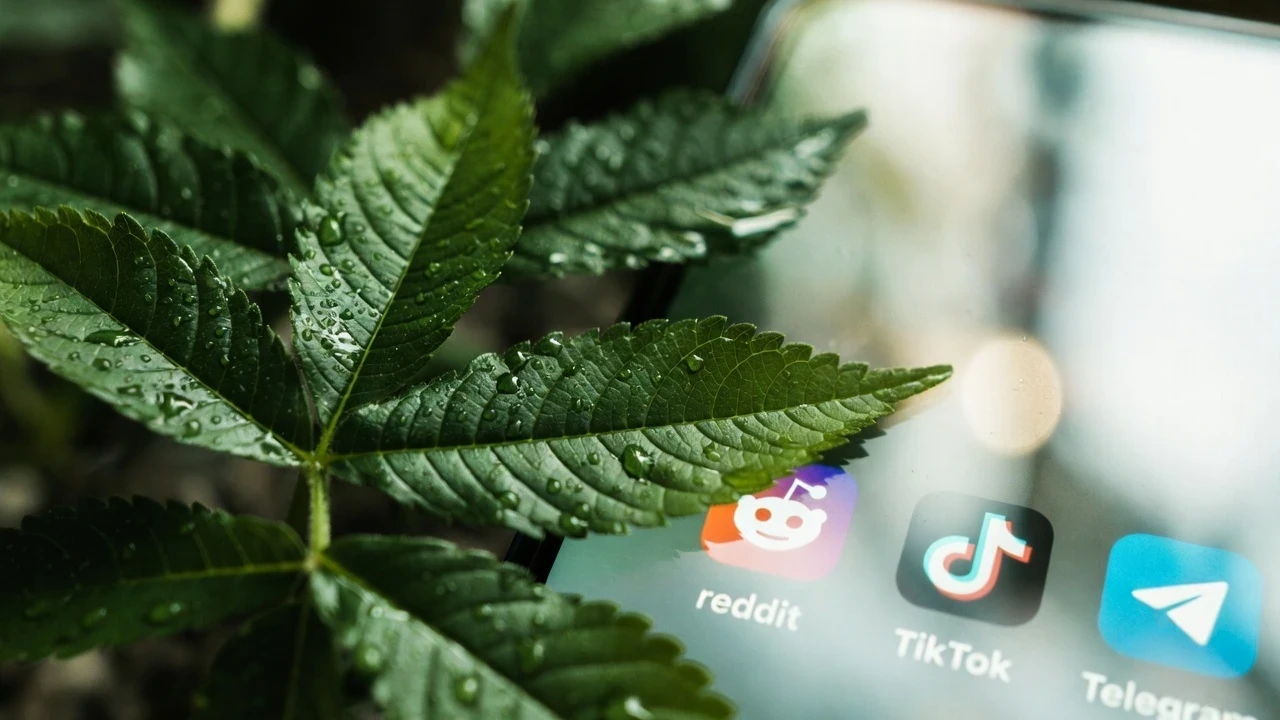

In the last decade, kratom awareness has exploded from obscure Southeast Asian ethnobotany forums to millions of daily conversations on TikTok, Reddit, Instagram, and Facebook. A plant once known primarily to a small circle of botanists, travelers, and pain-management seekers is now discussed openly by veterans, recovering addicts, wellness influencers, and everyday working parents.
Almost all of this rapid shift in public consciousness can be traced directly to social media platforms that reward personal testimony, dramatic before-and-after stories, and community support. These digital spaces have democratized access to information, allowing users to share unvarnished experiences that challenge traditional narratives about herbal remedies and their place in modern wellness.
The Early Days: Forums and the Birth of Online Kratom Communities
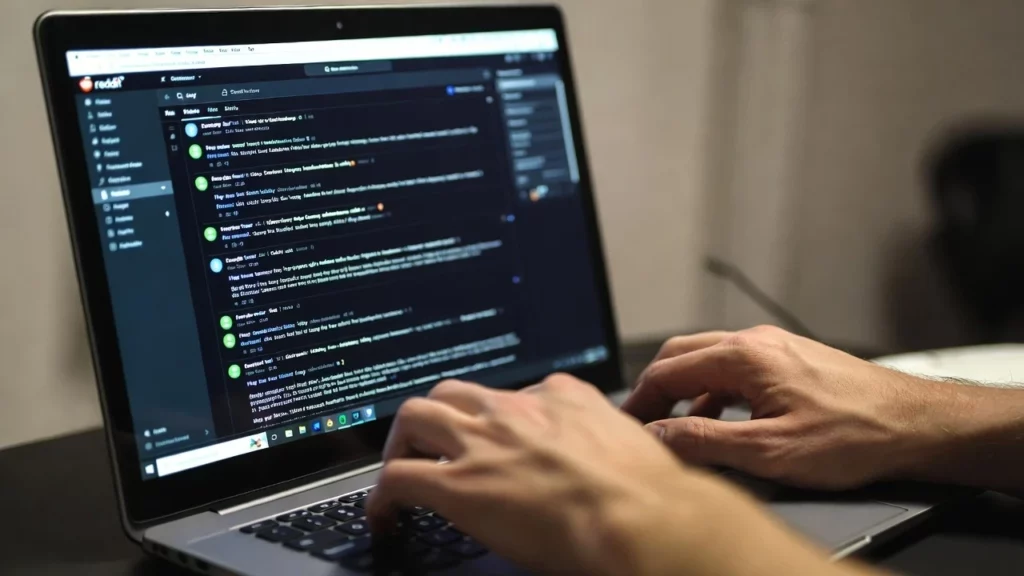
Long before Instagram Reels or TikTok duets, kratom awareness grew quietly on niche internet forums. Platforms such as Bluelight, Drugs-Forum, and especially Reddit’s r/kratom (founded in 2011) became the first places where Western users shared dosage information, vendor reviews, and personal experiences. By 2014, r/kratom had grown to tens of thousands of members posting daily. These early communities operated with a strong harm-reduction ethos, emphasizing lab testing, strain differences, and warning about addiction potential. Discussions often revolved around practical advice, like sourcing from reputable suppliers or rotating strains to avoid tolerance, fostering a sense of collective responsibility.
This forum era laid critical groundwork. Users created glossaries, safety guidelines, and even crowd-funded legal defense funds years before mainstream media paid attention. When the DEA announced its intent to place kratom on Schedule I in August 2016, it was these online communities that mobilized almost instantly. Within days, tens of thousands of comments flooded the Federal Register, and the American Kratom Association was able to organize physical protests in front of the White House. The DEA withdrew the scheduling notice in October 2016, an almost unprecedented reversal that many credit directly to organized online activism. This event not only preserved access but also amplified the forums’ reach, drawing in newcomers curious about the plant’s sudden notoriety.
Beyond immediate advocacy, these spaces cultivated a culture of education. Moderators pinned resources on alkaloid content, regional variations in leaf potency, and interactions with common medications. New members were encouraged to start low and document their journeys, creating a repository of real-world insights that informed safer practices. This bottom-up knowledge-sharing model contrasted sharply with top-down regulatory approaches, highlighting social media’s role in bridging gaps left by limited clinical research.
The Instagram and YouTube Boom (2017–2021)
After the 2016 scare, awareness entered a new phase. Instagram accounts dedicated to “natural wellness” and “plant medicine” began posting aesthetic photos of green powder in smoothies, alongside captions about quitting opioids. YouTube channels reviewed strains, demonstrated traditional toss-and-wash methods, and interviewed former pain-pill patients who credited the leaf with saving their lives. Creators experimented with formats like time-lapse videos of brewing kratom tea or ASMR-style mixing sessions, making the content both informative and soothing.
By 2019, searching “kratom” on YouTube returned millions of results. Influencers with audiences in the hundreds of thousands shared raw, emotional stories that traditional news outlets rarely covered. Veterans spoke about managing PTSD without benzodiazepines. Mothers described weaning off oxycodone after surgery. These testimonials were powerful because they were unfiltered and relatable in a way clinical reports never could be. Channels focusing on holistic recovery often included disclaimers urging viewers to consult professionals, adding an ethical layer to the content.
At the same time, wellness brands began mentioning kratom as part of the broader “ethnobotanical” trend. Hashtags like #kratomworks, #kratomsaveslives, and #plantmedicine gained traction rapidly. Analyses of social media content from this period revealed significant growth in posts discussing therapeutic applications, with users frequently highlighting benefits for mood stabilization and sustained energy. This era marked a shift from survival stories to aspirational ones, where kratom was positioned as a tool for proactive health management.
TikTok Takes Over: Virality Meets Scrutiny (2021–2023)
Nothing accelerated kratom awareness quite like TikTok. Short-form videos showcasing quick mood lifts, dramatic withdrawal relief, or comedy skits about “green courage” reached audiences that had never visited Reddit or herbal forums. By early 2022, #kratom had amassed hundreds of millions of views on the platform.
Younger users, especially Gen Z exploring alternatives to alcohol and prescription medication, discovered the plant through dance trends and “day in the life” vlogs. At its peak, certain viral videos racked up 10 to 20 million views in a single week. Creators innovated with duets responding to skeptics or stitch challenges debunking myths, turning passive scrolling into interactive learning.
Predictably, the backlash arrived quickly. TikTok began removing videos that mentioned kratom by name in late 2022. Accounts with hundreds of thousands of followers were banned overnight. Facebook, Instagram, and YouTube followed with shadow-bans, demonetization, and age-restrictions. In response, users adapted by using coded language or pivoting to private stories, preserving the conversation in subtler forms.
The Double-Edged Sword: How Virality Fuels Both Advocacy and Bans
Success Stories: When Social Media Stops Bans in Their Tracks
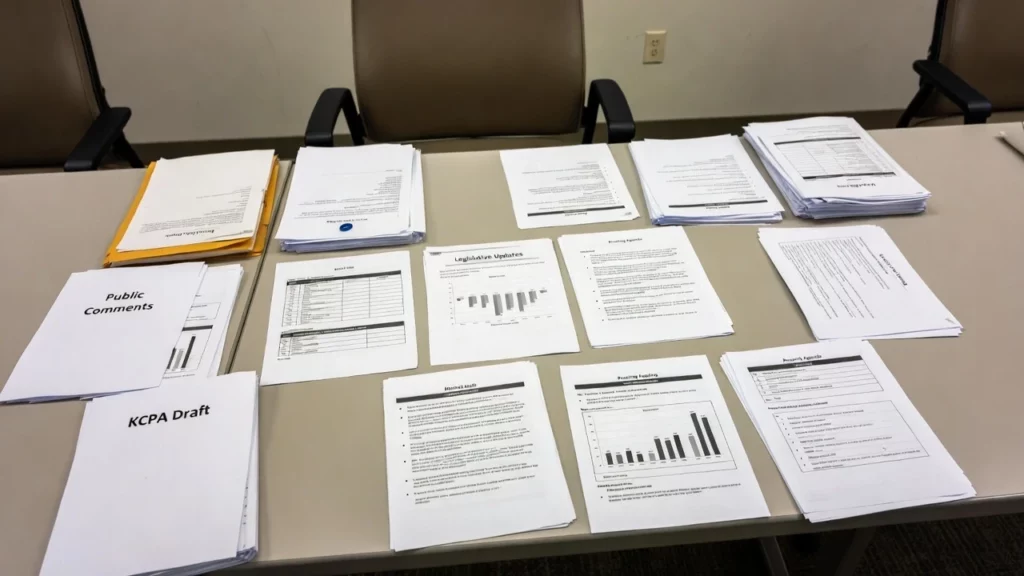
On one hand, viral content has repeatedly stalled or reversed prohibition efforts. When Alabama attempted a total ban in 2016, online outcry helped keep it legal. Ohio’s 2019 ban effort collapsed after campaigns highlighted veterans and chronic-pain patients. Georgia, Indiana, and several other states saw similar grassroots reversals tied to Facebook groups and Reddit mobilization.
This pattern repeated itself throughout 2023 and 2024: a state announces a ban, social media erupts with personal stories and calls to action, thousands contact legislators, and the bill is amended or defeated. Florida’s 2024 Kratom Consumer Protection Act, for example, passed largely because of coordinated social media pressure after an initial ban attempt. Such outcomes show how digital tools turn isolated struggles into unified fronts.
The Backlash: How Viral Missteps Feed Prohibition Efforts
On the other hand, sensational videos showing extreme reactions, overdoses (often involving adulterated products or poly-drug use), or teenagers experimenting have provided ammunition to opponents. Lawmakers frequently cite “TikTok videos of kids taking horse doses” when introducing bills. The FDA has referenced social media posts in nearly every public statement against kratom since 2018. This duality underscores the need for creators to prioritize accuracy.
The Current Landscape in 2025: Fragmented Platforms, Fragmented Laws
Where People Actually Talk About Kratom Today
In 2025, open conversation has scattered across multiple platforms. Here’s where the real discussions are happening right now:
- Reddit (r/kratom – over 179,000 members)
Still the gold standard: general information, strain reports, quitting stories, and the most up-to-date legislative alerts. Pinned megathreads on different topics and harm reduction keep misinformation in check. - Private & Secret Facebook Groups
After public pages were repeatedly shut down, thousands migrated to invite-only groups for photos, dosage journals, and emergency support without fear of sudden bans. - Telegram Channels & Groups
Fastest-growing space in 2024 and 2025. End-to-end encryption, voice chats, and file-sharing make it ideal for international users and real-time crisis support (e.g., taper schedules). - Discord Servers
Younger users and gamers gravitated here for 24/7 voice channels, live “dose and chat” sessions, and dedicated roles for veterans, chronic-pain warriors, and new members. - Threads, Bluesky, and Lemmy
Early-stage communities are forming on these newer, less-censored platforms. While still small, they’re growing steadily among people looking for algorithm-free discussion. - Independent Forums & Email Lists
A quiet but significant shift: several long-time advocates now run their own phpBB-style boards and Substack-style newsletters to stay completely independent of Big Tech moderation.
The Legal Patchwork in 2025
Six U.S. states currently ban kratom outright, while over a dozen have passed Kratom Consumer Protection Acts regulating age, labeling, and alkaloid content. Canada maintains federal legality while several provinces monitor social media claims closely under natural health product rules. Indonesia, the primary source country, imposed and then relaxed export restrictions multiple times between 2018 and 2024 in response to both international advocacy and domestic political pressure amplified online. These patchwork policies mirror the online ecosystem, where global users navigate varying rules through geo-specific threads and international collaborations.
The Role of Misinformation and How Communities Self-Correct
One persistent critique is that social media spreads dangerous misinformation. Responsible community members have spent years combating false claims through downvoting, reporting, and public correction campaigns. Active subreddits and Facebook groups now pin extensive harm-reduction guides, ban vendors who make illegal health claims, and promote third-party lab testing.
This self-policing has become sophisticated. When a viral TikTok in 2023 claimed kratom “reverses opioid tolerance overnight,” advocates flooded the comments with citations from pharmacologists. Community-driven accuracy efforts have arguably been more effective than top-down regulation at reducing reckless use. Educational series and infographics on strain-specific effects have proliferated, equipping users with tools to discern fact from hype.
Celebrity Influence and Mainstream Breakthrough
High-Profile Voices That Moved the Needle
Comedians like Joe Rogan have played an outsized role in raising mainstream kratom awareness. Since 2016, Rogan has openly experimented with and discussed kratom on The Joe Rogan Experience, describing its effects on energy, focus, and mood. Multiple episodes (some reaching 10 to 15 million views) triggered immediate spikes in Google searches and vendor traffic. When clips get shared on X, Reddit, or Instagram, the ripple effect is still measurable years later. Other public figures, from UFC fighters to musicians, have dropped casual mentions in interviews, further normalizing the plant outside traditional wellness circles.
The Quiet Influence of Athletes and Everyday Advocates
- Former and current athletes (often posting anonymously) credit kratom with helping them manage chronic pain, reduce pharmaceutical use, or stay competitive later in their careers.
- Veterans sharing recovery stories on private forums and podcasts reach audiences that mainstream media rarely covers.
- Parents, teachers, and first responders posting in closed groups humanize the conversation, showing kratom as a daily tool rather than a recreational substance.
- Micro-influencers (5k to 50k followers) on Instagram and TikTok continue to drive organic discovery through relatable “day-in-the-life” content, even under heavy moderation.
These grassroots testimonials (amplified when shared by larger accounts) have collectively done more to sustain long-term awareness than any single celebrity moment.
FAQ: Common Questions About Kratom Awareness and Social Media
Q: How did social media first bring kratom to widespread attention?
A: Kratom awareness began in small harm-reduction forums like Reddit’s r/kratom and Bluelight around 2011 to 2014. The real explosion happened after the 2016 DEA scheduling attempt. Online communities mobilized tens of thousands of public comments and protests in days, turning a niche botanical into a national conversation almost overnight.
Q: Which platform has had the single biggest impact on kratom awareness?
A: TikTok from 2021 to 2023. The #kratom hashtag reached hundreds of millions of views and introduced the plant to an entire generation that had never visited Reddit or herbal forums. Even after heavy content removal, those short videos permanently shifted public perception.
Q: Why do platforms keep removing kratom content if it’s still legal in most places?
A: Major platforms (TikTok, Meta, YouTube) classify kratom as an unapproved substance under their drug-policy guidelines. Pressure from the FDA and public-health agencies has led to shadow-bans, demonetization, and account suspensions, even when the content is educational or testimonial.
Q: Has social media ever actually stopped a kratom ban?
A: Yes, multiple times. Documented successes include Alabama (2016), Ohio (2019), Georgia, and the passage of Florida’s 2024 Kratom Consumer Protection Act. In each case, viral personal stories and coordinated call-to-action campaigns reversed or heavily amended proposed bans.
Q: Where do most serious kratom users discuss it in 2025?
A: Reddit’s r/kratom (179,000+ members) remains the largest open hub. There are alternative subreddits that discuss kratom information as well. Private Facebook groups, Telegram channels, Discord servers, and independent forums have become the main alternatives after mainstream platforms increased moderation.
Q: Is kratom still legal in Canada in 2025?
A: Yes, kratom remains federally legal for possession and sale in Canada. It is regulated as a natural health product, meaning vendors cannot make medical claims or sell it for human consumption.
Q: Why do some people say social media spreads dangerous misinformation about kratom?
A: Exaggerated or outright false claims (“cures cancer,” “zero addiction risk,” “safe with any drug”) do appear, especially in viral short-form videos. Responsible communities actively correct these posts, pin harm-reduction guides, and ban vendors who make illegal health claims.
Q: Will social media ever fully silence kratom discussion?
A: Unlikely. Every time one platform tightens rules, users migrate to more open or decentralized alternatives (Telegram, Discord, independent forums, etc.). The awareness genie is out of the bottle. Millions now know about kratom regardless of moderation policies.
Looking Ahead: Social Media’s Continuing Evolution and Kratom’s Future
By late 2025, platforms are experimenting with new content policies. Some advocate for “regulated speech” models that would allow discussion only if accompanied by FDA disclaimers. Others push for complete deplatforming of all non-prescription psychoactive substances. Meanwhile, advocates are building independent sites and email lists to reduce reliance on corporate algorithms. Emerging technologies, like blockchain-based forums, promise even greater resilience against censorship.
What seems clear is that kratom awareness is no longer reversible. Millions of people now know the plant exists, have read personal accounts, and have formed opinions independent of government or media narratives. Whether that awareness ultimately leads to nationwide regulation, continued state-by-state battles, or something else will depend heavily on how online communities adapt to increasing content restrictions.
The story of kratom from 2010 to 2025 is, at its core, the story of ordinary people using digital tools to share knowledge that institutions preferred to keep quiet. Social media gave voice to experiences that were previously invisible: chronic pain patients abandoned by the medical system, veterans seeking alternatives to addictive prescriptions, parents desperate to stay functional for their children. At the same time, it amplified reckless behavior and provided easy targets for critics.
Disclaimer
The information presented in this article is for educational and informational purposes only and does not constitute medical advice, health claims, or endorsement of kratom use. Kratom is not approved by the U.S. Food and Drug Administration (FDA), Health Canada, or any major regulatory agency for any medical condition. Its safety and efficacy have not been conclusively established through large-scale, peer-reviewed clinical trials.
Kratom contains alkaloids (primarily mitragynine and 7-hydroxymitragynine) that interact with opioid receptors in the brain, producing both stimulant-like and opioid-like effects depending on dosage and individual factors. Potential risks include physical dependence, withdrawal symptoms, nausea, constipation, liver toxicity, seizures, respiratory depression and addiction.
Individuals who are pregnant, breastfeeding, under 18, or who have a history of substance use disorder, liver/kidney disease, cardiovascular issues, or mental health conditions should not use kratom. Even responsible adult use carries risks of tolerance, dependence, and withdrawal comparable in some respects to opioids. Always consult a qualified healthcare professional before considering kratom or discontinuing any prescribed medication. Self-medicating chronic pain, opioid use disorder, anxiety, depression, or any other condition with kratom can delay proper treatment and may be life-threatening.
Product quality varies widely in the unregulated market. Contamination with heavy metals, salmonella, or synthetic adulterants has been documented. Third-party lab testing is strongly recommended but does not eliminate all risks. Laws regarding the sale, possession, and use of kratom vary by country, state, province, and municipality and can change rapidly. The author and publisher assume no liability whatsoever for any injury, loss, damage, or consequence arising directly or indirectly from the use or misuse of kratom or from reliance on the information contained in this article.