The Sober Curious Lifestyle: How Kratom Is Emerging as a Social Alternative
Faust
The sober curious lifestyle is gaining momentum as people reevaluate their relationship with alcohol and other recreational substances. This movement isn’t about total abstinence but about making intentional choices to reduce reliance on substances that may not align with personal wellness goals. Kratom, a plant-based substance from the Mitragyna speciosa tree, has emerged as a compelling option for those embracing this lifestyle.
Its unique effects and cultural history make it an intriguing alternative for social settings traditionally dominated by alcohol or other substances. This post explores kratom’s role in the sober curious lifestyle, examining its origins, effects, and potential as a substitute for various recreational substances.
What Is the Sober Curious Lifestyle?
The sober curious lifestyle encourages mindful exploration of one’s relationship with substances. It appeals to those who may not struggle with addiction but want to reduce their use of alcohol or other recreational substances for health, clarity, or personal growth. This approach prioritizes presence and intentionality, seeking alternatives that enhance social connections without the negative effects of intoxication. People adopting this lifestyle often experiment with non-alcoholic beverages, plant-based options, or mindfulness practices to create fulfilling experiences.
For many, the sober curious lifestyle is about reclaiming agency over social habits. Alcohol and other substances are often central to gatherings, from parties to casual meetups, but they can leave people feeling drained or disconnected. This movement challenges that norm, inviting individuals to explore alternatives that support their well-being. Kratom, with its versatile effects, has caught the attention of those seeking a natural substitute for these substances.
Understanding Kratom: Origins and Cultural Context
Kratom is derived from the leaves of a tropical tree native to Southeast Asia, including Thailand, Malaysia, and Indonesia. For centuries, communities in these regions have used kratom in traditional practices, chewing the leaves or brewing them into tea for their stimulating or calming properties. Farmers and workers consumed it to boost energy during long workdays, while others used it socially to promote relaxation and connection.
The active compounds in kratom, mitragynine and 7-hydroxymitragynine, interact with the body’s opioid receptors, producing effects that vary by strain and dosage. Lower doses can enhance energy and sociability, while higher doses may promote calm and introspection. This range of effects makes kratom appealing to those navigating the sober curious lifestyle, offering a flexible alternative to alcohol and other substances.
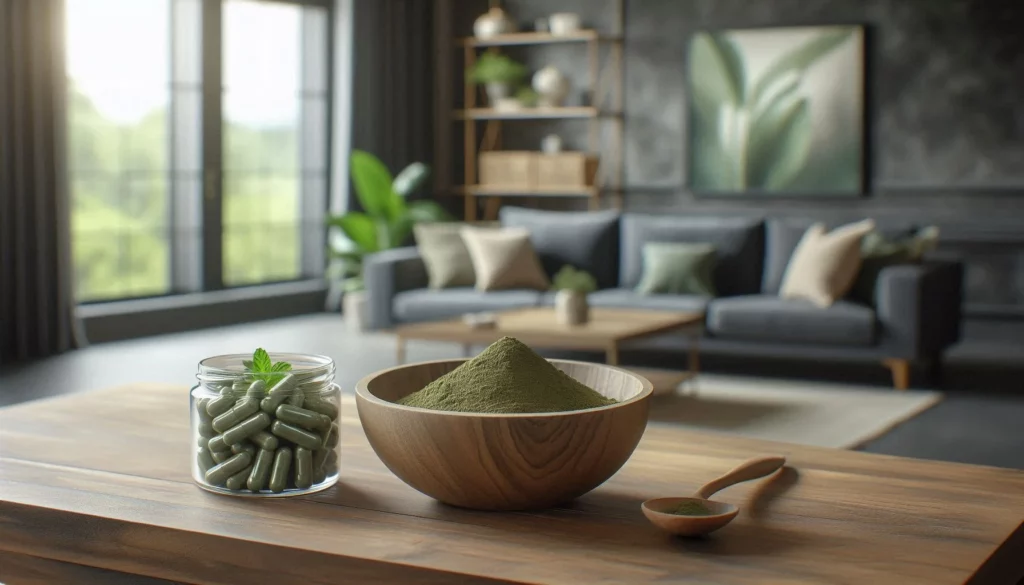
Green kratom powder and capsules displayed in a wooden bowl and jar, resting on a table with a cozy living room.
Why Choose Kratom in a Sober Curious Lifestyle?
The sober curious lifestyle is about finding balance and alternatives that feel rewarding without compromising well-being. Kratom’s appeal lies in its ability to replicate some of the social benefits of recreational substances, such as easing anxiety or growing connections, without the downsides. Here are some reasons why kratom fits into this lifestyle:
Social Ease Without Impairment: Kratom can create a sense of calm confidence, making social interactions feel more natural. Unlike substances that cloud judgment, kratom’s effects are often described as grounding, allowing users to stay engaged and present.
Specified Effects: Different kratom strains, such as red, green, or white vein varieties, offer distinct experiences. White vein kratom provides an energizing boost, ideal for lively social settings, while red vein strains promote relaxation, perfect for unwinding after an event.
No Morning After Regrets: Many recreational substances leave users feeling sluggish or unwell the next day. Kratom, when used responsibly, typically avoids these effects, allowing individuals to wake up feeling refreshed.
Intentional Use: The sober curious lifestyle emphasizes mindfulness, and kratom encourages this by requiring users to carefully consider dosage and strain. This process fosters a deeper awareness of one’s body and preferences.
Kratom and Other Recreational Substances in a Sober Curious Lifestyle
While alcohol is a common focus for those exploring the sober curious lifestyle, other recreational substances, such as cannabis, nicotine, or caffeine, also play significant roles in social settings. Kratom offers a unique alternative to these substances, providing effects that can align with the goals of mindful consumption and social connection.
Cannabis: Cannabis is often used for relaxation or to enhance social experiences, but it can sometimes lead to feelings of paranoia or lethargy, particularly in social settings. Kratom, especially in lower doses, can provide a similar sense of calm or euphoria without the mental fog or anxiety that some experience with cannabis.
Nicotine: Nicotine, whether through smoking or vaping, is often used socially to take the edge off or provide a quick boost. However, its addictive nature and health risks make it a target for those rethinking their habits. Users might find that kratom helps them step away from nicotine dependence while still enjoying a sense of focus during social interactions.
Caffeine: Caffeine is a staple for many, used to boost energy in social or work settings. However, excessive caffeine can lead to jitters, anxiety, or disrupted sleep. For those in the sober curious lifestyle, swapping an evening coffee or energy drink for kratom tea could create a more balanced social experience.
By offering a plant-based alternative to these substances, kratom supports the sober curious lifestyle’s emphasis on exploring options that enhance well-being. Its versatility allows users to pick and choose their experience, whether they’re seeking energy, relaxation, or social ease, without the risks associated with other recreational substances.
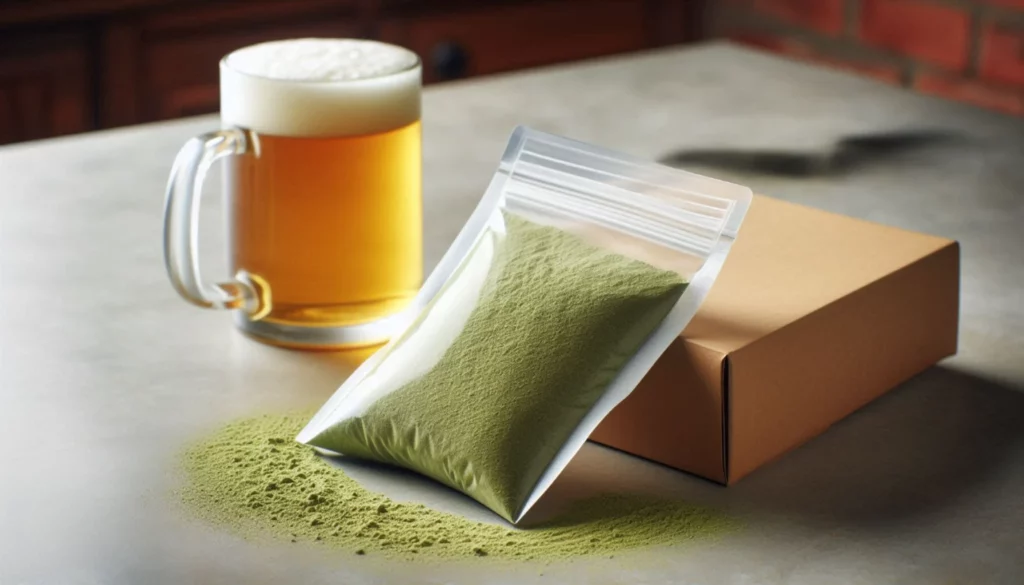
Green kratom powder in a pouch with some spilled powder, alongside a frothy beer glass, set against a concrete table and cardboard box.
How Kratom Fits Into Social Settings
Social gatherings often revolve around shared rituals, and substances like alcohol or cannabis have long been part of these moments. Kratom offers a fresh approach to these experiences. Brewing kratom tea, for instance, can become a communal activity, much like sharing a drink. The preparation and sipping process gives a sense of connection, while the effects help ease social tension.
In environments where alcohol or other substances dominate, such as bars or parties, individuals embracing the sober curious lifestyle might bring kratom-infused beverages or capsules. Some find that kratom enhances their ability to engage in meaningful conversations, as it promotes alertness and focus. Others value its calming properties, which can make crowded settings feel less overwhelming.
Kratom vs. Alcohol: A Comparison
To understand kratom’s role in the sober curious lifestyle, comparing it to alcohol highlights its potential as an alternative. While both can enhance social experiences, their effects and impacts differ significantly.
Physical Impact: Alcohol dehydrates the body, disrupts sleep, and can strain organs over time. Kratom, when used in moderation, is less likely to cause these issues, though excessive use may lead to digestive discomfort or other concerns.
Mental Clarity: Alcohol often impairs cognitive function, leading to clouded judgment or regrettable decisions. Kratom, particularly at lower doses, tends to enhance focus and presence, aligning with the sober curious lifestyle’s emphasis on mindfulness.
Social Dynamics: Alcohol can amplify emotions, sometimes leading to conflicts or intense interactions. Kratom’s effects are typically more subtle, promoting calm and connection without emotional volatility.
Long-Term Considerations: Chronic alcohol use carries risks like addiction and organ damage. While kratom’s long-term effects are less studied, responsible use is key to minimizing potential risks.
Navigating Kratom Use Responsibly
Responsible use is essential for incorporating kratom into the sober curious lifestyle. Here are key considerations:
Start Low and Go Slow: Kratom’s effects vary by dosage, strain, and individual response. Beginners should start with 1-2 grams to assess their tolerance and adjust gradually.
Choose Quality Sources: Opting for lab-tested kratom from reputable vendors ensures safety and consistency, aligning with the mindful ethos of the sober curious lifestyle.
Listen to Your Body: Kratom affects everyone differently. Paying attention to physical and mental responses helps users find the right strain and dose.
Avoid Daily Use: To prevent tolerance or dependency, reserve kratom for specific social occasions or moments of relaxation, maintaining balance.
Stay Informed: Kratom’s legal status varies, with strict regulations in Canada. Understanding local laws and safety guidelines supports responsible use.
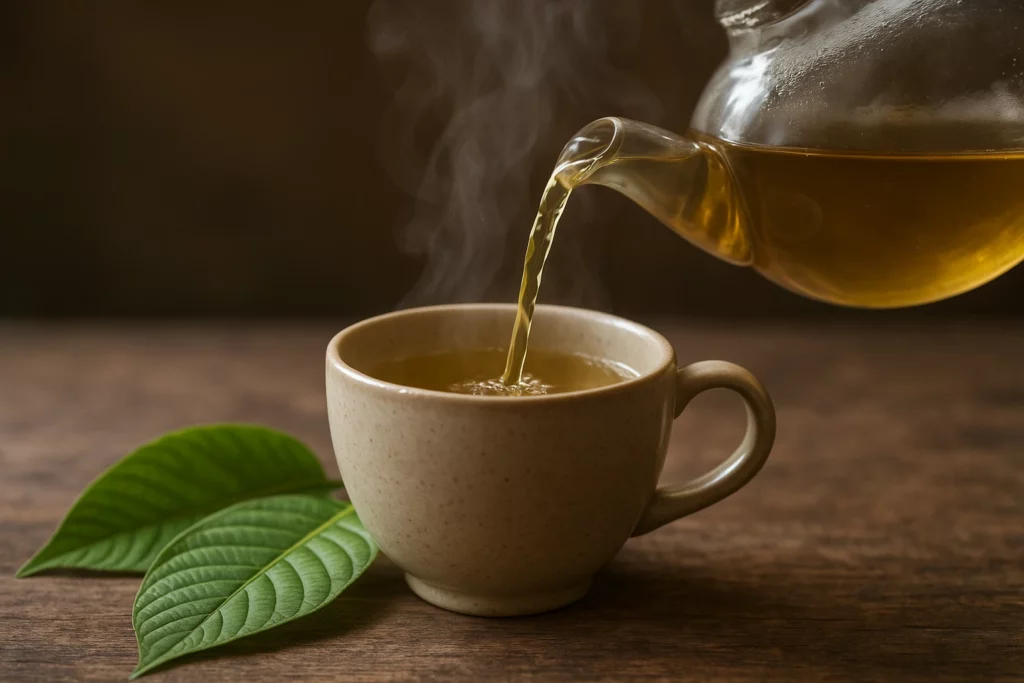
Golden kratom tea streams from a glass teapot into a ceramic cup, with vibrant green leaves adding a natural touch on a wooden table.
Frequently Asked Questions About Kratom in a Sober Curious Lifestyle
Q: How does kratom compare to other plant-based alternatives in the sober curious lifestyle? A: Kratom stands out for its versatility, offering both stimulating and relaxing effects depending on the strain and dose. Compared to adaptogens like ashwagandha, which primarily reduce stress, or kava, which promotes relaxation, kratom provides a broader range of experiences. This makes it suitable for various social contexts, from lively gatherings to quiet evenings, aligning with the sober curious lifestyle’s focus on flexibility and mindfulness.
Q: Can kratom be used in place of all recreational substances? A: While kratom can serve as an alternative to substances like alcohol, cannabis, or nicotine, it’s not a direct replacement for all. Its effects are unique, and individual preferences vary. Some may find kratom more suitable for social settings, while others might prefer non-alcoholic beverages or meditation for certain occasions. The sober curious lifestyle encourages experimenting to find what works best.
Q: Is kratom safe for everyone exploring the sober curious lifestyle? A: Kratom’s safety depends on responsible use and individual health factors. While it can be a valuable tool for many, those with certain medical conditions or who are taking medications should consult a healthcare professional before trying it. Responsible use, including starting with low doses and sourcing quality products, ensures kratom aligns safely with the sober curious lifestyle.
Q: How can I incorporate kratom into social settings without drawing attention? A: Kratom can be discreetly integrated into social settings by preparing it as a tea, mixing it into a flavoured beverage, or using capsules. These methods allow users to enjoy kratom’s effects without standing out, supporting the sober curious lifestyle’s emphasis on seamless, mindful integration into social rituals.
Q: Does kratom have any social downsides compared to alcohol or other substances? A: Kratom’s effects are generally subtler than alcohol or cannabis, which can be an advantage for staying present. However, its bitter taste or the need to experiment with dosing might be less convenient than grabbing a drink. Additionally, its legal status in some areas, like Canada, requires careful consideration to ensure compliance.
Conclusion
The sober curious lifestyle invites individuals to rethink their use of alcohol and other recreational substances, seeking alternatives that enhance well-being. Kratom, with its cultural roots and versatile effects, offers a compelling option for social settings, providing energy, relaxation, or connection without the drawbacks of intoxication.
By incorporating kratom responsibly, alongside other mindful practices, individuals can craft meaningful experiences that align with their values. As the sober curious lifestyle grows, kratom’s role as a plant-based alternative sparks curiosity and conversation, redefining social wellness.
Disclaimer
The information provided in this blog post about kratom and its role in the sober curious lifestyle is for educational and informational purposes only and should not be considered medical advice. Kratom (Mitragyna speciosa) is a plant-based substance that interacts with the body’s opioid receptors, and its effects can vary widely based on dosage, strain, and individual physiology. While some individuals may find kratom to be a helpful alternative in social settings, its safety and efficacy have not been fully evaluated by regulatory bodies such as the FDA or Health Canada.
Potential risks include side effects such as nausea, dizziness, or digestive discomfort, and long-term use may lead to tolerance or dependency. Individuals with pre-existing medical conditions, those taking medications, or those who are pregnant or breastfeeding should consult a qualified healthcare professional before using kratom. Additionally, kratom’s legal status varies by region, and it is strictly regulated or banned in some areas, including Canada.
Users are responsible for understanding and complying with local laws. Always source kratom from reputable vendors that provide lab-tested products to ensure quality and safety. The sober curious lifestyle is a personal journey, and decisions about substance use should be made thoughtfully, prioritizing health, safety, and informed choice. Neither the author nor publisher assume liability for any adverse effects, injuries, or consequences resulting from the use of information in this blog.
On February 16, 2026, select provinces will observe regional holidays.
Canada Post will operate as normal and all shipments will be processed as usual.
FedEx will be closed in Prince Edward Island (Islander Day); Alberta, British Columbia, Ontario, Saskatchewan, and New Brunswick (Family Day); Manitoba (Louis Riel Day); and Nova Scotia (Heritage Day). FedEx shipments to these provinces will move the next business day.