


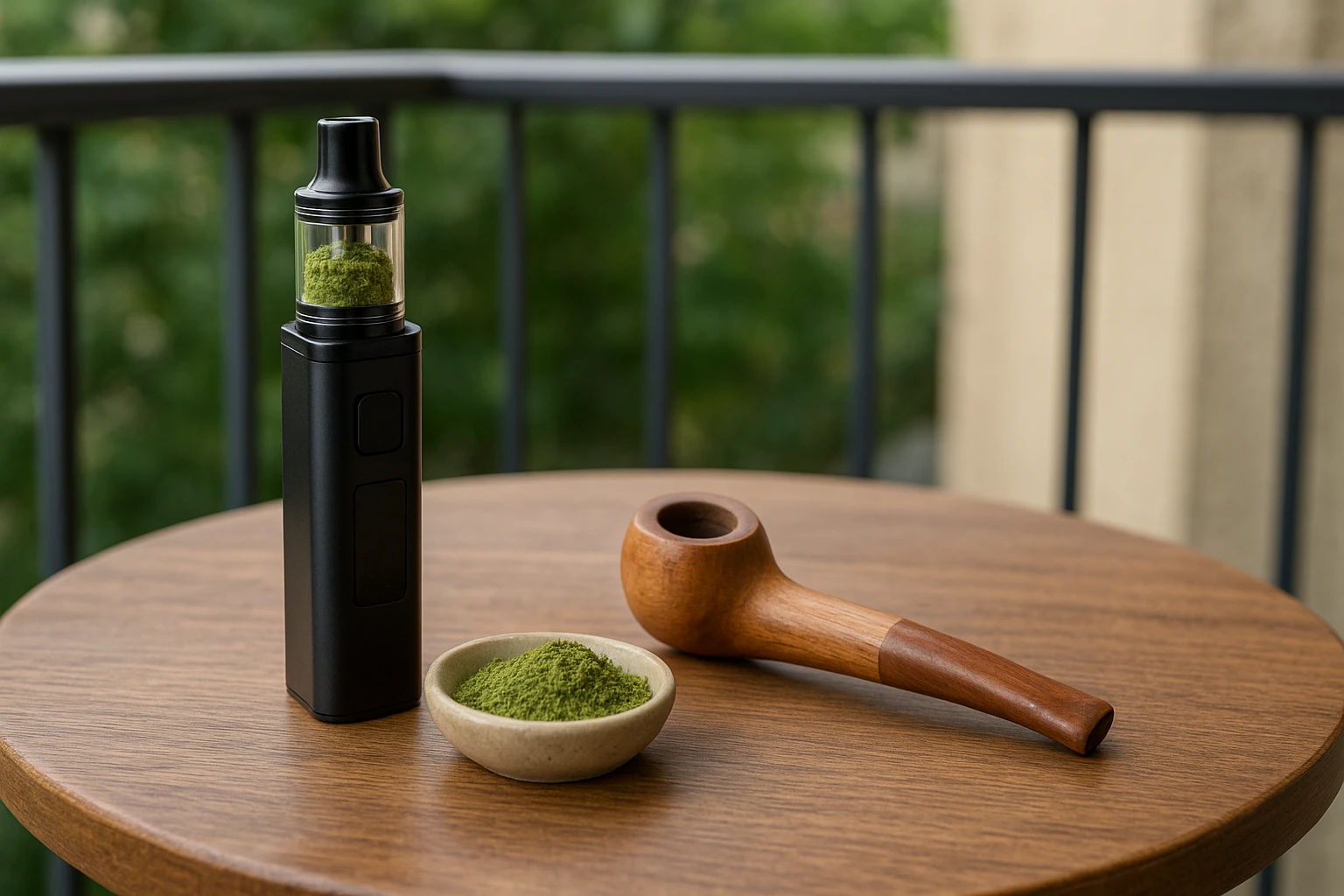

Have you ever wondered about the implications of smoking or vaping kratom? This method of consumption has captured the attention of those intrigued by natural plant remedies, yet it raises important questions regarding both safety and effectiveness. Kratom has been employed traditionally for its varied potential benefits, such as enhancing energy or promoting relaxation. When individuals consider inhaling it through smoke or vapour, however, they encounter a landscape filled with uncertainties that warrant careful examination.
Yet, the shift toward smoking or vaping kratom marks a significant departure from these established practices, introducing a method that accelerates delivery by routing the compounds directly into the lungs and bloodstream, thus circumventing the slower digestive process. Such rapid absorption can seem advantageous for those seeking immediate responses, but it simultaneously heightens the potential for unintended consequences, as the intense heat involved often diminishes the integrity of those delicate alkaloids.
Understanding Kratom: A Natural Plant with a Complex Profile
Kratom, or Mitragyna speciosa to use its botanical name, thrives in the lush, humid forests of Southeast Asia as an evergreen tree whose broad leaves serve as the primary source of its renowned properties. For centuries, indigenous populations in areas like Indonesia and Thailand have harvested these leaves, utilizing them in their fresh or dried states to support endurance during laborious tasks or to ease the strains of everyday life.
Central to kratom’s influence are its alkaloids, which engage with opioid receptors in the brain to potentially alleviate discomfort or elevate disposition without the heavy sedation associated with synthetic alternatives. In modest servings, these compounds might sharpen mental acuity and physical vitality, much like the natural boost from engaging in invigorating outdoor activities. As intake increases, the experience can evolve toward tranquility, aiding in moments of repose or recovery from minor physical exertions. This biphasic nature, stimulating at low levels and calming at higher ones, has endeared kratom to a global audience seeking holistic options for wellness.
The allure of this approach often lies in its promise of expedited onset, with effects potentially emerging in mere minutes rather than the 20 to 40 minutes required for oral ingestion, during which the liver and stomach methodically process the alkaloids. Nevertheless, this haste comes at a cost, as elevated temperatures can volatilize or degrade sensitive molecules, resulting in a delivery that captures only a partial essence of the plant’s capabilities. Consider how excessive heat applied to fragile botanicals in culinary contexts can mute their aromas and nutrients. A similar principle applies here, underscoring why traditionalists advocate for methods that honor the plant’s integrity.
The Mechanics of Smoking Kratom: How It Happens and What Changes
Engaging with kratom through smoking generally entails transforming its dried leaves or powdered form into a combustible medium, such as rolling it into a slender cylinder akin to herbal blends or loading it into a dedicated pipe for controlled ignition. Once lit, the ensuing smoke is drawn into the lungs, where the heat, typically ranging from 600 to 900 degrees Fahrenheit, rapidly liberates the embedded alkaloids for absorption. This combustion, while efficient in its immediacy, exacts a toll on the plant’s biochemistry, as temperatures exceeding 176 degrees Fahrenheit begin to dismantle mitragynine, converting portions of it into less bioactive residues or acrid particulates that accompany the inhalable fraction.
In practice, achieving an even burn requires meticulous preparation. The kratom must be pulverized to a uniform fineness to prevent sporadic flares that could waste the material or provoke involuntary coughing fits from uneven distribution. Some experimenters incorporate it into existing tobacco or herbal mixtures, though this dilution often further attenuates the desired outcomes, rendering the experience more diffuse than targeted. The sensations that follow tend to manifest swiftly, perhaps as a fleeting wave of lightness or mild invigoration within seconds of inhalation, but they dissipate quickly, seldom extending beyond half an hour, leaving users with a superficial impression rather than a sustained engagement.
A pivotal transformation occurs in terms of bioavailability, the measure of how much of the active components the body ultimately utilizes. Oral consumption allows roughly 50% of the alkaloids to navigate the gastrointestinal tract intact, whereas smoking slashes this figure to 20-30%, owing to the destructive embrace of flame that annihilates much of the payload before it reaches the bloodstream. Compounding this inefficiency, the smoke introduces ancillary elements like carbon monoxide and particulate matter from the burning process, which impose an additional burden on the cardiovascular and respiratory systems, potentially leading to fatigue or discomfort in the aftermath.
Vaping Kratom: A Modern Twist with Persistent Questions
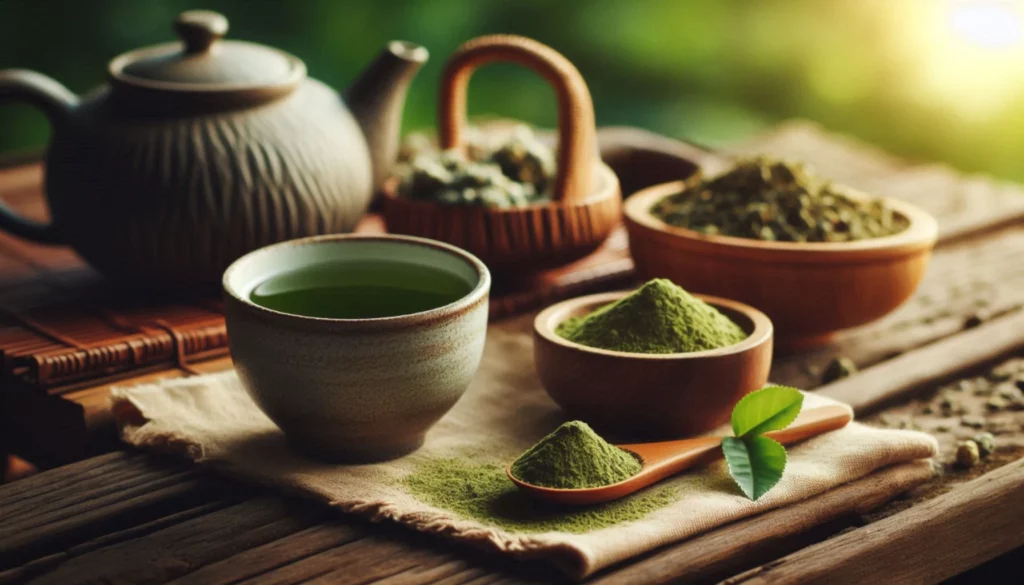
Vaping kratom employs specialized devices that elevate the plant material to temperatures between 350 and 450 degrees Fahrenheit, generating a vaporous mist rather than the dense smoke produced by open flames, thereby aiming for a less abrasive introduction to the lungs. Participants in this method might opt for dry herb vaporizers, where finely milled kratom is placed in a heated chamber, or liquid formulations crafted by infusing extracts into carriers like propylene glycol and vegetable glycerin, often enhanced with palatable flavours to temper the inherent bitterness. These setups, ranging from compact pen devices to more robust tabletop units, facilitate portable and discreet sessions that align with the fast-paced demands of modern lifestyles.
The effects of vaping tend to surface almost as promptly as those from smoking, delivering a smoother cascade of sensations that some describe as a gentle veil of alertness or serenity, unfolding over 15 to 45 minutes before receding. By sidestepping outright combustion, vaping preserves a marginally higher yield of alkaloids, perhaps 30-40% bioavailability, yet it cannot fully evade the thermal degradation that hampers mitragynine and its derivatives, resulting in outcomes that feel attenuated when measured against the fuller spectrum available through ingestion.
The selection of equipment introduces variables that can either enhance or erode the experience. Budget-conscious devices may fluctuate in heat control, leading to inconsistent vapour quality, whereas premium models offer granular adjustments but demand regular maintenance to counteract the resinous buildup from kratom’s sticky compounds, which can foul heating elements and impart off-putting flavours.
Efficacy Breakdown: Do the Effects Hold Up?
Evaluating the efficacy of smoking or vaping kratom requires aligning expectations with the realities of how these methods interface with the plant’s bioactive elements. Those accustomed to kratom’s traditional profile anticipate either an enlivening surge at smaller doses or a deepening ease at larger ones, outcomes that inhalation purports to accelerate but frequently renders elusive due to the interplay of heat and hasty delivery. The initial rush might evoke a spark of vitality or a softening of edges, reminiscent of the transient glow from a brisk walk in fresh air, yet this often plateaus into mediocrity, lacking the layered progression that defines more deliberate consumptions.
Degradation of alkaloids under thermal stress emerges as a primary culprit, transforming mitragynine into variants with diminished affinity for neural receptors and thereby blunting the potential for meaningful mood modulation or discomfort mitigation. Reports from users frequently highlight this shortfall. The anticipated depth of relief or focus gives way to a superficial skim, prompting repeated attempts that escalate exposure without commensurate gains. Dosage precision, already a challenge in oral forms, devolves into near-artistry with inhalation, as the nebulous nature of puffs defies exact measurement, each draw influenced by breath velocity, device efficiency, or material density, fostering a landscape where novices might undershoot their aims and seasoned individuals confront escalating tolerance thresholds that demand ever-greater inputs for fleeting rewards.
Ultimately, if efficacy is gauged by the dependability of positive, reproducible responses that align with the plant’s heritage, then smoking or vaping kratom emerges as a suboptimal choice, one that trades enduring substance for ephemeral novelty and invites skepticism about its place in thoughtful wellness explorations. This appraisal naturally segues into the domain of safety, where the method’s frailties manifest not merely as disappointments but as tangible threats to well-being.

Safety Concerns: 7 Key Risks You Can’t Ignore
Embarking onto the safety profile of smoking or vaping kratom reveals a constellation of hazards that eclipse any superficial conveniences, amplified by the direct pathway these techniques forge to the body’s core systems. Drawing from patterns observed in respiratory health literature and consumption trends, we outline seven paramount risks that demand attention, each illustrating how inhalation can transmute a natural substance into a vector for unintended adversity.
Foremost among these is the propensity for respiratory irritation, as the aerosolized particles, whether from smoldering leaves or superheated extracts, provoke inflammation in the delicate airways, manifesting as persistent coughing, bronchial constriction, or laboured breathing even after brief encounters. Individuals predisposed to conditions like asthma or environmental sensitivities find this exacerbation particularly acute, with cumulative sessions potentially eroding the mucosal barriers that safeguard against opportunistic pathogens, thereby elevating susceptibility to infections over time.
Equally concerning is the generation of toxic byproducts through thermal processing. Combustion in smoking unleashes polycyclic aromatic hydrocarbons, compounds implicated in cellular damage akin to those in environmental pollutants, while vaping’s contained heat can still liberate aldehydes like formaldehyde under suboptimal conditions, infiltrating the circulation to burden hepatic and renal functions with detoxification duties. These insidious elements not only compromise the purity of the intended alkaloids but also introduce systemic strains that accumulate subtly, mirroring the insidious progression seen in chronic exposure to combusted botanicals.
Unpredictable dosing emerges as a third peril, where the swift ingress of alkaloids circumvents the body’s innate pacing mechanisms, heightening the likelihood of acute overloads characterized by gastrointestinal upheaval, accelerated pulse, or disorientation. Absent the gradual ramp-up of oral routes, users navigate a razor-thin margin for error, a dynamic that proves especially hazardous for those with cardiovascular vulnerabilities, who may encounter arrhythmias or hypotensive episodes without prelude.
Contamination constitutes the fourth risk, magnified exponentially in inhalation scenarios. Substandard sourcing can embed heavy metals, microbial contaminants, or synthetic adulterants into the material, which the lungs absorb wholesale, bypassing the stomach’s acidic gauntlet and potentially seeding allergic cascades, neurological perturbations, or insidious toxicities that manifest months later. Historical incidents tied to tainted batches have underscored this vulnerability, transforming what begins as a benign experiment into a health crisis.
The fifth risk involves amplified addictive potential, as the unmediated rush to the brain forges stronger associative pathways than slower metabolisms, accelerating dependence and intensifying withdrawal manifestations like irritability or insomnia upon cessation. The ritualistic appeal, fiddling with devices or lighting pipes, further entrenches behavioral loops, ensnaring users in escalating cycles that erode autonomy.
Interactions with concurrent substances form the sixth caution, wherein inhaled kratom’s accelerated kinetics can potentiate synergies with alcohol, pharmaceuticals, or stimulants, precipitating amplified sedations, cognitive lapses, or cardiorespiratory duress. For instance, combining with nicotine-laden vapes compounds vasoconstrictive loads, straining an already taxed pulmonary network.
Finally, the seventh risk resides in the uncharted territory of long-term repercussions, where scant longitudinal data leaves a void filled by extrapolations from analogous inhalation practices. Possibilities of fibrotic scarring, diminished ventilatory capacity, or oncogenic shifts in lung epithelia loom as shadows, particularly poignant for younger demographics whose developing tissues bear the brunt of early exposures. Collectively, these risks compose a compelling narrative of prudence, advising against the cavalier adoption of methods that prioritize velocity over vitality.
Comparing Inhalation to Traditional Kratom Methods
To contextualize the position of smoking or vaping kratom, it proves illuminating to juxtapose them with the venerable techniques that have sustained the plant’s legacy, each offering distinct advantages in potency preservation and physiological harmony. Chewing fresh leaves or simmering them into a steeped infusion gently coaxes forth the alkaloids, retaining 70-80% of their vigor through low-heat extraction, allowing kratom’s effects to blossom gradually over an hour or more and persist for up to four hours, providing a steady undercurrent of support ideal for extended endeavors.
In terms of efficacy, these oral avenues consistently surpass their inhaled counterparts by delivering a richer tapestry of alkaloids that engage the full metabolic orchestra, yielding profound immersions in focus or repose that endure without the jagged interruptions of quick fades. Safety accrues from this foundational stability as well. The gastrointestinal tract’s robust defenses neutralize many impurities, and the tempered absorption curtails impulsive overindulgence, fostering a symbiotic dialogue between plant and physiology.
One might ponder the motivations for gravitating toward inhalation, perhaps the familiarity of vapour devices from other contexts or the siren call of instantaneous gratification, yet the preponderance of experiential and mechanistic evidence tilts decisively toward oral modalities as the bastions of equilibrium, inviting newcomers to commence with these foundational rites before entertaining deviations.
Frequently Asked Questions
Q: What is smoking or vaping kratom, and why do people try it?
A: Smoking or vaping kratom involves heating the dried leaves or extracts to produce smoke or vapour that is then inhaled, often using pipes or electronic devices. People may attempt this method in hopes of achieving faster effects compared to traditional oral consumption, seeking quick relief from discomfort or a boost in energy. However, this approach deviates from kratom’s historical uses, where gentle preparation preserved its compounds, and it introduces risks that often outweigh any perceived speed.
Q: Is smoking or vaping kratom safe for the lungs and respiratory system?
A: No, it is not considered safe. Inhaling smoke or vapour from kratom can irritate the airways, leading to coughing, inflammation, and potential long-term damage similar to other combusted substances. The particulates and heat may erode lung tissues, increasing vulnerability to infections or chronic conditions like bronchitis. Health experts note that even vaping, while avoiding open flame, still exposes the lungs to aerosolized particles that can settle deeply and disrupt normal function.
Q: Does smoking or vaping kratom provide the same benefits as other methods?
A: The benefits are generally diminished. Heat degrades key alkaloids like mitragynine, reducing the plant’s potential for mood enhancement or relaxation to a milder, shorter-lived version. Users often report weaker or inconsistent outcomes, as bioavailability drops significantly compared to oral methods that retain more potency. This makes inhalation less reliable for sustained support, turning what could be a balanced experience into something fleeting and unpredictable.
Q: What are the main risks of contamination when inhaling kratom?
A: Contamination poses a severe threat, as unregulated products may contain heavy metals, bacteria, or adulterants that enter the bloodstream directly through the lungs without digestive filtering. Health authorities have warned about salmonella outbreaks and toxic levels in kratom supplies, and inhalation amplifies absorption of these hazards, potentially causing allergic reactions, infections, or organ strain. Without standardized testing, even seemingly pure batches carry hidden dangers that could lead to acute health issues.
Q: Can smoking or vaping kratom lead to addiction or dependence?
A: Yes, it can heighten the risk. The rapid delivery to the brain strengthens reward pathways, eliciting quicker tolerance and withdrawal symptoms like irritability, nausea, or cravings upon stopping. Kratom’s opioid-like interactions make dependence possible, and inhalation’s intensity may accelerate this process, especially for those with prior substance histories. Regulatory bodies highlight this as a key concern, noting patterns of misuse that mirror other addictive inhalants.
Q: Are there safer alternatives to smoking or vaping kratom?
A: Absolutely, traditional oral methods like teas, capsules, or powders are preferable. These allow for better dosage control, higher alkaloid retention, and avoid respiratory exposure, providing more consistent effects over longer periods. Brewing a simple infusion or using measured capsules respects the plant’s natural profile while minimizing health risks, aligning closer with its cultural roots and expert recommendations for moderation.
Final Thoughts: Prioritizing Informed Choices
In wrapping up our look at smoking or vaping kratom, a clear conclusion emerges. The drive to try new ways of using it promises quick results, but it comes with major downsides: the heat that releases the active compounds also destroys much of their power, leading to short-lived effects clouded by breathing problems and other health risks. This stands in sharp contrast to the reliable, balanced benefits of traditional oral methods, which respect the plant’s full potential.
For anyone interested in kratom’s benefits, we recommend sticking to its time-tested forms, like carefully prepared teas or controlled doses of powder, that prioritize both safety and effectiveness. Consult with healthcare professionals, source from trusted suppliers, and listen to your body’s responses. This approach turns simple curiosity into responsible use, creating a true connection with the plant while steering clear of the pitfalls of rushed innovation.
Disclaimer
This blog is for informational and educational purposes only and does not provide medical advice, diagnosis, or treatment recommendations. Kratom (Mitragyna speciosa), including when smoked or vaped, is not approved by the FDA or Health Canada for any medical use, with unproven safety and efficacy lacking clinical evidence. Inhalation poses serious health risks, such as respiratory irritation, coughing, inflammation, bronchial constriction, lung damage (e.g., fibrosis), and exposure to toxic byproducts like polycyclic aromatic hydrocarbons and formaldehyde from heat.
It can cause rapid adverse effects including nausea, vomiting, seizures, liver toxicity, rapid heartbeat, disorientation, and heightened addiction risk due to direct bloodstream absorption and opioid-like brain interactions. Contamination with heavy metals, bacteria (e.g., Salmonella), or adulterants is amplified by inhalation, bypassing digestive filters and leading to infections, allergies, neurological issues, or organ damage.
Long-term use may result in dependence, withdrawal (e.g., irritability, insomnia), cardiovascular strain (e.g., arrhythmias), and dangerous interactions with alcohol, drugs, or nicotine, worsening sedation or respiratory depression. Vulnerable groups, including those with asthma, heart conditions, or substance abuse history, face greater dangers, including neonatal risks if pregnant. Neither the authors nor the publishers of this content are liable from the information presented. Consult a healthcare professional before any kratom use, report adverse effects, and opt for evidence-based treatments to avoid irreversible harm.