




Root cause healing represents a foundational shift in how many people approach wellness, particularly within the realm of plant medicine. Rather than focusing solely on suppressing noticeable discomforts or manifestations of imbalance, this perspective seeks to uncover and address the deeper origins of those issues. In traditions spanning continents and centuries, plant-based approaches have emphasized restoring harmony to the whole person, viewing health as an interconnected state influenced by physical, emotional, environmental, and even spiritual factors.
This philosophical stance contrasts with many conventional methods that prioritize quick relief through targeted interventions. Plant medicine, drawing from indigenous wisdom and longstanding herbal practices, often invites individuals to consider why an imbalance has arisen in the first place. By exploring these underlying layers, people may find pathways to more sustainable well-being.
Understanding the Philosophy Behind Root Cause Healing
At its core, root cause healing stems from a holistic worldview that sees the human body and mind as part of larger ecosystems. Ancient systems like Ayurveda from India and Traditional Chinese Medicine (TCM) exemplify this thinking. In Ayurveda, health arises from balance among the three doshas (vata, pitta, and kapha), which represent fundamental energies. Disease emerges when these forces fall out of equilibrium due to diet, lifestyle, stress, or environmental influences. Practitioners aim to identify the specific imbalance and correct it through personalized adjustments, often incorporating plants that support overall harmony rather than just one symptom.
Similarly, TCM views health through the lens of qi (vital energy), yin and yang, and the flow through meridians. Illness signals a blockage or deficiency in this energy system, influenced by factors like emotions, seasons, and diet. Herbal formulas in TCM are crafted to restore flow and nourish deficiencies at their source, addressing patterns rather than isolated complaints.
Naturopathy, a more modern synthesis of natural healing principles, echoes these ideas by prioritizing the body’s innate ability to heal itself when obstacles are removed. The philosophy holds that supporting detoxification, nutrition, and lifestyle changes can allow the underlying causes of dysfunction to resolve naturally.
These traditions share a belief that true healing requires patience and observation. Symptoms serve as messengers pointing toward deeper disharmony, whether from accumulated stress, poor nourishment, unresolved emotions, or disconnection from nature. Plant medicine fits naturally into this framework because plants themselves grow in response to their environments, containing compounds that have evolved to support balance in living systems.
How Plant Medicine Supports Deeper Levels of Healing
Plants have long been revered not just for their immediate effects but for their capacity to influence multiple layers of well-being. In many cultures, healers select plants based on their energetic qualities, taste, temperature, and affinity for certain organs or systems. This mirrors the root cause approach by matching the plant’s properties to the individual’s unique pattern of imbalance.
For instance, in ethnobotanical traditions around the world, certain plants are used to support digestive health when issues stem from emotional holding or dietary habits. Others promote relaxation when chronic tension arises from mental overactivity or environmental stressors. The goal remains to gently nudge the body back toward equilibrium, allowing natural repair processes to unfold.
This contrasts with approaches that isolate a single pathway or chemical target. Plant preparations often contain a symphony of compounds working together, which may contribute to their broad supportive role. Traditional preparation methods, such as teas or decoctions, honour this complexity by extracting a range of constituents that interact synergistically.

Indigenous and Shamanic Perspectives on Root Cause Healing
In many indigenous cultures across the Americas, Africa, Asia, and Oceania, healing with plants has always been inseparable from spiritual and communal dimensions. Shamans and traditional healers view illness not merely as a physical or energetic imbalance but often as a symptom of deeper disconnection from one’s spirit, ancestors, community, or the natural world.
Amazonian and South American Traditions
For example, in various Amazonian traditions, plant medicines are used in ceremonial contexts to facilitate visions or insights that reveal the true origin of suffering. These origins might stem from unresolved grief, relational conflicts, spiritual intrusion, or energetic imbalances caused by harmful forces or disrupted harmony.
The healer acts as a guide, interpreting messages from the plant spirits to address these roots directly, often through rituals that restore wholeness rather than just alleviate symptoms. In these practices, plants are seen as wise allies with their own intelligence, capable of revealing hidden aspects of consciousness and facilitating profound emotional and spiritual realignment.
North American and Broader Indigenous Approaches
Similarly, some North American indigenous practices emphasize the interconnected web of life, where healing involves purifying the mind, body, and spirit together. Sacred plants, such as those used in smudging or ceremonial contexts, help cleanse negative influences, attract positive energies, and strengthen connections to the land and community. Illness may arise from spiritual misalignment, broken relationships with nature, or neglect of cultural responsibilities. Restoration comes through ceremony, storytelling, prayer, and reconnection with ancestral knowledge, viewing the individual as part of a larger relational network.
These indigenous and shamanic approaches share core principles with the systems discussed earlier: patience, careful observation of patterns, and the use of plants as supportive allies. Yet they place particular emphasis on relational and spiritual layers. Imbalances may trace back to ancestral patterns, environmental disrespect, loss of cultural knowledge, or breaches in communal harmony. Healing thus becomes a process of realignment with larger cycles of life, often involving community participation and respect for the sacred nature of the plants themselves.
By including these perspectives, we highlight the diverse origins of plant medicine knowledge and recognize that root cause healing is not a modern invention, but a timeless human practice expressed in varied cultural languages. These traditions remind us that true wellness often requires addressing not only personal but also collective and spiritual dimensions of existence.
Practical Applications in Everyday Life
Bringing root cause healing into daily practice begins with self-reflection and mindful engagement with one’s own patterns and needs.
Starting with Self-Reflection and Awareness
Individuals might start by tracking patterns: when do certain feelings or physical sensations arise? What lifestyle factors precede them? Journaling, mindful eating, or spending time in nature can reveal connections that point to underlying contributors.
Incorporating Plant Medicine Mindfully
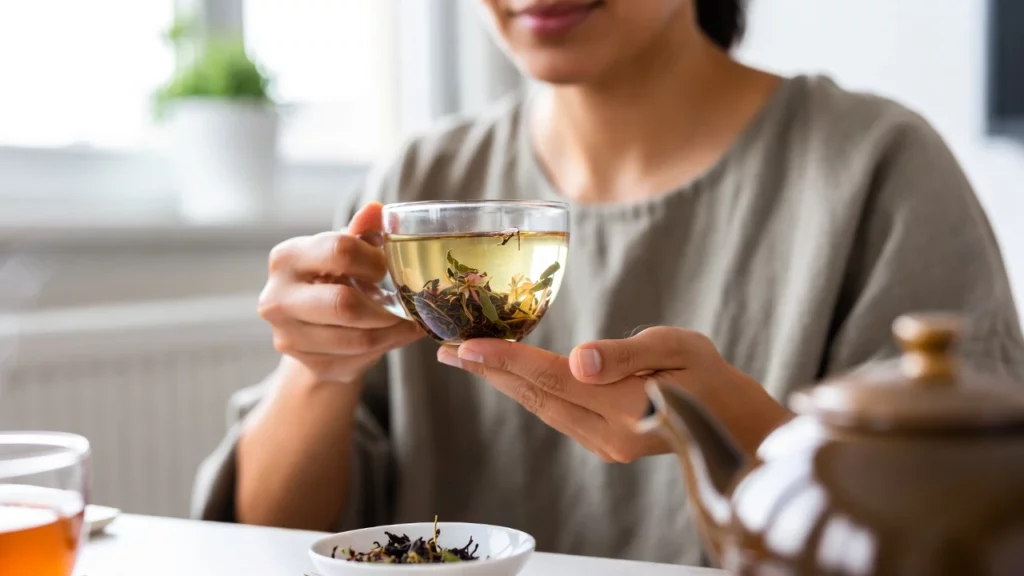
Plant medicine enters this picture as a supportive ally. For example, preparing kratom tea has been a method used by some to build a sense of calm and introspection, potentially aiding in exploring emotional roots of tension. Brewing kratom involves careful attention to dosage, steeping time, and personal response, encouraging a mindful relationship with the plant. This ritual itself can become a meditative practice, slowing down the rush of daily life to allow awareness of more profound needs.
Other plants, such as those used in calming herbal blends, support nervous system resilience when stress accumulates over time. Adaptogenic herbs, a category recognized in both TCM and modern herbalism, help the body adapt to ongoing demands, potentially addressing fatigue linked to prolonged pressure rather than just providing a temporary lift.
Nourishing the Body Through Diet as Medicine
Diet plays a central role too. In root cause philosophies, food acts as medicine. Whole, seasonal plants nourish the body in ways that processed items cannot, supporting gut health, which many traditions link to mental and emotional states. Fermented foods, bitter greens, and warming spices appear across cultures as tools to strengthen digestion and vitality at foundational levels.
Supporting Practices: Movement and Breathwork
Movement and breathwork complement these efforts. Gentle practices like walking in green spaces, yoga, or qigong circulate energy and release stagnation, aligning with the idea that physical blockages reflect deeper imbalances.
Challenges and Considerations in Embracing This Approach
Shifting toward root cause healing requires patience, as changes unfold gradually. Unlike fast-acting interventions, addressing foundational issues demands consistency and willingness to explore personal history, habits, and environment.
Consider the following key aspects when adopting this perspective:
- Individual variability is key: What serves as a root for one person may differ for another due to genetics, life experiences, or cultural context. This personalization is a strength of plant medicine traditions, where healers tailor recommendations rather than applying one-size-fits-all solutions.
- Accessibility matters as well: Not everyone has immediate access to knowledgeable guides or quality plant materials. Education becomes essential, encouraging informed self-exploration while recognizing when professional support is needed.
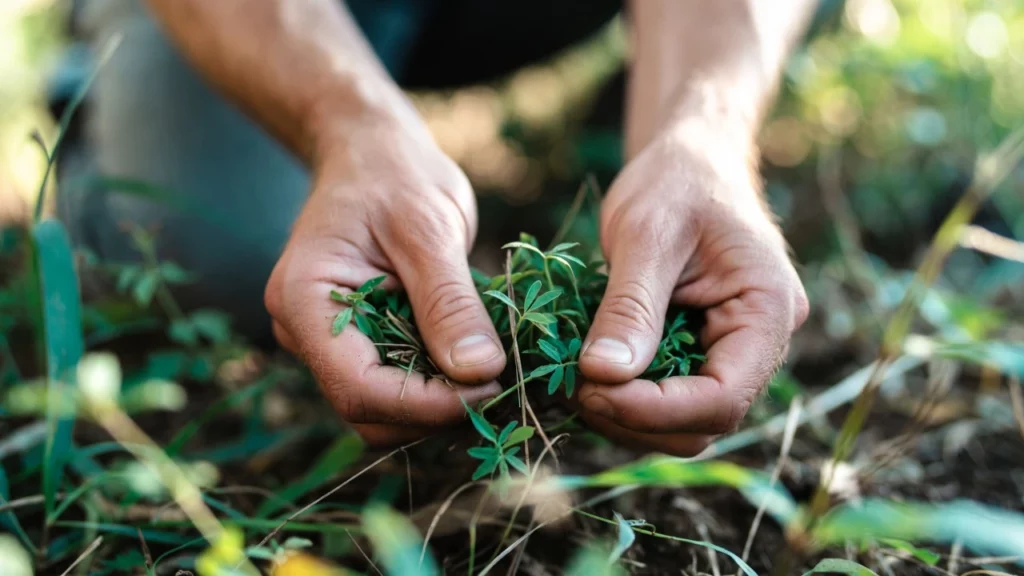
- Sustainability enters the conversation too: Respectful harvesting and cultivation ensure that plant allies remain available for future generations, recognizing the reciprocal relationship between humans and nature central to many traditional philosophies.
Frequently Asked Questions
Q: What exactly is root cause healing, and how does it differ from conventional symptom management?
A: Root cause healing focuses on identifying and addressing the underlying origins of imbalance, such as emotional stress, lifestyle patterns, spiritual disconnection, or environmental factors, rather than primarily suppressing or masking symptoms. Conventional approaches often target specific complaints for rapid relief, while root cause healing seeks longer-term harmony by restoring balance to the whole person.
Q: Is root cause healing the same in every tradition mentioned, like Ayurveda, TCM, and indigenous practices?
A: While the core idea of seeking deeper origins is shared, each tradition expresses it differently. Ayurveda emphasizes dosha balance, TCM focuses on qi flow and yin-yang harmony, and many indigenous and shamanic approaches highlight spiritual, ancestral, and communal disconnections. The common thread is viewing health holistically rather than in isolated parts.
Q: Can everyday people practice root cause healing without being experts or shamans?
A: Yes. Many aspects are accessible through self-reflection, mindful lifestyle choices, nourishing diet, gentle movement, and respectful engagement with supportive plants. Starting with awareness of personal patterns and making consistent small adjustments forms the foundation. For deeper or ceremonial work, guidance from knowledgeable practitioners is recommended.
Q: Why is patience emphasized so much in root cause healing?
A: Changes at the foundational level often unfold gradually because they involve shifting long-standing patterns in body, mind, emotions, and environment. Quick fixes may provide temporary relief, but sustainable harmony requires time for the body’s natural intelligence to restore itself once underlying obstacles are addressed.
Q: How do plants fit into root cause healing if they are not “cures” in the conventional sense?
A: Plants serve as supportive allies that help restore balance across multiple layers. Their complex compounds and energetic qualities align with the body’s own systems, gently encouraging equilibrium rather than forcing change. Traditional preparation methods reflect this complexity, allowing plants to support the body’s innate repair processes.
Integrating Root Cause Healing for Long-Term Wellness
Over time, embracing this perspective can transform how people relate to their health. Instead of viewing discomfort as an enemy to suppress, it becomes an invitation to inquiry and growth. Small daily choices accumulate: choosing nourishing foods, prioritizing rest, engaging with plants mindfully, and cultivating emotional awareness. In this way, root cause healing creates resilience. By strengthening the body’s inherent intelligence and addressing imbalances at their origin, individuals may experience greater vitality and clarity.
This approach does not reject modern medicine but complements it in cases where deeper exploration enhances outcomes. For chronic patterns or preventive care, focusing on roots often yields profound shifts. Ultimately, root cause healing invites a return to wholeness. It reminds us that health emerges from harmony within ourselves and with the world around us. Through thoughtful engagement with plant medicine and self-reflection, many discover that true wellness arises not from eliminating symptoms alone but from nurturing the conditions for balance to flourish naturally.
Disclaimer
The information provided in this blog is for educational and informational purposes only and does not constitute medical advice, diagnosis, treatment recommendations, or a substitute for professional healthcare guidance. Root cause healing and the use of plant-based substances draw from traditional, indigenous, and holistic philosophies, but these approaches have not been universally evaluated or approved by Health Canada for safety, efficacy, or therapeutic claims under the Natural Health Products Regulations or other applicable frameworks.
In Canada, many herbal remedies and plants fall under regulation as natural health products when sold for human consumption, requiring evidence-based authorization, proper labelling, and compliance to ensure quality and safety. Specific plants like kratom (Mitragyna speciosa) are not authorized by Health Canada as a natural health product or for human consumption; while possession may not be prohibited under the Controlled Drugs and Substances Act, its sale for ingestion is restricted, unauthorized products have faced enforcement actions due to potential health risks.
Individual responses to plants, herbs, diet, lifestyle changes, or any wellness practice vary widely due to factors like genetics, existing health conditions, medications, age, pregnancy, breastfeeding status, or other circumstances. Potential risks include allergic reactions, drug interactions, contamination in unregulated sources, or unintended effects on physical, mental, or emotional health. Before incorporating any plant medicine, herbal preparation, supplement, dietary shift, or self-reflective practice, particularly for addressing imbalances, symptoms, or chronic concerns, consult a qualified healthcare professional.
The author and publisher of this content are not liable for any loss, injury, damage, or adverse outcome, whether direct or indirect, that may arise from the use, misuse, interpretation, or reliance on any information presented here. This includes, but is not limited to, any health-related decisions, consumption of plants or substances mentioned, or application of the concepts discussed. Readers assume full responsibility for their own actions and should always seek personalized advice from qualified professionals before making changes to their health regimen.