


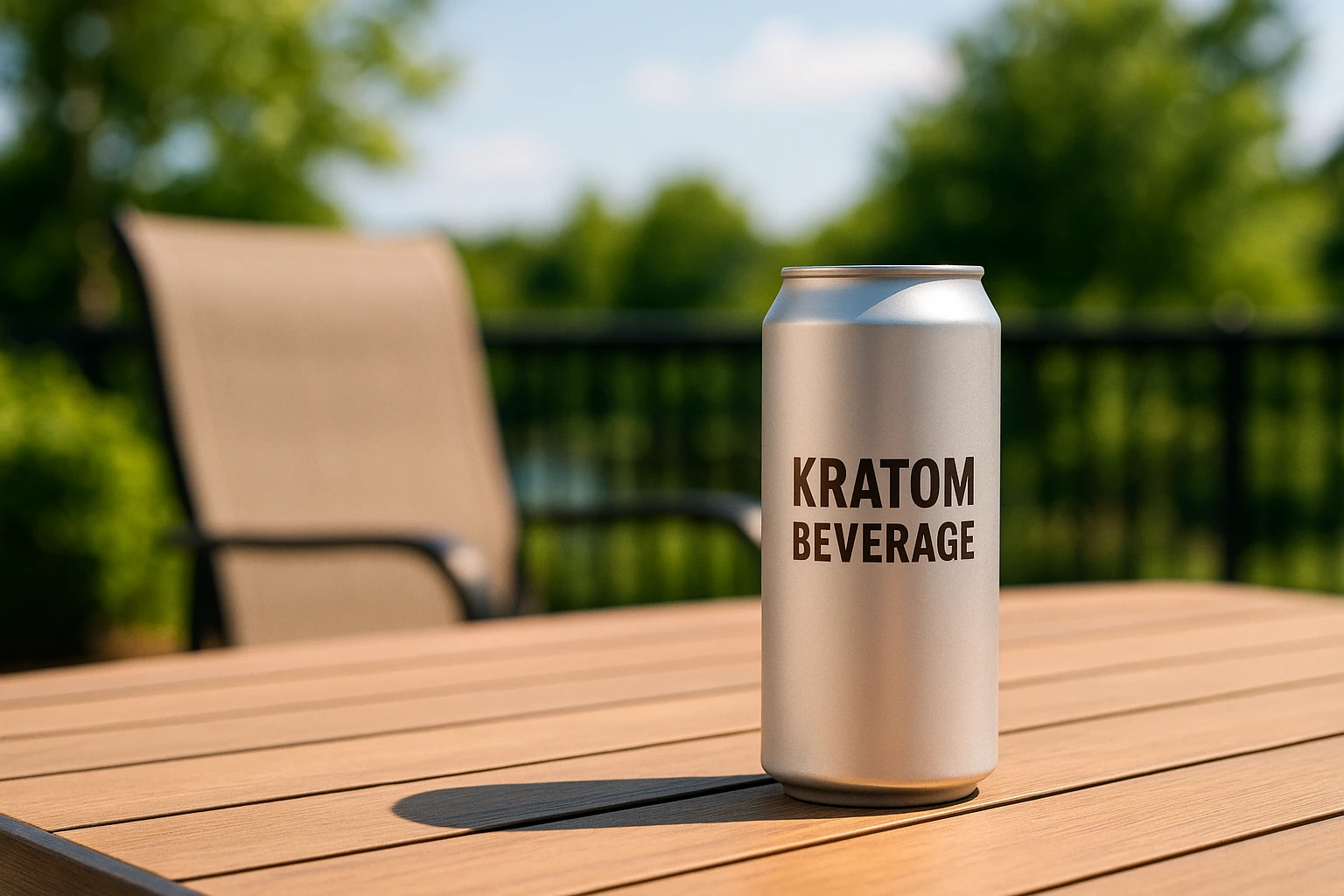

Kratom beverages are transforming the way people engage with this ancient plant medicine, offering a convenient and refreshing way to experience its unique effects. Derived from the leaves of the Mitragyna speciosa tree, native to Southeast Asia, kratom has long been valued for its potential to uplift mood, boost energy, or promote relaxation. Traditionally consumed as a powder or tea, kratom is now making waves online through innovative ready-to-drink options. These beverages combine the plant’s natural properties with modern convenience, appealing to a growing audience seeking accessible plant-based wellness solutions.
The Evolution of Kratom Beverages
Kratom has a rich history rooted in Southeast Asian cultures, where workers chewed fresh leaves or brewed them into tea to enhance stamina during long hours in the fields. This traditional preparation was simple but effective, delivering the plant’s alkaloids directly to the body. However, the bitter taste and time-consuming process of brewing tea limited its appeal for modern consumers. Enter kratom beverages: pre-packaged, ready-to-drink options that eliminate the need for preparation while offering a more palatable experience.
The shift to ready-to-drink formats reflects a broader trend in the beverage industry, where convenience and portability are paramount. Much like energy drinks or bottled smoothies, kratom beverages cater to busy lifestyles, allowing users to enjoy their benefits on the go. These products are typically crafted with kratom extracts or powders, blended with water, natural sweeteners, or fruit flavours to mask the plant’s earthy bitterness. The result is a refreshing drink that fits seamlessly into daily routines, whether as a morning pick-me-up or an evening wind-down.
Why Ready-to-Drink Kratom Beverages Are Gaining Popularity
The surge in popularity of kratom beverages stems from their ease of use and versatility. Unlike powders, which require measuring and mixing, or capsules, which can feel clinical, ready-to-drink options offer instant gratification. Consumers simply open a bottle or can and enjoy, making them ideal for those new to kratom or seeking a hassle-free experience. This convenience appeals to a wide range of users, from wellness enthusiasts to individuals exploring plant-based alternatives for relaxation or focus.
Another factor driving their rise is the variety of flavours available. Manufacturers have embraced creativity, infusing kratom beverages with fruit, citrus, or herbal notes to enhance palatability. Popular options include tropical blends like mango or pineapple, as well as berry and citrus combinations that appeal to diverse tastes. These flavours not only make the drinks more enjoyable but also broaden their appeal, attracting consumers who might shy away from traditional kratom preparations.
How Kratom Beverages Are Made
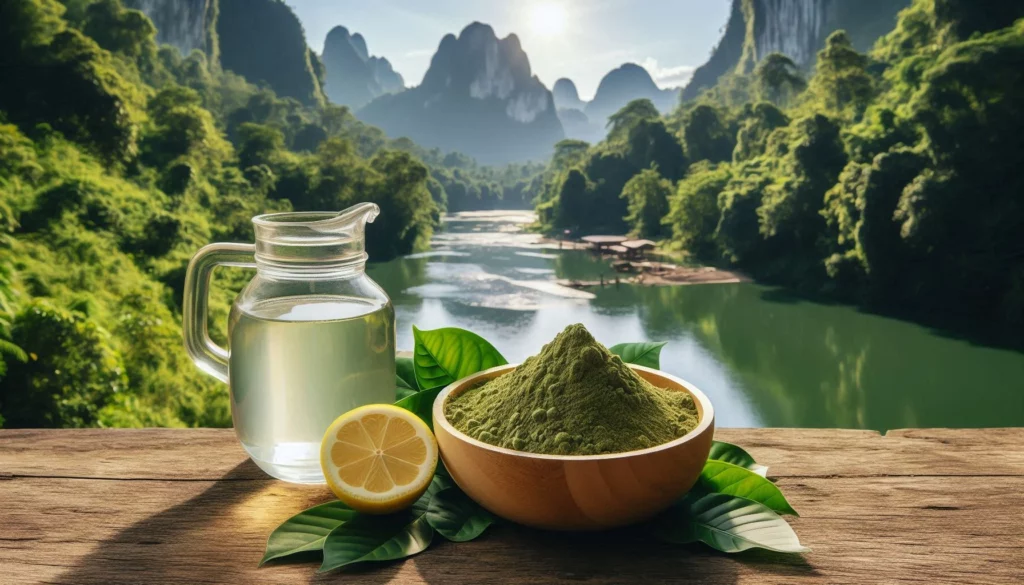
Creating a high-quality kratom beverage requires careful attention to sourcing, processing, and formulation. The process begins with the Mitragyna speciosa leaves, which are harvested from mature trees in regions like Indonesia, Malaysia, or Thailand. The leaves contain active compounds, primarily mitragynine and 7-hydroxymitragynine, which contribute to kratom’s effects. These leaves are dried and ground into a fine powder or processed into a concentrated extract, depending on the desired potency of the final product.
To craft a ready-to-drink beverage, manufacturers blend kratom powder or extract with a liquid base, typically water or juice. Sweeteners like honey, agave, or stevia are often added to balance the plant’s natural bitterness, while fruit extracts or essential oils enhance the flavour profile. Some brands incorporate additional botanicals, such as kava or chamomile, to complement kratom’s effects and create a more complex sensory experience. The mixture is then pasteurized or bottled under strict quality controls to ensure safety and consistency.
The potency of kratom beverages varies depending on the concentration of alkaloids. Some products are designed for mild stimulation, using lower doses of kratom, while others target relaxation with higher concentrations. Manufacturers often provide dosage information on labels, helping consumers choose a product that aligns with their needs. This transparency is crucial, as it empowers users to make informed decisions about their consumption.
The Appeal of Flavoured Kratom Beverages
One of the standout features of ready-to-drink kratom beverages is their diverse flavour profiles. The natural taste of kratom is often described as earthy or bitter, which can be off-putting for newcomers. To address this, producers have developed an array of flavours that make the drinks more approachable. Tropical flavours like mango, pineapple, or passionfruit are popular for their bright, refreshing qualities, while berry blends offer a tart, familiar taste. Citrus-infused options, such as lemon or grapefruit, provide a zesty kick that pairs well with kratom’s herbal notes.
These flavours do more than just mask bitterness; they transform kratom beverages into enjoyable drinks that rival mainstream sodas or energy drinks. For example, a mango-flavoured kratom seltzer might evoke the feeling of a tropical getaway, while a berry-infused drink could feel like a healthy alternative to sugary beverages. This focus on flavour has helped kratom beverages carve out a niche in the competitive beverage market, appealing to both seasoned kratom users and curious newcomers.
Beyond taste, the sensory experience of kratom beverages adds to their appeal. Many are carbonated, offering a fizzy texture that enhances refreshment. Others are crafted as still drinks, resembling herbal teas or infused waters. This variety ensures that consumers can find a product that suits their preferences, whether they crave a sparkling pick-me-up or a soothing, non-carbonated option.
The Role of Kratom Beverages in Wellness Routines
Kratom beverages have found a place in the daily routines of those seeking natural ways to support their well-being. Depending on the strain and dosage, kratom can produce a range of effects, from mild stimulation to relaxation. Green vein strains, for example, are often associated with increased focus and energy, making them a popular choice for morning or midday beverages. Red vein strains, on the other hand, are favored for their calming properties, ideal for evening relaxation.
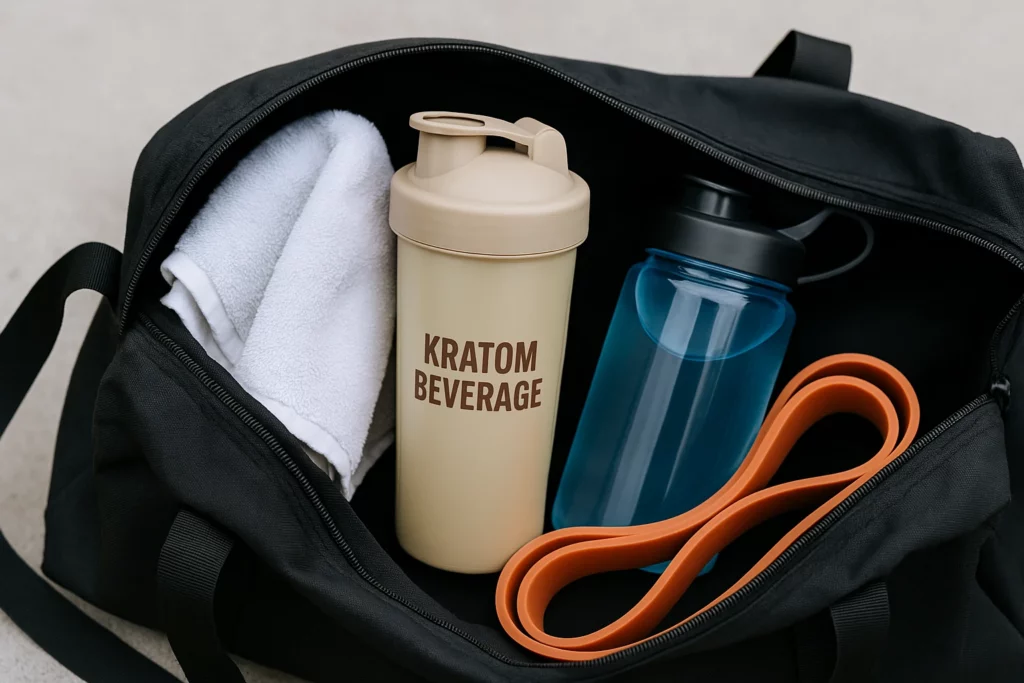
Ready-to-drink kratom beverages make it easy to incorporate these effects into a busy schedule. A student might sip a green kratom seltzer while studying for exams, while someone unwinding after a long day might choose a red kratom-infused juice. The portability of these drinks allows users to tailor their consumption to their needs, whether at home, work, or on the go.
Navigating the Legal Landscape of Kratom Beverages in Canada
In Canada, kratom occupies a complex legal space. While it is not regulated under the Controlled Drugs and Substances Act, Health Canada has not approved kratom for medicinal use or as a natural health product. This means that kratom cannot be marketed for consumption, and products intended for ingestion may face scrutiny at the border. However, kratom is often sold for non-consumptive purposes, such as aromatherapy or research, allowing vendors to navigate these restrictions.
For consumers, this legal ambiguity underscores the importance of purchasing kratom beverages from reputable sources. High-quality vendors prioritize transparency, providing lab-tested products that ensure purity and safety. Consumers should look for clear labeling, including ingredient lists and dosage recommendations, to make informed choices. Understanding the legal context helps users approach kratom beverages responsibly, ensuring they align with personal wellness goals while staying mindful of regulatory guidelines.
The Future of Kratom Beverages
The future of kratom beverages looks promising as innovation continues to drive the market. One emerging trend is the development of low-calorie or sugar-free options, catering to health-conscious consumers who want to enjoy kratom without added sugars. These products often use natural sweeteners or focus on clean, minimal ingredient lists, appealing to those prioritizing wellness.
Another trend is the rise of combination beverages that blend kratom with other plant-based ingredients. Kava, a root known for its relaxing properties, is a popular addition, creating drinks that offer a balanced experience of energy and calm. These hybrid beverages reflect the industry’s focus on creating synergistic blends that enhance the overall effect.
Sustainability is also shaping the future of kratom beverages. As demand grows, ethical sourcing practices are becoming a priority. Some brands work directly with farmers in Southeast Asia to ensure fair trade and environmentally friendly harvesting methods. This commitment to sustainability resonates with consumers who value transparency and ethical production.
Challenges and Considerations for Consumers
While kratom beverages offer exciting possibilities, consumers should approach them with awareness. The lack of regulation in Canada means that product quality can vary widely. To ensure safety, users should choose brands that provide third-party lab testing results, verifying the absence of contaminants and the accuracy of alkaloid content. Reading reviews and researching vendors can also help identify trustworthy sources.
Dosage is another important consideration. Kratom’s effects are dose-dependent, with low amounts producing stimulating effects and higher amounts promoting relaxation. Ready-to-drink beverages typically include dosage guidelines, but individual responses vary. Starting with a small serving and gradually adjusting based on personal experience is a prudent approach.
Consumers should also be mindful of potential interactions with other substances. Combining kratom with medications, alcohol, or other supplements may lead to unexpected effects, so consulting a healthcare professional is advisable, especially for those with pre-existing conditions. Staying informed about kratom’s effects and limitations empowers users to integrate these beverages safely into their routines.

FAQ
Q: What makes kratom beverages different from other kratom products?
A: Kratom beverages stand out due to their ready-to-drink format, which eliminates the need for preparation. Unlike powders that require mixing, these beverages offer instant convenience. The ease it creates makes them a popular choice for both new and experienced users.
Q: Are kratom beverages safe to consume regularly?
A: When sourced from reputable vendors, kratom beverages can be consumed safely, but moderation is key. Always choose products with third-party lab testing to ensure purity and avoid contaminants. Responsible use and attention to dosage guidelines help ensure a positive experience.
Q: How do I know which kratom beverage is right for me?
A: Choosing a kratom beverage depends on your desired effect and taste preferences. Green vein strains are ideal for energy and focus, while red veins promote relaxation. White veins offer a balanced effect. Consider flavours that suit your palate, such as tropical or citrus, and check labels for strain and dosage information.
Q: Can kratom beverages be part of a daily wellness routine?
A: Yes, kratom beverages can fit into a wellness routine, provided they’re used thoughtfully. Their portability makes them easy to incorporate into busy schedules, whether for a morning boost or evening calm. Pairing them with healthy habits, like balanced nutrition and exercise, can enhance their benefits. Always monitor your usage and consult a professional if you have health concerns.
Q: What should I look for in a high-quality kratom beverage?
A: Look for products from vendors who provide third-party lab testing to confirm purity and alkaloid content. Check for clear labeling that includes the kratom strain, dosage, and ingredients. Opt for brands that use natural sweeteners or flavours and prioritize ethical sourcing. Customer reviews can also offer insights into taste, quality, and overall reliability.
Conclusion
Kratom beverages represent a dynamic fusion of tradition and modernity, offering a convenient and flavourful way to explore the potential of this plant. From their cultural roots in Southeast Asia to their growing popularity in North America, these ready-to-drink options are redefining how people engage with kratom. With diverse flavours, innovative formulations, and a focus on wellness, kratom beverages are poised to remain a vital part of the plant medicine landscape.
As the market continues to evolve, consumers can look forward to even more creative and sustainable options. Whether you’re a long time kratom user or a curious newcomer, these beverages offer an accessible entry point into the world of plant-based wellness. By choosing high-quality products and staying informed, you can enjoy the benefits of kratom beverages while honoring their rich cultural heritage. The rise of ready-to-drink kratom is just beginning, and its future is as refreshing as the drinks themselves.
Disclaimer
The information provided in this blog is for informational purposes only and should not be considered medical advice. Kratom (Mitragyna speciosa) is a botanical substance that has not been approved by Health Canada or other regulatory authorities for medicinal or therapeutic use. The safety, efficacy, and long-term effects of kratom consumption, including in beverage form, have not been fully studied or established by scientific research.
Kratom may produce varying effects depending on dosage, strain, and individual physiology, including stimulation, relaxation, or other side effects. Potential risks associated with kratom use include nausea, dizziness, constipation, dependency, or interactions with other substances such as medications, alcohol, or supplements. Combining kratom with other substances may lead to adverse effects and should be avoided unless under the guidance of a qualified healthcare professional.
Always consult a licensed healthcare provider before incorporating kratom beverages or any kratom products into your routine, especially if you have pre-existing medical conditions, are pregnant or breastfeeding, or are taking medications. Consumers should be aware of the legal status of kratom in their region and purchase from reputable vendors who provide third-party lab testing to ensure product purity and safety. The authors and publishers of this blog are not liable for any adverse effects, consequences, or legal issues arising from the use of kratom or kratom beverages.