


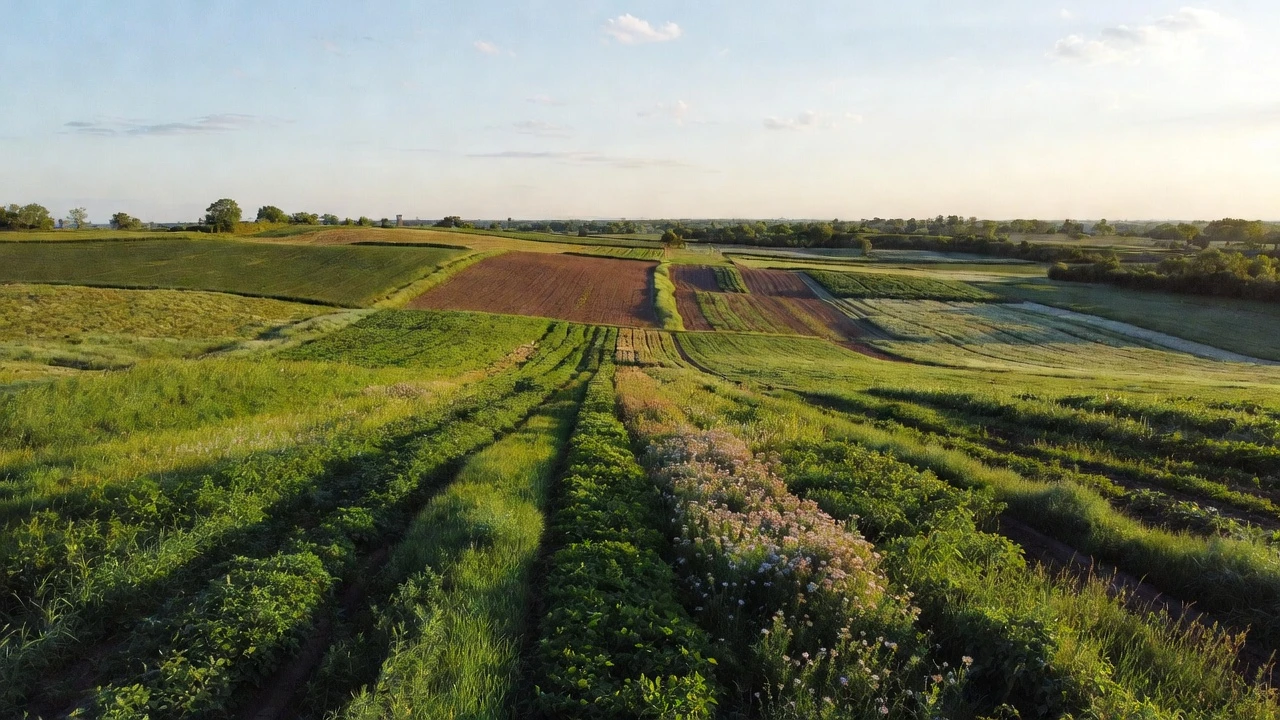

In an era of increasing concern over soil degradation, climate variability, and the long-term viability of agriculture, many farmers are turning to holistic practices that restore rather than deplete the land. Regenerative agriculture stands out as one of the most promising of these approaches. It represents a forward-thinking philosophy that prioritizes the active restoration and enhancement of natural ecosystems instead of simply extracting resources from them.
At its heart, this method works to rebuild soil vitality, increase biodiversity, and establish resilient farming systems capable of delivering high-quality crops consistently over many seasons. Unlike conventional farming, which frequently depends on heavy tillage, synthetic fertilizers, and other intensive inputs to sustain output, regenerative agriculture aligns with natural processes to cultivate healthier land and stronger plants. This alignment proves especially valuable for medicinal plants, where soil quality plays a direct and decisive role in determining the vitality, consistency, and overall character of the harvest.
What Is Regenerative Agriculture?
Regenerative agriculture is a holistic land management philosophy that focuses on improving the entire ecosystem rather than maximizing short-term yields alone. It treats the farm as a living system where soil, plants, animals, water, and even human communities interact dynamically. The goal extends beyond sustainability (simply maintaining the status quo) to active regeneration, meaning soils become healthier, more fertile, and more capable of supporting life year after year.
This approach draws from ecological principles observed in natural systems, such as grasslands or forests, where cycles of growth, decay, and renewal maintain balance without external inputs. Farmers adopting regenerative methods aim to enhance soil structure, boost microbial activity, improve water cycles, and capture atmospheric carbon. These outcomes support consistent crop performance while reducing environmental degradation.
Core Principles of Regenerative Agriculture
Several foundational principles guide regenerative agriculture. While practices vary by region, climate, and crop type, these principles remain consistent.
Minimizing Soil Disturbance
One of the most important principles involves reducing or eliminating tillage. Conventional tillage breaks apart soil aggregates, accelerates organic matter decomposition, and releases stored carbon into the atmosphere. It also exposes soil to erosion and disrupts networks of fungi and bacteria that help plants access nutrients.
By adopting no-till or reduced-till methods, farmers preserve soil structure and allow earthworms, microbes, and mycorrhizal fungi to thrive. These organisms improve nutrient cycling, enhance water infiltration, and build stable aggregates that resist compaction. For medicinal plants, which often prefer well-aerated, biologically active soils, minimal disturbance creates a favorable environment for steady root development and compound accumulation.
Keeping the Soil Covered Year-Round
Bare soil after harvest leads to erosion, moisture loss, and temperature extremes at the surface. Regenerative farmers address this by planting cover crops (such as clover, rye, vetch, or radishes) during seasons when main crops are not growing. Cover crops protect the soil from wind and rain, suppress weeds through competition or allelopathy, and add biomass that decomposes into organic matter.
This practice also prevents nutrient leaching, where rain washes away soluble elements like nitrogen. As cover crop roots penetrate the soil, they create channels that improve drainage and aeration. When these plants die back or are terminated, their residues form a natural mulch that retains moisture and feeds soil life. In medicinal plant cultivation, consistent soil cover helps maintain even moisture and temperature, supporting uniform growth and reducing stress-related variability.
Maintaining Living Roots as Long as Possible
Living roots supply continuous energy to the soil through exudates (sugars, amino acids, and other compounds that nourish microbes). This “liquid carbon” pathway fuels microbial activity, which in turn releases nutrients and builds humus, the stable form of organic matter.
Regenerative systems keep roots active year-round through cover crops, diverse rotations, or perennial integrations. Fallow periods, common in conventional farming, halt this energy flow and slow biological processes. Continuous root presence enhances microbial diversity, improves disease suppression, and increases overall soil resilience. Medicinal plants benefit from this sustained biological activity, as diverse microbial communities can enhance nutrient availability and help plants cope with environmental fluctuations.
Increasing Biodiversity Above and Below Ground
Monocultures limit ecological interactions and increase vulnerability to pests, diseases, and weather extremes. Regenerative agriculture counters this by incorporating crop diversity through rotations, polycultures, or companion planting.
Diverse plantings create varied root architectures that penetrate different soil depths, improving structure and water movement. They also attract beneficial insects, pollinators, and predators that naturally regulate pest populations. Below ground, plant diversity supports a wider range of microbes and fungi, leading to more efficient nutrient cycling and stronger symbiotic relationships.
For growers of medicinal plants, biodiversity reduces the need for interventions while providing natural synergies. Companion species can improve soil conditions or provide shade, helping sensitive herbs thrive in balanced ecosystems.
Integrating Animals Where Appropriate
Livestock integration mimics natural grazing patterns found in healthy grasslands. Managed rotational grazing distributes manure evenly, tramples residues into the soil, and stimulates plant regrowth. Animals contribute to fertility without synthetic fertilizers, while their movement prevents overgrazing and promotes root regrowth.
Not every medicinal plant farm includes animals, but those that do often experience enhanced soil structure, increased organic matter from manure, and better nutrient distribution. This practice adds complexity to the system but can significantly accelerate regeneration when implemented thoughtfully.
Reducing Reliance on Synthetic Inputs
Regenerative agriculture prioritizes biological fertility and pest management over chemical solutions. Compost, green manures, and diverse rotations supply nutrients naturally, while biodiversity and healthy soils reduce pest pressure. When inputs are needed, they are used sparingly and strategically. This shift decreases environmental impacts, breaks dependency cycles, and allows soils to self-regulate over time. Medicinal plant growers particularly value this approach, as it aligns with producing clean, high-quality material free from unnecessary residues.
How Regenerative Practices Improve Soil Health
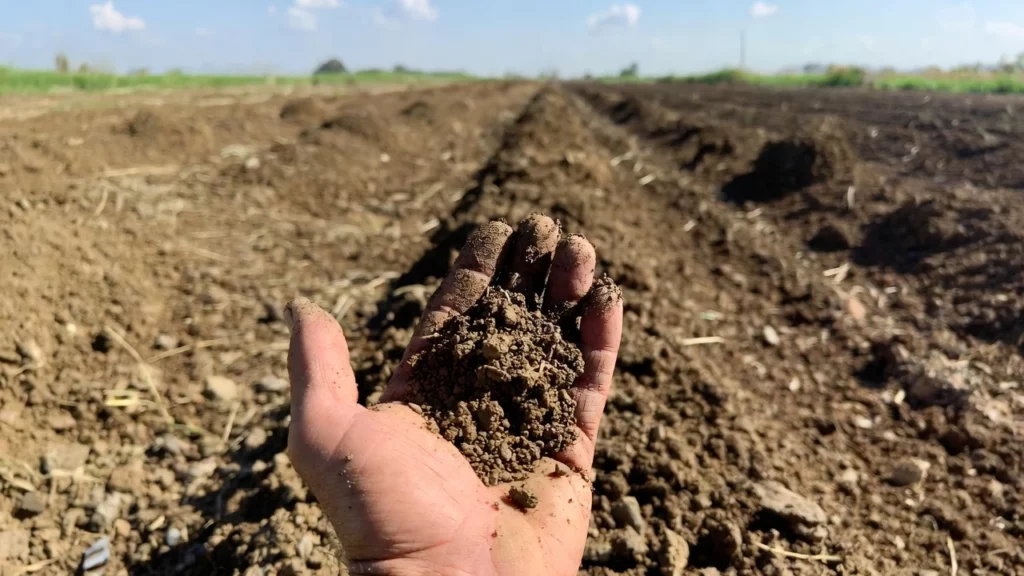
Soil health forms the foundation of regenerative agriculture. Practices that build organic matter create crumbly, resilient soil capable of supporting vigorous plant growth. Organic matter accumulation improves aggregation, where soil particles clump together into stable structures. These aggregates resist erosion, allow better water infiltration during heavy rains, and hold moisture longer during dry periods. Higher organic matter also increases cation exchange capacity, enabling soil to retain and release nutrients gradually.
Microbial communities flourish in regenerative systems, breaking down residues, cycling nutrients, and forming partnerships with roots. Mycorrhizal fungi extend root reach, accessing phosphorus and other elements that plants might otherwise struggle to obtain. Earthworms and other macroorganisms create pores that enhance aeration and drainage.
These changes make soils more forgiving. They buffer against drought by storing water, resist compaction from machinery or foot traffic, and recover faster from disturbances. For medicinal plants, which can be sensitive to soil imbalances, healthier soils translate to stronger plants with more consistent development.
Carbon Sequestration and Climate Benefits
Healthy soils in regenerative systems serve as effective carbon sinks by drawing atmospheric carbon dioxide into stable, long-term storage. This process accelerates through several interconnected practices:
- Photosynthesis and root exudates: Plants capture CO₂ during photosynthesis and transfer a portion below ground via roots, where exudates (sugars and organic compounds) feed soil microbes and contribute to carbon buildup.
- No-till preservation: Avoiding tillage protects existing soil carbon stocks by minimizing disturbance that would otherwise expose and oxidize organic matter, releasing stored carbon back into the atmosphere.
- Cover crops and diverse rotations: These add fresh biomass inputs year-round, increasing organic matter deposition and supporting microbial activity that converts plant material into stable humus.
- Livestock integration: Managed grazing and manure distribution incorporate organic residues into the soil, enhancing decomposition and carbon incorporation without synthetic additions.
- Reduced synthetic inputs: Lower reliance on chemical fertilizers and pesticides supports biological processes that favour carbon retention over loss.
Over time, these practices enable regenerative farms to accumulate meaningful amounts of carbon in stable soil forms, delivering dual advantages:
- Climate mitigation: Sequestered carbon removes CO₂ from the atmosphere, helping offset agricultural emissions and contributing to broader climate goals.
- Soil fertility enhancement: Carbon-rich organic matter improves structure, nutrient holding capacity, and water retention, creating positive feedback loops that sustain higher productivity and resilience.
- Resilience to extremes: Enhanced water-holding capacity and nutrient dynamics help farms better withstand drought, heavy rains, or temperature fluctuations.
While sequestration rates vary by soil type, climate, and management, these mechanisms position regenerative agriculture as a practical contributor to both climate stability and productive, healthy land.
Enhancing Biodiversity and Ecosystem Resilience
Biodiversity is both a driver and outcome of regenerative agriculture. Diverse plants feed varied microbes, which support diverse insects and wildlife. This creates balanced food webs where pests are naturally controlled and pollinators thrive. Above-ground diversity attracts birds and beneficial insects that prey on problem species. Below ground, rich microbial life suppresses pathogens and improves nutrient availability. These interactions build resilience against extremes like heavy rains, prolonged dry spells, or temperature swings.
In medicinal plant systems, ecological balance reduces outbreak risks and supports steady maturation, helping maintain desirable characteristics in the harvest.
Impacts on Yield Stability and Quality
Transitioning to regenerative methods sometimes involves an adjustment period as soils rebuild. Initial yields may vary, but established systems often show greater stability, especially under stress. Healthier soils retain water better during droughts and drain excess during floods, buffering against weather variability. Plants in biologically rich environments grow more evenly, with efficient resource use leading to consistent quality.
For medicinal plants, this means harvests with reliable potency and uniformity, as balanced nutrition supports even compound expression. Many growers report improved resilience and reduced losses over time.
Water Management Advantages
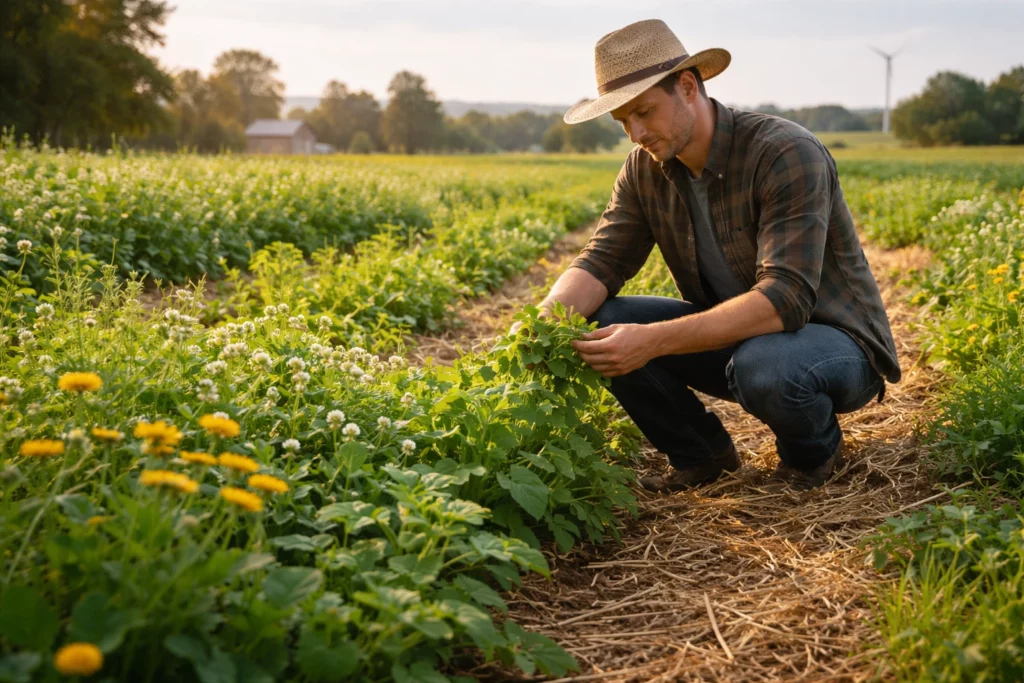
Regenerative practices transform water dynamics. Improved infiltration reduces runoff, recharging groundwater and minimizing erosion. Higher organic matter holds water like a sponge, providing reserves during dry periods. Cover crops and residues lower evaporation, while diverse roots create pathways for deeper percolation. These changes create more drought-tolerant systems and reduce irrigation needs. In regions with variable rainfall, reliable soil moisture supports consistent plant growth, crucial for medicinal species that require stable conditions.
Economic and Long-Term Considerations
While upfront changes like new equipment or seed costs can occur, regenerative systems often lower input expenses over time. Reduced fertilizer and pesticide needs, combined with better resilience, decrease risks from market or weather fluctuations. Stable yields and potential access to premium markets for regeneratively produced goods can improve profitability.
Many farmers find greater satisfaction in stewarding land that improves rather than degrades. Challenges include learning curves, experimentation, and patience during transitions. Yet growing resources, farmer networks, and recognition of benefits encourage adoption.
Challenges and Transition Strategies for Regenerative Agriculture
Shifting to regenerative agriculture offers substantial long-term gains, but the transition period often involves real challenges that require careful planning. Yields can dip temporarily (typically in the first 2–4 years) as soils adjust from synthetic inputs to biological processes. Nutrient availability shifts while microbial communities rebuild, and this adjustment phase can affect early harvests, particularly for medicinal plants sensitive to inconsistent conditions during establishment.
Financial strain is another common hurdle. Upfront costs for cover crop seeds, no-till equipment adjustments, or biological amendments add up, while input savings emerge gradually. Smaller medicinal herb operations may feel this pressure more acutely if revenue dips before any potential market premiums for regenerative products materialize.
Knowledge gaps also slow progress. Regenerative methods demand new skills (timing cover crops, interpreting soil biology, designing rotations) different from conventional routines. Without local guidance or peer support, adapting principles to specific soils, climates, or herb species can feel uncertain.
Despite these obstacles, several practical strategies ease the transition:
- Start small: Convert one field or a test plot first to experiment, observe soil changes, and maintain income stability elsewhere.
- Seek resources: Join farmer networks, attend workshops, or connect with herbal/botanicals groups for customized advice and mentorship.
- Budget wisely: Plan for initial costs, explore cost-sharing options, or diversify income to bridge the adjustment period.
- Prioritize quick wins: Implement cover cropping or minimal tillage immediately. These deliver visible soil improvements (better infiltration, more earthworms) that build momentum.
- Monitor progress: Use simple soil observations, basic testing, and yield records to refine practices iteratively.
With thoughtful preparation, these strategies help growers navigate the transition, turning short-term challenges into steady improvements in soil health, resilience, and ultimately more consistent medicinal plant quality.
Why This Matters for Medicinal Plants
Medicinal plants frequently evolved in diverse, undisturbed habitats with rich soil life. Regenerative agriculture recreates those conditions, supporting plants that express their full natural potential. Vigorous microbial activity aids nutrient uptake, biodiversity curbs pest issues, and carbon-rich soils provide steady fertility. These factors align with producing high-quality material in ways that respect ecological origins.

FAQ
Q: How long does it typically take for soil health to noticeably improve under regenerative agriculture?
A: Visible improvements, such as better water infiltration, increased earthworm activity, and crumblier soil structure, often appear within 1–3 years, depending on starting conditions and consistent practice implementation. Deeper changes, like significant organic matter buildup and carbon sequestration, usually become more pronounced after 3–7 years.
Q: Is regenerative agriculture always more expensive in the beginning?
A: Not necessarily, but upfront costs (cover crop seeds, potential equipment adjustments) are common. Many growers offset this by reducing fertilizer and pesticide purchases early on. Starting small and prioritizing low-cost practices like cover cropping can minimize financial strain during the transition.
Q: Can regenerative methods really increase medicinal plant potency or consistency?
A: While direct compound levels depend on many factors, healthier, biologically active soils often support more even growth, stronger plants, and more consistent harvests. Growers frequently report improved uniformity and plant vigor once soils stabilize, aligning with the natural conditions many medicinal species evolved in.
Q: Do I need livestock to make regenerative agriculture work for medicinal herbs?
A: No. Livestock integration can accelerate soil building through natural fertility, but many successful operations rely solely on cover crops, compost, diverse rotations, and minimal disturbance. The core principles are flexible and can be adapted to herb-focused systems without animals.
Q: How does regenerative agriculture differ from organic farming?
A: Organic farming prohibits synthetic inputs and focuses on avoidance of certain practices. Regenerative agriculture goes further by actively improving soil health, biodiversity, and ecosystem function, often incorporating organic principles but emphasizing outcomes like carbon sequestration, water cycle enhancement, and long-term resilience rather than just input restrictions.
Q: Is regenerative agriculture suitable for small-scale medicinal plant growers?
A: Yes. Many small farms and herb producers successfully adopt regenerative methods by starting on a portion of their land, using simple practices like cover cropping and no-till, and gradually scaling up. The approach is highly adaptable to limited acreage and diverse herb species.
Conclusion
Regenerative agriculture continues to evolve as farmers adapt principles to local contexts. Innovations in cover crop blends, grazing management, and monitoring expand possibilities. The focus remains on measurable outcomes: healthier soils, resilient ecosystems, and sustainable production. As more operations adopt these methods, cumulative benefits grow, contributing to restored landscapes and reliable supplies of quality plants. Regenerative agriculture offers a practical pathway to address soil degradation while supporting productive, balanced farming for the future.
Disclaimer
The information provided in this article about regenerative agriculture, its principles, practices, and potential benefits for soil health, ecosystem resilience, and the cultivation of medicinal plants is intended for educational and informational purposes only. It discusses farming methods aimed at improving land stewardship and plant quality in an agricultural context and does not constitute medical advice, health recommendations, or a substitute for professional healthcare guidance.
Medicinal plants and herbs have been used traditionally for various purposes, but their use for health, therapeutic, or medicinal effects can carry risks. The safety, efficacy, appropriate dosage, potential interactions with medications, or suitability of any plant or plant-derived preparation can vary significantly based on individual health conditions, allergies, pregnancy, nursing status, age, or concurrent treatments. Claims regarding the potency, consistency, or health-related outcomes of medicinal plants grown under regenerative methods have not been evaluated by regulatory bodies such as the Food and Drug Administration (FDA) or equivalent authorities. No statements herein are intended to diagnose, treat, cure, mitigate, or prevent any disease or medical condition.
Always consult a qualified healthcare professional, such as a licensed physician, pharmacist, or qualified herbal practitioner, before using any medicinal plants, herbal preparations, supplements, or remedies (whether home-grown, wild-harvested, or commercially obtained) for any health purpose. Proper plant identification is essential, as some species may be toxic, misidentified, or interact adversely with health conditions or pharmaceuticals. Self-treatment or reliance on agricultural information for medical decisions can be dangerous.
The author and publisher are not liable for any loss, injury, claim, liability, damages, or adverse consequences, whether direct or indirect, resulting from the use or reliance upon any information, opinion, or suggestion contained in this article.