How QR Codes on Kratom Labels Ensure Lab Transparency
Faust
In Canada’s tightly regulated natural health product market, transparency is crucial for informed consumer choices. Modern kratom labels incorporate QR codes that connect directly to live laboratory results, providing detailed insights into a product’s purity, potency, and safety. By scanning a QR code with a smartphone, users access a batch-specific Certificate of Analysis, enabling decisions based on verified data rather than vague claims.
This technological integration reflects an industry shift toward accountability, ensuring kratom labels meet stringent regulatory standards and consumer demand for clarity. Below, we explore how QR codes transform these labels into gateways for trust and understanding, offering practical value to those navigating the complex world of plant medicines.
Understanding QR Codes on Kratom Labels
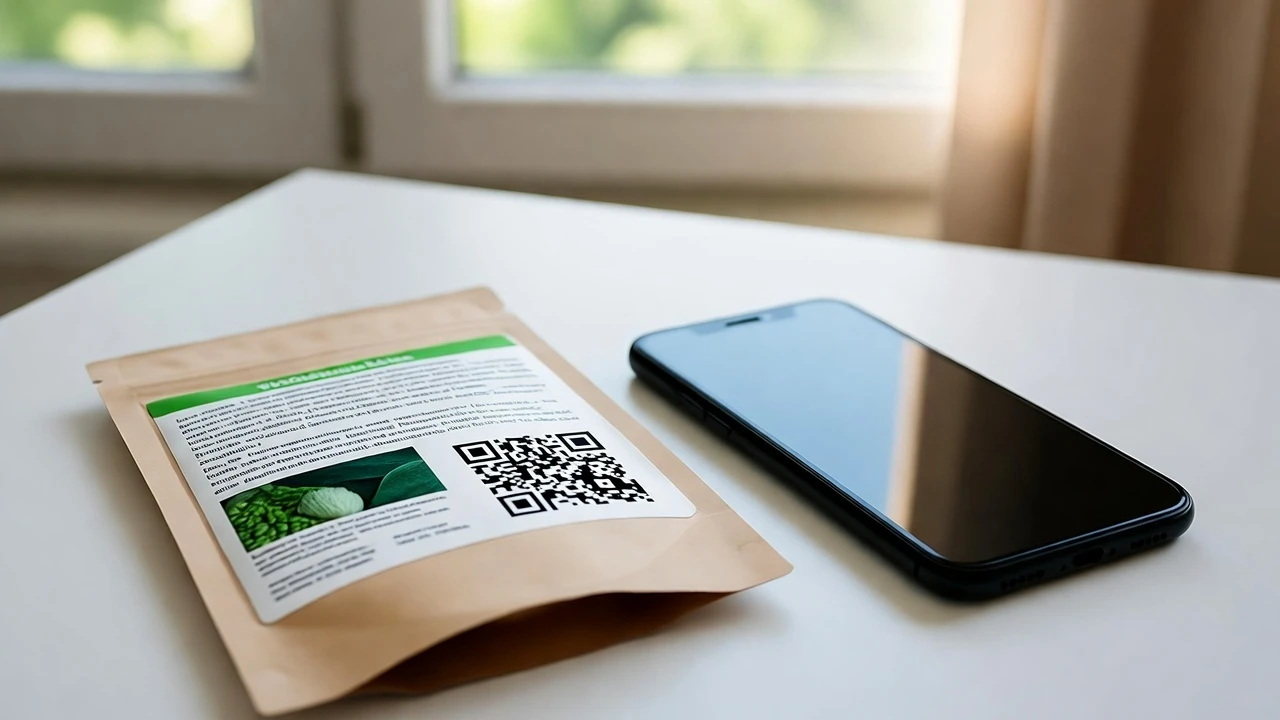
Traditional kratom labels include essential information: the strain (such as Red Bali), net weight, batch number, and cautions like “Keep out of reach of children.” However, physical space constraints limit the ability to include comprehensive lab data without cluttering the design. QR codes, those compact black-and-white patterns printed on kratom labels, address this challenge by linking directly to a digital COA.
When scanned with a smartphone camera, as most modern devices require no additional app, the code directs users to a secure page detailing the batch’s composition, including alkaloid levels, contaminant tests, and safety certifications. Unlike other industries, such as wine or coffee, where QR codes might reveal origin stories, kratom labels leverage them to meet stringent regulatory demands for verifiable safety data, making them uniquely suited to plant medicine users.
Why Lab Results Are Essential for Kratom
Derived from the Mitragyna speciosa tree native to Southeast Asia, kratom exhibits natural variability due to factors like harvest conditions, soil quality, or processing methods. One batch may contain 1.2% mitragynine, the primary alkaloid, indicating a milder effect, while another might reach 1.5%, altering its potency. Contamination risks, such as heavy metals like lead or microbes like salmonella, can also arise during international shipping or storage, particularly for products reaching Canada.
QR codes on kratom labels link to lab results that confirm a batch’s safety and consistency, detailing alkaloid profiles, heavy metal screenings, and microbial tests, all conducted by accredited third-party labs. This transparency allows users to compare strains, understand potential effects, and verify cleanliness, reducing uncertainty. Hosted digitally, these results update in real time, ensuring kratom labels reflect the most current data without requiring costly reprints.
Transparency Trends in Plant Medicine
The use of QR codes on kratom labels aligns with a broader movement toward transparency in herbal products, similar to practices seen with CBD oils or adaptogenic mushrooms. Consumers increasingly demand evidence over claims, driven by the rapid spread of misinformation online. By scanning a QR code, users access the full story of their kratom, from harvest to packaging, building confidence in their purchase.
Unlike some botanicals, such as ginseng, where labels often lack batch-specific data, kratom labels set a higher standard with QR-linked COAs. This trend gained momentum around 2015 in the supplement industry, with kratom vendors adopting QR codes by 2018, influenced by the American Kratom Association’s Good Manufacturing Practices (GMP) standards. In Canada, where Health Canada prohibits unverified health claims, QR codes on kratom labels provide a compliant way to share batch-specific data, meeting regulatory expectations while addressing consumer needs.
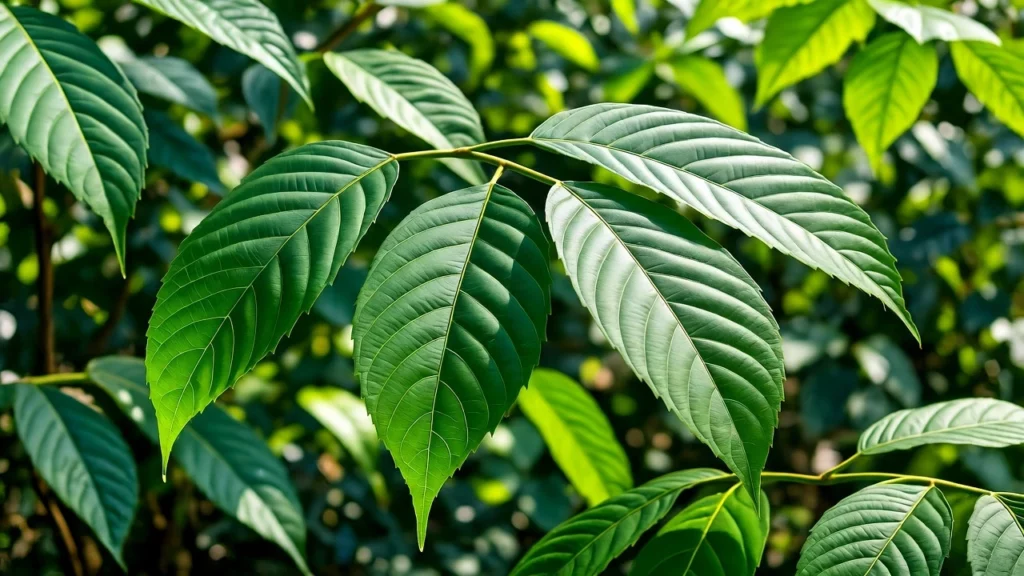
Lush kratom leaves with detailed veins on a branch, set against a backdrop of vibrant greenery.
Implementing QR Codes on Kratom Labels
Adding QR codes to kratom labels involves a precise and methodical process. Each batch undergoes testing at an accredited laboratory, often using techniques like high-performance liquid chromatography to measure alkaloid content and screen for contaminants. Results are uploaded to a secure online portal, and a unique QR code is generated to link directly to that batch’s COA. High-resolution printing, typically via laser or inkjet, ensures the code is scannable even in low-light conditions, with vendors testing across various devices to confirm reliability.
Although the cost of lab testing can strain smaller vendors, the investment enhances credibility. User experience is prioritized, with effective kratom labels linking to COA pages designed for clarity, featuring summaries like “This batch passed microbial testing on [date]” alongside visual aids such as alkaloid graphs or FAQs explaining technical terms, making the information accessible to both newcomers and experienced users.
Compliance with Canada’s Regulatory Framework
In Canada, kratom operates within a regulatory gray area under Health Canada’s natural health product guidelines, requiring labels to avoid medical claims and often include disclaimers like “not for human consumption” to emphasize botanical use. QR codes on kratom labels offer a solution by providing detailed testing data without cluttering the label or violating regulations. This alignment with regulatory standards allows vendors to meet strict requirements while delivering the transparency needed for users to make informed choices in a tightly regulated market.
How Consumer Feedback Shapes QR Code Adoption
Consumer demand for transparency has significantly influenced the adoption of QR codes on kratom labels. Online communities, such as Reddit forums or social media groups, frequently share scanned COA results, creating a culture of accountability that pressures vendors to prioritize clarity. For instance, when users critique overly technical COA pages, vendors respond by simplifying language or adding visuals like alkaloid charts.
In Canada’s multilingual market, feedback has prompted some vendors to offer COAs in French or Indigenous languages, catering to diverse users. This dynamic interaction ensures that kratom labels evolve to meet real-world needs, with companies enhancing QR-linked data based on user input, reinforcing trust and demonstrating that consumer voices directly shape the transparency of kratom labels.
QR Codes vs. Other Transparency Methods
While QR codes are highly effective, other transparency tools exist for kratom labels. Batch numbers allow manual lookups on vendor websites, but this requires navigating menus or typing long codes. Printed COAs, sometimes included with shipments, consume paper and lack real-time updates. Dedicated website portals offer access but demand extra steps to locate batch-specific data.
In contrast, QR codes on kratom labels provide instant, direct access, making them the most efficient option. Compared to organic food labels, which often feature certifications like Canada Organic but lack batch-level detail, kratom labels address Canada’s stringent regulatory demands with QR-linked data, ensuring immediate, verifiable transparency that sets them apart.
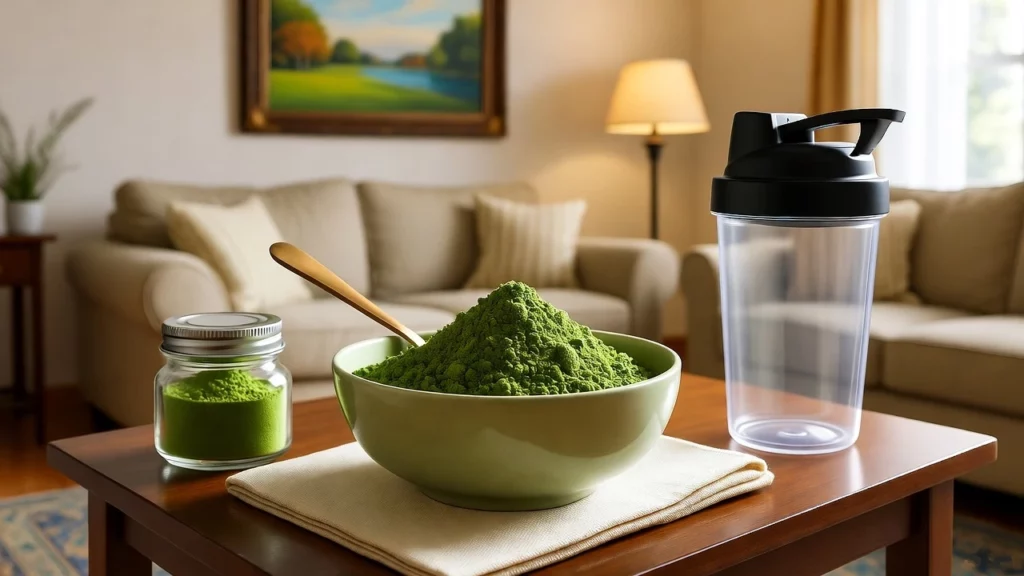
Green kratom powder in a bowl with a wooden spoon, accompanied by a glass jar and shaker bottle on a table.
Practical Guidance for Scanning Kratom Labels
To make the most of QR codes on kratom labels, follow these steps to ensure a smooth scanning experience and verify the authenticity of lab results:
Position your smartphone 6-8 inches from the QR code on the kratom label in even lighting to avoid shadows or glare, ensuring a clear scan.
If the scan fails, adjust the angle or wipe the label to remove smudges. Ensure the camera lens is clean for optimal recognition, as most modern smartphones automatically detect QR codes.
Check the linked COA page for lab credentials, such as ISO accreditation, to confirm legitimacy. For example, a COA might show “0 ppm lead,” indicating the batch’s safety.
For those unable to scan, check the batch number printed on kratom labels and contact the vendor for a manual lab report, ensuring accessibility for all users.
These steps transform kratom labels into practical tools for informed use, providing direct access to verified lab results with minimal effort.
Consumer Benefits of QR-Linked Labels
Accessing a QR code on kratom labels builds confidence by providing tangible proof of quality, reducing uncertainty and encouraging repeat purchases from reliable sources. Over time, users gain insights into strain differences, such as why one batch’s alkaloid profile feels more balanced, enhancing their understanding of kratom’s variability. Sharing COA data within communities can also spark discussions about quality and consistency.
Additionally, digital COAs linked to kratom labels support sustainability by reducing paper use and, in some cases, include environmental data, such as low-impact farming practices that lower carbon footprints, appealing to eco-conscious users and aligning with broader values in the plant medicine community.
Addressing Challenges with QR Codes
While QR codes on kratom labels are highly effective, they face minor challenges that vendors address to ensure accessibility. Some users may lack smartphones with reliable scanning capabilities, although most modern devices handle QR codes seamlessly. Poor lighting or damaged labels can hinder scans, but vendors mitigate this by using high-contrast printing techniques, ensuring codes remain readable even in suboptimal conditions. Privacy concerns are minimal, as reputable QR codes link solely to batch-specific data, avoiding personal tracking.
For those hesitant about technology, batch numbers printed on kratom labels allow manual requests for lab results, maintaining inclusivity. To further enhance reliability, vendors conduct rigorous testing protocols, scanning QR codes across various devices, including iOS, Android, and older models, to confirm functionality under diverse scenarios. Some also invest in consumer education, offering website guides or packaging inserts that explain how to scan and interpret COAs, ensuring kratom labels remain user-friendly and reinforcing trust in the technology.
The Future of Kratom Labeling
The future of QR codes on kratom labels holds potential as technology and consumer expectations evolve, paving the way for innovative approaches to transparency.
Emerging Technologies
Tools like augmented reality (AR) could transform scans into interactive experiences, such as virtual guides on kratom strains or brewing methods, enhancing user engagement. Blockchain technology might create tamper-proof records of lab results, ensuring data integrity across the supply chain.
Regulatory Outlook
In Canada, as natural health product regulations tighten, QR codes could become a standard feature, endorsed for their ability to deliver transparent, compliant information without cluttering kratom labels. This shift would align with Health Canada’s emphasis on verifiable data.
Current Innovations
Some vendors may experiment with dynamic dashboards that allow users to filter COA data by alkaloid or contaminant type, offering personalized insights. Community-driven apps for sharing scan results are also emerging, suggesting kratom labels could become collaborative tools. These developments reflect the industry’s commitment to leveraging technology for transparency, ensuring kratom labels remain at the forefront of plant medicine innovation.
A Historical Perspective on Botanical Labeling
The journey of kratom labels reflects broader changes in botanical markets. In Southeast Asia, handwritten tags once sufficed for local trade. As kratom reached Western markets in the 2000s, simple labels listed strains and weights. Quality concerns in the 2010s, including recalls, prompted stricter standards, with the American Kratom Association’s 2017 GMP guidelines setting a testing benchmark that influenced Canada.
Unlike other botanicals, such as echinacea, where labels often lack detailed testing data, kratom labels have embraced QR codes since 2018, transforming them into dynamic tools for transparency and setting a standard for the industry.
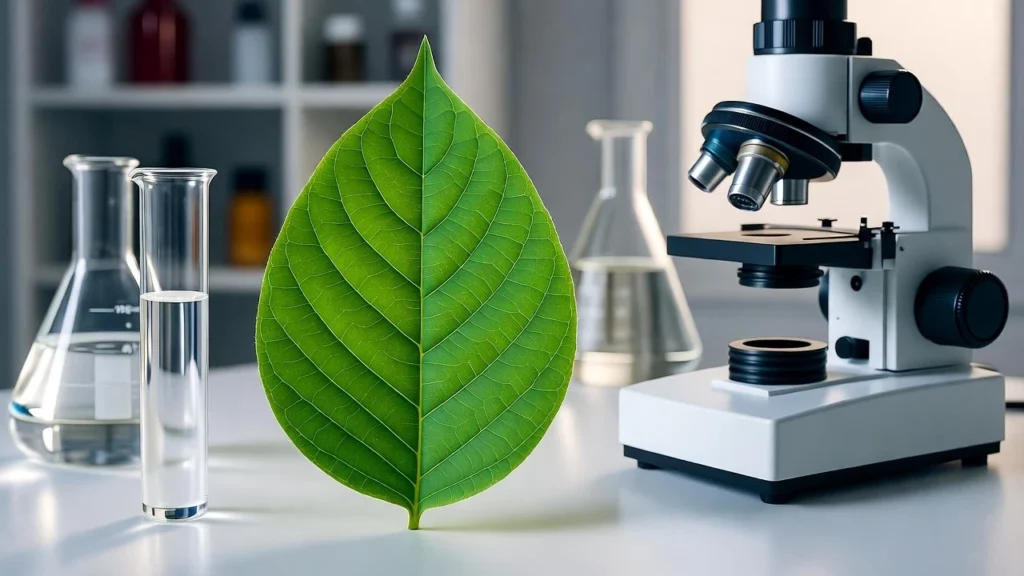
A kratom leaf showcased alongside scientific equipment including a microscope and glassware in a laboratory environment.
Frequently Asked Questions About QR Codes on Kratom Labels
Q: Why do kratom labels use QR codes instead of printed lab results? A: Kratom labels use QR codes to save space, as printed lab results would clutter packaging. Scanning provides instant access to detailed, batch-specific COAs, ensuring transparency while meeting regulatory requirements for concise labeling.
Q: Can I trust the lab results linked to QR codes on kratom labels? A: Yes, reputable vendors link QR codes on kratom labels to COAs from accredited third-party labs, such as those with ISO certification. Always verify lab credentials on the linked page to ensure authenticity.
Q: What if my phone can’t scan the QR code on kratom labels? A: If scanning fails, use the batch number on kratom labels to request a manual COA from the vendor, or check their website for a section that shows their lab test results if posted publically.
Q: How often are lab results updated for QR codes on kratom labels? A: Lab results linked to QR codes on kratom labels are typically batch-specific and updated in real time. If issues arise post-release, vendors can revise digital COAs, ensuring current data without reprinting labels.
Q: Do QR codes on kratom labels track my personal information? A: No, reputable QR codes on kratom labels link only to batch-specific COA data, not personal information. Vendors prioritize privacy, ensuring scans are safe and focused on transparency.
Conclusion
QR codes on kratom labels represent a commitment to transparency, connecting users to live lab results with a single scan. This technology bridges regulatory compliance with consumer empowerment, ensuring kratom labels serve as trusted gateways to quality and safety. By scanning a code and sharing feedback, users contribute to the evolution of these labels, fostering a culture of trust. Next time you encounter a QR code on a kratom label, take a moment to scan it, as you’ll access a wealth of information that enhances your confidence and understanding.
Disclaimer
The information provided on kratom labels, including QR-linked Certificates of Analysis (COAs), is intended solely for informational purposes to ensure transparency regarding product quality, purity, and safety. Kratom is not approved by Health Canada for human consumption or as a medical treatment, and products are sold as botanical specimens only. Consumers should exercise caution, as kratom may carry health risks, including potential side effects such as nausea, dizziness, or dependency with prolonged use.
It is not intended to diagnose, treat, cure, or prevent any disease or medical condition. Individuals with pre-existing medical conditions, those who are pregnant or nursing, or those taking medications should consult a qualified healthcare professional before handling or using kratom. Keep kratom products out of reach of children and pets.
The author and publisher are not liable for any adverse effects, misuse, or consequences arising from the use of kratom or reliance on the information provided. Users assume full responsibility for verifying lab results and ensuring safe use, and vendors are not liable for any adverse effects or misuse. Always adhere to local regulations and guidelines when purchasing or handling kratom products.
On February 16, 2026, select provinces will observe regional holidays.
Canada Post will operate as normal and all shipments will be processed as usual.
FedEx will be closed in Prince Edward Island (Islander Day); Alberta, British Columbia, Ontario, Saskatchewan, and New Brunswick (Family Day); Manitoba (Louis Riel Day); and Nova Scotia (Heritage Day). FedEx shipments to these provinces will move the next business day.