




Preparing for a plant medicine ceremony is a journey that begins long before the ceremony itself. It is a process that invites introspection, intention, and care in creating an environment conducive to profound personal growth. A plant medicine ceremony, whether involving substances like ayahuasca, psilocybin, or other sacred plants, is a deeply personal and transformative experience. The mindset you bring and the setting you create play pivotal roles in shaping the outcome. This blog explores how to approach a plant medicine ceremony with clarity, respect, and openness, offering practical insights to help you navigate this sacred practice.
Understanding the Essence of a Plant Medicine Ceremony
A plant medicine ceremony is a structured ritual that facilitates connection with oneself, the natural world, and often a sense of the divine. These ceremonies, rooted in ancient traditions from cultures across the globe, are designed to foster healing, insight, and spiritual awakening. The term “plant medicine ceremony” encompasses a wide range of practices, each with its own cultural context, but all share a common thread: the use of plant-based substances to facilitate a deeper understanding of life’s mysteries.
The preparation for such a ceremony is not merely logistical but deeply spiritual. It requires aligning your mental, emotional, and physical states to receive the teachings of the plants. By approaching the ceremony with intention and reverence, you create a foundation for a meaningful experience. This preparation involves cultivating a mindset that is open yet grounded and designing a setting that feels safe and sacred.
Cultivating the Right Mindset
Embracing Intention
The cornerstone of preparing for a plant medicine ceremony is setting a clear intention. An intention acts as a guiding light, helping you navigate the often-intense experiences that arise during the ceremony. It is not about expecting a specific outcome but about clarifying why you are embarking on this journey. Are you seeking healing from past trauma? Clarity on a life decision? Or perhaps a deeper connection with your spiritual self? Whatever your reason, articulating it helps anchor your experience.
To set an intention, spend time in quiet reflection. Journaling can be a powerful tool here. Write down what calls you to the ceremony, what you hope to explore, and what you are willing to release. Be honest with yourself, as this honesty will shape the depth of your experience. For example, an intention like “I seek to understand my fears” is more focused than a vague desire to “feel better.” Keep your intention simple and revisit it in the days leading up to the ceremony.
Managing Expectations
While intention sets the direction, managing expectations is equally important. Plant medicine ceremonies can be unpredictable. You may experience profound insights, emotional releases, or even moments of discomfort. Approaching the ceremony with an open mind, free from rigid expectations, allows you to flow with the experience. Trust that the plants will reveal what you need, not necessarily what you want.
One way to manage expectations is to educate yourself about the specific plant medicine you will be working with. Understanding its effects, cultural significance, and potential challenges can demystify the process. Speak with experienced facilitators or participants, if possible, to gain insight into what the ceremony might entail. This knowledge helps you approach the experience with curiosity rather than apprehension.
Emotional Preparation
A plant medicine ceremony often brings buried emotions to the surface. Preparing emotionally means acknowledging your current state without judgment. Are you carrying stress, grief, or unresolved conflicts? Take time to process these feelings beforehand through practices like meditation, breathwork, or therapy. This creates emotional space, allowing you to enter the ceremony with greater clarity.
Forgiveness, both of yourself and others, can also be a powerful preparatory step. Holding onto resentment or guilt can surface during the ceremony, potentially clouding your experience. Consider writing a letter to someone (even if you don’t send it) or engaging in a forgiveness meditation to release emotional burdens. This practice fosters a lighter, more receptive mindset.
Spiritual Grounding
For many, a plant medicine ceremony is a spiritual journey. Grounding yourself spiritually can help you feel connected and supported. This might involve prayer, connecting with nature, or engaging with practices that resonate with your beliefs. If you have a spiritual practice, deepen it in the weeks leading up to the ceremony. For example, spending time in nature, creating an altar, or practicing gratitude can strengthen your spiritual foundation.
If you’re new to spiritual practices, explore what feels authentic. You don’t need to adopt a specific belief system; simply cultivating a sense of reverence for the process can be enough. Reflect on what “sacred” means to you and how you can honour that during the ceremony.
Crafting the Ideal Setting
The Importance of a Safe Space
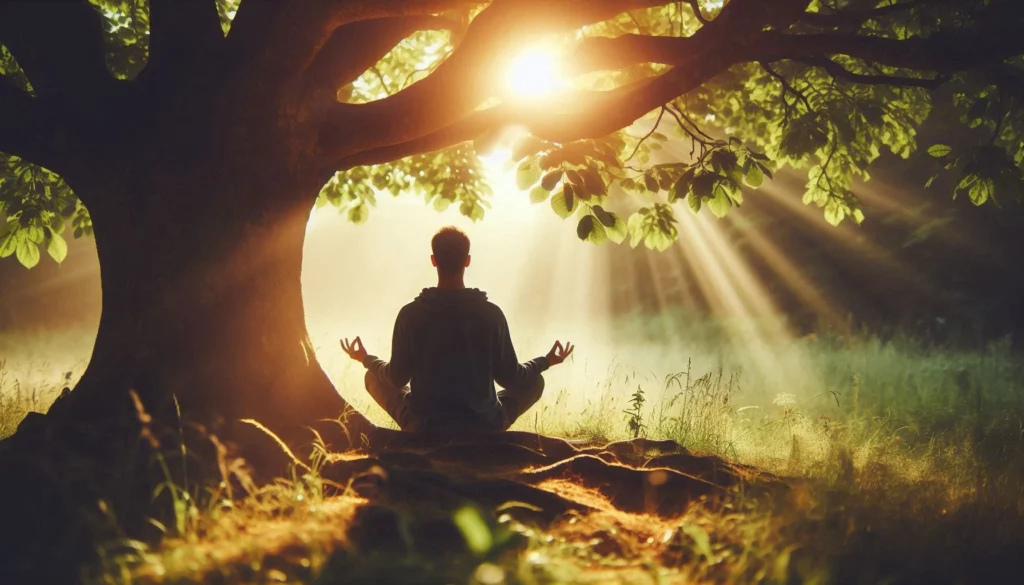
The setting of a plant medicine ceremony is as critical as your mindset. A safe, comfortable environment allows you to relax and surrender to the experience. Traditionally, ceremonies are held in natural settings or spaces designed to feel sacred, such as a quiet retreat center or a ceremonial lodge. The setting should feel like a sanctuary, free from distractions and external pressures.
If you’re participating in a group ceremony, ensure the facilitators are experienced and trustworthy. Research their background, read reviews, or speak with past participants to confirm they create a safe and supportive environment. If you’re preparing a personal ceremony, choose a location where you feel at ease, whether it’s a quiet room in your home or a secluded spot in nature.
Physical Comfort
Physical comfort is essential for staying present during the ceremony. Ensure the space is clean, quiet, and free from clutter. Consider elements like temperature, lighting, and seating. Soft blankets, cushions, or a comfortable mat can make a significant difference. If the ceremony involves lying down for extended periods, ensure you have a supportive surface.
Pay attention to sensory details. Dim lighting or candles can create a calming atmosphere, while harsh fluorescent lights might feel jarring. Some ceremonies incorporate music or sound, such as drumming or chanting, to guide the experience. If you’re preparing your own space, choose sounds that resonate with you, whether it’s gentle instrumental music or the natural sounds of the environment.
Cultural and Ritual Elements
Many plant medicine ceremonies draw from specific cultural traditions, each with its own rituals and symbols. For example, an ayahuasca ceremony might include icaros (sacred songs) sung by a shaman, while a peyote ceremony might involve a fire circle. If you’re participating in a culturally specific ceremony, take time to learn about its traditions and protocols. This shows respect for the practice and helps you feel more connected to the experience.
If you’re creating your own ceremony, you can incorporate elements that feel meaningful. This might include lighting a candle to mark the beginning, smudging the space with sage or palo santo, or placing objects like crystals or photographs on an altar. These rituals help signal to your mind and body that you’re entering a sacred space.
Minimizing Distractions
Distractions can pull you out of the ceremonial experience, so take steps to minimize them. Turn off phones and other devices, and let others know you’ll be unavailable. If you’re in a group setting, ensure the facilitators have clear guidelines for maintaining a focused environment. For personal ceremonies, choose a time when you’re unlikely to be interrupted, such as early morning or late evening.
If you’re in an outdoor setting, consider natural distractions like weather or insects. Bring appropriate clothing, bug repellent, or a canopy to stay comfortable. The goal is to create a space where you can fully immerse yourself in the experience without external concerns.
Practical Preparations
Physical Preparation
Your physical state can influence your experience during a plant medicine ceremony. Many traditions recommend a period of dietary cleansing beforehand, often called a dieta. This might involve avoiding heavy foods, alcohol, caffeine, or processed sugars for a set period, typically a few days to a week. The purpose is to cleanse your body and heighten your sensitivity to the plant medicine.
Hydration is also key. Drink plenty of water in the days leading up to the ceremony, but avoid overhydrating immediately before, as this can lead to discomfort. If the ceremony involves fasting, follow the facilitator’s guidelines carefully. Rest is equally important. Aim for quality sleep to ensure you’re physically prepared.
Logistical Considerations
If you’re attending a ceremony away from home, plan your travel and accommodations in advance. Arrive early to settle in and avoid feeling rushed. Bring essentials like a journal, water bottle, and comfortable clothing. If the ceremony involves an overnight stay, ensure you have a safe way to return home afterward, as you may feel altered or tired. For personal ceremonies, gather any materials you’ll need, such as the plant medicine itself (sourced responsibly and legally), ritual items, or a playlist. Double-check local laws and regulations regarding the use of plant medicines, as these vary widely by region.
Support System
Having a support system can enhance your preparation. If you’re working with a facilitator, they may provide guidance or check-ins before the ceremony. For personal ceremonies, consider informing a trusted friend or family member about your plans, even if they’re not directly involved. Having someone to talk to afterward can help you integrate the experience.
Integration is a critical part of the plant medicine journey. The insights and emotions that arise during the ceremony may take time to process. Plan to have a quiet day or two afterward to reflect, journal, or engage in gentle activities like walking or yoga. Some people find it helpful to work with a therapist or coach to explore the ceremony’s impact.
Navigating Challenges
Addressing Fear and Anxiety
It’s natural to feel nervous before a plant medicine ceremony, especially if it’s your first time. Fear often stems from the unknown or concerns about losing control. Acknowledge these feelings without letting them dominate your mindset. Practices like deep breathing, visualization, or talking with a trusted friend can help ease anxiety.
If you’re working with a facilitator, discuss any concerns beforehand. They can offer reassurance and explain how they’ll support you during the ceremony. If you’re preparing alone, remind yourself that the plant medicine is a tool for growth, not something to fear. Trust in your preparation and intention to guide you.
Handling Intense Emotions
Plant medicine ceremonies can bring up intense emotions, from joy to sorrow. Preparing for this possibility involves building emotional resilience. Practices like mindfulness meditation or somatic exercises can help you stay grounded when emotions arise. During the ceremony, remind yourself that all emotions are temporary and part of the healing process.
If you’re in a group setting, the presence of others can be comforting, as they’re likely experiencing similar intensities. Facilitators are trained to hold space for these moments, so lean on their expertise if needed. For personal ceremonies, have tools like a journal or soothing music on hand to navigate challenging moments.
Respecting the Medicine
Approaching plant medicine with respect is essential. These substances have been used for centuries by indigenous cultures and carry deep cultural and spiritual significance. Avoid treating the ceremony as a recreational experience or a quick fix. Instead, view it as a partnership with the plant, where you’re open to its teachings. This respect extends to how you source the medicine. Ensure it comes from ethical, sustainable sources and that you’re aware of its cultural context. If you’re unsure about sourcing or protocols, consult with knowledgeable practitioners or elders from the tradition.
Integrating the Experience
The work of a plant medicine ceremony doesn’t end when the ritual concludes. Integration is the process of making sense of what you experienced and applying it to your life. This might involve reflecting on insights, changing habits, or deepening your spiritual practice. Journaling is a powerful tool for integration. Write about what you felt, saw, or learned during the ceremony.
Consider sharing your experience with a trusted friend, therapist, or integration circle. These conversations can help you articulate and process the ceremony’s impact. Be patient with yourself, as integration can take weeks or even months. Avoid rushing back to a hectic routine; give yourself space to let the experience settle.
Some people find that creative outlets, like art or music, help them express what words cannot. Others turn to nature, finding that walks or time spent outdoors helps them feel connected to the ceremony’s lessons. Whatever method you choose, the goal is to honour the experience by weaving its insights into your daily life.

Frequently Asked Questions About Preparing for a Plant Medicine Ceremony
Q: How long should I prepare for a plant medicine ceremony?
A: Preparation time varies, but most traditions recommend one to two weeks of intentional preparation. This includes setting intentions, following a dietary cleanse (if advised), and engaging in emotional or spiritual practices. Starting early allows you to approach the ceremony with clarity and focus.
Q: Can I participate in a plant medicine ceremony alone?
A: Yes, personal ceremonies are possible, but they require careful planning. Ensure you have a safe, distraction-free setting and a clear understanding of the plant medicine’s effects. Having a trusted friend or guide available for support, even remotely, is wise, especially for first-time experiences.
Q: What should I bring to a plant medicine ceremony?
A: Bring essentials like a journal, water bottle, comfortable clothing, and any ritual items that feel meaningful, such as a small altar object. If attending a group ceremony, check with facilitators for specific requirements, like blankets or a mat for comfort.
Q: How do I choose a trustworthy facilitator for a plant medicine ceremony?
A: Research facilitators thoroughly. Look for experience, training, and positive reviews from past participants. Ask about their approach to safety and support. Trusted facilitators prioritize participant well-being and respect the cultural traditions of the plant medicine.
Q: What if I feel overwhelmed during a plant medicine ceremony?
A: Feeling overwhelmed is common. Ground yourself with slow breathing or focus on your intention. In group settings, facilitators can provide guidance. For personal ceremonies, have calming tools like music or a journal ready, and remind yourself that intense moments are temporary.
Honouring the Journey
Preparing for a plant medicine ceremony is a deeply personal and transformative process. It asks you to look within, confront your fears, and open yourself to the unknown. By cultivating a mindful, intentional mindset and creating a safe, sacred setting, you lay the groundwork for a meaningful experience. The journey doesn’t end with the ceremony itself. It’s a continuous process of growth, reflection, and integration.
As you prepare, trust in your ability to navigate this path. The plants are teachers, offering wisdom that can guide you toward healing and self-discovery. Approach the ceremony with humility, respect, and curiosity, and you’ll create space for profound transformation. Whether it’s your first ceremony or one of many, each experience is an opportunity to deepen your connection to yourself and the world around you.
Disclaimer
Participation in a plant medicine ceremony involves inherent risks and should be approached with caution and responsibility. The information provided in this blog is for educational and informational purposes only and is not intended as medical, psychological, or legal advice. Plant medicines, such as ayahuasca, psilocybin, or others, can have profound physical, emotional, and psychological effects, which may include intense emotional experiences, physical discomfort, or unpredictable reactions.
Individuals with pre-existing medical conditions, including but not limited to heart disease, high blood pressure, mental health disorders, or a history of seizures, should consult a qualified healthcare professional before participating in a plant medicine ceremony. Pregnant or breastfeeding individuals should avoid these substances due to potential risks to themselves and their child. The use of plant medicines may interact with medications, including antidepressants, and could lead to serious health complications.
Engaging in a plant medicine ceremony without proper preparation, guidance, or aftercare can lead to adverse outcomes, including psychological distress or physical harm. Always prioritize safety by choosing a reputable facilitator, preparing adequately, and ensuring a support system for integration post-ceremony. The author and publisher of this blog are not liable for any outcomes resulting from the use of this information. You assume full responsibility for your decision to participate in a plant medicine ceremony and any consequences that may arise.