


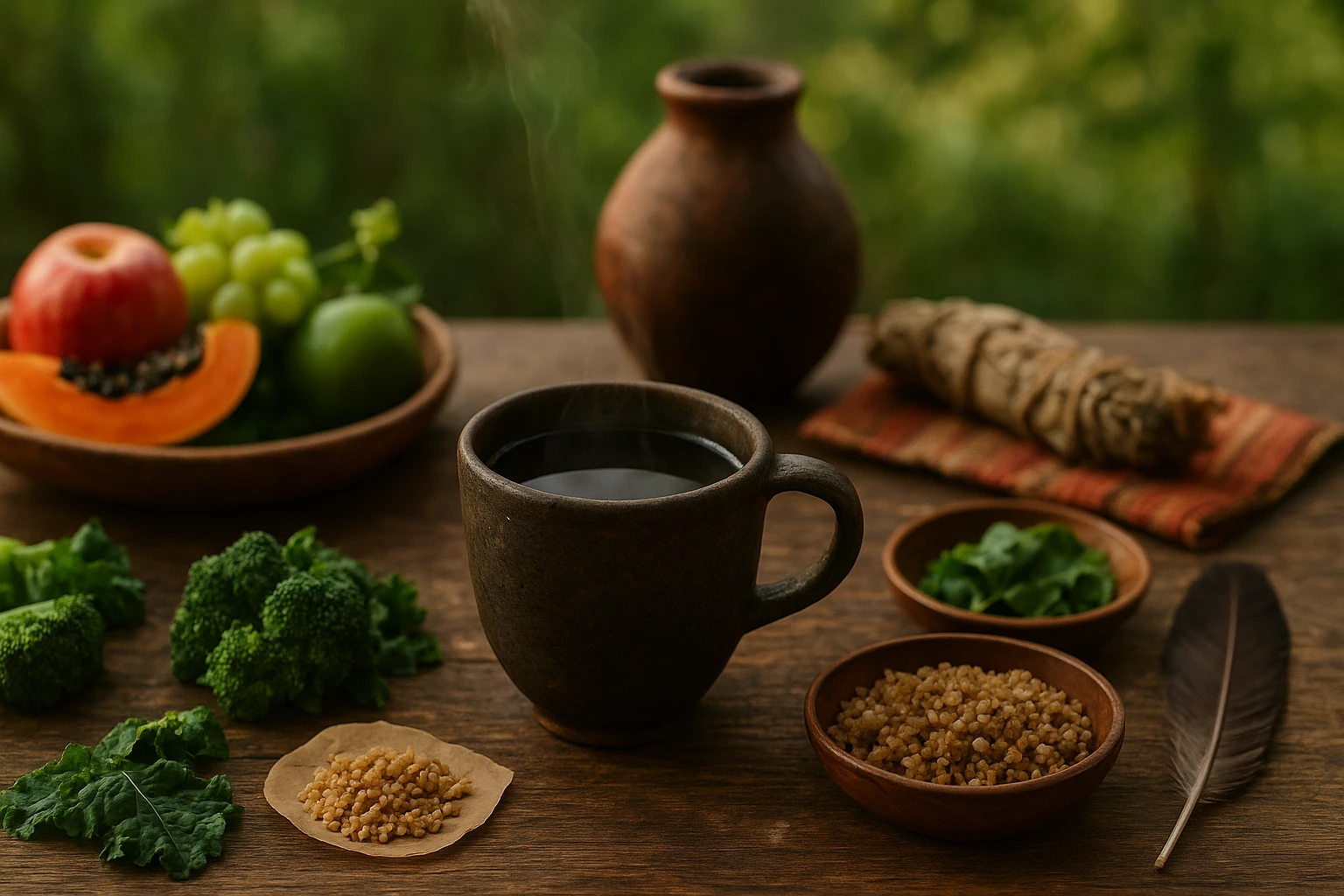

The journey with plant medicines, such as those used in ceremonial or therapeutic settings, is deeply personal and transformative. A critical yet often overlooked aspect of this journey is the role of diet before and after plant medicine sessions. A well-considered plant medicine diet can enhance the experience, support physical and emotional well-being, and promote lasting integration of insights gained during the session. Nutrition acts as a foundation, preparing the body and mind for the profound work of plant medicines and aiding in recovery afterward.
Understanding the Connection Between Diet and Plant Medicine
Plant medicines, often derived from sacred plants like ayahuasca, psilocybin mushrooms, or peyote, interact with the body and mind in complex ways. These substances can heighten sensory perception, alter consciousness, and facilitate deep emotional and spiritual processing. The foods we consume before and after engaging with these medicines can significantly influence their effects, as well as the body’s ability to process and integrate the experience.
Before a session, the body needs to be in a state of balance and clarity. Certain foods can interfere with the medicine’s effects, overburden the digestive system, or exacerbate physical discomfort during the session. After a session, the body and mind are often in a sensitive state, requiring nourishment that supports recovery, stabilizes energy, and builds emotional grounding. A thoughtful plant medicine diet addresses these needs, creating a supportive environment for the work of plant medicines.
Preparing the Body: Pre-Session Nutrition
The preparation phase for a plant medicine session begins days, or even weeks, before the actual experience. Diet plays a pivotal role in this preparation, as it can influence physical comfort, mental clarity, and the body’s ability to metabolize the medicine.
Foods to Emphasize Before a Session
A clean, simple diet is often recommended in the days leading up to a plant medicine session. The goal is to reduce strain on the digestive system and promote a state of physical lightness. Fresh fruits and vegetables, whole grains, and lean proteins are ideal choices. Leafy greens, such as spinach and kale, provide essential vitamins and minerals that support overall health. Root vegetables, like sweet potatoes and carrots, offer grounding energy and slow-releasing carbohydrates to maintain stable blood sugar levels.
Hydration is equally important. Drinking plenty of water helps flush toxins from the body and supports the liver and kidneys, which play a role in metabolizing plant medicines. Herbal teas, such as chamomile or peppermint, can soothe the digestive system and promote relaxation without introducing stimulants.
Foods to Avoid Before a Session
Certain foods can interfere with the plant medicine experience and should be avoided. Heavy, processed foods, such as fried items, sugary snacks, or refined carbohydrates, can burden the digestive system and cause sluggishness. These foods may also contribute to inflammation, which can amplify physical discomfort during a session.
Stimulants, such as caffeine and alcohol, are typically discouraged. Caffeine can heighten anxiety or disrupt the calm mental state needed for plant medicine work, while alcohol can dehydrate the body and impair liver function. For some plant medicines, particularly ayahuasca, specific dietary restrictions, known as a “dieta,” are recommended. This may include avoiding foods high in tyramine, such as aged cheeses, cured meats, and fermented products, as these can interact with the medicine and cause adverse effects.
Spicy foods, red meat, and dairy are also often avoided, as they can be difficult to digest and may contribute to nausea or discomfort during the session. The focus should be on simplicity, allowing the body to enter the experience with minimal digestive demands.
Timing and Portion Control
In the 24 to 48 hours before a session, meals should be light and easy to digest. Small, frequent meals can help maintain energy levels without overwhelming the stomach. Many traditions recommend fasting or eating minimally in the hours immediately before a session to ensure the body is not preoccupied with digestion. However, fasting should be approached cautiously and tailored to individual needs, as low blood sugar can lead to dizziness or fatigue.

Supporting the Mind: Mental Preparation Through Diet
Diet influences not only the physical body but also the mental and emotional state. Plant medicine sessions often require a clear and receptive mind, and certain foods can support this mental preparation. Foods rich in omega-3 fatty acids, such as chia seeds, flaxseeds, or walnuts, promote brain health and may enhance cognitive clarity. Complex carbohydrates, found in foods like quinoa or brown rice, provide steady energy to support focus and emotional stability.
Conversely, foods high in sugar or artificial additives can contribute to mood swings or mental fog. By prioritizing whole, nutrient-dense foods, individuals can cultivate a sense of calm and grounding, which is essential for approaching plant medicine work with intention and presence.
Post-Session Nutrition: Nurturing Recovery and Integration
After a plant medicine session, the body and mind are often in a heightened state of sensitivity. The experience may have been physically taxing, emotionally intense, or energetically draining. A thoughtful plant medicine diet in the days following the session can support recovery, replenish energy, and help integrate the insights gained.
Replenishing the Body
Plant medicine sessions can be physically demanding, sometimes involving purging, sweating, or extended periods of physical exertion. Replenishing electrolytes and nutrients is a priority. Coconut water, rich in potassium and magnesium, is an excellent choice for rehydration. Broths or soups made from vegetables and herbs can provide nourishment without overwhelming the digestive system.
Protein is essential for repairing tissues and restoring energy. Light sources, such as lentils, tofu, or eggs, are often easier to digest than heavier meats. Healthy fats, found in avocados, nuts, or olive oil, can support brain function and stabilize energy levels.
Supporting Emotional Grounding
The emotional intensity of a plant medicine session can leave individuals feeling raw or vulnerable. Foods that promote serotonin production, such as those rich in tryptophan (e.g., turkey, bananas, or oats), can support emotional stability. Warm, comforting foods, like porridge or vegetable stews, can provide a sense of grounding and safety during this sensitive time.
Caffeine and alcohol should continue to be avoided post-session, as they can disrupt sleep and exacerbate emotional volatility. Herbal teas, such as lavender or lemon balm, can promote relaxation and support restful sleep, which is critical for processing the experience.
Integrating Insights Through Mindful Eating
The integration phase of a plant medicine journey involves reflecting on and applying the lessons learned during the session. Mindful eating can be a powerful tool for integration, as it encourages presence and intentionality. Preparing meals with care, savouring each bite, and expressing gratitude for the nourishment can mirror the intentionality of the plant medicine experience.
Incorporating foods that resonate with the individual’s cultural or personal traditions can also foster a sense of connection and continuity. For example, someone with a deep connection to their heritage might find comfort in preparing ancestral recipes, while others might explore new plant-based dishes that align with their evolving values.
Cultural and Traditional Perspectives on Diet
Many cultures that work with plant medicines have developed specific dietary practices to enhance the experience. In Amazonian traditions, the ayahuasca dieta is a cornerstone of preparation and integration. This dieta often involves abstaining from certain foods, such as pork, alcohol, and spicy dishes, for weeks before and after a ceremony. The dieta is seen as a way to purify the body, deepen the connection to the plant spirit, and cultivate discipline and respect for the medicine.
Similarly, in some Mesoamerican traditions, fasting or consuming simple foods like corn or cacao before a session with psilocybin mushrooms is common. These practices are rooted in the belief that a clean body and mind allow for a clearer channel to receive the medicine’s teachings. While these traditional practices offer valuable wisdom, they may not be suitable for everyone. Individuals should consult with facilitators, health professionals, or elders familiar with the specific plant medicine to tailor dietary practices to their needs.

Listening to the Body
Every individual’s body responds differently to plant medicines, and dietary needs may vary. Some people may feel energized and clear after a session, while others may feel depleted or emotionally fragile. Paying attention to the body’s signals is essential when crafting a plant medicine diet. Cravings for certain foods may indicate specific nutritional needs, such as a desire for sweet fruits signaling low blood sugar or a craving for hearty soups suggesting a need for warmth and grounding.
Journaling about food choices and their effects before and after sessions can help individuals identify patterns and refine their approach. For example, someone might notice that heavy meals before a session lead to discomfort, while light, plant-based meals enhance clarity.
Practical Tips for Crafting a Plant Medicine Diet
Creating a plant medicine diet requires intention and flexibility. Here are some practical steps to guide the process:
- Plan Ahead: Begin adjusting your diet at least a week before the session to allow the body to adapt. Focus on whole, unprocessed foods and eliminate potential irritants like caffeine or alcohol.
- Stay Hydrated: Drink plenty of water and herbal teas to support detoxification and maintain energy levels. Aim for at least eight glasses of water daily, adjusting based on activity level and climate.
- Choose Simple Meals: Opt for meals that are easy to digest, such as steamed vegetables, rice, or smoothies. Avoid complex dishes with multiple ingredients that may tax the digestive system.
- Honor Sensitivities: After a session, be mindful of foods that might trigger discomfort. For example, if dairy causes bloating, opt for plant-based alternatives like almond or oat milk.
- Practice Gratitude: Approach meals with a sense of reverence, recognizing food as a source of nourishment and connection. This mindset can enhance the integration process.
Long-Term Dietary Considerations
The insights gained from plant medicine sessions often inspire lasting changes in lifestyle, including diet. Many people find that their relationship with food shifts, with a greater appreciation for whole, plant-based foods and a reduced desire for processed or unhealthy options. This shift can be seen as an extension of the plant medicine’s teachings, encouraging a more mindful and sustainable approach to nourishment.
Incorporating more plant-based meals, reducing reliance on stimulants, and prioritizing local, seasonal ingredients can align with the values of respect and connection often emphasized in plant medicine work. Over time, these dietary changes can support overall health, enhance energy levels, and deepen the sense of harmony with the natural world.

Frequently Asked Questions About a Plant Medicine Diet
Q: Why is a plant medicine diet important for sessions?
A: A plant medicine diet prepares the body and mind for the session by reducing digestive strain, promoting clarity, and minimizing discomfort. It supports the body’s ability to process the medicine and enhances the overall experience by fostering a balanced physical and emotional state.
Q: How long should I follow a plant medicine diet before a session?
A: The duration varies depending on the plant medicine and tradition. For example, ayahuasca dietas often recommend one to two weeks of preparation, while other practices may suggest three to seven days. Consult with your facilitator for specific guidance tailored to the medicine and your needs.
Q: Can I eat normally right after a plant medicine session?
A: It’s best to ease back into normal eating gradually. The body is often sensitive after a session, so light, nutrient-rich foods like soups, fruits, and vegetables are ideal for the first day or two. Avoid heavy, processed, or stimulating foods to support recovery.
Q: What should I do if I have dietary restrictions or health conditions?
A: If you have dietary restrictions or health conditions, work with a healthcare professional or facilitator to adapt the plant medicine diet to your needs. For example, those with diabetes may need to avoid fasting, while those with allergies can substitute restricted foods with safe alternatives.
Q: How does hydration impact a plant medicine session?
A: Proper hydration supports detoxification, maintains energy, and aids the body in processing the medicine. Dehydration can lead to fatigue or discomfort, so drinking water and herbal teas before and after the session is crucial.
Q: Can a plant medicine diet improve integration after a session?
A: Yes, a mindful diet can support integration by promoting emotional stability and physical vitality. Eating nutrient-dense, comforting foods and practicing mindful eating can help ground the insights gained during the session.
Conclusion
A thoughtfully crafted plant medicine diet is more than a set of dietary guidelines; it is an act of intention and respect for the profound work of plant medicines. By preparing the body with clean, nourishing foods before a session and supporting recovery with gentle, grounding meals afterward, individuals can enhance the depth and clarity of their experience. This approach honors the wisdom of traditional practices while allowing for personalization based on individual needs.
The role of diet in plant medicine sessions is a reminder of the interconnectedness of body, mind, and spirit. By choosing foods that align with the goals of healing and transformation, individuals can create a supportive foundation for their journey, fostering physical vitality, emotional balance, and spiritual clarity. Whether embarking on a first plant medicine session or deepening an existing practice, a mindful approach to nutrition can amplify the medicine’s gifts and pave the way for lasting growth.
Disclaimer
The information provided in this blog about plant medicine diets is intended for informational and educational purposes only and should not be considered medical, health, or safety advice. The consumption of plant medicines and adherence to specific dietary practices can have significant effects on physical and mental health, and these effects vary widely among individuals. Certain foods, fasting, or dietary restrictions may pose risks, particularly for individuals with pre-existing medical conditions, allergies, or specific nutritional needs, such as diabetes or other metabolic disorders.
Engaging with plant medicines can also carry inherent risks, including physical discomfort, psychological distress, or interactions with medications or underlying health conditions. Always consult with a qualified healthcare professional, such as a doctor before making significant changes to your diet or engaging in plant medicine practices.
Additionally, work with experienced facilitators or practitioners familiar with the specific plant medicine to ensure safety and proper guidance. The authors and publishers of this content are not responsible for any adverse effects or consequences resulting from the use of the information provided, and individuals undertake such practices at their own risk.