


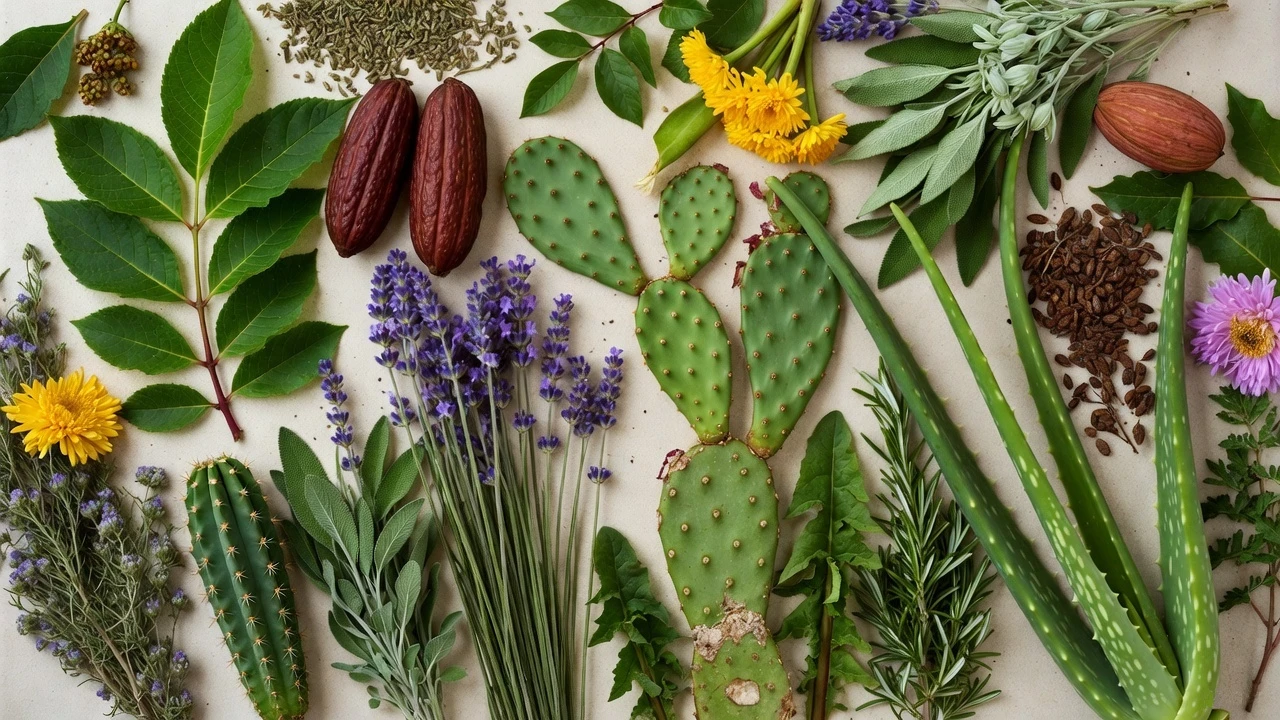

Humans have long sought ways to organize and understand the vast array of healing plants found in nature. From ancient healing traditions to cutting-edge scientific research, diverse systems have emerged to categorize these natural resources, each revealing unique perspectives on their properties, relationships, and potential uses. While no single universal hierarchy exists for all plant medicines, the various frameworks overlap in fascinating ways, offering clarity and depth to anyone exploring this field.
These approaches bridge centuries of traditional knowledge with modern insights, helping us appreciate how different cultures and disciplines interpret the same plants. Scientific methods rely on evolutionary hierarchies, while traditional practices often emphasize sensory qualities, energetic effects, or philosophical principles. Plant medicine classification thus becomes a rich tapestry that reflects both empirical observation and cultural wisdom. Exploring these systems highlights the remarkable diversity of thought surrounding healing plants.
The Foundation: Botanical Taxonomy and Its Hierarchical Structure
At the core of modern plant classification lies botanical taxonomy, a hierarchical system rooted in evolutionary relationships. Developed over centuries and refined through tools like DNA analysis, this framework organizes all living organisms, including medicinal plants, into nested categories.
The Linnaean system, named after Carl Linnaeus, establishes the basic ranks: kingdom, phylum (or division for plants), class, order, family, genus, and species. Plants fall under the kingdom Plantae, with most medicinal ones in the division Magnoliophyta (flowering plants). This hierarchy reflects shared characteristics; plants in the same family often share similar chemical profiles, which can influence their medicinal potential.
For instance, many plants used for their calming effects belong to families like Lamiaceae (mint family), which includes lavender, lemon balm, and sage. These share aromatic compounds that contribute to their soothing properties. Similarly, the Asteraceae family (daisies) encompasses echinacea and other species valued for immune support.
This taxonomic hierarchy proves invaluable for identifying plants accurately and predicting potential uses based on relatives. It ensures consistency across global research and trade, preventing confusion from common names that vary by region. However, taxonomy focuses on biology rather than direct medicinal application, so it serves as a starting point rather than a complete guide for therapeutic categorization.
Morphological and Habitat-Based Classifications
These practical systems group plants by visible traits or environmental adaptations, aiding quick identification and resource management in the field:
- Morphological (life form) classification:
- Herbs: Soft-stemmed annuals or perennials (e.g., basil, dandelion) – the most common form for everyday medicinal use due to ease of growth and harvesting.
- Shrubs: Woody, multi-stemmed plants (e.g., rosemary, sage) – often aromatic and resilient, providing leaves, berries, or bark over multiple seasons.
- Trees: Tall, single-trunk species (e.g., cacao, kratom) – sources of bark, resins, leaves, or seeds that yield potent compounds.
- Climbers/vines: Twining or trailing growth habits (e.g., passionflower, ayahuasca vine) – frequently valued for unique psychoactive or supportive compounds.
- Columnar cacti: Succulent, ribbed stems (e.g., San Pedro cactus) – adapted for water storage and often containing distinctive alkaloids.
- Habitat-based classification:
- Aquatic: Plants that grow in or near water (e.g., water lily, lotus) – often cooling, demulcent, or soothing in nature.
- Xerophytic: Drought-adapted species from arid environments (e.g., aloe vera, San Pedro cactus) – tend to concentrate protective gels, bitters, or resins.
- Mesophytic: Plants thriving in moderate moisture and temperate conditions (most common medicinal herbs like nettle or plantain) – balanced in growth and versatile properties.
- Specialized niches: Tropical rainforest (e.g., kratom tree, cacao tree), high-altitude Andean slopes (e.g., San Pedro), alpine, coastal, or forest understory species – each developing traits suited to their challenging environments.
These approaches remain accessible without advanced tools, serving traditional practitioners and modern field workers equally well.

Pharmacological and Chemical Classifications
In contemporary herbalism and pharmacology, plants are grouped by their active constituents or effects on the body. This functional system aligns closely with evidence-based uses. Chemical classification sorts plants by dominant compounds: alkaloids (like kratom, San Pedro, or coffee relatives), glycosides (for heart support), tannins (astringent plants like oak bark), or essential oils (aromatic herbs like peppermint). Related plants often produce similar chemicals, explaining shared effects.
Pharmacological grouping focuses on therapeutic actions: analgesics (pain-relieving), anti-inflammatories, adaptogens (stress-supporting, like certain rainforest species), or entheogens (vision-facilitating, like San Pedro). This method bridges traditional uses with modern validation, helping predict synergies or contraindications. While powerful for targeted applications, these classifications evolve as new compounds are discovered, emphasizing the dynamic nature of plant medicine knowledge.
Traditional Systems: Taste and Energetics in Ayurveda
Ayurveda, one of the oldest documented medical traditions, classifies plant medicines through sensory and energetic lenses. Central to this is rasa, or taste, with six primary categories: sweet, sour, salty, pungent, bitter, and astringent.
Each taste corresponds to elemental combinations and post-digestive effects, influencing balance in the body. Sweet tastes (like licorice) nourish and calm, while bitter (like dandelion) cools and detoxifies. Plants are further described by qualities like heating or cooling, and their impact on doshas (body constitutions). This holistic system views medicines as part of a larger harmony, considering individual needs alongside plant properties. It provides a nuanced framework that integrates diet, lifestyle, and environment.
Energetics and Properties in Traditional Chinese Medicine
Traditional Chinese Medicine (TCM) offers another profound classification, emphasizing qi (vital energy) and organ meridians. Plants are categorized by nature (warm, hot, neutral, cool, cold), taste (sweet, sour, bitter, pungent, salty), and channel entry (which organs they influence).
For example, warming herbs like ginger disperse cold and stimulate circulation, while cooling ones like mint clear heat. This dynamic system tailors remedies to patterns of imbalance rather than isolated symptoms. TCM’s approach highlights movement and transformation, viewing plants as influencers of energy flow. It shares philosophical depth with Ayurveda but differs in specifics, reflecting cultural contexts.
Ethnopharmacological and Cultural Perspectives
Across cultures, plant medicines are classified by local knowledge and use. Ethnopharmacology studies these systems, revealing patterns like the “doctrine of signatures,” where plant appearance suggests uses (yellow flowers for liver support). Indigenous groups often categorize by ritual significance, seasonal availability, or community roles. These classifications preserve biodiversity knowledge and highlight non-scientific values. Modern ethnopharmacology compares these to scientific data, uncovering shared uses across distant cultures, suggesting universal plant properties.
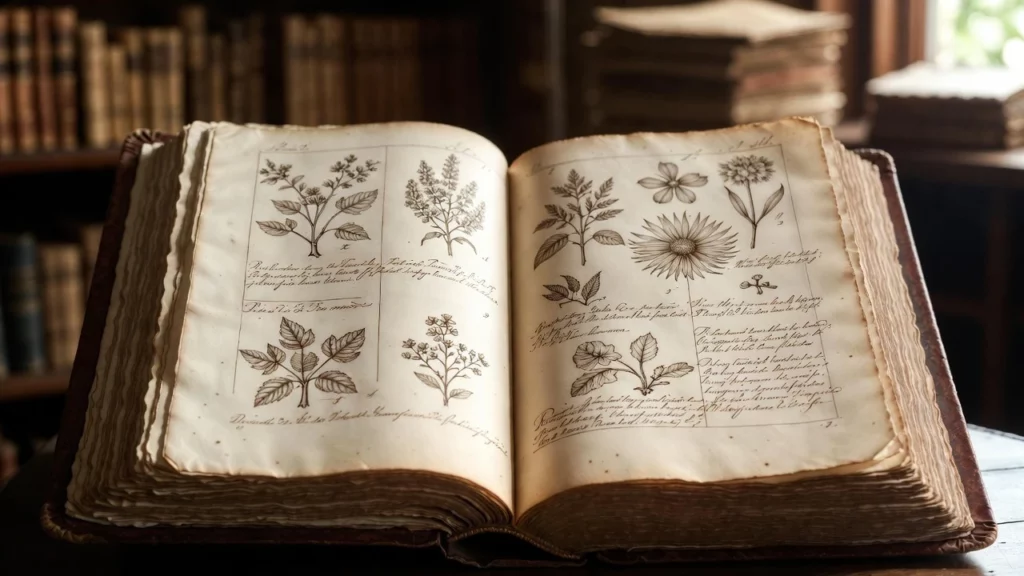
Spiritual and Animistic Classifications: Plants as Beings and Allies
In many indigenous traditions, especially those from the Amazon basin and Andean regions, plant medicine classification extends beyond material properties into the spiritual realm. Here, plants are regarded as sentient beings with their own consciousness and agency.
The Animistic Worldview: Plants as Conscious Beings
At the heart of these traditions lies an animistic perspective that sees the natural world as alive and interconnected. Plants are not passive objects but active participants with spirits or essences. This view treats them as relatives, teachers, and guides within a larger web of life, where every species contributes to the whole.
Master or Teacher Plants: The Role of Plantas Maestras
Certain plants are recognized as having a particularly strong guiding spirit, often called the “madre” or mother. These are known as plantas maestras, master plants, or teacher plants. They are believed to hold profound wisdom and the ability to transmit knowledge directly to humans through visionary experiences.
The Practice of Dietas: Building Direct Relationships
Practitioners engage in structured retreats called dietas to form personal alliances with these plants. A dieta typically involves isolation in nature, a restricted bland diet, and regular ingestion of the plant preparation. Through this disciplined process, the plant’s spirit is said to teach, heal, and reveal insights in dreams or visions.
Hierarchy Among Teacher Plants
Within this framework, teacher plants occupy different levels of influence. Primary ones, such as ayahuasca (frequently addressed as Mother Ayahuasca for its encompassing guidance) and tobacco (a foundational plant for spiritual communication), are considered supreme teachers that open doorways to broader understanding. Their role is often foundational, enabling deeper work with other plants.
Specialized Doctor Plants and Complementary Allies
Below the primary teachers are numerous specialized or doctor plants that focus on particular areas of healing or learning. Examples include bobinsana for emotional heart opening, chiric sanango for clearing deep-seated patterns, ajo sacha for building inner strength, and chuchuwasi for physical vitality. In Andean traditions, San Pedro (Echinopsis pachanoi) is revered as a master teacher for heart opening and perspective-shifting visions.
Complementary plants serve supportive roles, purifying the body, providing protection, or enhancing the effects of the main teacher, much like admixtures in ceremonial brews. Cacao, revered in Mesoamerican and some Amazonian contexts for heart-opening qualities, often acts as a gentle ally in modern ceremonial practices.
Reciprocity and Personal Experience in Classification
This classification system emphasizes reciprocity and respect. Plants are believed to choose whom they teach, responding to sincerity and proper conduct. The hierarchy remains fluid and personal, shaped by individual experiences rather than fixed doctrine, which reflects the living, relational quality of these traditions.
Cross-Cultural Comparisons: Overlaps and Insights Across Systems
One of the most compelling aspects of plant medicine classification is how different systems, developed independently across continents and centuries, often arrive at similar conclusions about the same plant. These convergences highlight inherent properties that humans have recognized through direct experience, lending credibility to both traditional and scientific frameworks.
Kratom (Mitragyna speciosa): Native to Southeast Asia but increasingly studied globally, kratom grows as a tropical rainforest tree in the Rubiaceae family (related to coffee). Pharmacologically, it is rich in alkaloids like mitragynine, producing dose-dependent stimulant effects at lower amounts and calming, analgesic ones at higher levels. In traditional Southeast Asian use, it is valued for supporting physical endurance and mood balance, aligning with adaptogenic or energizing categories in other systems.
Cacao (Theobroma cacao): Originating in South America and later spreading worldwide, this Malvaceae family tree thrives in tropical rainforest understory conditions. Chemically, it contains theobromine and phenylethylamine compounds that gently stimulate mood and circulation. In Mesoamerican and some modern Amazonian ceremonial contexts, it is revered as a heart-opening ally, often used to facilitate emotional clarity. Its bitter taste and warming qualities echo classifications in Ayurveda and TCM for plants that invigorate without overheating.
San Pedro (Echinopsis pachanoi): This columnar cactus from the Andean highlands of South America belongs to the Cactaceae family and is highly adapted to arid, high-altitude environments. It contains mescaline and other alkaloids that facilitate visionary and introspective states pharmacologically. In traditional Andean healing practices, it is honored as a master teacher plant for opening the heart, fostering compassion, and providing profound perspective shifts, paralleling the role of other plantas maestras in Amazonian traditions.
These examples illustrate how a single plant can resonate across systems: a tropical tree or xerophytic cactus morphologically, alkaloid-containing chemically, energizing or visionary in traditional contexts, and potentially relational in animistic views. Such overlaps suggest that plant properties transcend cultural boundaries, reinforcing the value of integrating multiple classification approaches.
Integrating Multiple Systems for Comprehensive Understanding
The question of a single hierarchical system for plant medicines reveals a rich tapestry instead. Botanical taxonomy provides the most universal hierarchy, grounded in evolution. Traditional systems like Ayurveda and TCM offer layered, experiential hierarchies based on energetics and effects. Spiritual animistic views add relational dimensions with master teachers and allies.
Pharmacological classifications add functional layers, while morphological and habitat ones provide practical tools. Together, they create a multifaceted view, where a single plant might fit multiple categories depending on context. This integration enriches appreciation. Such overlaps validate traditional wisdom while guiding new discoveries.
Frequently Asked Questions About Plant Medicine Classification
Q: Is there a single, universal hierarchical system for all plant medicines?
A: No, there is no one universal hierarchy. Different cultures and disciplines have developed their own systems, ranging from scientific taxonomy to traditional energetics and spiritual animistic views. These frameworks often complement rather than compete with one another.
Q: Which classification system is considered the most scientific?
A: Botanical taxonomy, based on evolutionary relationships and refined by genetic analysis, is the most widely accepted scientific hierarchy. It provides a consistent global standard for identifying and grouping plants.
Q: How do traditional systems like Ayurveda and TCM differ in their approach?
A: Both use taste and energetic qualities, but Ayurveda focuses on six tastes (rasa) and dosha balance, while TCM emphasizes five tastes, temperature (warm/cool), and influence on qi flow through specific organ meridians.
Q: What role do master teacher plants play in animistic classifications?
A: In indigenous traditions, particularly Amazonian and Andean, certain plants (plantas maestras) are viewed as conscious teachers that impart wisdom through direct relationship, often via structured practices like dietas.
Q: Why do some plants appear to have similar uses across distant cultures?
A: Converging classifications often reflect shared chemical constituents or observable effects that humans have independently recognized, suggesting inherent properties in the plants themselves.
Q: How can understanding multiple classification systems benefit someone interested in plant medicines?
A: It offers a more complete perspective, allowing for safer, more informed use by combining precise identification (taxonomy), practical effects (pharmacology), holistic balance (traditional energetics), and respectful relationship (animistic views).
The Value of Diverse Classification Approaches
Exploring plant medicine classification systems uncovers no rigid universal hierarchy but a spectrum of insightful frameworks. Each contributes uniquely: taxonomy for precision, traditional energetics for holism, pharmacology for application, and spiritual views for relational depth. This diversity mirrors the complexity of nature itself, encouraging respectful, informed engagement with plant medicines. Whether studying ancient texts, modern labs, or indigenous ceremonies, these systems foster deeper connections to the healing potential of plants.
By embracing multiple perspectives, we gain tools to navigate the world of plant medicines thoughtfully. This understanding supports preservation of traditional knowledge while advancing responsible use in contemporary contexts. The interplay of these classifications continues to evolve, promising richer insights into how plants support human well-being. As interest grows, appreciating these structured yet flexible systems becomes essential for anyone drawn to the enduring wisdom of plant medicines.
Disclaimer
The information presented in this blog is intended solely for educational and informational purposes, drawing from historical, cultural, ethnobotanical, pharmacological, and scientific perspectives on plant medicines. It is not intended to provide medical advice, diagnose, treat, cure, or prevent any disease or health condition, nor should it be construed as a recommendation for self-medication or therapeutic use. Plant medicines, including herbs, can have potent effects on the body, and their safety and efficacy vary widely depending on factors such as dosage, preparation, individual health status, and potential interactions with medications or existing conditions.
Many plants discussed herein, such as common culinary herbs, may be generally regarded as safe when used appropriately in moderate amounts, but others (particularly those with psychoactive properties like ayahuasca (Banisteriopsis caapi), San Pedro cactus (Echinopsis pachanoi), or kratom (Mitragyna speciosa) carry significant risks. These can include adverse psychological effects, physical toxicity, addiction potential, drug interactions, or severe health complications, and some are classified as controlled substances in various jurisdictions, making their possession, use, or distribution illegal in certain countries or regions.
Always consult a qualified healthcare professional, such as a physician, pharmacist, or licensed herbalist, before using any plant medicine, especially if you are pregnant, nursing, taking prescription medications, or have underlying health concerns. Self-experimentation or participation in traditional ceremonies involving potent plants can pose serious risks to physical and mental health.
Readers are solely responsible for their own actions and should verify the legal status of any plant in their location, ensure proper identification to avoid toxic look-alikes, and prioritize safety through reputable sources and professional guidance. The author and publisher of this content assume no liability for any outcomes resulting from the application of the information provided.