


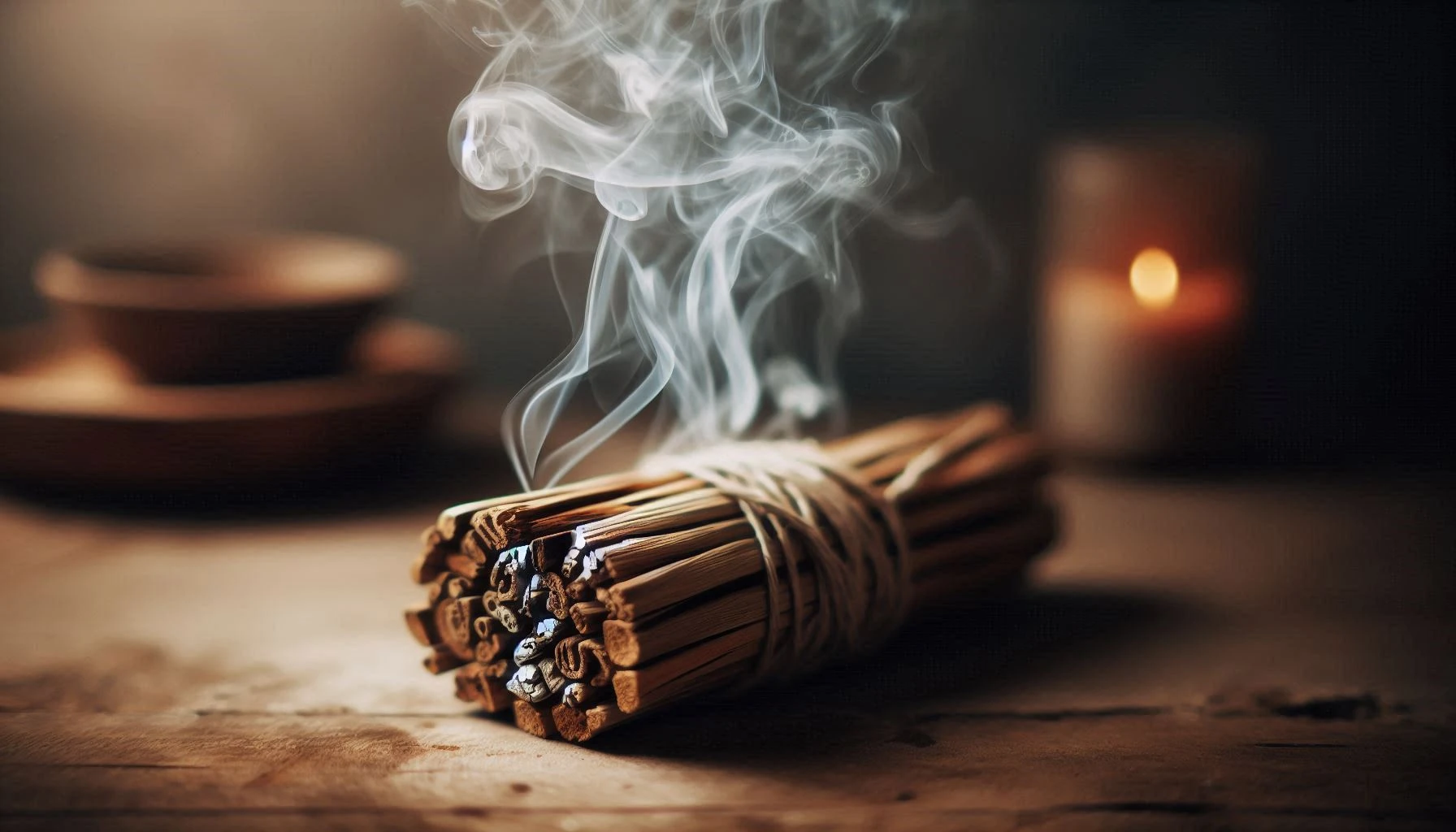

For centuries, Indigenous communities across South America have turned to a single aromatic wood to purify spaces, honour ancestors, and mark sacred moments. That wood is palo santo, harvested from the Bursera graveolens tree native to dry tropical forests along the Pacific coast. When burned, it releases a resinous smoke carrying notes of pine, mint, and lemon, creating an atmosphere that invites stillness and spiritual connection.
Only fallen branches or deadwood are traditionally gathered, a practice that reflects deep respect for the living tree. This sustainable tradition sets the foundation for understanding palo santo’s enduring role in rituals that bridge the physical and spiritual worlds.
Origins and Traditional Harvesting Practices
The story of palo santo begins in the arid landscapes of South America’s western coast. The Bursera graveolens tree thrives in countries like Ecuador, Peru, and parts of Colombia. Indigenous groups, including the Quechua and Shuar, have harvested the wood for generations, but always with strict guidelines. Trees are never cut down. Instead, harvesters wait for branches to fall naturally or for the tree to die. This sustainable approach ensures the forest remains intact and reflects a worldview that sees the tree as a living entity with its own spirit.
Once collected, the wood is left to cure for months or even years. During this time, the resins concentrate, enhancing the wood’s aromatic properties. The curing process is as much a ritual as the burning itself, with some communities believing the wood absorbs the energy of the earth and sky. This patient approach underscores the reverence for the material, setting it apart from commercially driven harvesting practices that have emerged in recent years.
Palo Santo in Andean Cleansing Ceremonies
In the Andes, palo santo plays a central role in limpias, or spiritual cleansings. Shamans, known as curanderos or yachaks, use the smoke to clear negative energies from individuals, homes, and ceremonial spaces. These rituals are not mere formalities but living expressions of Andean cosmology, where balance between body, spirit, and environment is essential.
The Limpia Ritual: Step-by-Step Process
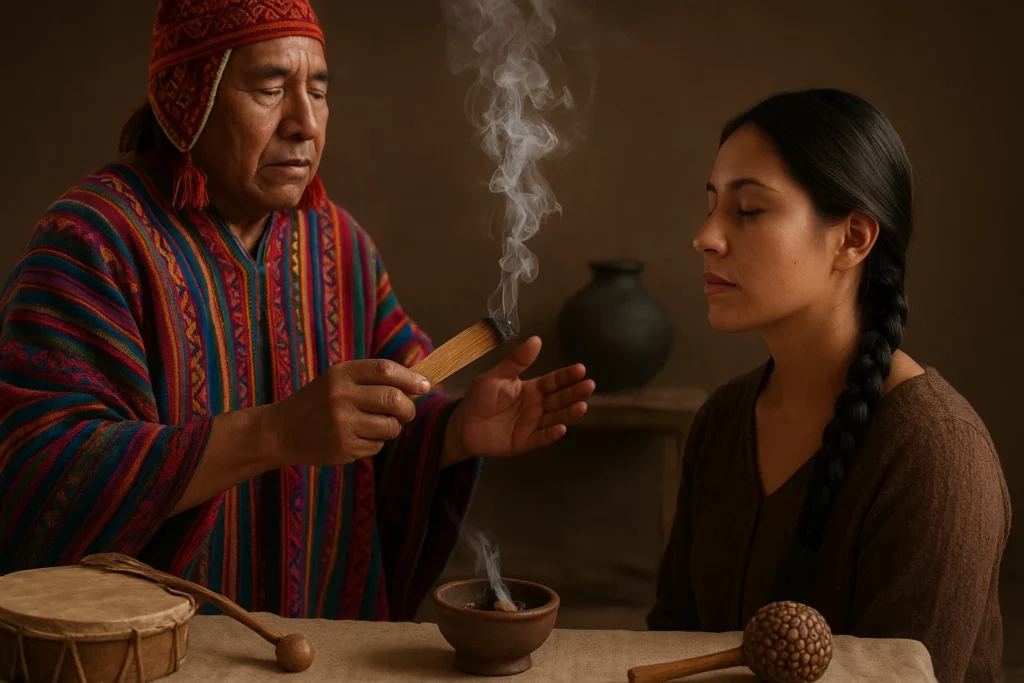
The limpia begins with the shaman selecting a piece of palo santo, often one that has been curing for at least two years. The stick is lit with a match or candle, allowed to flame briefly, then blown out so that it smolders and releases thick, fragrant smoke. The shaman waves the glowing ember in slow, deliberate circles, starting at the crown of the head and moving downward along the body. Each pass is accompanied by whispered prayers or icaros, sacred songs meant to guide the energy.
Participants are encouraged to breathe deeply, setting intentions for healing or release. The smoke is directed into the hands, under the arms, and behind the knees. These are areas believed to hold stagnant energy. At the end, the feet are smudged last, symbolically grounding the individual back into the earth. The entire process can take five to fifteen minutes for an individual, longer in group settings.
Hucha and Energy Balance in Quechua Cosmology
Central to the limpia is the concept of hucha, a Quechua term for heavy, dense energy accumulated through stress, trauma, or spiritual misalignment. Unlike sin in Western traditions, hucha is not moral judgment. It is simply imbalance. Palo santo smoke is believed to absorb and transmute this heaviness, carrying it away like wind dispersing clouds.
The shaman acts as a mediator, using the wood’s smoke to draw hucha out of the body and return it to Pachamama for purification. This reciprocal exchange reflects the Andean principle of ayni, or sacred reciprocity. The cleansed individual emerges lighter, more aligned with the flow of sami, or light, life-giving energy. This understanding of energy dynamics gives the limpia its transformative power.
Community Limpias During Solstice Gatherings
While individual limpias are common, communal ceremonies elevate the practice to a collective scale. During Inti Raymi, the Inca festival of the winter solstice, entire villages gather at sacred sites like Qorikancha or local huacas. Palo santo smoke rises in great clouds as shamans move through the crowd, cleansing hundreds at once.
These events blend ritual with celebration. Offerings of coca leaves, flowers, and chicha are placed on altars while drums and panpipes fill the air. The smoke from palo santo mingles with incense from copal and other resins, creating a multisensory experience that reinforces social cohesion. Elders pass the smoldering sticks to children, ensuring cultural transmission across generations.
Tools and Companions: Flor de Agua, Rattles, and Drums
Palo santo is rarely used alone in Andean ceremonies. It works in harmony with other sacred tools, each playing a distinct role:
- Flor de Agua (Floral Water): Infused with herbs like rosemary, muña, or rue; sprinkled before or after smudging to seal the cleansing and refresh the energy field.
- Rattles (Sonajas): Made from dried seeds, stones, or gourds; shaken in rhythm with the smoke to break up heavy energy (hucha).
- Drums (Tambores): Played by apprentices or the shaman; maintain a steady heartbeat pulse to ground participants and sync breath with intention.
These elements form a sacred orchestra, amplifying the limpia’s power through sound, scent, and motion.
Use in Amazonian Shamanic Traditions
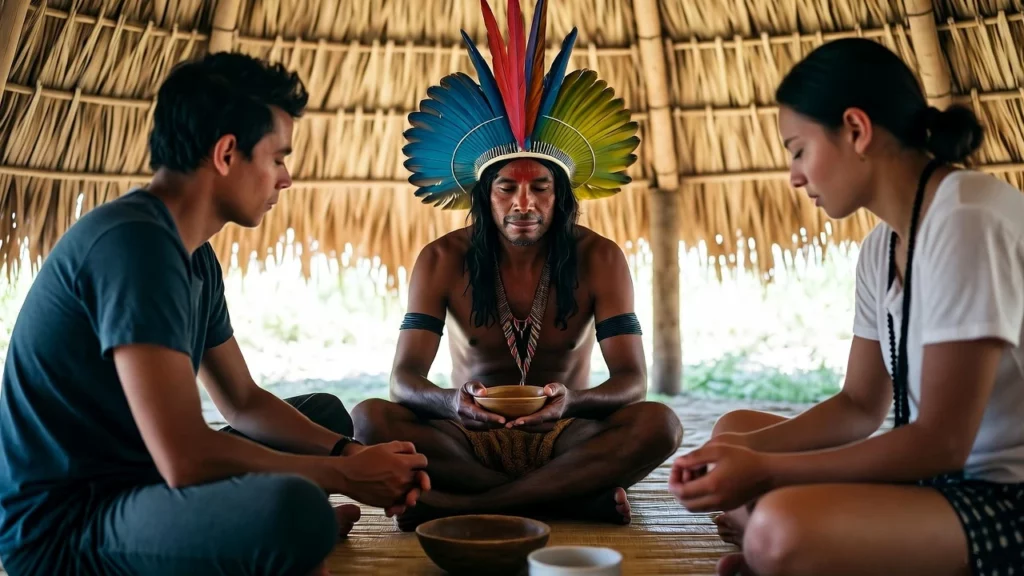
In the Amazon basin, the wood finds a different but equally vital role. Shamans of the Shipibo-Conibo and other Indigenous nations incorporate it into ayahuasca ceremonies, where it serves as both a protective and preparatory tool. Before participants drink the visionary brew, the ceremonial space, or maloca, is smudged to create a sacred boundary. The smoke is thought to ward off malevolent spirits and invite benevolent ones, ensuring the safety of those embarking on the intense journey induced by ayahuasca.
The use in these settings is highly intentional. Shamans may blow the smoke over musical instruments, such as icaros (healing songs), to imbue them with protective energy. The scent also helps ground participants as they navigate altered states of consciousness, providing a sensory anchor amidst the visions. This integration into Amazonian shamanism highlights its versatility across diverse spiritual traditions.
Adoption in Coastal and Urban Spiritual Practices
While deeply rooted in Indigenous practices, its use has spread to coastal and urban areas of South America. In cities like Guayaquil or Lima, spiritual practitioners blend traditional rituals with modern sensibilities. Yoga studios and wellness centers often incorporate the wood into meditation sessions, burning it to create a calming atmosphere. These urban adaptations reflect a broader trend of cultural preservation amid globalization, where the aromatic wood serves as a touchstone for ancestral wisdom.
In coastal communities, it is also used in rituals tied to the sea. Fishermen in northern Peru may burn the wood before setting out, asking for safe passage and abundant catches. These practices, though less documented, illustrate the wood’s adaptability to local needs and environments, from highland plateaus to Pacific shores.
Role in Marking Life Transitions
Across South American cultures, palo santo serves as a sacred witness to life’s most profound passages. Its smoke carries blessings, purifies intentions, and guides souls:
- Birth and Welcoming Ceremonies
In Ecuador and Peru, palo santo smoke is wafted over newborns during naming rituals. The scent blesses their entry into the world, protects against malevolent forces, and connects the child to ancestral spirits. - Weddings and Union Rituals
Couples stand within clouds of palo santo smoke to symbolize purification and unity. The ritual cleanses past emotional burdens, aligns their energies, and invokes harmony for their shared journey. - Funerals and Soul Passage
At death, the wood is burned during vigils or placed in graves. The rising smoke is believed to guide the spirit to the afterlife, comfort the grieving, and maintain the sacred bond between worlds.
These three moments, beginning, joining, and departing, reveal palo santo as a constant spiritual companion across the human lifecycle.
Integration into Seasonal and Agricultural Cycles
The agricultural calendar in South America is deeply intertwined with spiritual practices, and the wood often features prominently. In Peru’s Sacred Valley, communities burn it during planting and harvest festivals to honour Pachamama, the Earth Mother. The smoke is offered as a gesture of gratitude for the land’s bounty and a plea for continued fertility. These ceremonies, often accompanied by music and dance, reinforce the reciprocal relationship between humans and nature.
Seasonal solstices and equinoxes also see widespread use of the wood. In Bolivia, the Aymara celebrate the winter solstice with bonfires and smudging, using it to mark the return of the sun. These events are not merely agricultural but cosmological, aligning human activities with the rhythms of the cosmos. The wood’s presence in these rituals highlights its role in maintaining harmony with the natural order.
Sensory and Emotional Resonance
Beyond its ritualistic uses, the wood engages the senses in profound ways. The act of lighting it, watching the ember glow, and inhaling the rising smoke creates a multisensory experience. For many, the scent evokes memories of childhood ceremonies or ancestral homelands, triggering emotional resonance. This sensory connection is a key reason it remains integral to spiritual practices, as it anchors abstract beliefs in tangible experience.
The emotional impact is particularly evident in healing rituals. Individuals seeking relief from grief, anxiety, or spiritual disconnection often turn to the wood for comfort. The act of smudging becomes a meditative practice, allowing participants to process emotions in a safe, sacred space. This therapeutic aspect underscores its role as more than a tool. It is a companion in the journey toward wholeness.
Palo Santo in Contemporary South American Spirituality
In modern South America, the wood continues to evolve while retaining its cultural significance. New Age movements in cities like Buenos Aires and Santiago have embraced it, often blending it with practices like sound healing or crystal work. While some purists view these adaptations with skepticism, they reflect the living nature of spiritual traditions. The wood’s ability to transcend boundaries, geographic, cultural, and temporal, speaks to its enduring power.
Indigenous artisans also play a role in this contemporary landscape, crafting the wood into incense, oils, and jewelry. These products, sold in local markets and online, carry its legacy into new contexts. For many, purchasing from Indigenous sources is an act of cultural solidarity, supporting communities that have stewarded the tradition for centuries.
Ethical Sourcing and Sustainability Challenges
The growing global demand has raised concerns about sustainability. In Ecuador and Peru, overharvesting and illegal logging threaten natural populations of Bursera graveolens. Indigenous groups and conservationists advocate for ethical sourcing, emphasizing the importance of using only fallen wood. Certifications like Fair Trade and Rainforest Alliance have emerged to ensure responsible practices, though enforcement remains challenging.
For those incorporating the wood into their lives, understanding its origins is crucial. Choosing suppliers who work directly with Indigenous harvesters supports both cultural preservation and environmental stewardship. This awareness transforms the act of burning into a mindful practice, respecting the tree and the people who have safeguarded its legacy.
Global Spread and Cultural Dialogue
While its roots are firmly in South America, its influence now spans the globe. From yoga studios in Los Angeles to meditation retreats in Bali, the wood’s smoke carries South American spirituality to new audiences. This diaspora has sparked both celebration and critique. For some, its global popularity is a testament to its universal appeal. For others, it risks commodification and cultural erasure.
Yet, the wood’s journey also creates cross-cultural dialogue. Practitioners worldwide learn about Andean cosmology, Amazonian shamanism, and the sacredness of nature through its use. This exchange, when approached with respect, enriches global spiritual landscapes while keeping South American traditions alive.
Frequently Asked Questions About Palo Santo in South American Rituals
Q: What makes palo santo different from other smudging woods like white sage?
A: Palo santo comes exclusively from the Bursera graveolens tree and is harvested only from naturally fallen branches in South America. Its citrus-pine scent is milder and sweeter than sage, and its use is deeply tied to Andean and Amazonian cosmology rather than Native American traditions. It is never used for banishing but for inviting harmony and protection.
Q: Why must palo santo cure for years before use in rituals?
A: The curing process concentrates the tree’s natural resins, which produce the signature fragrance and spiritual potency. Fresh wood lacks aroma and is considered spiritually immature. Traditional harvesters believe the curing period allows the wood to absorb earth and sky energies, making it a true conduit in ceremony.
Q: How do Andean shamans know when a limpia with palo santo is complete?
A: The shaman observes the participant’s energy field, breath, and emotional state. When the smoke flows freely without resistance and the person feels lighter or grounded, the cleansing is finished. Some use a rattle or drum to confirm energetic alignment before concluding.
Q: Can palo santo be used in ayahuasca ceremonies outside the Amazon?
A: Authentic ayahuasca traditions are Amazonian and require trained Shipibo or mestizo shamans. Using palo santo in non-traditional settings can respect its protective role but should not mimic closed Indigenous ceremonies. Always seek permission and guidance from lineage holders.
Q: What does “hucha” mean, and why is palo santo used to clear it?
A: In Quechua cosmology, hucha is heavy, dense energy from stress or misalignment, not moral wrongdoing. Palo santo smoke is believed to absorb and transmute hucha, returning it to Pachamama for renewal, restoring balance and flow of sami (light energy).
Conclusion: The Enduring Spirit of Sacred Wood
This aromatic wood is more than a fragrance. It is a cultural artifact, a spiritual ally, and a symbol of resilience. From Andean limpias to Amazonian ayahuasca ceremonies, from births to funerals, its smoke carries prayers, purifies spaces, and connects communities to their ancestors. The variety of roles explored here illustrate its multifaceted significance throughout history.
As it travels beyond South America, its story invites reflection on sustainability, respect, and the power of ritual. For those who burn it, the act is a reminder of the sacredness of nature and the enduring wisdom of Indigenous traditions. In a world often disconnected from the earth, this sacred wood offers a fragrant bridge to the past and a hopeful path forward.
Disclaimer
The information presented in this blog is intended for educational and informational purposes only and does not constitute medical, health, or therapeutic advice. Palo santo smoke, while traditionally used in South American rituals for spiritual cleansing and emotional well-being, may pose health risks when inhaled, including respiratory irritation, allergic reactions, or exacerbation of conditions such as asthma, bronchitis, or sensitivities to smoke and resins.
Individuals who are pregnant, nursing, have pre-existing respiratory or cardiovascular issues, or are taking medications should consult a qualified healthcare professional before exposure to palo santo or any burning incense. Ensure proper ventilation during use to minimize smoke accumulation, and extinguish the wood completely after rituals to prevent fire hazards. Never leave burning palo santo unattended, and keep it out of reach of children and pets.
The efficacy of palo santo in energy balancing, spiritual protection, or healing is based on Indigenous beliefs and anecdotal traditions, not scientific evidence, and should not replace professional medical treatment or psychological care. The author and publisher are not liable for any adverse effects, injuries, or damages resulting from the use or misuse of palo santo or reliance on the information provided herein. Users assume all responsibility for safe handling, ethical sourcing, and personal health decisions related to its use.