

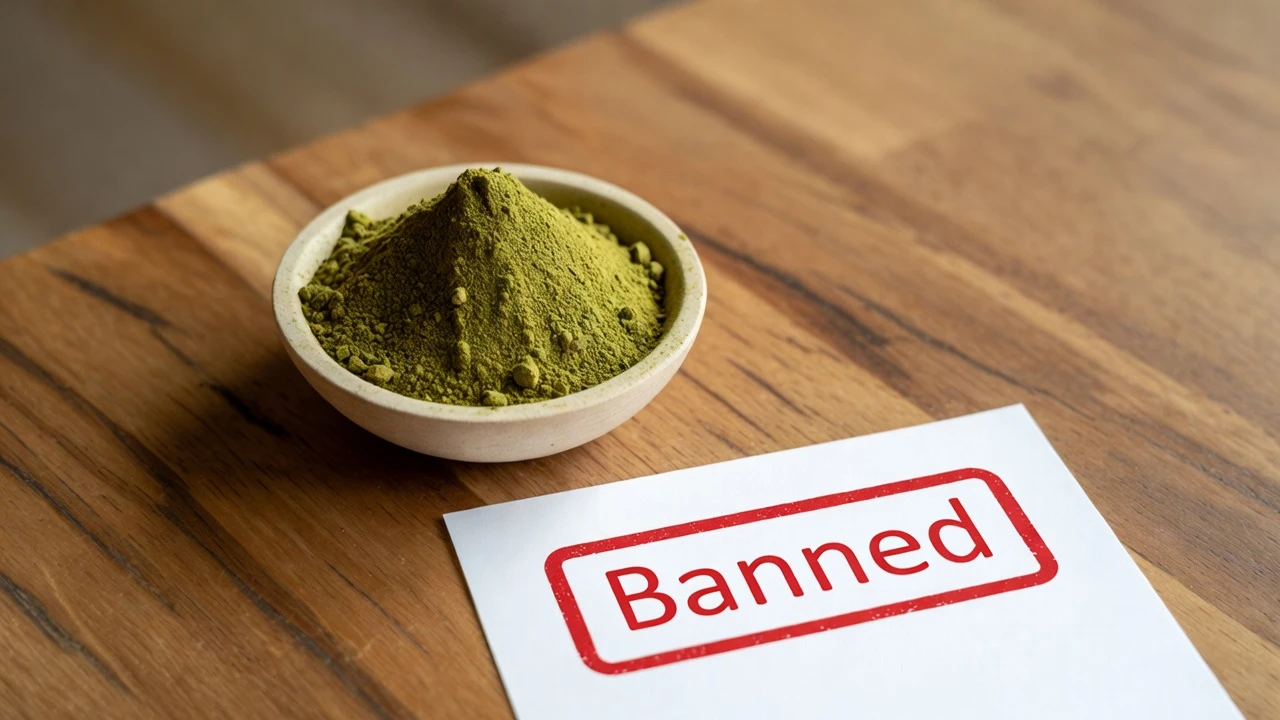

In the closing weeks of 2025, Ohio made headlines with its emergency kratom ban, a swift regulatory move that reshaped the landscape for plant-based supplements. This decision, handed down by the state’s Board of Pharmacy, targeted synthetic and enhanced kratom products, sparking widespread discussion among consumers, retailers, and health officials.
The ban, effective from December 12, 2025, introduced immediate restrictions that lasted for 180 days, with potential for extension through formal processes. For many, this marked a turning point in how authorities address emerging substances derived from natural sources, balancing public safety concerns against individual choices.
Kratom, derived from the leaves of the Mitragyna speciosa tree native to Southeast Asia, has long been a subject of debate. Users often turn to it for its reported effects on energy levels, mood, and discomfort management, consuming it in forms like powders, capsules, or teas. However, the rise of modified versions, including those amplified with lab-created compounds, prompted officials to act decisively. The emergency kratom ban in Ohio specifically addressed these altered products, drawing a line between traditional forms and those deemed riskier due to their potency.
What Products Are Actually Banned?
The rule creates a narrow exception: only products containing solely mitragynine (the primary alkaloid in natural kratom leaves) remain permissible. Most commercially available items fall outside this category.
- Permitted: Pure mitragynine products derived directly from unprocessed natural leaves with no additional alkaloids or enhancements.
- Banned: Any product containing 7-hydroxymitragynine (7-OH), a naturally occurring but often concentrated alkaloid.
- Banned: Fully synthetic kratom compounds manufactured in laboratories.
- Banned: Enhanced extracts, concentrates, or isolates designed to increase potency.
Why This Distinction Matters
This distinction narrowed consumer options dramatically and led to widespread confusion in the initial days of enforcement. Many popular kratom powders and capsules naturally contain trace amounts of 7-OH alongside mitragynine, meaning even standard products suddenly became illegal. Retailers and users alike struggled to identify truly compliant items, as testing for exact alkaloid profiles is not common in everyday sales.
Understanding the origins of this policy requires looking back at kratom’s journey in the United States. Initially introduced through immigrant communities and online markets, it gained popularity in the early 2000s as an alternative to conventional options. By the 2010s, several states began scrutinizing it, with some implementing outright prohibitions. Ohio, however, maintained a more permissive stance until recent years, allowing sales in smoke shops, convenience stores, and specialty outlets. That changed amid growing reports of adverse incidents linked to certain formulations.
The catalyst for the 2025 emergency kratom ban stemmed from executive action. Governor Mike DeWine, citing data from health agencies, urged the Board of Pharmacy to classify specific kratom compounds as controlled substances. His office highlighted the dangers posed by synthetic variants, which mimic stronger effects through chemical enhancements. This push reflected a broader national conversation, influenced by federal advisories warning against unregulated use. The board responded by enacting an emergency rule under Ohio Administrative Code 4729:9-1-01.1, which prohibited the sale, possession, and distribution of most kratom-related items.
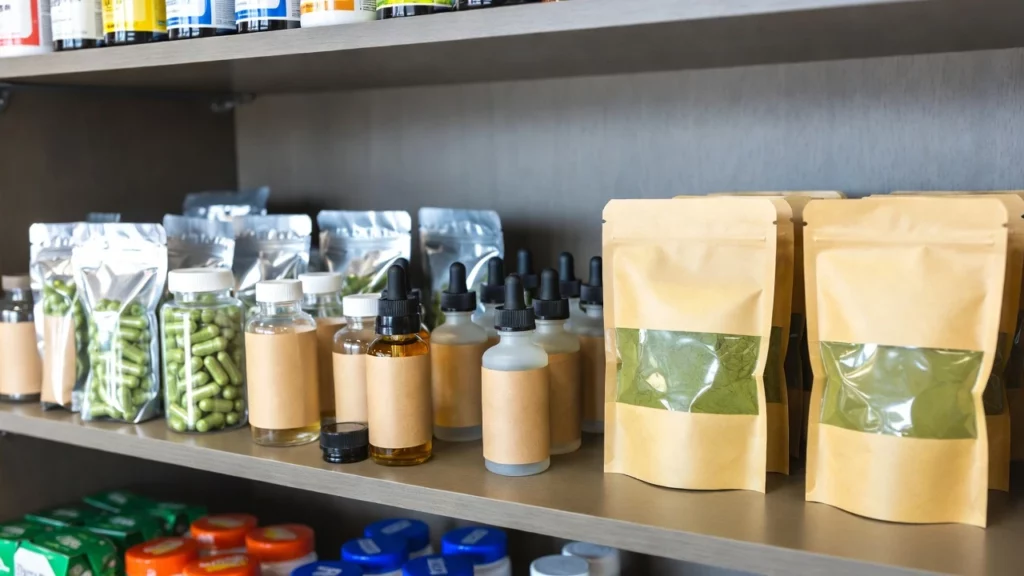
The immediate rollout of this emergency kratom ban caught many off guard. Retailers received notices to cease sales and dispose of inventory, with compliance guidance provided through the board’s website. Consumers, meanwhile, scrambled to interpret what remained available. For instance, plain leaf kratom in its raw vegetation state might qualify under the exception, but processed powders or capsules that inherently contain trace amounts of other compounds do not. This nuance created confusion, leading to empty shelves in stores across cities like Columbus, Cleveland, and Cincinnati.

Unpacking the Reasons Behind Ohio’s Emergency Kratom Ban
Officials justified the emergency kratom ban by pointing to escalating public health risks. Reports from poison control centers and emergency rooms indicated a spike in calls related to kratom use, particularly when combined with other substances. The board emphasized that synthetic and enhanced versions exacerbate these issues, delivering unpredictable doses that can lead to severe reactions like elevated heart rates or respiratory distress.
Governor DeWine’s statements underscored a proactive approach. He noted that while natural kratom raises concerns, the synthetic forms represent an “imminent hazard” warranting urgent intervention. This perspective aligns with federal guidance from agencies that have long viewed kratom with caution, advising against its consumption due to potential for dependency and other complications. The emergency measure allows time for a thorough review, during which permanent rules could extend the ban to all forms.
Critics, however, argue that the ban overlooks context. Many incidents stem from misuse or contamination in unregulated markets, not the substance itself. By focusing on synthetics, the policy aims to curb the most dangerous elements, but it also disrupts access for those who rely on milder options. Health experts outside the government sphere suggest that education and quality controls could mitigate risks more effectively than blanket restrictions.
Impacts on Consumers from the 2025 Emergency Kratom Ban
Personal Disruption for Daily Users
Individuals who had incorporated kratom into their daily routines suddenly faced limited or no access to the formulations they preferred. Many turned to enhanced products for more pronounced effects, and the ban forced an abrupt shift to either the narrow range of permitted items or entirely different alternatives. This disruption affected sleep patterns, energy levels, and general comfort for those who had found a consistent routine.
Economic Challenges and Rising Costs
With local supply chains interrupted, consumers willing to continue using permissible products often turned to out-of-state or online sources. Shipping costs, potential customs delays for international orders, and premium pricing for compliant stock increased expenses significantly. Short-term scarcity also drove up prices on remaining inventory, placing additional financial pressure on regular users.
Mental Health and Well-Being Considerations
Some users reported that kratom supported focus, relaxation, or mood stability in their daily lives. The removal of enhanced options created uncertainty, potentially leading to setbacks in productivity or emotional balance. Many sought guidance from healthcare providers to explore other pathways, highlighting the need for broader support resources during regulatory transitions.
How the Emergency Kratom Ban Affects Retailers and the Industry
Retail businesses in Ohio bear a significant burden from the emergency kratom ban. Small shops that stocked a variety of products must now pivot, removing banned items and absorbing financial losses from unsold stock. Compliance involves training staff on the new rules, updating inventory systems, and communicating changes to customers. Larger chains, with more resources, adapt faster, but independent operators struggle, potentially closing doors if kratom represented a key revenue stream.
The industry as a whole faces contraction. Manufacturers of synthetic and enhanced kratom see their Ohio market evaporate overnight, redirecting efforts elsewhere. This ripple effect influences suppliers in Southeast Asia, where farmers harvest the raw material, as demand fluctuates. Trade associations advocate for clearer guidelines, pushing back against what they see as overreach that stifles innovation in natural products.
Looking ahead, the ban could create a more regulated environment if permanent rules incorporate stakeholder input. Hearings planned for the coming months allow retailers to voice concerns, potentially shaping outcomes that balance commerce with safety. In the interim, some businesses explore diversifying into other botanicals, adapting to the evolving regulatory climate.
Broader Economic and Social Implications of the 2025 Ruling
Ohio’s economy feels the emergency kratom ban through multiple channels. The state loses tax revenue from sales that once contributed to local budgets, estimated in the millions annually from kratom transactions. Job impacts follow, with roles in distribution, packaging, and sales at risk. Communities reliant on these industries, particularly in rural areas, experience indirect effects as spending patterns shift.
Socially, the ban sparks conversations about substance policy. It raises questions on how governments classify plant-derived items, drawing parallels to historical debates over other herbs. Advocacy groups mobilize, organizing petitions and awareness campaigns to highlight perceived benefits of responsible use. This engagement could lead to more informed public discourse, fostering empathy for diverse viewpoints.
On the positive side, the ruling might reduce exposure to risky products, protecting vulnerable populations like young adults who experiment with enhancements. Public health campaigns accompanying the ban educate on signs of problematic use, promoting prevention over reaction.
Health and Safety Perspectives on Synthetic and Enhanced Kratom
The core of the emergency kratom ban lies in addressing health hazards associated with synthetic modifications. These versions, often marketed for intense experiences, can overwhelm the body’s systems, leading to unpredictable outcomes. Authorities point to cases where users suffered from nausea, agitation, or more severe issues, underscoring the need for oversight.
In contrast, proponents of natural forms argue that enhancements create the bulk of problems, not the base plant. The ban’s exception for pure mitragynine acknowledges this, allowing limited continuation while eliminating amplified risks. Safety advocates applaud this targeted approach, seeing it as a step toward harm reduction. Future monitoring will reveal the ban’s effectiveness. If incidents decline during the 180-day period, it could validate the policy. Conversely, any uptick in alternative substance issues might prompt reevaluation, emphasizing data-driven adjustments.
Opposing Views and Debates Surrounding the Emergency Kratom Ban
Not everyone agrees with the emergency kratom ban’s scope. Organizations like the American Kratom Association endorse curbing synthetics but defend natural variants as safe when used appropriately. They contend that the ruling paints too broad a stroke, criminalizing benign practices and pushing activity underground.
Commentators from policy think tanks warn of unintended consequences, such as growth in illicit markets where quality control vanishes. This could introduce contaminants, heightening dangers rather than alleviating them. Debates in media outlets explore these angles, featuring experts who advocate for regulation over prohibition, citing successes in other sectors. Consumer testimonials add personal layers, sharing stories of how kratom aided in daily life without issues. These narratives challenge official stances, urging a nuanced view that considers individual circumstances.
Potential Alternatives and Future Directions Post-Ban
As the emergency kratom ban unfolds, users explore substitutes. Herbal options like kava or ashwagandha offer similar calming properties, though effects vary. Professional guidance becomes crucial, with doctors recommending evidence-based therapies for underlying needs. The ban’s temporary nature opens doors for evolution. If the board pursues permanent measures, input from hearings could refine rules, perhaps introducing licensing for safe products. National trends might influence Ohio, as other states watch and adapt their policies.
Innovation in the sector could emerge, with companies developing compliant formulations that adhere to the mitragynine-only standard. This adaptation promotes resilience, turning challenges into opportunities for ethical advancement.

Frequently Asked Questions About Ohio’s Emergency Kratom Ban
Q: When did the emergency kratom ban take effect in Ohio?
A: The ban became effective on December 12, 2025, and is set to last for 180 days unless extended or made permanent through further rulemaking.
Q: Is all kratom now illegal in Ohio?
A: No. The emergency rule allows products that contain only mitragynine with no other alkaloids or enhancements. In practice, this excludes the vast majority of commercially available kratom products.
Q: Why did Ohio implement an emergency ban instead of going through the normal rulemaking process?
A: State officials, led by Governor DeWine, declared synthetic and enhanced kratom products an “imminent hazard” to public health, allowing the Board of Pharmacy to bypass standard procedures and enact immediate restrictions.
Q: Can Ohio residents still possess kratom they already own?
A: The emergency rule prohibits possession of banned kratom products. Individuals are advised to check official guidance from the Ohio Board of Pharmacy for disposal recommendations.
Q: Will this ban become permanent?
A: It is possible. The 180-day emergency period provides time for public hearings and formal rulemaking, after which the board may adopt permanent restrictions, potentially broadening or narrowing the scope.
Q: Are online purchases from out-of-state vendors still an option for Ohio residents?
A: Shipping banned kratom products into Ohio violates the rule, and residents risk possession charges. Many vendors have stopped shipping to Ohio addresses to avoid legal issues.
Q: What should someone do if they relied on kratom for daily support?
A: Consulting a healthcare professional is recommended to discuss safe alternatives and transition strategies during this regulatory change.
Reflecting on the Long-Term Legacy of Ohio’s 2025 Emergency Kratom Ban
In retrospect, the emergency kratom ban serves as a case study in regulatory response to novel substances. It highlights the tension between innovation and caution, prompting reflection on how societies manage access to natural derivatives. While immediate impacts disrupt routines and markets, the policy aims to safeguard health in an era of rapid product development.
As Ohio navigates the next six months, outcomes will inform future actions. Stakeholders hope for balanced solutions that protect without overrestricting, ensuring that lessons learned benefit all involved. The conversation continues, evolving with new insights and perspectives.
Disclaimer
The information presented in this article is for informational and educational purposes only and does not constitute medical, health, legal, or professional advice. Kratom and its derivatives, including mitragynine and 7-hydroxymitragynine, are not approved by the U.S. Food and Drug Administration (FDA) or Health Canada for any medical use, and their safety and efficacy have not been established through rigorous clinical trials. While some individuals report using kratom for managing discomfort, mood, energy, or other purposes, scientific evidence supporting these claims is limited and inconclusive.
Kratom products may carry significant health risks, including potential for dependency, addiction, withdrawal symptoms similar to opioids, nausea, agitation, elevated heart rate, respiratory distress, seizures, liver or kidney damage. Reports from health authorities, including the Ohio Department of Health and poison control centers, have linked kratom to adverse events and fatalities, often involving polydrug use.
Individual responses to kratom vary widely, and it may interact dangerously with medications or underlying health conditions. This article discusses regulatory changes in Ohio but does not endorse or recommend the use of kratom in any form. The author and publisher assume no liability for any actions taken based on the information provided herein, including any injuries, losses, or damages arising from its use or misuse.
Readers, especially those considering kratom for health-related reasons, are strongly urged to consult a qualified healthcare professional before use, discontinuation, or exploring alternatives, and to seek immediate medical attention for any concerning symptoms. Regulatory status may change, and compliance with current laws is the responsibility of individuals and businesses.