



One factor that is commonly overlooked with kratom that plays a critical role in determining the quality, potency, and shelf life of this popular plant medicine is the amount of moisture in kratom. For users of kratom powder, understanding how humidity and water content interact with the product is essential for ensuring a consistent and effective experience. Kratom is highly sensitive to environmental factors. Among these, moisture stands out as a key influencer that can either preserve or degrade the product. Knowing what signs to look for can be the difference between keeping your batch or throwing it out.
What Is Kratom and Why Does Moisture Matter?
Kratom is a tropical plant traditionally used in regions like Thailand, Malaysia, and Indonesia for its stimulating and calming properties. The leaves are dried and ground into a fine powder, which is then sold for various uses, such as teas, capsules, or direct consumption. The quality of kratom powder depends on several factors, including how it’s harvested, processed, and stored. Moisture in kratom is a critical variable because it directly affects the physical and chemical properties of the powder.
Excessive moisture can lead to clumping, mold growth, and alkaloid degradation, while insufficient moisture can make the powder overly dry, potentially reducing its potency. Maintaining the right balance is crucial for vendors and consumers alike. By understanding the role of moisture, users can make informed decisions about purchasing, storing, and using kratom powder effectively.
The Science of Moisture in Kratom
Kratom’s active compounds, known as alkaloids, include mitragynine and 7-hydroxymitragynine, which are responsible for its effects. These alkaloids are sensitive to environmental conditions, particularly moisture and humidity. When kratom powder is exposed to high humidity, it absorbs water from the air, increasing its moisture content. This can trigger several undesirable outcomes.
How Moisture Affects Alkaloid Stability
Research on kratom alkaloids, while still emerging, suggests that excessive moisture can accelerate the breakdown of these compounds. A 2020 study published in the Journal of Analytical Toxicology found that improper storage conditions, including high temperature and varying pH levels, can lead to a reduction in mitragynine content over time. Environmental factors can catalyze chemical reactions that degrade alkaloids, reducing the powder’s efficacy. For users, this means a less potent product that may not deliver the desired effects.
Conversely, extremely low moisture levels can cause the powder to become brittle, leading to a loss of fine particles during handling. This can also affect the consistency of dosing, as overly dry kratom may not mix well in liquids or capsules. The ideal moisture content for kratom powder typically ranges between 8% and 12%, allowing it to remain stable without promoting microbial growth.
The Risk of Mold and Microbial Growth
High moisture in kratom creates an environment conducive to mold and bacterial growth. Mold thrives in humid conditions, particularly when kratom is stored in warm, poorly ventilated areas. Industry guidelines from the American Kratom Association emphasize that maintaining low humidity during storage is critical to preventing microbial contamination, which can lead to health risks such as respiratory issues or gastrointestinal discomfort.
To mitigate these risks, vendors and consumers must prioritize proper storage techniques. Pharmakeia, for example, employs rigorous quality control measures to ensure that kratom powder is stored in conditions that minimize moisture-related issues.
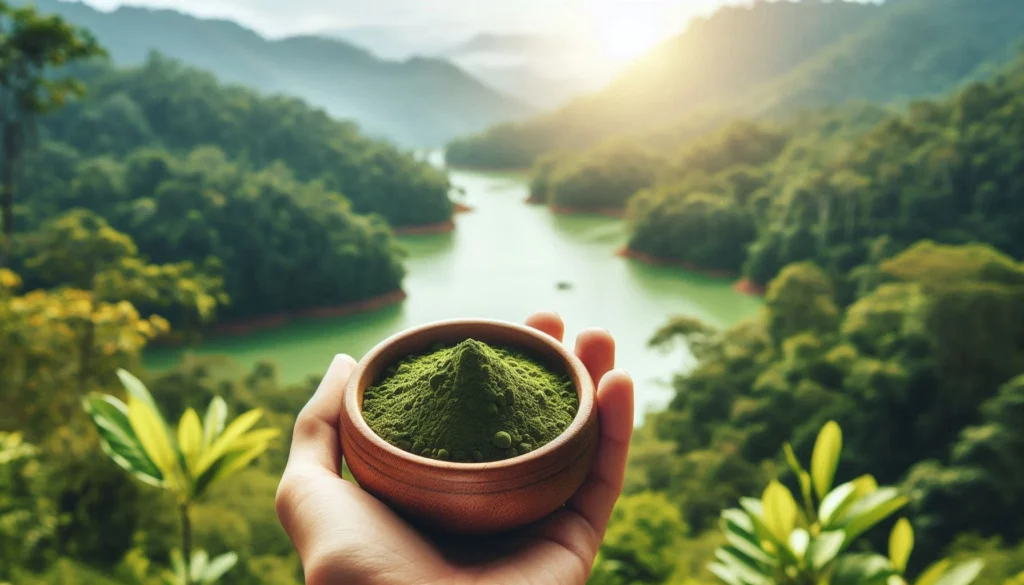
How Moisture in Kratom Is Introduced
Moisture can enter kratom at various stages, from cultivation to consumption. Understanding these entry points helps users take proactive steps to protect their product.
During Cultivation and Harvesting
Kratom leaves are naturally moist when harvested from the Mitragyna speciosa tree. The drying process, which typically involves air-drying or controlled heat, reduces the moisture content to make the leaves suitable for grinding into powder. However, if drying is incomplete or inconsistent, residual moisture can remain, increasing the risk of spoilage during transport or storage.
In regions like Southeast Asia, where kratom is grown, high humidity levels can complicate the drying process. Experienced farmers use specialized techniques, such as indoor drying facilities with dehumidifiers, to ensure consistent results. Pharmakeia sources its kratom from trusted suppliers who adhere to these standards, minimizing the risk of excessive moisture at the source.
During Processing and Packaging
Once the leaves are dried and ground, the resulting powder is highly hygroscopic, meaning it readily absorbs moisture from the surrounding environment. Improper packaging, such as using non-airtight containers, can allow humidity to seep in, compromising the product. Reputable vendors use vacuum-sealed or moisture-resistant packaging to protect kratom during shipping and storage.
During Storage by Consumers
After purchase, consumers play a significant role in maintaining kratom quality. Storing kratom in humid environments, such as a kitchen or bathroom, can lead to moisture absorption. Even small changes in humidity can affect the powder over time, especially if it’s stored in opened or poorly sealed containers.
The Impact of Humidity on Kratom Storage
Humidity, the amount of water vapour in the air, is a key factor in managing moisture in kratom. In Canada humidity levels can vary significantly depending on the region and season. Coastal areas like Vancouver often experience high humidity, while inland regions like Alberta may have drier conditions. These variations affect how kratom should be stored.
High Humidity Environments
In high-humidity environments, kratom powder can absorb water vapour, leading to clumping or caking. This not only affects the texture but can also create an environment for mold growth. For example, storing kratom in a basement with poor ventilation can result in moisture buildup, even if the container is sealed. Users in humid climates should take extra precautions, such as using dehumidifiers or silica gel packets, to keep their kratom dry.
Low Humidity Environments
In drier climates, kratom may lose moisture, becoming overly dry and powdery. While this is less likely to cause spoilage, it can affect the powder’s texture and dosing accuracy. Extremely dry kratom may also be more prone to static cling, making it harder to handle. Maintaining a stable humidity level, ideally between 40% and 60%, is ideal for preserving kratom’s quality.
Best Practices for Storing Kratom to Control Moisture
Proper storage is the most effective way to manage moisture in kratom and ensure its longevity. Below are practical tips for consumers to maintain the quality of their kratom powder.
Use Airtight Containers
Store kratom in airtight containers, such as glass jars or vacuum-sealed bags, to prevent moisture from entering. Plastic containers can work but may not provide the same level of protection, especially in humid environments. Pharmakeia packages its kratom in high-quality, resealable bags designed to minimize moisture exposure.
Include Desiccants
Adding silica gel packets or other desiccants to kratom storage containers can help absorb residual moisture. These packets are inexpensive and widely available, making them an easy addition to any storage routine. Be sure to replace desiccants periodically to maintain their effectiveness.
Store in a Cool, Dry Place
Choose a storage location that is cool, dry, and away from direct sunlight. Avoid areas prone to humidity, such as bathrooms, kitchens, or basements. A pantry or closet with stable temperature and humidity levels is ideal. For users in humid regions, a dehumidifier can help maintain optimal conditions.
Monitor Storage Conditions
Investing in a hygrometer, a device that measures humidity, can help users monitor their storage environment. Aim for a relative humidity of 40% to 60% to prevent both excessive moisture and over-drying. If humidity levels are consistently high, consider using a sealed storage box with a dehumidifier.
Avoid Freezing or Refrigeration
While it may seem logical to store kratom in a refrigerator or freezer to keep it fresh, these environments can introduce moisture through condensation when the container is opened. Unless the kratom is vacuum-sealed and unopened, refrigeration is not recommended.
How to Identify Moisture-Damaged Kratom
Recognizing the signs of moisture damage can help users avoid consuming compromised kratom. Here are key indicators to watch for:
- Clumping or Caking: If the powder feels sticky or forms clumps, it may have absorbed moisture. Gently shaking the container can reveal whether the powder moves freely or sticks together.
- Unusual Odour: Fresh kratom has an earthy, herbal scent. A musty or sour smell may indicate mold or bacterial growth due to excess moisture.
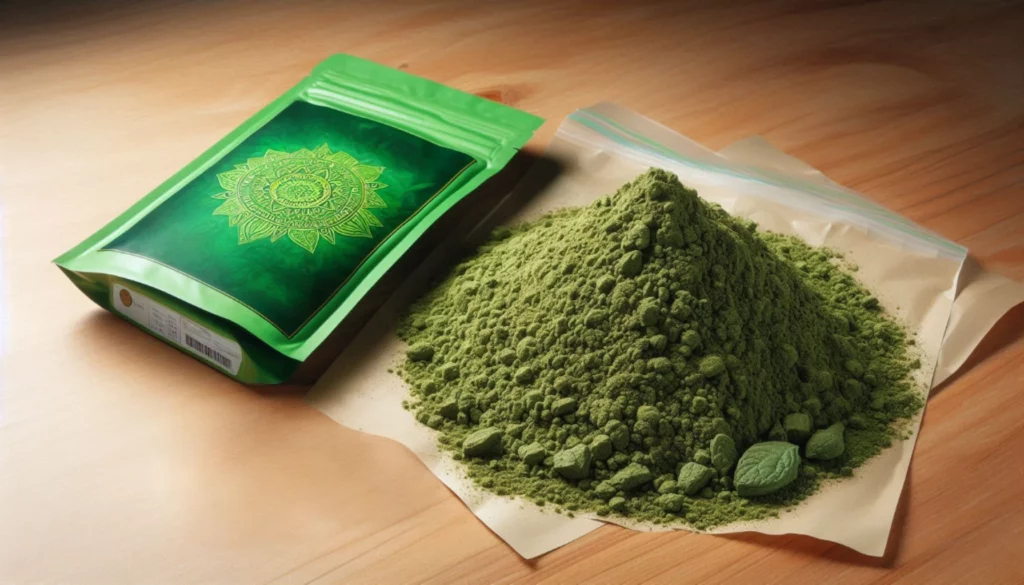
- Discoloration: Kratom powder is typically green, depending on the strain. Dark spots or uneven coloring can suggest mold or degradation.
- Texture Changes: Overly dry kratom may feel excessively powdery or brittle, while overly moist kratom may feel damp or heavy.
If any of these signs are present, it’s best to discard the kratom to avoid potential health risks. Pharmakeia encourages customers to contact their support team if they suspect moisture-related issues with their product.
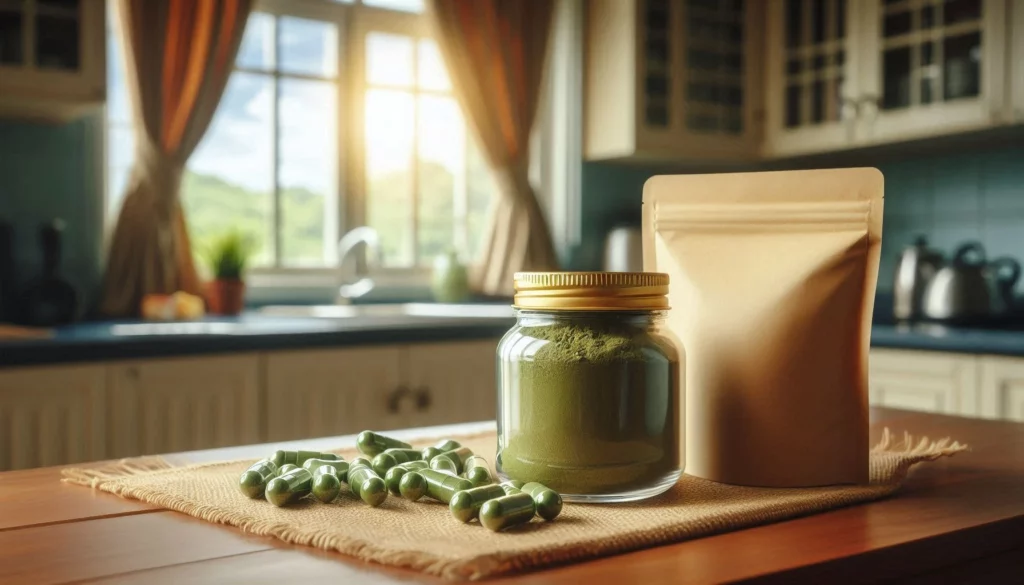
The Role of Vendors in Managing Moisture in Kratom
Reputable vendors like Pharmakeia play a crucial role in ensuring that kratom reaches consumers in optimal condition. This involves careful sourcing, processing, and quality control measures to manage moisture levels.
Sourcing and Processing Standards
High-quality kratom starts with responsible sourcing. Pharmakeia partners with farmers who use controlled drying techniques to reduce moisture content effectively. Once the leaves are processed into powder, they undergo testing to ensure low moisture levels and minimal microbial contamination.
Packaging and Shipping
Proper packaging is essential for protecting kratom during transport. Pharmakeia uses moisture-resistant, resealable bags with desiccant packs to prevent humidity from affecting the product. Additionally, vendors must consider shipping conditions, as exposure to humid climates during transit can impact quality.
Quality Assurance
Before kratom is sold, it undergoes testing for moisture content, microbial contamination, and alkaloid levels. The American Kratom Association (AKA) recommends that vendors follow Good Manufacturing Practices (GMP), which include guidelines for moisture control. Pharmakeia adheres to these standards to deliver a safe and effective product.
Practical Tips for Consumers in Canada
For Canadian consumers, managing moisture in kratom requires adapting to local climate conditions. Here are some tips for maintaining kratom quality:
- Coastal Regions (e.g., British Columbia): High humidity in areas like Vancouver requires extra vigilance. Use airtight containers with desiccants and consider a dehumidifier for storage areas.
- Prairie Regions (e.g., Alberta, Saskatchewan): Dry climates can cause kratom to lose moisture. Store in sealed containers to maintain a stable environment, and avoid overly dry storage areas.
- Cold Climates (e.g., Northern Canada): Avoid storing kratom near heating sources, as rapid temperature changes can cause condensation inside containers.
The Broader Implications of Moisture Control
Beyond individual use, proper moisture management has broader implications for the kratom industry. As kratom gains popularity in Canada and worldwide, ensuring consistent quality is essential for building consumer trust. Moisture-related issues, such as mold or degradation, can damage a vendor’s reputation and lead to regulatory scrutiny. By prioritizing moisture control, vendors like Pharmakeia contribute to the industry’s credibility and sustainability.
Moreover, educating consumers about moisture in kratom empowers them to make informed choices. Understanding how to store and handle kratom properly can enhance their experience and reduce waste from spoiled products. This knowledge also fosters a deeper appreciation for the care that goes into producing high-quality kratom.
FAQ
Q: How does moisture in kratom affect its shelf life?
A: Excessive moisture in kratom can significantly reduce its shelf life by promoting mold growth and alkaloid degradation. When kratom powder absorbs water, it becomes a breeding ground for microbes, which can render it unsafe within weeks. Conversely, proper storage in airtight containers with low humidity can extend shelf life up to a year or more, preserving potency and safety.
Q: Can I store kratom in a humid climate without issues?
A: Storing kratom in a humid climate, such as coastal Canada, is possible but requires extra care. Use airtight containers, add silica gel packets, and store in a cool, dry place. A dehumidifier can help maintain optimal humidity levels (40-60%) to prevent moisture in kratom from causing clumping or mold.
Q: What happens if I consume kratom that has been exposed to moisture?
A: Consuming kratom with excessive moisture, especially if moldy, can pose health risks like gastrointestinal upset or respiratory issues due to microbial contamination. Always inspect kratom for signs of spoilage, such as a musty smell or clumping, and discard it if compromised to avoid adverse effects.
Q: How can I tell if my kratom has too much moisture?
A: Signs of excessive moisture in kratom include clumping, a sticky texture, a musty odour, or visible mold spots. If the powder doesn’t flow freely or shows discoloration, it may have absorbed too much moisture. Testing with a hygrometer in the storage area can also help identify humidity issues.
Q: Does freezing kratom help control moisture?
A: Freezing is not recommended for kratom storage, as opening the container in a warm environment can cause condensation, increasing moisture in kratom. Instead, store kratom in airtight containers with desiccants in a cool, dry place to maintain quality without the risks associated with freezing.
Q: How does Pharmakeia ensure low moisture in kratom products?
A: Pharmakeia sources kratom from trusted suppliers using controlled drying processes and tests for moisture content and microbial contamination. The powder is packaged in moisture-resistant, resealable bags with desiccant packs to protect against humidity during shipping and storage, ensuring high-quality products for consumers.
Conclusion
Moisture in kratom is a critical factor that influences its quality, potency, and safety. From cultivation to consumption, every stage of the kratom supply chain is affected by humidity and water content. By understanding how moisture impacts kratom powder, consumers can take proactive steps to store their product correctly, preserving its efficacy and extending its shelf life. For vendors, rigorous quality control and proper packaging are essential for delivering a reliable product.
Whether you’re in a humid coastal city or a dry prairie region like Saskatchewan, following best practices for moisture control ensures that your kratom remains fresh and effective. By prioritizing proper storage and staying informed, users can enjoy the full benefits of this remarkable plant.
Disclaimer
The information provided in this blog is intended for informational purposes only. It is not intended to serve as medical advice, diagnosis, or treatment. Kratom (Mitragyna speciosa) is a botanical product that has not been approved by Health Canada or the U.S. Food and Drug Administration (FDA) for any medical use. The safety, efficacy, and long-term effects of kratom use have not been fully studied, and its consumption may carry potential health risks.
Kratom use may lead to side effects, including but not limited to nausea, dizziness, constipation, or dependency with prolonged use. Contaminated or improperly stored kratom, particularly products affected by excessive moisture, may pose additional risks such as microbial contamination (e.g., mold or bacteria), which could result in respiratory issues, gastrointestinal discomfort, or other health concerns. Consumers should exercise caution and consult a qualified healthcare professional before using kratom, especially if they have pre-existing medical conditions, are pregnant or breastfeeding, or are taking medications or other substances.
Always seek the guidance of a licensed healthcare provider for any medical concerns or before incorporating kratom into your routine. The information in this blog does not replace professional medical advice. Pharmakeia and the author assume no liability for any adverse effects resulting from the use or storage of kratom based on the information provided.