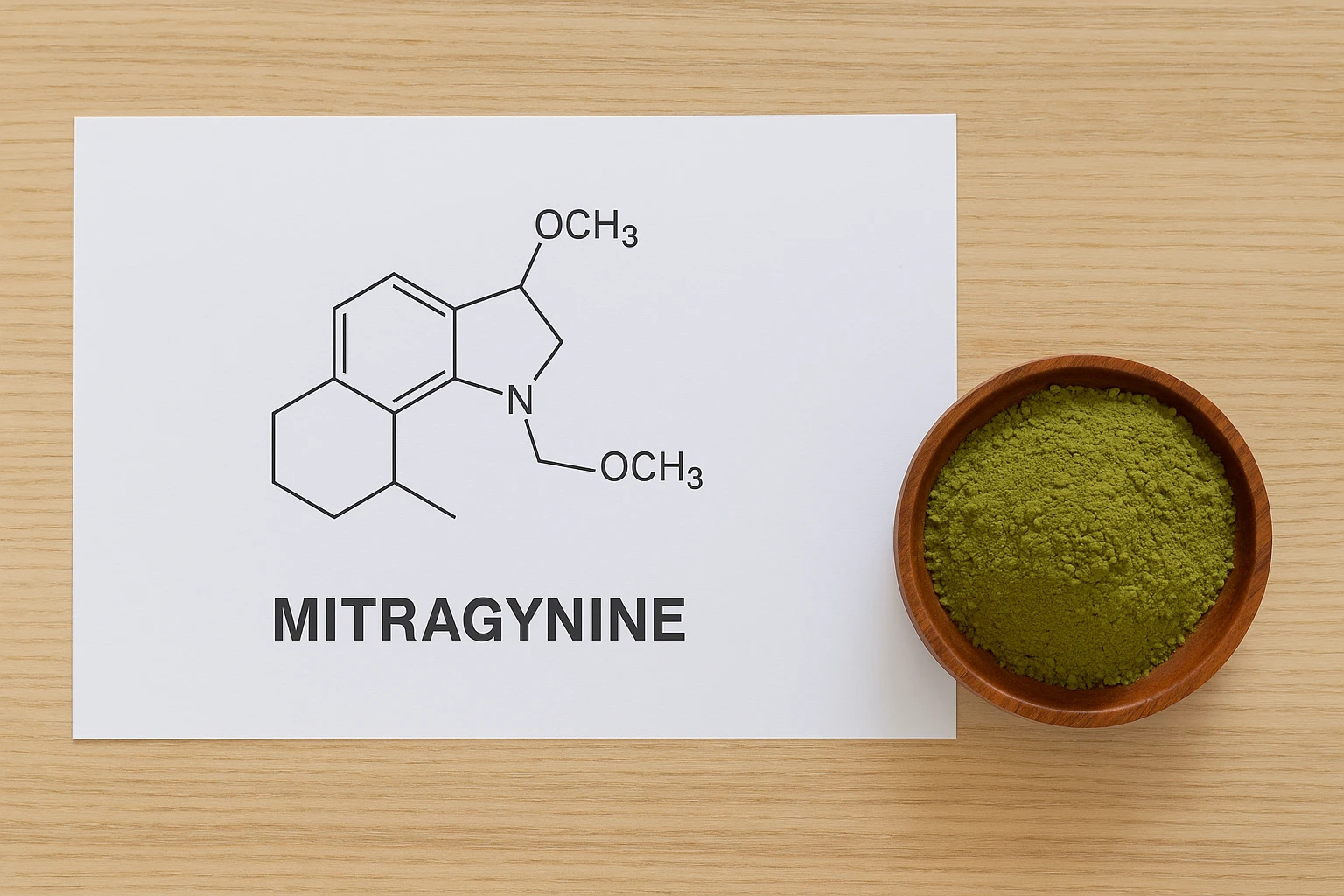
Kratom, a tropical tree native to Southeast Asia, has captured global interest for its intricate chemical profile and historical uses. Central to its effects is mitragynine, a primary alkaloid that drives many of the plant’s notable qualities. For those new to kratom, grasping this compound’s role provides a clear entry point into understanding the plant. This blog will go into detail about mitragynine’s structure, function, and significance in kratom, offering an accessible introduction for beginners.
The Basics of Kratom and Its Alkaloids
Kratom, or Mitragyna speciosa, thrives in the humid forests of countries like Thailand, Malaysia, and Indonesia. For centuries, local communities have valued its leaves for their energizing and calming effects. These properties stem from alkaloids, naturally occurring compounds in the plant that interact with the body. Among the dozens of alkaloids in kratom, mitragynine is the most abundant and influential, shaping the plant’s unique character.
Alkaloids are organic molecules common in certain plants, often with distinct physiological impacts. In kratom, they create a spectrum of effects, from stimulation to relaxation. While mitragynine leads the pack, other alkaloids like 7-hydroxymitragynine also play roles. This post will focus in on the primary alkaloid, exploring its essence while making it simple for the average user.
What Exactly Is Mitragynine?
Mitragynine is an indole alkaloid, defined by its specific molecular framework. It constitutes about 0.5% to 2% of kratom leaves’ dry weight, though this percentage fluctuates based on strain, growth conditions, and harvest timing. Its chemical formula, C23H30N2O4, outlines a complex blend of carbon, hydrogen, nitrogen, and oxygen. For non-chemists, this simply means it’s a structured compound tailored to influence the body in unique ways.
First isolated in 1921 by chemist Ellen Field, the alkaloid was named after the Mitragyna genus, reflecting its botanical origins. Since its discovery, it has been a focal point for researchers seeking to decode kratom’s effects. Its prominence in the leaves makes it a cornerstone of the plant’s identity.
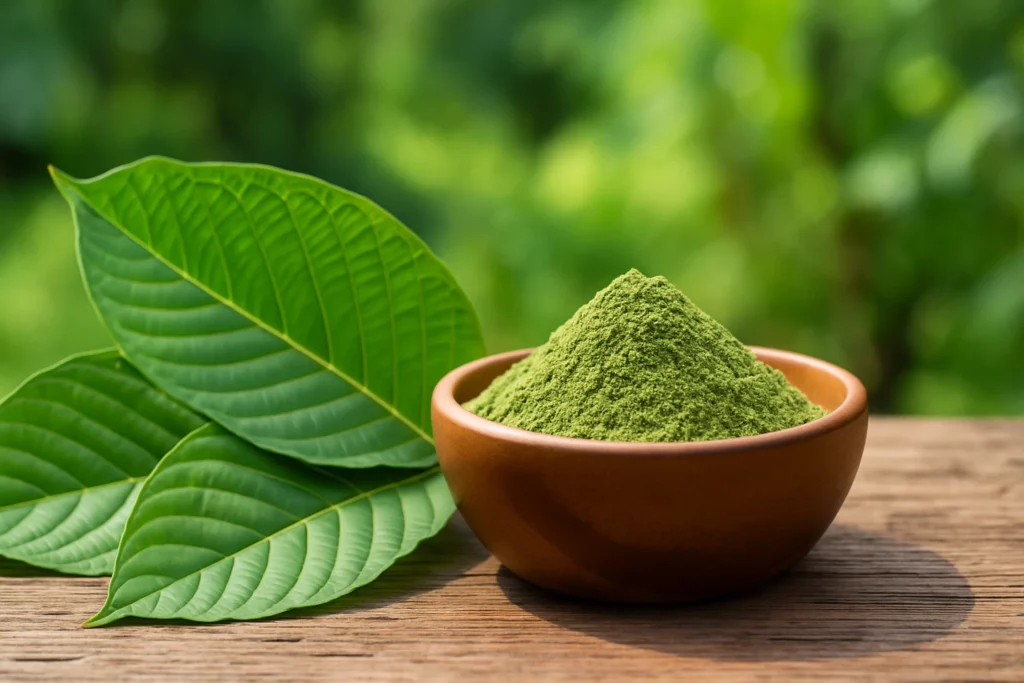
Fresh green kratom leaves accompanied by a wooden bowl filled with kratom powder on a wooden table.
How Mitragynine Shapes Kratom’s Effects
The alkaloid’s impact on kratom’s effects is significant. Whether kratom leaves are chewed, brewed as tea, or ground into powder, mitragynine drives much of the plant’s versatility. Users report varied experiences, from heightened alertness to tranquility, depending on dosage and strain. While other compounds contribute, this alkaloid sets the stage for these sensations.
At lower doses, kratom often boosts energy and focus, with mitragynine likely fueling this alertness. At higher doses, the plant’s soothing qualities surface, and the alkaloid’s role adapts to promote calm. This adaptability makes kratom appealing to those exploring natural plant-based options.
The Chemistry Behind the Alkaloid
A glimpse into mitragynine’s chemistry reveals why it’s so effective. Its indole structure resembles compounds in other plants, like those related to serotonin or yohimbine. This design enables it to engage with the body’s systems, though the precise pathways are still being explored. The alkaloid’s behavior hinges on its synergy with other kratom compounds, amplifying its effects.
The alkaloid’s presence in leaves varies. Soil nutrients, sunlight exposure, and tree age all influence its concentration. Leaves from mature trees or fertile regions may pack higher levels, explaining why some kratom batches feel more potent than others.
Mitragynine’s Role in Kratom Strains
Kratom “strains” refer to variations of the plant with distinct alkaloid profiles, often named for their region or leaf vein colour, like Red Bali or Green Malay. Mitragynine is a constant across these strains, but its concentration and balance with other compounds define each one’s personality.
Green-vein kratom, for instance, is prized for its balanced effects, blending mild stimulation with relaxation. This likely stems from a moderate alkaloid level. Red-vein strains, known for their calming properties, may feature a different alkaloid mix, though mitragynine remains pivotal. Understanding these nuances helps beginners select a kratom strain that matches their goals.
How Mitragynine Is Extracted from Kratom
The process of accessing mitragynine begins with harvesting kratom leaves. Farmers select mature leaves, which are dried and processed into powder or other forms. In labs, techniques like solvent extraction or chromatography isolate the alkaloid, separating it from other plant materials for research or specialized products. For most users, extraction isn’t needed. The alkaloid is naturally present in kratom powders, capsules, or teas, absorbed alongside other compounds when consumed. This natural delivery makes kratom user-friendly, requiring no complex preparation to experience its effects.
Factors Influencing Mitragynine Content
The alkaloid’s levels in kratom leaves depend on several variables:
Environmental Factors: Soil quality, rainfall, and sunlight shape alkaloid production. Trees in tropical, nutrient-rich areas often yield higher concentrations.
Harvest Practices: Mature leaves typically contain more of the alkaloid than younger ones. Timing the harvest optimizes potency.
Processing Techniques: Drying methods, like sun-drying or controlled indoor drying, affect alkaloid stability. Poor handling can degrade the compound.
Strain Differences: Each kratom variety has a unique alkaloid profile, even within the same region.
These factors explain variations in kratom’s effects across batches, guiding beginners to seek consistent, high-quality sources.
A large green kratom leaf rests beside a black supplement bottle with scattered kratom capsules, illuminated softly.
Traditional Uses and Mitragynine’s Role
In Southeast Asia, kratom has deep cultural roots. Workers chewed leaves to sustain energy during long hours, while others brewed them for relaxation. Mitragynine, though unnamed in traditional contexts, was the key to these benefits. Its presence made kratom a practical tool for daily life. Today, kratom’s global use echoes these traditions. People turn to it for focus, calm, or a blend of both, with the alkaloid anchoring these experiences. Its historical significance highlights why kratom remains relevant across time and cultures.
How Mitragynine Fits into Modern Kratom Use
Modern kratom appears in powders, capsules, teas, and concentrated extracts. Mitragynine shapes the character of these products. A powder with high alkaloid content might feel more robust, while extracts amplify the compound’s effects. For beginners, standard powders or capsules offer a balanced introduction, delivering the alkaloid naturally. As users explore kratom, they notice how products highlight the alkaloid’s range. This versatility allows individuals to modify their experience, whether seeking clarity or relaxation.
Mitragynine’s Stability and Storage
The alkaloid’s potency depends on proper storage. Exposure to light, heat, or moisture can degrade mitragynine, reducing its effectiveness. Storing kratom in airtight, opaque containers in a cool, dry place preserves its quality. This ensures the alkaloid remains stable, maintaining consistent effects. Beginners should purchase kratom in small amounts and store it carefully. Vacuum-sealed bags or dark jars work well. Proper care and storage of kratom protects the alkaloid and enhances the users experience.
Common Misconceptions About Mitragynine
Kratom’s rise has sparked myths about its components. Here are some clarifications:
It’s Not the Sole Active Compound: Mitragynine leads but works with other alkaloids for kratom’s full effect.
Higher Levels Don’t Always Mean Better: Balance, not just quantity, shapes the experience.
It’s Completely Natural: The alkaloid occurs in kratom leaves without synthetic alteration.
A farmer squats near a serene stream, bathed in golden sunlight filtering through tree branches.
FAQ
Q: Does mitragynine exist in other plants besides kratom? A: Mitragynine is primarily found in Mitragyna speciosa, the kratom tree. While related plants in the Mitragyna genus may contain similar alkaloids, this compound is unique to kratom in significant amounts. Its presence is a defining feature of the plant’s chemical makeup.
Q: Can the body build a tolerance to mitragynine over time? A: With regular kratom use, the body may adapt to its alkaloids, including mitragynine, potentially requiring higher doses for the same effects. To minimize this, users often rotate strains or take breaks to maintain sensitivity, though beginners should start with small, infrequent doses.
Q: How does mitragynine’s effect change with different consumption methods? A: The alkaloid’s effects vary by preparation. Chewing fresh leaves or brewing tea may release it gradually, while powders or capsules deliver it more directly. Extracts concentrate the compound, intensifying effects. The method influences onset and duration, but the alkaloid’s core role remains consistent.
Q: Is mitragynine affected by combining kratom with food or drink? A: Consuming kratom with food, especially heavy meals, may slow the absorption of mitragynine, delaying or mellowing its effects. Taking it on an empty stomach often leads to faster, stronger results. Citrus juices or teas may enhance absorption due to their acidity, though effects vary by individual.
Q: Why do some kratom products feel stronger than others, even with the same strain? A: Variations in mitragynine content, due to growing conditions, harvest timing, or processing, can make batches differ. Additionally, storage conditions and the presence of other alkaloids influence potency. Sourcing from consistent suppliers helps ensure reliable quality.
Conclusion
For those new to kratom, mitragynine is the gateway to understanding the plant’s potential. It’s the primary force behind kratom’s effects, shaping how strains and doses feel. Learning about this alkaloid equips you to make informed choices about kratom products and their applications. Think of it as the cornerstone of your kratom exploration. Whether you’re curious about its energizing or calming effects, mitragynine is at the heart. This knowledge empowers you to navigate kratom with confidence and curiosity.
Kratom’s allure lies in its adaptability, and mitragynine is the key to that flexibility. From its historical uses to its role in modern products, this alkaloid defines kratom’s essence. For beginners, understanding it offers a solid foundation for exploring the plant thoughtfully. As you venture into kratom’s world, keep mitragynine in focus. It’s the thread weaving together every leaf, strain, and experience. With this insight, you’re ready to discover what kratom has in store, tailoring your journey to your needs.
Disclaimer
This blog on kratom and its primary alkaloid, mitragynine, is provided solely for informational purposes and should not be considered a substitute for professional medical advice, diagnosis, or treatment. It has not been approved by regulatory bodies, such as Health Canada or the FDA, for any medical use, and its consumption may lead to side effects including nausea, dizziness, constipation, dependency, or, in rare cases, more serious adverse reactions.
Individuals are strongly advised to consult a qualified healthcare professional before using kratom, particularly if they have pre-existing medical conditions, are pregnant or breastfeeding, are taking medications, or are using other substances, as kratom may interact with medications or worsen certain health conditions.
Individual responses to kratom can vary significantly due to factors such as tolerance, body chemistry, and product quality, meaning the experiences described may not apply universally. By engaging with this content, readers acknowledge their responsibility for any decisions regarding kratom use, are encouraged to exercise caution, conduct thorough research, and prioritize their health and safety. The author and publisher bear no liability for any adverse effects, consequences, or damages resulting from the use of kratom.
On February 16, 2026, select provinces will observe regional holidays.
Canada Post will operate as normal and all shipments will be processed as usual.
FedEx will be closed in Prince Edward Island (Islander Day); Alberta, British Columbia, Ontario, Saskatchewan, and New Brunswick (Family Day); Manitoba (Louis Riel Day); and Nova Scotia (Heritage Day). FedEx shipments to these provinces will move the next business day.