


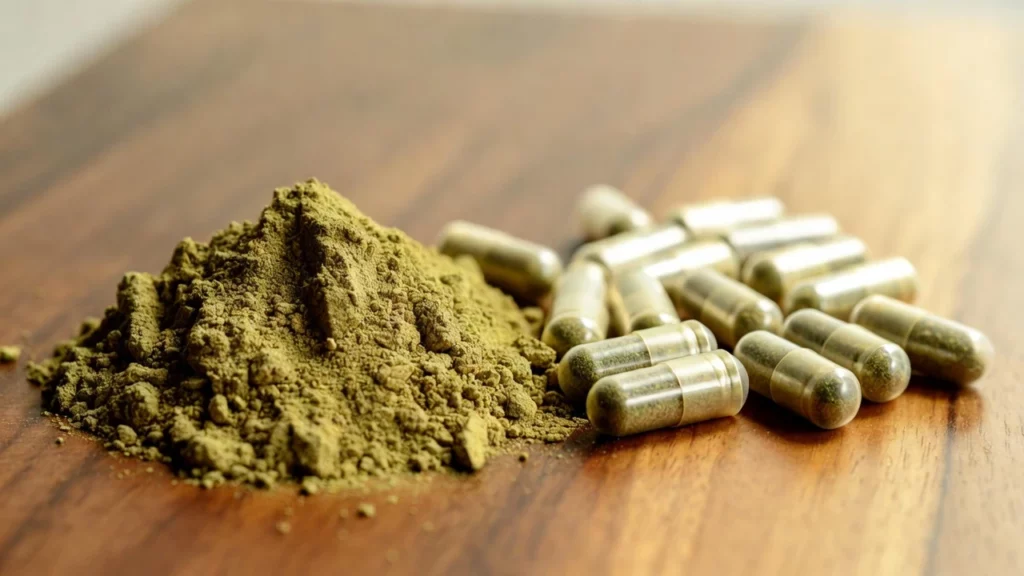
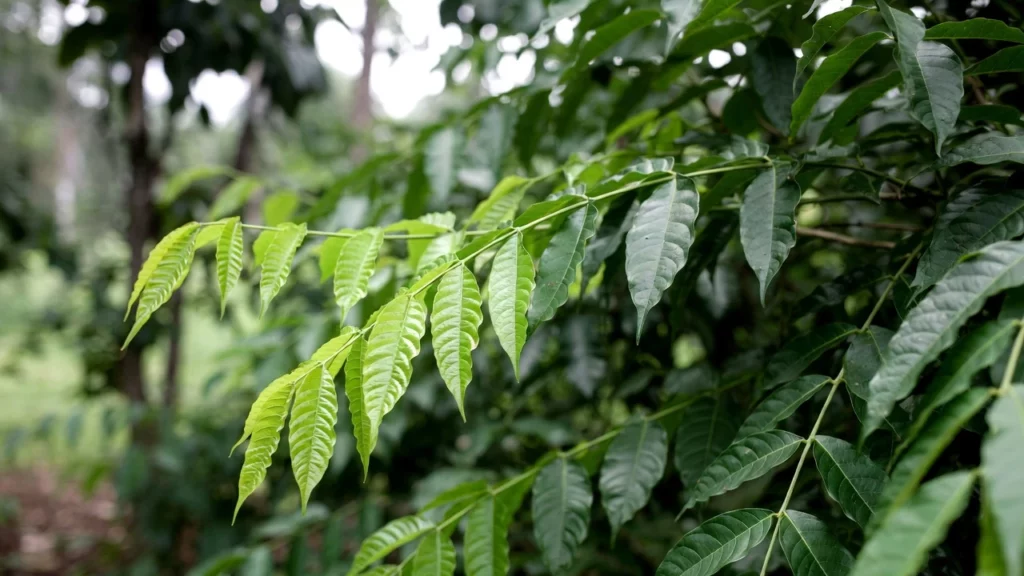
Exploring kratom often means wading through a sea of online discussions filled with confusing jargon and shifting definitions. Whether from forums, vendor pages, or casual conversations, these terms can lead to mixed expectations, unnecessary concerns, and even hesitation about trying the plant at all. Kratom, is a tree native to regions like Thailand, Indonesia, and Malaysia, has a long history of traditional use in Southeast Asia. Today, people encounter it in forms like dried leaf powder or capsules, but the terminology surrounding it blends plant biology, processing methods, and personal experiences in ways that can feel overwhelming.
Many newcomers run into the same points of confusion repeatedly. This blog post clarifies seven of the most commonly misunderstood kratom terms, drawing on accurate details about how the plant is cultivated, harvested, dried, and prepared. By addressing these head-on, the aim is to provide a clear foundation so readers can approach discussions and personal exploration with greater confidence and fewer misconceptions.
1. What “Strains” Actually Means in Kratom
One of the biggest misunderstandings revolves around the word “strains.” Many people assume kratom strains are like distinct plant varieties or separate species with fixed genetic differences, similar to cannabis strains. In reality, kratom “strains” refer mostly to categories based on the colour of the leaf vein and how the leaves are handled after harvest.
The three primary categories are red vein, green vein, and white vein.
- Red vein kratom uses mature leaves where the vein has turned reddish. These leaves often go through longer drying periods, sometimes with sunlight exposure or controlled fermentation, which darkens the product and influences its profile.
- Green vein kratom comes from leaves harvested at a midpoint in maturity. The veins stay greener, and processing is usually lighter to preserve that colour and balance.
- White vein kratom involves younger leaves picked earlier, with drying methods that include more indoor air circulation or limited light to keep the veins pale.
People often expect huge, predictable differences between these colours, as if they were completely different plants. While general patterns exist, red vein is frequently described as more calming, green as balanced, and white as more uplifting. The actual experience depends heavily on dosage, individual body chemistry, tolerance, and even the specific batch. The term “strain” gets overused when vendors add regional names like Bali, Borneo, or Thai to the vein colour (e.g., Red Bali or Green Malay).
These indicate harvest location or subtle growing conditions, but they do not create entirely separate genetic lines. Much of the variation comes from post-harvest steps rather than the tree itself. This misunderstanding leads some to chase one “strain” as the ultimate solution, when personal trial with moderation often reveals more about what suits someone best.
2. The Truth About Alkaloids (Especially Mitragynine and 7-Hydroxymitragynine)
Another heavily misunderstood kratom term is “alkaloid,” particularly when discussions focus on mitragynine and 7-hydroxymitragynine. Alkaloids are natural compounds produced by plants that can affect the body when consumed. Kratom contains more than 50 alkaloids, but mitragynine is the most abundant, typically making up the majority of the total alkaloid content in dried leaves. It plays a central role in the plant’s overall character.
7-Hydroxymitragynine (often shortened to 7-OH or 7-HMG) is a minor alkaloid naturally present in small amounts, usually under 2% of the total alkaloids in plain leaf material. Confusion arises when people hear that 7-hydroxymitragynine is “stronger” and assume any product mentioning it must be synthetic or adulterated. In natural kratom leaves, it exists as a trace compound. It can also form as the body metabolizes mitragynine. Variations in levels occur due to plant genetics, growing region, harvest timing, and drying methods, not because vendors add it artificially in standard products.
The misunderstanding grows when online claims suggest all potent batches are “spiked” with isolated 7-OH. Reputable plain-leaf kratom sticks to the natural composition of the leaves. Understanding alkaloids as the naturally occurring drivers behind kratom’s effects helps explain why one batch might feel different from another, even within the same vein colour or region.
3. Fermentation and Its Role in Processing
Fermentation is one of the more informal yet frequently misunderstood kratom terms, often popping up in casual discussions about why certain batches feel different or why some reds seem extra potent. In basic terms, fermentation refers to a controlled process where freshly harvested leaves are piled, bagged, or left in humid conditions to allow natural bacterial activity to break down parts of the plant material. This step changes the leaf colour (often darkening it) and can shift the alkaloid balance, sometimes converting more mitragynine into 7-hydroxymitragynine or altering other minor compounds.
Traditional examples include Bentuangie (a fermented red vein variety popular in Indonesia), where leaves undergo this process during drying to produce a smoother, sometimes more sedative profile. People new to kratom often confuse fermentation with something artificial or risky, like spoilage or chemical treatment. In reality, it is a natural, time-honoured technique used by growers in Southeast Asia to enhance certain qualities, similar to how tea or coffee processing involves oxidation or aging.
Not all kratom is fermented. Most plain powders skip heavy fermentation to keep the natural profile intact, but when it is applied, it subtly influences the end result without adding external substances. This term gets muddled because vendors might highlight “fermented” as a premium feature, leading some to think it is always better or that non-fermented kratom is inferior. The truth is it depends on preference: fermentation can mellow bitterness or intensify relaxation-oriented effects, but it is just one processing variable among many.
4. Enhanced and Ultra-Enhanced Products
Closely related is the term “enhanced,” which causes similar confusion. Enhanced powders (sometimes labeled ultra-enhanced or UEI) start with plain leaf powder and add kratom-derived extract back into it to raise alkaloid levels. This creates something stronger than standard powder but less concentrated than pure extract.
A frequent misunderstanding is that “enhanced” means artificial chemicals or non-kratom additives. In legitimate products, enhancement uses concentrated material from the same plant. The result offers convenience for those seeking more pronounced effects without consuming large amounts of powder. Because potency is higher, starting with tiny amounts is crucial. Forums sometimes label all enhanced items as unsafe, but the issue usually stems from improper dosing rather than the product itself.
5. Dosage and the Dose-Dependent Nature of Effects
Dosage terms like “low dose,” “moderate,” or “high” are among the most misunderstood kratom terms because they seem straightforward but vary greatly by person. Effects shift with amount: smaller servings often lean toward more energizing qualities, while larger ones move toward relaxing ones. New users might think 2 grams is universally “low,” but factors like body weight, metabolism, empty or full stomach, and prior experience change everything.
Tolerance is another misunderstood aspect here. With regular, frequent use, the body can adapt, meaning more might be needed over time for the same level of effect. This adaptation does not happen immediately and differs widely. Many believe tolerance builds instantly or is permanent, but taking periodic breaks often helps restore sensitivity. Clear dosage awareness prevents overconsumption and supports sustainable patterns.
6. Maeng Da: Premium Label or Specific Strain?
“Maeng Da” confuses many because it sounds like a specific variety. The term roughly translates from Thai as “pimp grade” or high-quality grade, originally referring to selected, high-performing plants, sometimes grafted or carefully cultivated for stronger alkaloid profiles. Today, vendors apply Maeng Da to potent batches across red, green, or white vein colours.
Some think Maeng Da is a single genetic strain from one place, but it is more a quality descriptor. A Red Maeng Da might come from Thailand or another region where growers focused on potency through selection and processing. This label does not guarantee identical effects across vendors, which adds to the confusion. It highlights how marketing terms can overlap with real cultivation differences.
7. Tolerance, Dependence, and Withdrawal Perceptions
Finally, terms like tolerance, dependence, and withdrawal get twisted into extreme comparisons. With consistent heavy use, some experience adaptation (tolerance) and mild discomfort when stopping, such as restlessness, mild aches, or irritability, often likened to strong caffeine withdrawal for many. This is not universal; occasional use rarely leads to noticeable issues.
A major misunderstanding compares kratom withdrawal to severe opioid withdrawal. While both involve discomfort in heavy users, the intensity and profile differ due to how the plant’s compounds interact with the body. Dependence can develop physically with frequent high amounts, but it differs from compulsive addiction patterns. Mindful use, including regular breaks, minimizes these concerns for most.
Frequently Asked Questions About Kratom Terminology
Q: What is the real difference between kratom “strains” and vein colours?
A: Vein colours (red, green, white) refer to the actual leaf vein appearance at harvest and the resulting processing effects on colour and profile. “Strains” is a broader vendor term that combines vein colour with regional names (like Bali or Maeng Da) and sometimes processing style. True genetic strains are rare; most variation comes from maturity stage, drying, and handling rather than separate plant varieties.
Q: Are enhanced products always more dangerous than plain powder?
A: No, enhanced products simply increase alkaloid concentration using natural kratom-derived extract added to plain powder. They are not inherently dangerous when sourced responsibly, but their higher potency means much smaller amounts are needed. The main risk comes from misjudging dosage, not the enhancement process itself.
Q: Does fermentation make kratom stronger or change its effects significantly?
A: Fermentation is a natural process that can darken the leaves and subtly shift the alkaloid balance, often leading to a smoother or more relaxing profile (as seen in varieties like Bentuangie). It does not dramatically transform the plant into something new, but it can enhance certain qualities depending on the method and starting material. Many users notice differences, but results vary by individual.
Q: How do I know what dosage is right if effects are so dose-dependent?
A: Start very low (1-2 grams for most newcomers) and increase gradually while noting personal factors like body weight, tolerance, and whether taken on an empty stomach. Effects often shift from more energizing at lower amounts to more relaxing at higher ones. Individual responses differ widely, so tracking your own experience is key.
Q: Will I build tolerance quickly, and how can I avoid it?
A: Tolerance develops gradually with frequent, consistent use, not immediately. Many users avoid or minimize it by taking regular breaks (days or weeks off), rotating vein colours or batches, and keeping doses moderate. Listening to your body and avoiding daily high-amount use helps maintain sensitivity over time.
Q: Are there big differences between plain powder, extracts, and fermented varieties?
A: Plain powder delivers the full natural leaf profile with standard potency. Extracts concentrate alkaloids for faster, more intense effects (requiring smaller doses). Fermented varieties (like Bentuangie) involve a natural microbial process that can alter colour and subtly shift the profile toward smoother or more relaxing qualities. All derive from the same plant; differences stem from processing.
Bringing It All Together: Why Accurate Terminology Matters
Understanding these misunderstood kratom terms is more than just clearing up confusion. It builds a foundation for safer, more informed decisions. When people know that “strains” are largely about harvest timing and processing rather than fixed genetics, or that fermentation is a traditional method rather than a modern gimmick, they can move past hype and focus on what actually influences their experience: dosage, personal response, batch variation, and responsible patterns of use.
Kratom remains a complex botanical with a long history of traditional use, and its terminology continues to evolve as more people encounter it. Misinformation spreads quickly online, often turning minor differences into dramatic claims or turning natural processes into suspicious ones. By grounding discussions in accurate explanations, recognizing vein colours as visual cues to processing, alkaloids as the plant’s natural chemistry, enhanced products as concentration adjustments, and tolerance as a gradual adaptation rather than an instant or irreversible change, readers gain clarity that reduces guesswork and unrealistic expectations.
Disclaimer
The information presented in this blog is for educational and informational purposes only and is not medical, legal, or health advice, nor a recommendation to use kratom. Consult a healthcare professional before considering kratom, especially if pregnant, breastfeeding, on medications, or with pre-existing conditions. Prioritize safety, moderation, and official Health Canada updates over unverified claims. Kratom is not approved by Health Canada for any medical use, and no kratom-containing products are authorized as natural health products, foods, or medicines in Canada.
Health Canada considers kratom an unauthorized product, meaning it cannot be legally sold, marketed, or labeled for human consumption. Vendors often use disclaimers like “not for human consumption” or “botanical specimen” to navigate regulations. Health Canada warns of serious risks, including nausea, vomiting, dependency, liver toxicity, seizures, respiratory depression (especially with concentrates), cardiac issues, and rare fatalities.
Risks increase with contaminated products, elevated 7-hydroxymitragynine levels, or combinations with alcohol, medications, opioids, or other drugs. Effects vary widely by dose, individual factors, tolerance, and product quality. Anecdotal reports of benefits for pain, energy, mood, or opioid withdrawal lack approved clinical evidence; self-medication carries significant hazards.
Regular or heavy use can lead to physical dependence and withdrawal symptoms (irritability, restlessness, aches, insomnia, flu-like effects), typically milder than traditional opioid withdrawal for many. The author and publisher of this content are not liable for any loss, injury, damage, or adverse effects arising from the use of kratom or reliance on the information provided herein.