


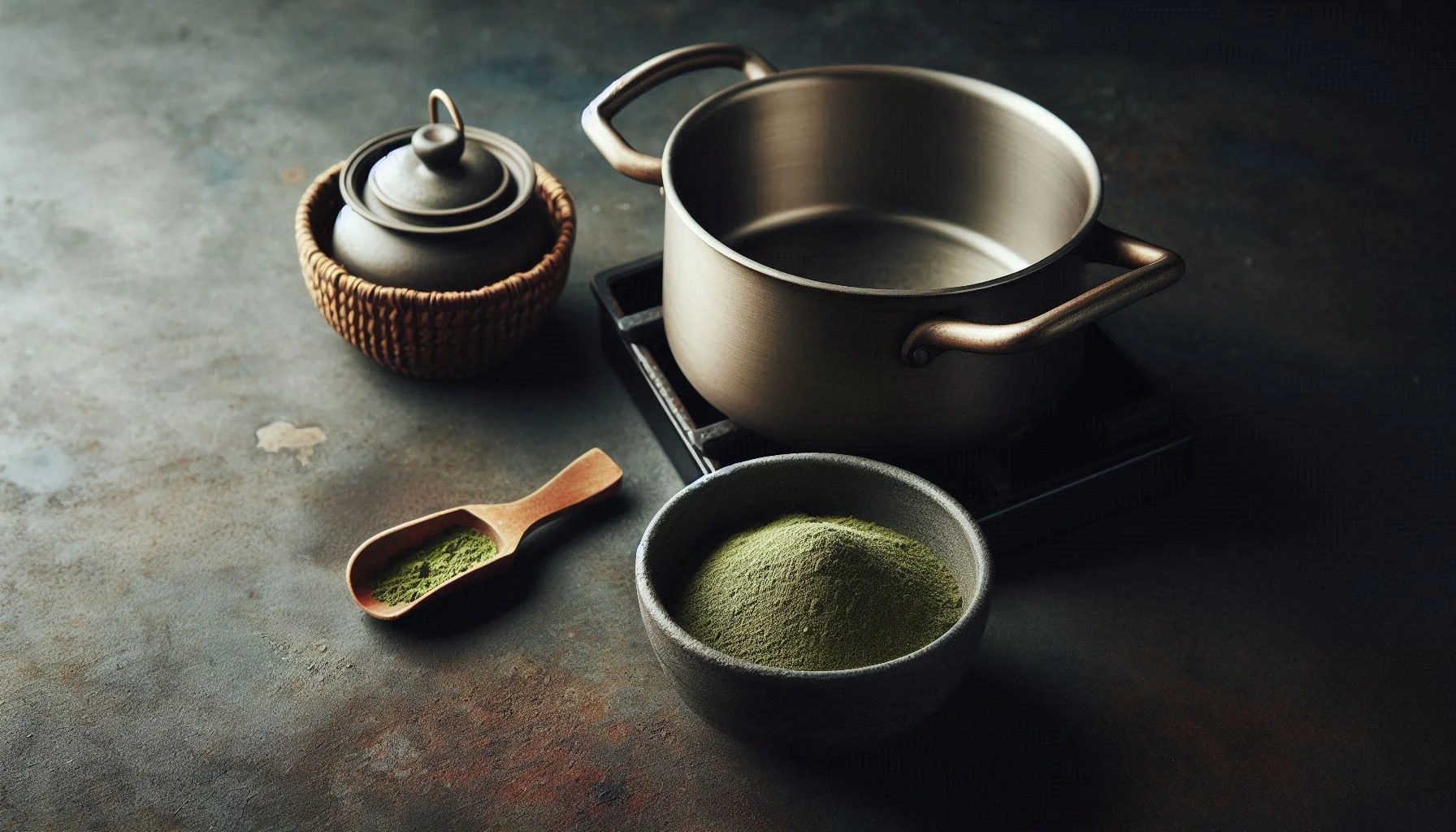

When exploring ways to prepare kratom powder, many users wonder about the impact of toasting or gently heating it. This curiosity often centers on the maillard reaction in kratom, a chemical process that might alter the powder’s properties when exposed to heat. Derived from the leaves of the Mitragyna speciosa tree, native to Southeast Asia, kratom has a rich history in traditional practices.
Today, people may experiment with heating methods to enhance its qualities, sparking questions about whether this changes its effects. By understanding more about the maillard reaction in kratom, we can uncover what happens during these preparations and what possibilities arise, all while keeping the information clear and grounded in known facts.
Understanding the Maillard Reaction
The maillard reaction is a fascinating chemical process that occurs when amino acids, the building blocks of proteins, interact with reducing sugars under heat. Named after French chemist Louis Maillard, who identified it in the early 20th century, this reaction is responsible for the golden crust on freshly baked bread or the rich aroma of roasted coffee. It’s a non-enzymatic process, meaning it doesn’t rely on biological catalysts but instead depends on heat to trigger a cascade of transformations.
At its core, the reaction begins when an amino acid’s nitrogen group bonds with a sugar’s carbonyl group, forming a Schiff base. This unstable compound rearranges into an Amadori product, which can further break down or combine into new molecules. The results include volatile compounds that create aromas and melanoidins, pigments responsible for browning. These changes contribute to the flavours and colours we associate with cooked foods.
For the reaction to occur, certain conditions must align. Temperatures between 140 and 165 degrees Celsius accelerate the process, though it can start at lower levels with prolonged exposure. Moisture influences the outcome, as dry heat produces different effects compared to wet environments, like steaming. The pH level also plays a role, with neutral or slightly alkaline conditions preferring certain pathways.
In the context of plant materials like kratom, the maillard reaction is relevant during drying or processing. Leaves naturally contain proteins and carbohydrates, which provide the raw materials for this chemistry. Traditional herbal practices often involve controlled heating to refine textures or enhance scents, and kratom preparation follows a similar logic. Understanding this process sets the stage for exploring how it applies to kratom powder.
Kratom Powder and Its Composition
To understand the maillard reaction in kratom, we first need to examine what makes up the powder. Kratom leaves are rich in alkaloids, the compounds primarily responsible for their effects. Mitragynine, the most abundant alkaloid, works alongside others like paynantheine and speciogynine to influence energy, mood, or relaxation, depending on the dose and strain. Beyond alkaloids, the leaves contain proteins, polysaccharides, and small amounts of sugars, all of which contribute to the plant’s chemistry.
When leaves are dried and ground into powder, these components become concentrated and evenly distributed. The fine texture increases the surface area, making the powder more responsive to external factors like heat or moisture. Typically, harvested leaves are air-dried to preserve their alkaloids, but this process can initiate minor chemical changes if temperatures rise. Commercial powders may undergo additional milling or low-heat treatment to ensure consistency, introducing further variables.
Proteins in kratom provide the amino acids necessary for the maillard reaction, while polysaccharides can break down into reducing sugars during drying. The powder retains about 10-15% moisture, enough to facilitate reactions when heated. Alkaloids, however, are relatively stable, with mitragynine resisting degradation up to around 40 degrees Celsius. This stability suggests that heating primarily affects the surrounding matrix rather than the core active compounds.
The colour of kratom powder offers clues about its processing. Freshly ground powder is often a vivid green, reflecting minimal alteration. Strains labeled “red” or “brown” typically result from extended drying or fermentation, processes that encourage browning similar to maillard effects. While not always intentional toasting, these methods hint at how heat influences the plant’s appearance and potentially its properties.
How Heating Triggers the Maillard Reaction in Kratom
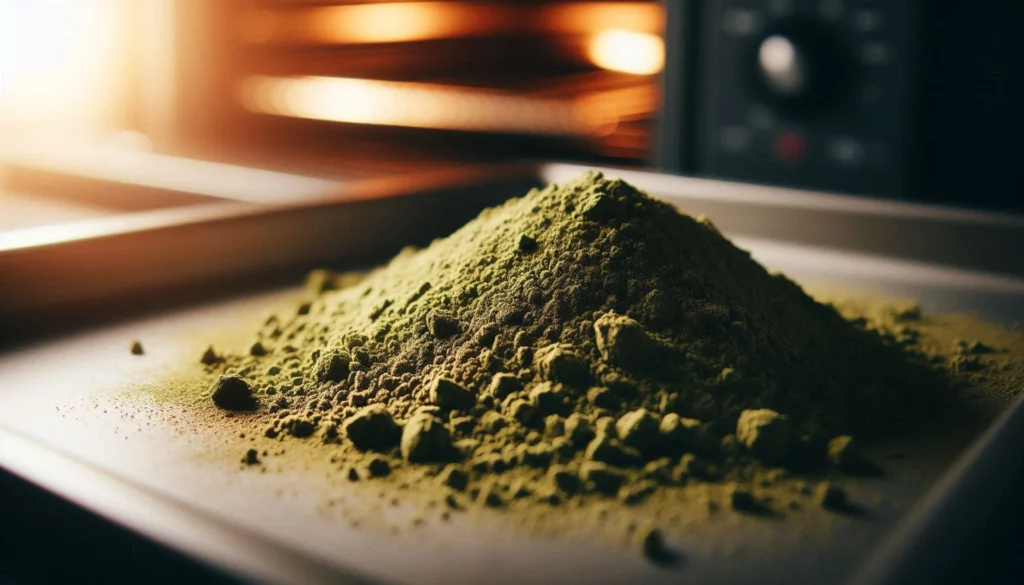
Toasting kratom powder is a uncommon practice among users, often done by spreading it thinly on a tray and warming it at 100-150 degrees Celsius for a few minutes. This gentle heat can trigger the maillard reaction in kratom as amino acids and sugars interact. The process begins with the formation of a Schiff base, which rearranges into an Amadori compound. With continued heat, these compounds fragment or combine, producing aromas and pigments.
The extent of the reaction depends on the powder’s composition. Kratom with higher protein content may react more readily, while limited sugar levels could temper the outcome. Most powders contain trace sugars from the leaf’s natural metabolism, sufficient for mild maillard activity. The method of heating also matters. Pan-toasting allows precise control, with stirring to prevent uneven exposure. Oven methods ensure even heat but require careful monitoring to avoid overdoing it. Wet heating, such as simmering in water for tea, combines moisture and warmth, favoring different chemical pathways.
Observations from users suggest that toasting causes visible changes. After a few minutes at 120 degrees Celsius, the powder’s edges may turn slightly brown, indicating melanoidin formation. Prolonged heating deepens this colour, creating a uniform shift. The aroma evolves from grassy to nutty or earthy, a hallmark of maillard volatiles like furans, which add subtle sweetness.
These changes align with practices in other botanicals. For example, in traditional Chinese medicine, heating herbs like ginseng enhances their properties through controlled maillard reactions. In kratom, the reaction modifies the powder’s physical structure, making it less fibrous and easier to mix into liquids or capsules. This practical benefit is a key reason users experiment with toasting.
Sensory and Physical Changes from the Maillard Reaction
The maillard reaction in kratom primarily influences sensory qualities. As melanoidins form, the powder shifts from green to yellowish-brown, signaling the reaction’s progress. This visual change is subtle at first but becomes more pronounced with longer heating. The aroma transforms as well, moving from the raw, bitter scent of fresh powder to a smoother, caramel-like note. These flavours arise from hundreds of compounds created during the reaction, each adding complexity.
Physically, the powder becomes less coarse after toasting. Heat breaks down some of the plant’s fibrous structure, resulting in a finer texture that blends more easily in water or other mediums. This can improve the experience for users who prepare kratom as a tea or use the toss-and-wash method, where clumping can be an issue.
Bitterness, a common complaint with raw kratom, may lessen slightly after toasting. The maillard reaction produces compounds that can mask sharp flavours, creating a more palatable profile. However, the core alkaloids remain intact, as mitragynine and others are stable at typical toasting temperatures. Data on similar plants suggests that brief exposure to 225 degrees Fahrenheit causes minimal degradation, well above standard toasting conditions.
The reaction may also affect how alkaloids are released. In some plant systems, maillard products form complexes that alter solubility, potentially making active compounds more accessible during digestion. For kratom, this could mean toasted powder extracts more efficiently in hot water, though clear evidence is sparse.

Does Heating Alter Kratom’s Effects?
The key question remains: does toasting or heating kratom powder change its effects? Based on available knowledge, the answer is nuanced. The primary effects of kratom stem from its alkaloids, which are largely unaffected by the moderate heat used in toasting. Mitragynine’s stability ensures that the powder’s core properties remain consistent, whether it’s consumed raw or heated.
That said, indirect changes can influence the experience. The smoother flavour of toasted kratom may make it easier to consume, potentially leading to more consistent dosing. The finer texture could improve dissolution in liquids, possibly speeding up onset when taken as a tea. Some users describe toasted kratom as feeling slightly milder or quicker-acting, though this likely results from physical changes rather than alterations to the alkaloids themselves.
Prolonged or excessive heating, such as boiling for extended periods, introduces more variables. At temperatures above 100 degrees Celsius for long durations, minor alkaloid degradation or conversion could occur, though not enough to eliminate effects. Traditional kratom teas, simmered briefly, show no significant loss of potency, suggesting that moderate heating aligns with established practices.
The maillard reaction’s products, like melanoidins or volatiles, don’t directly interact with alkaloids but may affect their delivery. For example, a modified matrix could enhance solubility, subtly influencing absorption. Without definitive data, these remain possibilities rather than certainties. Comparisons to other plants, like coffee, are useful: roasting enhances flavour without diminishing caffeine’s effects, and kratom potentially follows a similar pattern.
Practical Tips for Heating Kratom
For those interested in toasting kratom, a few guidelines ensure good results. Spread the powder thinly on a baking sheet and heat at 100-120 degrees Celsius for 3-5 minutes, stirring occasionally to maintain even exposure. Watch for a light brown colour to avoid over-toasting, which can introduce bitterness. A pan on low heat works too, offering hands-on control.
When preparing kratom tea, add the powder to hot water just off the boil, around 80-90 degrees Celsius, and steep for a few minutes. This extracts alkaloids efficiently while limiting excessive maillard activity. After heating, let the powder cool completely before storing it in an airtight container to preserve its properties.
Different strains may respond uniquely. Green kratom, with its fresher profile, may show more pronounced changes than red strains, which are already processed extensively. Experimentation can help find the right balance for individual preferences.Safety is important as well. Avoid high temperatures that could char the powder, and ensure good ventilation to handle the aromas released during toasting. These steps keep the process straightforward and effective.

Frequently Asked Questions
Q: What exactly is the maillard reaction in kratom?
A: The maillard reaction in kratom is a chemical process where amino acids and sugars in the powder interact under heat, producing new compounds that affect colour, aroma, and texture. It’s similar to the browning seen in baked goods and can enhance the sensory qualities of kratom without directly altering its primary alkaloids.
Q: Does toasting kratom make it more potent?
A: Toasting doesn’t significantly increase kratom’s potency, as its main alkaloids, like mitragynine, remain stable at moderate temperatures. However, the improved flavour and texture might make it easier to consume, potentially leading to a more consistent experience.
Q: Can heating kratom destroy its active compounds?
A: Moderate heating, such as toasting at 100-120 degrees Celsius for a few minutes, is unlikely to destroy kratom’s alkaloids. Prolonged exposure to very high temperatures could cause minor degradation, but traditional methods like simmering for tea preserve most effects.
Q: Why does toasted kratom taste different?
A: Toasting triggers the maillard reaction, which creates volatile compounds like furans that add nutty or caramel-like flavours. These mask the raw powder’s bitterness, making it more palatable for some users.
Q: Is it safe to heat kratom powder at home?
A: Yes, heating kratom is generally safe if done carefully. Use low temperatures (100-120 degrees Celsius) and avoid charring the powder. Ensure good ventilation to manage aromas, and store cooled powder in an airtight container to maintain quality.
Q: Are certain kratom strains better for toasting?
A: Green strains, which are less processed, may show more noticeable changes in color and flavor when toasted compared to red strains, which undergo extensive drying. Experimenting with different strains can help determine what works best for individual preferences.
Conclusion
Looking ahead, further exploration could clarify how maillard products interact with kratom’s alkaloids. For now, the reaction serves as a tool for users to curate their experience, grounded in the plant’s natural chemistry. In conclusion, the maillard reaction in kratom, triggered by toasting or heating, primarily affects sensory and physical properties. Alkaloids remain stable, ensuring that the powder’s effects are largely preserved. By understanding this process, users can make informed choices about preparation, enriching their engagement with this versatile plant.
Disclaimer
The information provided in this blog about the maillard reaction in kratom and its preparation methods is for educational and informational purposes only. It is not intended as medical advice, diagnosis, or treatment. Kratom (Mitragyna speciosa) is a botanical substance that has not been approved by Health Canada or other regulatory bodies for medical use. The effects, safety, and potential risks of kratom consumption, including when heated or toasted, are not fully studied, and individual responses may vary.
Heating kratom may alter its sensory properties, but there is limited scientific evidence on how such processes affect its safety or efficacy. Users should exercise caution, as improper handling or excessive heating could potentially degrade the product or produce unintended compounds. Kratom use carries potential health risks, including side effects such as nausea, dizziness, or dependency with prolonged use.
Always consult a qualified healthcare professional before using kratom, especially if you have pre-existing medical conditions, are taking medications, or are pregnant or breastfeeding. Ensure safe preparation practices, such as using controlled temperatures and proper ventilation, to minimize risks. The authors and publishers of this content are not responsible for any adverse effects or consequences resulting from the use of kratom or the methods described herein.