Lunar Herbalism: Revealing the Moon’s Influence on Plant Medicines
Faust
The practice of lunar herbalism weaves together the rhythms of nature and the cycles of the moon, offering a timeless approach to working with plant medicines. Across cultures and centuries, people have observed the moon’s phases, believing they hold sway over the potency of herbs and their effects on the human body. This ancient practice invites us to align with celestial rhythms, deepening our connection to the natural world. But does the lunar cycle truly influence how potent plant medicines can be in the body?
Understanding Lunar Herbalism
Lunar herbalism is the practice of harvesting, preparing, and using plant medicines in alignment with the moon’s phases. Rooted in traditional knowledge, it reflects a belief that the moon’s gravitational pull and energetic influence affect not only tides and human emotions but also the vitality of plants and their therapeutic properties. From Indigenous healers to medieval herbalists, many cultures have synchronized their herbal practices with lunar cycles, guided by observation and intuition.
The moon’s cycle, lasting approximately 29.5 days, is divided into eight phases: new moon, waxing crescent, first quarter, waxing gibbous, full moon, waning gibbous, last quarter, and waning crescent. Each phase is thought to carry unique energies that influence plant growth, harvesting, and the body’s response to herbal remedies. By timing herbal activities with these phases, practitioners aim to enhance the efficacy of their preparations and their impact on well-being.
The Moon’s Phases and Their Role in Herbal Practices
Each lunar phase offers distinct opportunities for working with plant medicines. Below, we explore how these phases shape lunar herbalism practices and their potential effects on plant potency.
New Moon: Planting and Intention-Setting
The new moon marks a time of beginnings, when the sky is dark, and the moon is invisible. In lunar herbalism, this phase is ideal for planting seeds, both literal and metaphorical. Herbalists may sow medicinal plants or set intentions for healing work. The quiet energy of the new moon is believed to support the germination of seeds, as the moon’s gravitational pull begins to increase, drawing water and nutrients upward in plants. This phase is less about harvesting and more about preparing the foundation for potent remedies.
For the body, the new moon is a time for renewal. Herbal teas or tinctures used during this phase may focus on detoxification or gentle nourishment, aligning with the body’s natural inclination to reset. While there is no direct evidence that plant medicines are more potent when consumed during the new moon, the symbolic act of starting anew can enhance the intention behind their use, promoting a deeper connection to the healing process.
Waxing Moon: Growth and Harvesting
As the moon transitions from new to full, its light grows, and so does its influence. The waxing phases, crescent, first quarter, and gibbous, are associated with growth and vitality. This is a prime time for harvesting plants, particularly those valued for their leaves, flowers, or stems. The belief is that the moon’s increasing pull enhances the flow of sap and essential oils, concentrating active compounds in the plant’s aerial parts.
For example, harvesting aromatic herbs like lavender or peppermint during the waxing moon may yield leaves rich in volatile oils, which contribute to their therapeutic effects. When these plants are used in remedies, their potency may feel amplified, as the body is thought to be more receptive to growth-oriented energies during this phase. Herbalists often prepare tinctures or infusions during the waxing moon to capture this delicate energy, believing it enhances the remedy’s ability to support vitality and restoration.
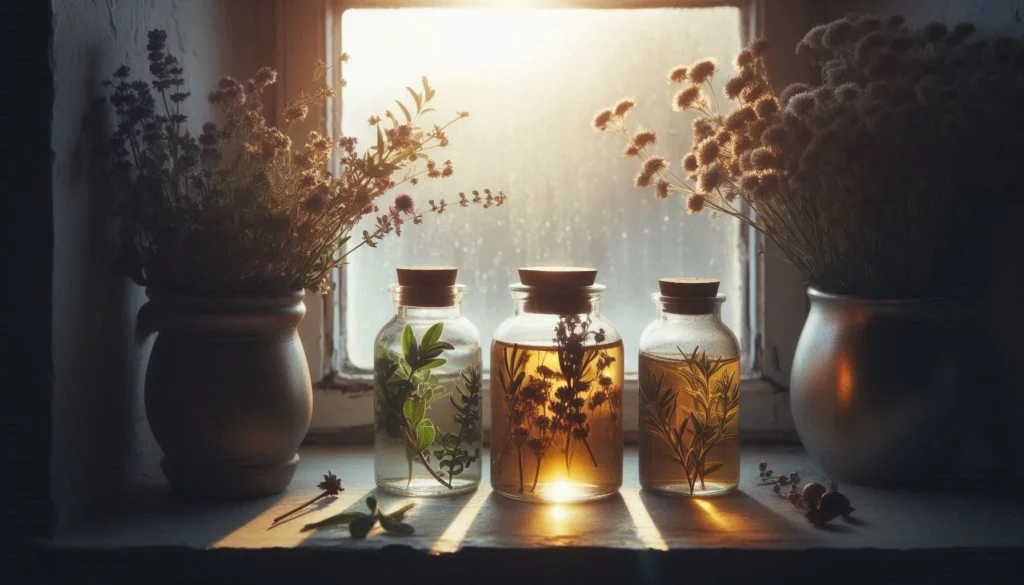
Herbal-infused oils in glass jars glow softly under warm sunlight, surrounded by dried flowers in pots
Full Moon: Peak Potency and Transformation
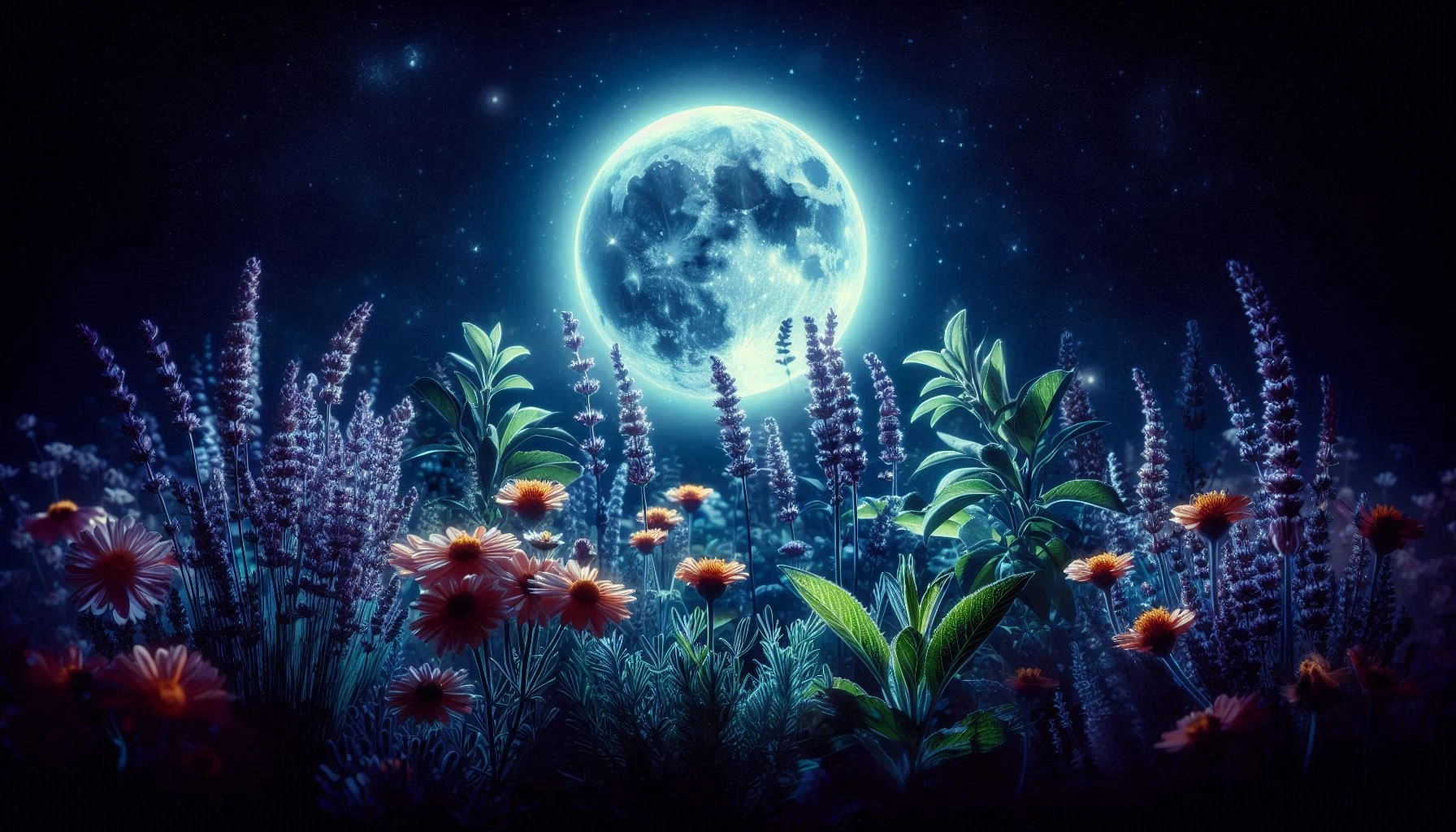
The full moon, radiant and powerful, is considered the pinnacle of the lunar cycle in herbalism. Its energy is associated with culmination and abundance, making it a preferred time for harvesting roots, berries, and other plant parts believed to be at their most potent. The moon’s gravitational pull is strongest during this phase, potentially influencing the concentration of active compounds in plants. For instance, roots like ginseng or dandelion, harvested under a full moon, are thought to contain higher levels of medicinal constituents due to the upward draw of nutrients.
When it comes to the body, the full moon is a time of heightened energy and emotional intensity. Herbal remedies taken during this phase may feel more impactful, as the body’s systems are believed to be more responsive. For example, adaptogenic herbs like ashwagandha might be used to balance stress, while calming herbs like chamomile could soothe restlessness. The full moon’s energy is also ideal for preparing potent infusions, oils, or salves, as the remedies are thought to absorb the moon’s transformative power.
Waning Moon: Release and Reflection
As the moon’s light diminishes during the waning phases, gibbous, last quarter, and crescent, the energy shifts toward release and introspection. In lunar herbalism, this is a time for harvesting plants used for cleansing or letting go, such as detoxifying herbs like burdock or nettle. The waning moon is also suited for processing and storing herbal preparations, as the decreasing light encourages preservation and consolidation.
In the body, the waning moon supports release, whether physical, emotional, or energetic. Herbal remedies used during this phase might focus on supporting digestion, elimination, or emotional grounding. For example, a tea made from fennel or ginger could aid in digestive cleansing, aligning with the body’s natural inclination to let go. While the potency of these remedies may not differ chemically, the waning moon’s energy can enhance the intention behind their use, creating a sense of alignment with natural cycles.
The Science Behind Lunar Influence on Plants
While lunar herbalism is steeped in tradition, modern science offers limited but intriguing insights into the moon’s effects on plants. The moon’s gravitational pull influences water movement, most notably in ocean tides, and some researchers suggest it may affect sap flow in plants. Studies on plant growth have shown that certain crops, like rice or potatoes, may exhibit slight variations in growth rates or water content during different lunar phases, possibly due to gravitational effects on soil moisture or plant physiology.
However, the idea that lunar phases directly enhance the potency of plant medicines in the body remains speculative. The active compounds in plants, such as alkaloids, flavonoids, or terpenes, are primarily influenced by factors like soil quality, climate, and harvest timing. While lunar herbalism emphasizes the moon’s role, the potency of a remedy likely depends more on the plant’s growing conditions and preparation methods than on celestial timing alone.
That said, the placebo effect and the power of intention cannot be overlooked. When individuals align their herbal practices with the lunar cycle, they may experience a heightened sense of connection and purpose, which can amplify the perceived effects of plant medicines. This psychological boost, combined with the rituals of lunar herbalism, may enhance the overall healing experience, even if the biochemical potency remains unchanged.
Cultural Perspectives on Lunar Herbalism
Lunar herbalism is not a singular practice but a tapestry of traditions woven across cultures. Indigenous communities in North America, for instance, have long observed lunar cycles in their harvesting practices. Some tribes believe that plants harvested under specific moons carry unique spiritual or medicinal qualities, passed down through oral traditions. For example, certain Native American healers might gather sage during a full moon for smudging ceremonies, believing its cleansing properties are amplified.
In Ayurveda, the ancient Indian system of medicine, lunar cycles are considered when preparing herbal remedies. The full moon, known as Purnima, is seen as a time of heightened energy, ideal for crafting potent tonics or rejuvenating rasayanas. Similarly, in Traditional Chinese Medicine, the lunar calendar influences the timing of herbal prescriptions, with practitioners aligning treatments with the body’s energetic shifts during lunar phases.
European herbal traditions, particularly those from medieval times, also reflect lunar influences. The Doctrine of Signatures, a historical framework, suggested that plants’ appearances and growth patterns were linked to celestial forces, including the moon. Herbalists like Nicholas Culpeper, a 17th-century English botanist, recommended harvesting and administering herbs based on astrological and lunar alignments to maximize their effects.
These cultural practices highlight a shared belief in the moon’s influence, even if the mechanisms differ. Whether through spiritual, energetic, or gravitational lenses, lunar herbalism reflects humanity’s deep reverence for the interconnectedness of nature and the cosmos.
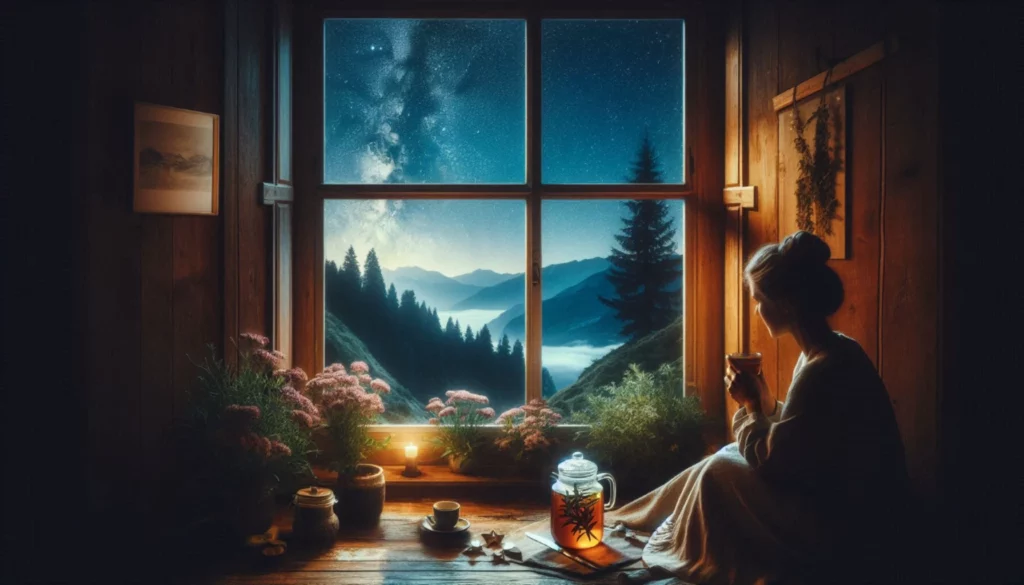
Warm tea moment unfolds inside a cabin, with a breathtaking starry night and mountains visible through the window
Practical Applications of Lunar Herbalism
For those interested in incorporating lunar herbalism into their lives, the practice is both accessible and adaptable. Here are some ways to align herbal practices with the lunar cycle, furthering a deeper connection to plant medicines and their potential effects.
Harvesting with Intention
When harvesting herbs, consider the lunar phase that aligns with the plant part you are gathering. For leaves and flowers, the waxing moon is ideal, as the plant’s energy is directed upward. For roots, the full or waning moon may enhance potency, as nutrients concentrate below ground. Always harvest ethically, taking only what you need and respecting the plant’s ecosystem.
Preparing Remedies with Purpose
The lunar cycle can guide the preparation of herbal remedies. For example, crafting a tincture during the full moon might infuse it with positive energy, while making a tea during the waning moon could emphasize cleansing properties. Stirring or infusing remedies under moonlight, especially during a full moon, is a ritual that many find enhances the remedy’s intention, even if the chemical composition remains unchanged.
Timing Consumption for Alignment
Using plant medicines in sync with lunar phases can deepen their impact. For instance, a calming lavender infusion might be sipped during the waning moon to promote rest, while an energizing ginseng tonic could be taken during the waxing moon to support vitality. Tracking the lunar calendar and experimenting with timing can help you discover what resonates with your body.
Creating Rituals for Connection
Lunar herbalism is as much about ritual as it is about practicality. Setting aside time to prepare or consume herbs under specific lunar phases can create a sense of harmony with nature. For example, brewing a tea during a new moon meditation or applying a salve under a full moon can transform a simple act into a meaningful ritual.
The Body’s Response to Lunar-Aligned Herbal Practices
Does the lunar cycle directly affect how potent plant medicines are in the body? While scientific evidence is limited, the body’s response to herbal remedies may be influenced by the psychological and energetic context of lunar herbalism. The moon’s phases are known to affect human behavior and physiology in subtle ways. For example, some studies suggest that sleep patterns or hormonal fluctuations may shift slightly during lunar cycles, potentially influencing how the body absorbs or responds to herbal compounds.
Moreover, the act of aligning herbal use with the lunar cycle can enhance mindfulness, which is known to support healing. When individuals approach plant medicines with intention and reverence, they may experience a placebo effect or a heightened sense of well-being, which can amplify the perceived potency of the remedy. For example, drinking a chamomile tea during a full moon ritual might feel more soothing because of the emotional and spiritual context, even if the herb’s chemical makeup remains consistent.
Challenges and Considerations in Lunar Herbalism
While lunar herbalism offers a rich framework for working with plant medicines, it is not without challenges. One consideration is the lack of empirical evidence supporting the moon’s direct impact on plant potency or bodily effects. Those who value scientific validation may find the practice more symbolic than practical, though the symbolic aspects can still be profoundly meaningful.
Another challenge is accessibility. Not everyone has the time, resources, or environment to harvest herbs under specific lunar phases. Urban dwellers or those without access to fresh plants may need to adapt by purchasing dried herbs and focusing on lunar-aligned preparation or consumption instead. Finally, lunar herbalism requires patience and observation. The lunar cycle unfolds over nearly a month, and its effects are subtle. Practitioners must be willing to experiment, reflect, and adjust their practices over time to discover what works best for them.
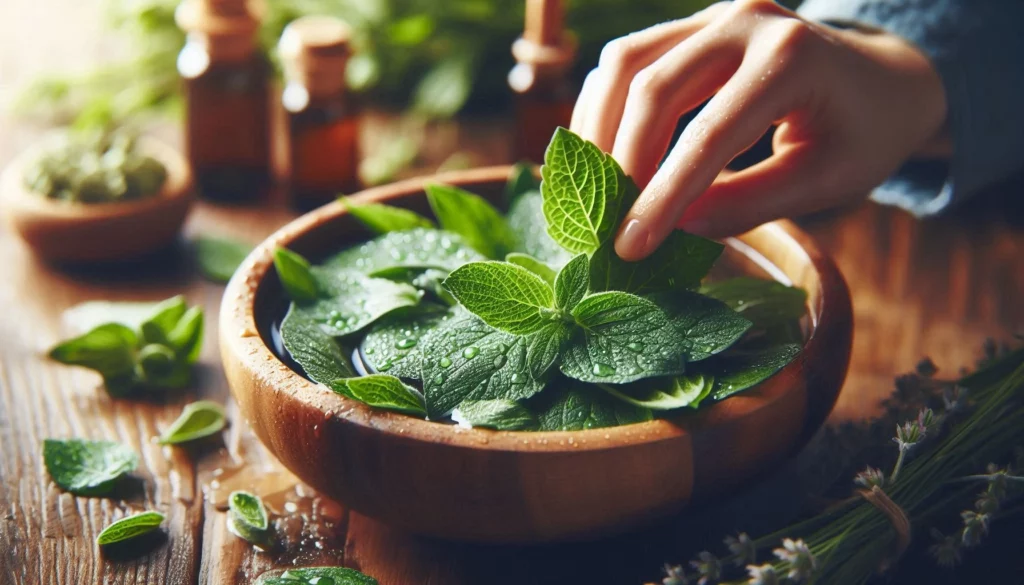
Delicate hand plucks vibrant green leaves from a wooden bowl, enhanced by herbal ambiance
Frequently Asked Questions About Lunar Herbalism
Q: What is lunar herbalism, and how does it differ from regular herbalism? A: Lunar herbalism is the practice of aligning herbal activities, such as harvesting, preparing, and using plant medicines, with the moon’s phases to enhance their potency or energetic effects. Unlike regular herbalism, which focuses on plant properties and preparation without celestial timing, lunar herbalism incorporates the moon’s cycles to guide these processes, emphasizing intention and natural rhythms.
Q: Can lunar herbalism be practiced with store-bought herbs? A: Yes, lunar herbalism can be adapted for store-bought herbs. While harvesting fresh plants under specific lunar phases is ideal, you can align the preparation or consumption of dried herbs with the moon’s cycles. For example, make a tea during the waning moon for cleansing or a tincture during the full moon for potency.
Q: Does the lunar cycle scientifically affect the potency of plant medicines? A: Scientific evidence on the lunar cycle’s direct impact on plant medicine potency is limited. Some studies suggest the moon’s gravitational pull may influence plant sap flow or water content, but factors like soil, climate, and harvest timing primarily determine potency. The benefits of lunar herbalism often stem from intention and mindfulness.
Q: Which lunar phase is best for beginners to start with in lunar herbalism? A: The full moon is a great starting point for beginners due to its association with peak energy and potency. Try harvesting roots or preparing remedies like oils or salves during this phase, as it is believed to enhance the plant’s active compounds and the remedy’s energetic impact.
Q: How can I track the lunar cycle for herbal practices? A: Tracking the lunar cycle is easy with a lunar calendar, available in apps, online tools, or physical almanacs. These resources show the moon’s phases and dates, helping you plan harvesting, preparation, or consumption. Observing the moon’s appearance in the sky can also guide your practice.
Q: Are there specific herbs best suited for lunar herbalism? A: Any medicinal herb can be used in lunar herbalism, but some are particularly suited to specific phases. For example, use lavender or peppermint during the waxing moon for vitality, chamomile during the full moon for calming, or burdock during the waning moon for cleansing.
Conclusion
Lunar herbalism is a bridge between ancient wisdom and modern curiosity, offering a framework for working with plant medicines in harmony with the moon’s cycles. While the science behind its effects remains inconclusive, the practice holds profound value for those who seek to align with nature’s rhythms. By harvesting, preparing, and using herbs in sync with the lunar phases, practitioners can deepen their connection to the earth and enhance the intention behind their healing journey.
Whether you are drawn to the new moon’s quiet beginnings or the full moon’s radiant power, lunar herbalism invites you to explore the subtle magic of plants and the cosmos, creating a meaningful path to well-being.
Disclaimer
The information provided in this blog is for educational and informational purposes only and is not intended as medical advice, diagnosis, or treatment. The practice of lunar herbalism, including the harvesting, preparation, and use of plant medicines in alignment with lunar cycles, is rooted in traditional and cultural practices and has not been fully substantiated by modern scientific research. While some studies suggest potential lunar influences on plant physiology, there is no conclusive evidence that lunar phases directly enhance the potency or efficacy of herbal remedies in the human body.
Always consult a qualified healthcare professional before using herbal remedies, especially if you are pregnant, nursing, taking medications, or have underlying health conditions. Herbal medicines can interact with medications or cause allergic reactions, and improper use may lead to adverse effects. Harvesting plants should be done ethically and safely, with awareness of local regulations and potential environmental impacts.
The authors and publishers of this content are not responsible for any health, safety, or medical outcomes resulting from the application of lunar herbalism practices. Always prioritize safety, conduct thorough research, and seek professional guidance when working with plant medicines.
On February 16, 2026, select provinces will observe regional holidays.
Canada Post will operate as normal and all shipments will be processed as usual.
FedEx will be closed in Prince Edward Island (Islander Day); Alberta, British Columbia, Ontario, Saskatchewan, and New Brunswick (Family Day); Manitoba (Louis Riel Day); and Nova Scotia (Heritage Day). FedEx shipments to these provinces will move the next business day.