



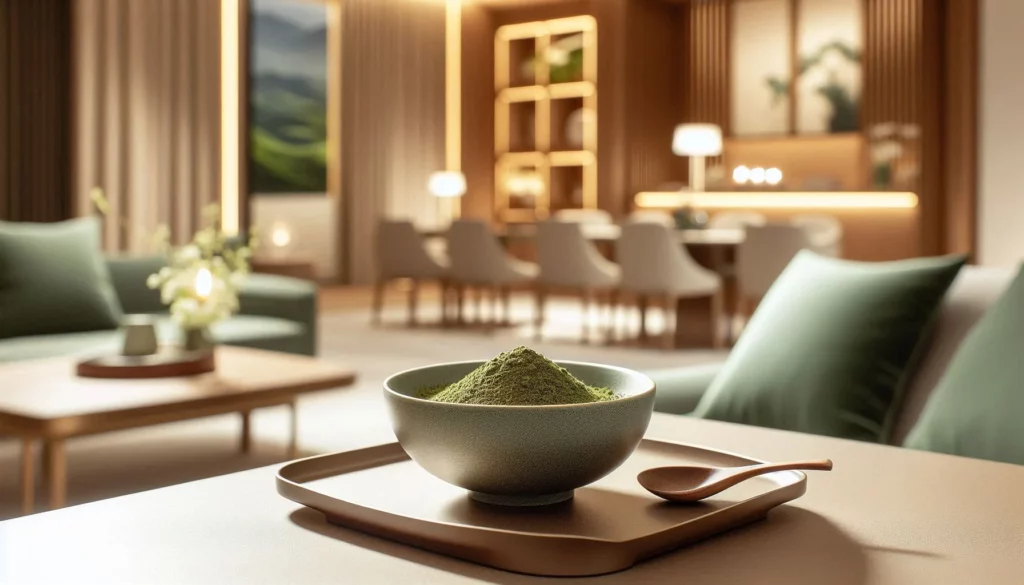
Kratom is valued for its potential to provide energy, relaxation, or focus. For users who wish to maintain its quality over extended periods, long-term kratom storage is a critical consideration. The active compounds in kratom, primarily mitragynine and 7-hydroxymitragynine, can degrade when exposed to environmental factors like air, light, moisture, and heat.
Proper storage methods ensure these alkaloids remain intact, preserving the botanical’s potency and freshness. Among the most effective approaches for long-term kratom storage are vacuum-sealed bags and non-vacuum bags, each offering unique benefits and challenges depending on whether you prioritize extended preservation or short-term accessibility.
Why Long-Term Kratom Storage Matters
Kratom is an organic material, typically processed into powder, capsules, or loose leaf after its leaves are harvested and dried. Like other botanicals, it is susceptible to degradation from environmental factors. Air causes oxidation, light breaks down alkaloids, moisture promotes mold, and temperature fluctuations accelerate deterioration. Effective long-term kratom storage minimizes these risks, ensuring the product retains its aroma, colour, and potency over time.
For users who purchase kratom in bulk to save costs or ensure a steady supply, long-term storage is essential. Even for those who use kratom regularly, understanding short-term storage options can prevent unnecessary waste. Both vacuum and non-vacuum bags address these needs, but their effectiveness varies depending on the duration and conditions of storage.
Vacuum-Sealed Bags: Optimal for Long-Term Kratom Storage
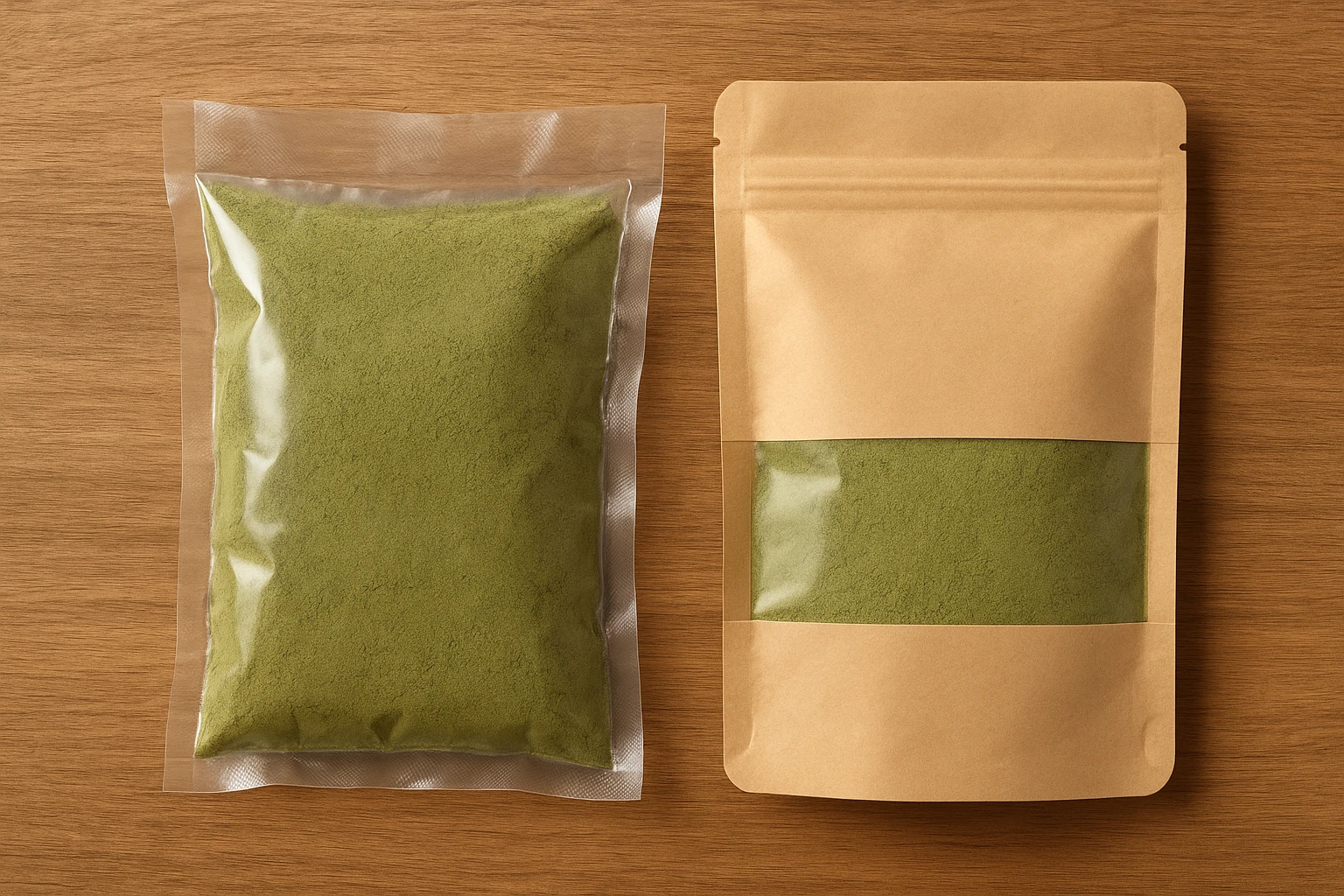
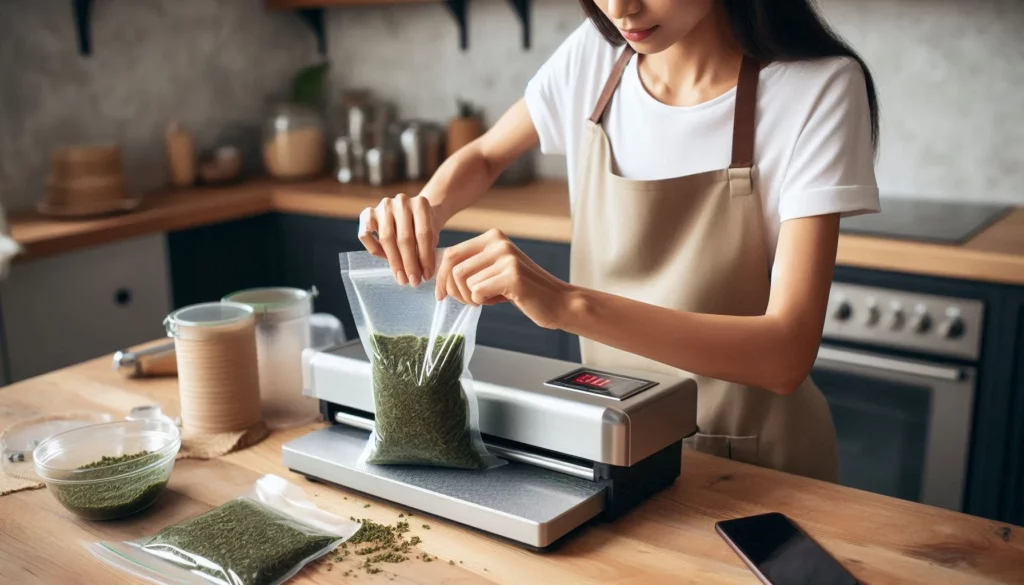
Vacuum-sealed bags are widely regarded as the gold standard for long-term kratom storage. By removing air from the storage environment, vacuum sealing creates an oxygen-free space that significantly slows oxidation, a key factor in alkaloid degradation. This method involves placing kratom in a specialized bag and using a vacuum sealer to extract air before sealing it tightly, resulting in a compact, airtight package.
How Vacuum Sealing Enhances Long-Term Storage
A vacuum sealer removes air from a bag, creating a tight seal that prevents oxygen from re-entering. This process, commonly used for food preservation, is highly effective for botanicals like kratom. The absence of oxygen slows chemical reactions that degrade alkaloids, preserving the kratom’s potency for extended periods. Vacuum-sealed bags are typically made of durable materials like Mylar or multilayer plastics, which provide additional protection against light and moisture.
Benefits for Long-Term Storage
Vacuum-sealed bags excel in extending kratom’s shelf life, often keeping it potent for a year or more when stored in a cool, dark place. The lack of oxygen minimizes the transformation of mitragynine into less effective compounds, ensuring the kratom remains effective. These bags also prevent moisture infiltration, reducing the risk of mold or bacterial growth, which is critical for organic materials stored long-term.
Another advantage is space efficiency. Vacuum-sealed bags are compact, making them ideal for storing large quantities of kratom. This is particularly beneficial for users who buy in bulk for long-term use. The bags are also portable, allowing for safe transport without risking air exposure.
Challenges for Long-Term and Short-Term Use
Despite their benefits, vacuum-sealed bags have some drawbacks. The initial cost of a vacuum sealer, ranging from $40 to over $300, may deter users who store small amounts or prioritize short-term use. Additionally, vacuum-sealed bags are less convenient for frequent access, as opening them introduces air, reducing the benefits of the seal. To address this, users can divide kratom into smaller portions before sealing, which is practical for long-term storage but less so for daily use.
Proper storage conditions are also essential. While vacuum-sealed bags protect against air and moisture, they must be kept in a cool, dark environment to prevent degradation from heat or light. For short-term users who access kratom frequently, the effort of resealing may outweigh the benefits.
Non-Vacuum Bags: Practical for Short-Term Storage
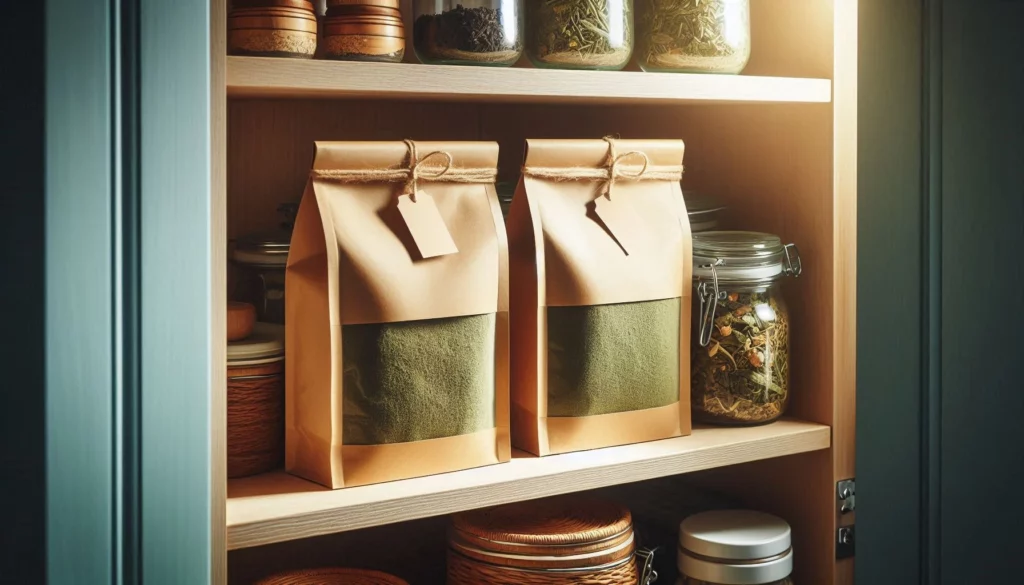
Non-vacuum bags, such as resealable Mylar or plastic pouches, are a popular choice for kratom storage, particularly for short-term needs. These bags feature zip-lock or press-to-seal closures, allowing multiple openings while offering some protection against environmental factors. They are often the default packaging provided by vendors, making them accessible and convenient.
How Non-Vacuum Bags Support Storage
Non-vacuum bags rely on manual air removal and a tight seal to protect kratom. Users can press out excess air before sealing, creating a semi-airtight environment. Made from materials like Mylar, these bags offer some resistance to light and moisture. While less effective than vacuum-sealed bags for long-term kratom storage, they are practical for short-term use, typically up to three to six months.
Benefits for Short-Term Storage
Non-vacuum bags are cost-effective, requiring no specialized equipment. Many vendors provide high-quality resealable Mylar bags, which are designed to protect against light and moisture. These bags are user-friendly, allowing easy access for daily or weekly use, making them ideal for short-term storage. Their resealable design eliminates the need for additional tools, unlike vacuum sealing.
Available in various sizes, from small 25-gram pouches to larger 1-kilogram bags, non-vacuum bags cater to diverse needs. Their opacity or UV-resistant properties provide some protection against light, making them suitable for short-term storage in proper conditions.
Challenges for Long-Term Storage
Non-vacuum bags are less effective for long-term kratom storage due to their inability to eliminate air completely. Residual oxygen can lead to gradual oxidation, reducing potency over time. They are also less resistant to moisture, especially in humid environments, increasing the risk of mold during extended storage. Resealable closures may weaken with repeated use, allowing air or moisture to enter. For long-term storage, non-vacuum bags require extra care, such as using oxygen absorbers or desiccant packets, to mimic the protective qualities of vacuum-sealed bags. Without these measures, their effectiveness diminishes over months.
Optimizing Kratom Storage for Long-Term and Short-Term Needs
To maximize the effectiveness of either storage method, follow these practices customized for both long-term and short-term storage:
Store in a Cool, Dark Place
Keep kratom in a stable, cool environment (around 50°F) with low humidity (below 40%). A pantry or closet away from heat sources or windows is ideal. Opaque or UV-resistant bags enhance protection against light, which is crucial for both long-term and short-term storage.
Minimize Air Exposure
For non-vacuum bags, press out air before sealing to reduce oxidation, especially for short-term storage. For vacuum-sealed bags, ensure an intact seal and consider smaller portions for long-term storage to limit air exposure during access. Oxygen absorbers can enhance protection in both methods.
Prevent Moisture
Moisture poses a significant risk, particularly for long-term storage. Store kratom away from humid areas, and ensure containers are dry before use. Desiccant packets can help absorb excess moisture, especially in non-vacuum bags or humid climates.
Monitor for Degradation
Regularly check kratom for signs of spoilage, such as faded colour, diminished aroma, or mold. Fresh kratom has a vivid hue and earthy scent. For long-term storage, inspections ensure quality; for short-term use, spoilage is less likely but still worth monitoring.
Freezing for Long-Term Storage
Freezing is an option for long-term kratom storage, particularly with vacuum-sealed bags. It maintains a consistent, cool environment, extending shelf life. Double-wrap bags to prevent condensation, and allow kratom to reach room temperature before opening to avoid moisture buildup.
Choosing the Right Method for Your Needs
Your storage choice depends on whether you prioritize long-term kratom storage or short-term accessibility. Non-vacuum bags are ideal for short-term use, offering convenience and affordability for daily or weekly consumption. Vacuum-sealed bags are the better choice for long-term storage, providing superior protection for bulk quantities or extended periods. By aligning your storage method with your usage patterns, you can ensure your kratom remains fresh and effective.
Even with the best storage methods, starting with the best kratom online in Canada is essential. Source from reputable vendors who provide fresh, lab-tested products. Proper handling and storage from the moment you receive your kratom will maximize its longevity, whether for short-term enjoyment or long-term preservation.
Frequently Asked Questions About Long-Term Kratom Storage
Q: How long can kratom last in vacuum-sealed bags compared to non-vacuum bags?
A: Vacuum-sealed bags can preserve kratom’s potency for a year or more when stored in a cool, dark, and dry environment, due to their airtight design that minimizes oxidation. Non-vacuum bags typically maintain quality for three to six months, as residual air can lead to gradual degradation over time.
Q: Can I reuse vacuum-sealed bags for kratom storage?
A: Reusing vacuum-sealed bags is possible if they remain intact and can form a tight seal, but it’s not ideal. Repeated use may weaken the material or seal, allowing air or moisture to enter. For optimal long-term storage, use new, high-quality vacuum bags to ensure maximum protection.
Q: Are non-vacuum bags safe for storing kratom in humid climates?
A: Non-vacuum bags can be used in humid climates, but extra precautions are needed. Adding desiccant packets and ensuring a tight seal after each use can help prevent moisture buildup. For long-term storage in high humidity, vacuum-sealed bags are a more reliable choice.
Q: Do I need a vacuum sealer for small amounts of kratom?
A: For small amounts used within a few months, a vacuum sealer may not be necessary. Non-vacuum resealable bags are sufficient for short-term storage if kept in a cool, dark, and dry place. A vacuum sealer is more beneficial for bulk quantities intended for long-term storage.
Q: Can I store kratom in the refrigerator instead of freezing for long-term storage?
A: Refrigeration can work for short-term storage but is less ideal for long-term storage due to potential moisture exposure from condensation. Freezing, especially with vacuum-sealed bags, offers better protection by maintaining a consistent, dry environment. Ensure bags are airtight to avoid moisture issues.
The Importance of Customized Kratom Storage
Long-term kratom storage is a key aspect of responsible use, particularly for those who value consistency and quality over time. Vacuum-sealed bags offer unmatched protection for extended storage, while non-vacuum bags provide a practical solution for short-term needs. By understanding the strengths and limitations of each method and applying best practices, you can adapt your storage approach to your lifestyle, ensuring your kratom remains potent and fresh.
The choice between vacuum and non-vacuum bags reflects the broader goal of preserving kratom’s unique properties. Whether you’re a daily user or a bulk buyer, informed storage decisions enhance your kratom experience, delivering reliable results for months or even years.
Disclaimer
The information provided in this blog about long-term kratom storage is intended for educational and informational purposes only and should not be construed as medical, health, or safety advice. Kratom (Mitragyna speciosa) is a botanical substance that has not been approved by Health Canada for any medical use, and its safety and efficacy remain under investigation. Potential risks associated with kratom use include side effects such as nausea, dizziness, dependency, or interactions with other substances or medications.
Long-term storage methods, whether using vacuum-sealed or non-vacuum bags, do not guarantee the safety or suitability of kratom for consumption. Always consult a qualified healthcare professional before using kratom, especially if you have pre-existing medical conditions, are pregnant or breastfeeding, or are taking medications.
The responsibility for ensuring proper storage conditions, verifying product quality, and adhering to local laws and regulations regarding kratom use lies solely with the user. The author and publisher are not liable for any adverse effects, health risks, or legal consequences resulting from the use, storage, or handling of kratom based on the information provided.