Listening to Plant Medicines: Unlock Nature’s Wisdom
Faust
The practice of listening to plant medicines is a journey into the subtle, profound, and often transformative relationship between humans and the natural world. It’s not about hearing audible voices or engaging in literal conversations with plants. Instead, it’s an invitation to connect with the essence of plant medicines like kratom, chamomile, or ashwagandha in a way that transcends words.
This connection taps into intuition, presence, and a deep respect for the wisdom encoded in nature. For those exploring plant medicines through Pharmakeia, a Canada-based e-commerce store specializing in kratom and other botanical remedies, understanding this silent dialogue can deepen your experience and enhance the healing potential of these natural allies.
The Essence of Listening to Plant Medicines
At its core, listening to plant medicines is about attuning yourself to the subtle messages and energies that plants carry. Plants have been humanity’s allies for millennia, providing food, shelter, and healing. In many cultures, plants are revered not just for their physical properties but for their spiritual and energetic qualities. Indigenous traditions, from the Amazonian shamans working with ayahuasca to the herbalists of ancient China using ginseng, have long recognized that plants possess a form of intelligence. This intelligence isn’t expressed through words but through sensations, intuitions, and shifts in awareness that arise when we engage with them mindfully.
When you consume a plant medicine like kratom, which is derived from the leaves of the Mitragyna speciosa tree, you’re not just ingesting a chemical compound. You’re interacting with a living entity that has co-evolved with humans and the environment. Listening to plant medicines means opening yourself to this interaction, noticing how the plant affects your body, mind, and spirit, and responding with respect and curiosity. It’s a practice of presence, where you set aside expectations and allow the plant to guide you toward balance or insight.
This silent dialogue requires a shift in perspective. In our fast-paced, technology-driven world, we’re often conditioned to seek quick results and clear answers. Plant medicines, however, operate on a different rhythm, one that is slow, cyclical, and rooted in the natural world. To listen to them, you must slow down, quiet your mind, and create space for subtle awareness to emerge.
Why Listening Matters in Plant Medicine Practices
The act of listening to plant medicines is more than a poetic metaphor; it’s a practical approach that can enhance your experience with these remedies. When you approach plant medicines with mindfulness, you’re more likely to notice their effects, understand their limits, and use them in a way that supports your well-being. For example, kratom users often report a range of effects, from increased energy to relaxation, depending on the strain and dosage. By listening to how your body responds to a particular strain, you can fine-tune your use to achieve the desired outcome, whether it’s focus for a busy day or calm for a restful evening.
Listening also fosters a deeper relationship with the plants themselves. In a world where many of us feel disconnected from nature, engaging with plant medicines offers an opportunity to reconnect. This connection can be grounding, reminding us that we are part of a larger ecosystem. Plants like kratom, which have been used for centuries in Southeast Asia, carry cultural and ecological stories. By listening, you honour these stories and the traditions that have preserved them.
Moreover, listening to plant medicines can cultivate a sense of humility. Plants are not here to serve us in a transactional way; they are partners in a reciprocal relationship. When we listen, we acknowledge that we don’t have all the answers and that nature has wisdom to share. This humility can lead to more responsible use of plant medicines, ensuring that we respect their potency and avoid overuse or misuse.
A warm mug with steam rising, accompanied by capsules and a notebook in soft light.
Cultivating the Practice of Listening to Plant Medicines
So, how do you listen to plant medicines without speaking? The process is less about technique and more about cultivating a mindset of openness and receptivity. Below are some ways to develop this practice, each designed to help you connect more deeply with the plants you use.
Create a Sacred Space
Before engaging with a plant medicine, set the stage for mindfulness. This doesn’t mean you need an elaborate ritual, but creating a calm, intentional environment can help you tune in. Find a quiet space where you won’t be disturbed. Light a candle, play soft music, or simply sit in nature if possible. The goal is to signal to yourself that this moment is different and that you’re entering a space of connection and reflection.
For example, if you’re preparing to use kratom, you might sit with the powder or capsules for a moment, holding them in your hands and setting an intention. This could be as simple as, “I’m open to receiving what this plant has to offer.” By creating this intentional space, you prepare your mind and body to listen.
Start with Small Doses
When working with any plant medicine, especially one as potent as kratom, starting with a small dose is key. This allows you to observe the plant’s effects without overwhelming your system. A small dose also makes it easier to notice subtle shifts in your energy, mood, or physical sensations. For instance, a low dose of red vein kratom might bring a gentle sense of calm, while a small amount of white vein kratom could enhance focus. By starting small, you give yourself the opportunity to listen to these nuances and adjust accordingly.
Observe Your Body and Mind
Once you’ve consumed the plant medicine, pay attention to how it feels in your body. Does your heart rate change? Do you feel a sense of warmth or lightness? Are your thoughts clearer or more scattered? These observations are the plant’s way of communicating with you. Keep a journal to note these effects over time, as patterns may emerge that help you understand how the plant works with your unique physiology.
Your mental and emotional state is equally important. Plant medicines can sometimes bring up unexpected feelings or insights. A calming herb like chamomile might reveal underlying tension you weren’t aware of, while an adaptogen like ashwagandha might help you feel more grounded. By observing these shifts without judgment, you allow the plant to guide you toward greater self-awareness.
Practice Patience and Presence
Listening to plant medicines requires patience. Unlike synthetic drugs, which often produce immediate and predictable effects, plant medicines work more gradually. Their effects can vary depending on your mood, environment, and even the time of day. Resist the urge to rush the process or expect instant results. Instead, sit with the experience, allowing it to unfold naturally.
Meditation or breathwork can enhance this practice. Try taking slow, deep breaths while focusing on the sensations in your body. This helps quiet the mind and amplifies your ability to notice the plant’s subtle messages. Over time, this practice of presence can deepen your connection not only to plant medicines but to yourself and the world around you.
Reflect on the Experience
After using a plant medicine, take time to reflect. What did you notice? Did the plant seem to “speak” to you in some way, perhaps through a feeling of calm, clarity, or even discomfort? Reflection helps you integrate the experience and learn from it. For example, if you feel energized after using green vein kratom, you might reflect on how this energy supported your day and whether it aligns with your intentions.
Reflection also helps you build a long-term relationship with the plant. Over time, you may notice that certain plants feel like trusted allies, guiding you through specific challenges or seasons of life. This ongoing dialogue strengthens your ability to listen and deepens your trust in the process.
The Cultural and Spiritual Context of Listening to Plants
The idea of listening to plant medicines is deeply rooted in cultural and spiritual traditions around the world. In many Indigenous cultures, plants are seen as teachers or guides, each with its own personality and purpose. For example, in Southeast Asian cultures where kratom is traditionally used, the plant is often respected as a sacred tool for labour, community, and healing. Villagers would chew kratom leaves during long days of work, not just for energy but as a way to connect with the land and their ancestors.
Similarly, in Amazonian traditions, plants like ayahuasca are considered sacred allies that communicate through visions, sensations, and emotions. Shamans spend years learning to “listen” to these plants, developing a relationship that goes beyond physical effects. This cultural context reminds us that listening is a time-honoured practice that invites us to approach plants with reverence.
In modern Western contexts, the spiritual aspect of plant medicines is often overlooked in favour of their pharmacological effects. However, even in scientific frameworks, researchers acknowledge that plants contain complex compounds that interact with our bodies in ways we don’t fully understand. Listening to plant medicines bridges this gap, allowing us to honour both the science and the spirit of these natural remedies.
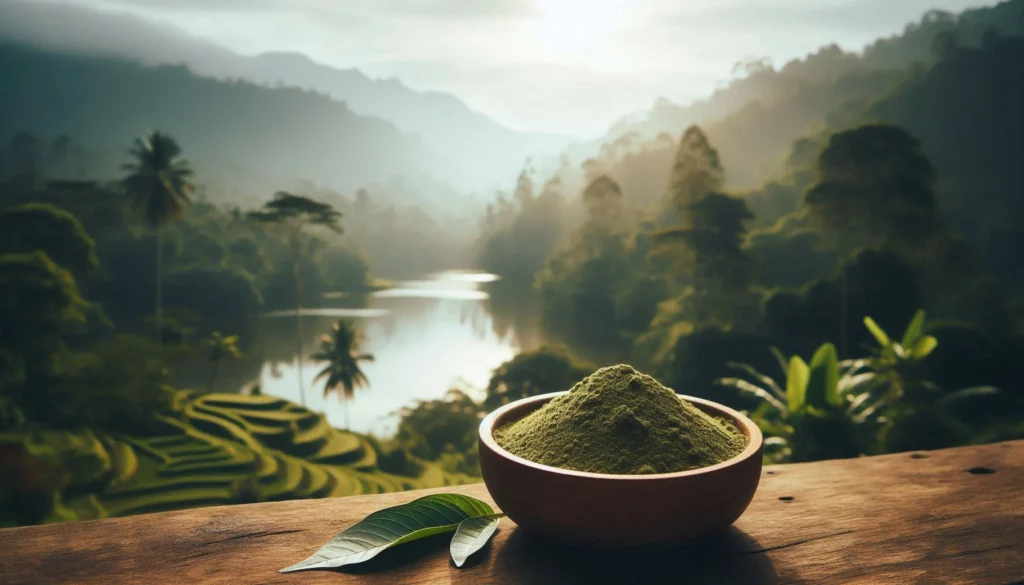
A bowl filled with kratom powder beside fresh leaves, framed by a scenic valley.
Listening to Plant Medicines in Everyday Life
You don’t need to be a shaman or an herbalist to listen to plant medicines. This practice can be integrated into your daily routine, whether you’re using kratom for focus, chamomile for relaxation, or turmeric for inflammation. The key is to approach each interaction with intention and awareness.
For example, imagine you’re brewing a cup of herbal tea. Instead of drinking it mindlessly while scrolling on your phone, take a moment to engage with the process. Smell the aroma of the dried flowers, feel the warmth of the cup in your hands, and notice how the tea settles your nerves. This simple act of presence is a form of listening, allowing you to connect with the plant’s calming energy.
Similarly, when using kratom, you might set an intention for your day. As you consume the kratom, pay attention to how it supports your intention. Does it feel like the plant is amplifying your energy or helping you release tension? By listening to these cues, you can adjust your use to align with your goals.
Incorporating plant medicines into rituals can also enhance this practice. For instance, you might create a morning routine that includes a moment of gratitude for the plants you’re using. This could be as simple as saying, “Thank you for your support,” before taking your kratom or sipping your tea. These small acts of acknowledgment deepen your connection and make the experience more meaningful.
The Role of Intuition in Listening to Plant Medicines
Intuition plays a central role in listening to plant medicines. While science can tell us about the active compounds in plants like kratom, intuition helps us interpret how those compounds interact with our unique bodies and minds. This is especially important because plant medicines can affect people differently. What feels energizing to one person might feel calming to another, depending on their physiology, mindset, and environment.
To cultivate intuition, practice checking in with yourself before and after using a plant medicine. Ask questions like, “What does my body need right now?” or “How is this plant making me feel?” Over time, you’ll develop a stronger sense of what works for you and how to use plant medicines in a way that feels balanced and supportive.
Intuition also helps you navigate the ethical and sustainable use of plant medicines. By listening to your intuition, you might feel called to support brands that align with these values, ensuring that your use of plant medicines contributes to the health of the planet.
Challenges and Misconceptions in Listening to Plant Medicines
While listening to plant medicines is a rewarding practice, it’s not without challenges. One common misconception is that plants will “speak” to you in a clear, dramatic way, like a voice in your head. In reality, the communication is often subtle, manifesting as a shift in mood, a physical sensation, or a quiet insight. If you expect a grand revelation, you might overlook the plant’s quieter messages.
Another challenge is the temptation to over-rely on plant medicines for quick fixes. Listening requires patience and a willingness to sit with discomfort rather than seeking immediate relief. For example, if you’re using kratom to manage stress, listening might reveal that the plant is helping you relax, but it could also highlight the need for lifestyle changes, like better sleep or stress management techniques.
A calm individual in a meditative pose beside by a cup of kratom and glass of water
FAQ
Q: What does it mean to “listen” to plant medicines if they don’t actually speak? A: Listening to plant medicines refers to paying close attention to the physical, emotional, and mental effects a plant has on you. It’s about noticing subtle shifts like a sense of calmness, increased focus, or even discomfort and interpreting these as the plant’s way of communicating. This practice involves mindfulness, intuition, and a willingness to engage with the plant’s energy without expecting literal words.
Q: Can anyone learn to listen to plant medicines, or is it only for spiritual people? A: Anyone can learn to listen to plant medicines, regardless of their spiritual beliefs. The practice is about being present and observant, which are skills anyone can develop. Whether you approach plant medicines from a scientific, cultural, or spiritual perspective, listening enhances your understanding of how they work with your body and mind.
Q: How long does it take to develop the ability to listen to plant medicines? A: The ability to listen to plant medicines develops over time with practice. Some people may notice subtle effects right away, while others may need weeks or months to tune into the plants’ messages. Regular use, combined with mindfulness practices like journaling or meditation, can accelerate this process.
Q: Is listening to plant medicines safe, especially with potent plants like kratom? A: Listening to plant medicines is safe when approached with respect and caution. Start with small doses, pay attention to your body’s signals, and avoid overuse. With potent plants like kratom, it’s especially important to follow dosage guidelines and source from reputable suppliers like Pharmakeia to ensure quality and safety.
Q: How can I tell if I’m listening to a plant medicine correctly? A: There’s no “correct” way to listen, as the experience is highly personal. If you’re noticing how the plant affects you, whether through physical sensations, emotions, or insights and using that awareness to guide your use, you’re on the right path. Trust your intuition and be patient with the process.
The Transformative Power of Listening to Plant Medicines
Ultimately, listening to plant medicines is a transformative practice that invites you to slow down, tune in, and reconnect with the natural world. It’s a reminder that healing is not just about fixing symptoms but about fostering a deeper relationship with yourself and the earth. By listening, you open yourself to the wisdom of plants, which have been guiding humanity for centuries.
For anyone who is curious, this practice can enhance your experience with kratom and other plant medicines, helping you use them with intention and respect. Whether you’re seeking energy, calm, or balance, listening allows you to partner with these plants in a way that honors their gifts and supports your well-being. As you embark on this journey, remember that listening is a skill that develops over time. Be patient with yourself, stay curious, and approach each interaction with an open heart. The plants are ready to share their wisdom, you just need to listen.
Disclaimer
The information provided in this blog is for informational purposes only and is not intended as medical advice, diagnosis, or treatment. Plant medicines, including kratom, chamomile, ashwagandha, and others mentioned, may have varying effects on individuals and can interact with medications or pre-existing health conditions. Always consult a qualified healthcare professional before using any plant medicine or botanical remedy, especially if you are pregnant, breastfeeding, have a medical condition, or are taking prescription medications.
Kratom (Mitragyna speciosa) and other plant medicines may carry risks, including potential side effects, dependency, or adverse reactions when used improperly or in excessive amounts. The safety and efficacy of these substances have not been fully evaluated by regulatory authorities in all regions, and their legal status varies by country and jurisdiction. Users are responsible for researching and complying with local laws and regulations regarding the purchase, possession, and use of plant medicines.
The practice of “listening” to plant medicines described in this blog is a mindfulness-based approach and should not be interpreted as a substitute for professional medical or psychological care. Individual experiences with plant medicines are subjective and may vary widely. Always start with small doses, monitor your body’s response, and discontinue use if adverse effects occur. The author and publisher are not liable for any consequences arising from the use or misuse of plant medicines or the application of the practices described in this blog.
On February 16, 2026, select provinces will observe regional holidays.
Canada Post will operate as normal and all shipments will be processed as usual.
FedEx will be closed in Prince Edward Island (Islander Day); Alberta, British Columbia, Ontario, Saskatchewan, and New Brunswick (Family Day); Manitoba (Louis Riel Day); and Nova Scotia (Heritage Day). FedEx shipments to these provinces will move the next business day.