

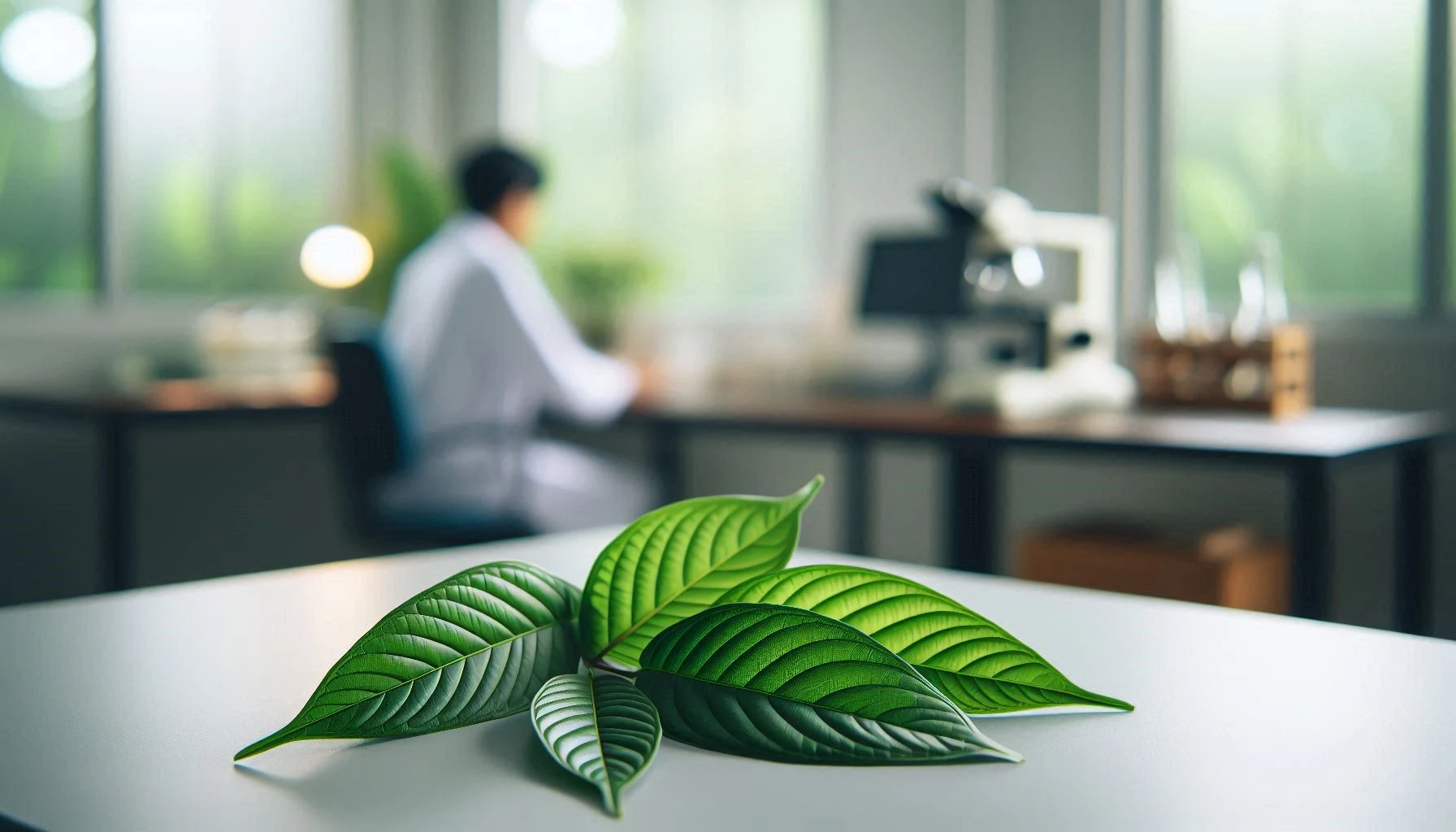

Nestled in Southeast Asia’s tropical forests, kratom has captivated generations with its leaves, traditionally chewed to spark vitality and ease daily burdens. Modern curiosity reveals kratom’s impact on MAO enzymes, subtly shaping the brain’s neurotransmitter balance for mood and energy. This natural synergy, rooted in ancient practices, invites exploration into how a humble plant influences human well-being. Journeying into this dynamic offers fresh insights for those intrigued by the intersection of nature and neuroscience.
The Role of MAO Enzymes in Brain Chemistry
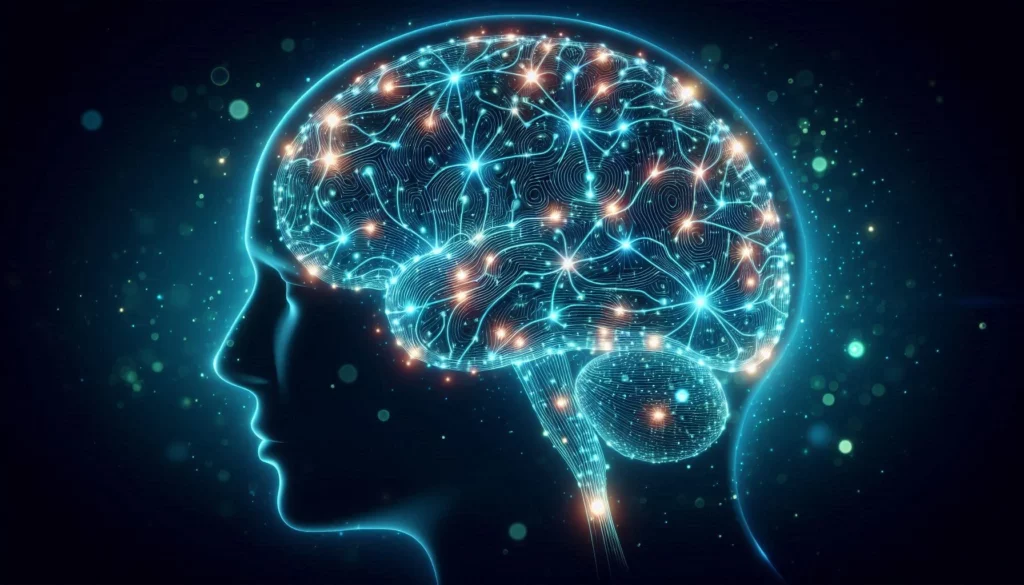
Monoamine oxidase enzymes serve as the brain’s gatekeepers, regulating the levels of neurotransmitters that shape our emotions and energy. These enzymes, found in the mitochondria of cells, break down serotonin, dopamine, and norepinephrine to prevent overstimulation. MAO-A primarily targets serotonin and norepinephrine, which influence mood and alertness, while MAO-B focuses on dopamine, tied to motivation and reward. This cleanup process ensures neural signals remain balanced, supporting stable moods and clear thinking.
Disruptions in MAO activity can lead to emotional or physical challenges. For instance, excessive enzyme activity might reduce neurotransmitter levels too quickly, contributing to low energy or irritability. Kratom’s impact on MAO enzymes enters here, as its compounds may slow this breakdown, allowing serotonin and dopamine to linger longer in the brain. Such modulation could enhance feelings of well-being, a concept rooted in traditional herbal practices where plants were used to sustain vitality during demanding tasks.
The balance maintained by MAO enzymes is influenced by factors like stress, diet, and sleep. Chronic stress, for example, can accelerate neurotransmitter degradation, leaving one feeling drained. By exploring kratom’s potential to gently adjust this process, we gain insight into how natural substances might support mental resilience in modern life.
How Kratom Interacts with MAO Enzymes
Kratom’s interaction with MAO enzymes hinges on its alkaloids, particularly mitragynine and 7-hydroxymitragynine, which make up the bulk of its active compounds. Mitragynine, the most abundant alkaloid, appears to engage receptors that overlap with MAO pathways, potentially reducing the enzymes’ efficiency. This subtle slowing allows neurotransmitters like serotonin and dopamine to remain active longer, contributing to feelings of focus or calm. Unlike synthetic compounds that might aggressively alter brain chemistry, kratom’s effect is more nuanced, aligning with its traditional use for balanced energy.
The plant’s dual nature adds intrigue to its impact on MAO enzymes. At lower doses, kratom tends to preserve norepinephrine, promoting alertness without the perks of stimulants. Higher doses shift toward relaxation, possibly due to opioid-like effects, but the MAO modulation remains a bridge between these outcomes. Additionally, kratom contains flavonoids and polyphenols, which act as antioxidants to protect brain cells from stress that might otherwise increase MAO activity.
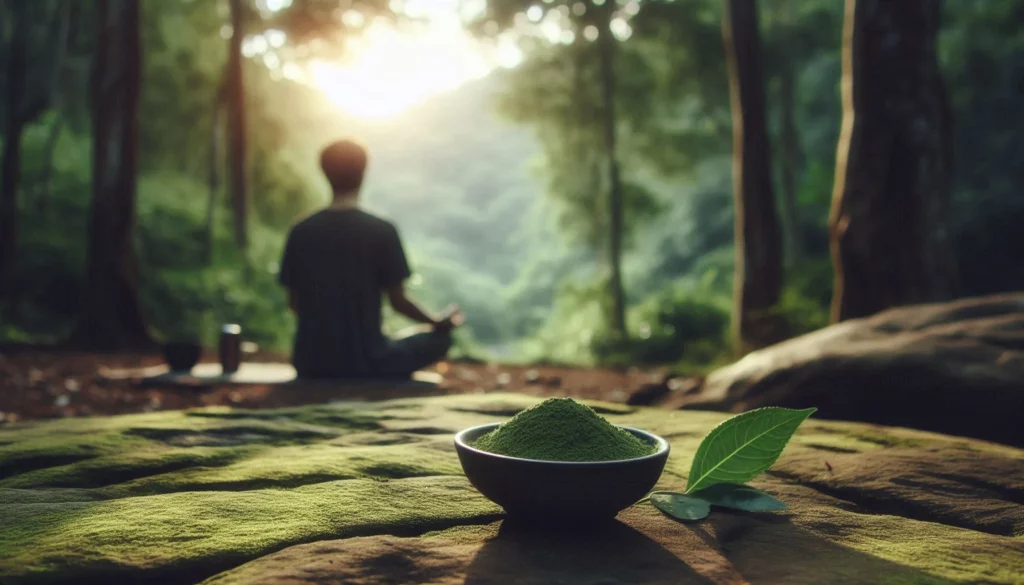
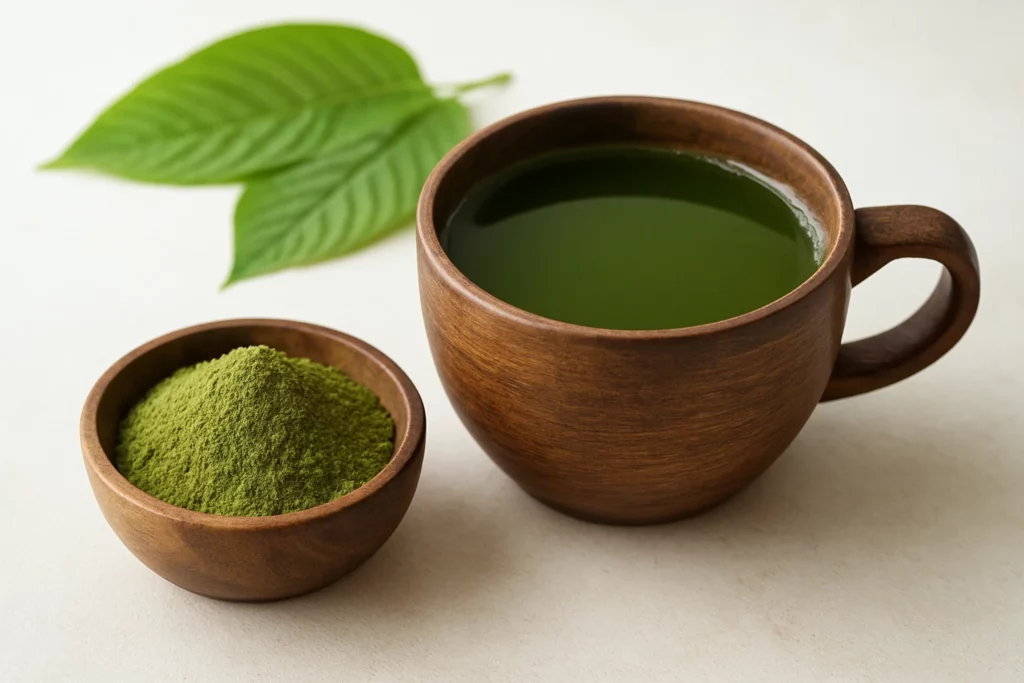
Processing methods influence this interaction. Fresh leaves, often chewed in traditional settings, offer milder effects, while dried powders or teas amplify alkaloid potency, intensifying kratom’s impact on MAO enzymes. This variability allows users to customize their experience, but it also underscores the need for mindful use to avoid tipping the brain’s delicate balance.
Implications for Mood and Energy Regulation
Kratom’s impact on MAO enzymes has practical implications for daily mood and energy management. By extending the presence of serotonin, the plant may stabilize emotions, reducing irritability and creating a sense of calm. Dopamine preservation enhances motivation, making tasks feel more rewarding, while norepinephrine supports sustained energy without the crash associated with caffeine. These effects can translate into clearer thinking during work or more enjoyable social interactions.
In physical contexts, this modulation supports active lifestyles. Enhanced mood can motivate regular exercise, and preserved energy aids recovery after exertion. Users often report improved focus for creative or professional tasks, as the subtle boost in neurotransmitters sharpens cognitive clarity. However, moderation is key; overuse might disrupt natural enzyme function, so periodic breaks help maintain balance.
Seasonal challenges, like winter’s reduced sunlight, often lower serotonin levels. Kratom’s potential to preserve these neurotransmitters could offer relief, supporting emotional resilience. When paired with healthy habits like balanced nutrition or mindfulness practices, these benefits amplify, creating a holistic approach to well-being that leverages kratom’s impact on MAO enzymes.
Historical Context of Kratom Use
Kratom’s roots trace back to Southeast Asia, where farmers and labourers relied on its leaves to endure long, grueling days. In Thailand, fresh leaves were chewed to sustain energy, an effect likely tied to MAO modulation that preserved alertness. Early colonial records from the 1800s noted this practice, with observers describing workers’ resilience in humid fields. These historical uses provide a cultural lens for understanding kratom’s impact on MAO enzymes today.
By the early 20th century, ethnobotanists began identifying kratom’s alkaloids, laying groundwork for modern research. Traditional healers also brewed teas to support emotional balance, observing outcomes that align with neurotransmitter preservation. As migration spread kratom to Western countries, its integration into wellness practices grew, with users noting effects that echo historical accounts of vitality and focus.
Botanical Foundations of Kratom’s Effects
The Mitragyna speciosa tree, native to tropical Southeast Asia, produces leaves rich in alkaloids due to its unique environment. Sunlight and nutrient-dense soil enhance mitragynine production, which drives kratom’s impact on MAO enzymes. Mature leaves, harvested in the morning, contain peak alkaloid levels, ensuring potent effects. The tree’s resilience to pests and climate challenges underscores its ability to deliver consistent bioactivity.
Processing methods, from sun-drying to powdering, preserve or intensify these compounds. Ethical sourcing and sustainable cultivation are critical to maintaining this potency, as overharvesting could degrade quality. By understanding the botany behind kratom, we appreciate how its natural design supports its interaction with brain chemistry.
Comparing Kratom to Other Natural Modulators
Kratom isn’t alone in influencing MAO enzymes; other plants offer similar benefits with distinct profiles. Rhodiola rosea, an Arctic herb, mildly inhibits MAO for energy support, much like kratom’s uplifting effects. Passionflower preserves serotonin to promote calmness, complementing kratom’s versatility. St. John’s Wort, known for mood support, overlaps with kratom’s impact on MAO enzymes but focuses more on reuptake inhibition.
These plants highlight nature’s diversity in supporting brain health. Kratom stands out for its broad-spectrum effects, blending stimulation and relaxation. When combined with adaptogens or nutrient-rich diets, these natural modulators enhance overall wellness, offering flexible options for those exploring MAO-related benefits.
Practical Applications in Daily Life
Incorporating kratom into daily routines can leverage its impact on MAO enzymes for practical benefits. A morning dose might enhance focus for work or study, while an afternoon serving could counter energy slumps. Evening use, at lower doses, supports relaxation without sedation. These applications align with traditional practices, where small amounts sustained laborers through demanding tasks.
Creative professionals often note improved inspiration, likely due to dopamine’s role in reward pathways. For physical activities, kratom’s energy preservation aids endurance and recovery. Pairing it with hydration and balanced meals optimizes absorption, while tracking usage ensures benefits without overreliance.
Global Perspectives on Kratom’s Role
Kratom’s use varies globally, shaped by cultural and regulatory contexts. In Southeast Asia, it remains a cultural staple for energy and community bonding. Western countries, particularly in North America, embrace it as a natural wellness tool, with users slowly learning about its MAO-related effects. European adoption is cautious, balancing tradition with modern scrutiny.
Indigenous knowledge emphasizes sustainable use, while international policies influence access. Festivals in Asia celebrate plant-based traditions, reinforcing kratom’s heritage. These global perspectives highlight the universal appeal of kratom’s impact on MAO enzymes, bridging ancient practices with contemporary needs.
Frequently Asked Questions About Kratom’s Impact on MAO Enzymes
Q: What makes kratom’s impact on MAO enzymes different from pharmaceutical interventions?
A: Kratom’s impact on MAO enzymes comes from natural alkaloids like mitragynine, which gently modulate enzyme activity rather than aggressively inhibiting it like some pharmaceuticals. This subtle approach aligns with traditional uses, offering balanced effects on mood and energy. Pharmaceuticals often target specific pathways with stronger effects, which may lead to side effects, whereas kratom’s broader profile supports holistic wellness when used mindfully.
Q: Can kratom’s impact on MAO enzymes vary between individuals?
A: Yes, factors like metabolism, body weight, and genetic differences in enzyme activity influence how kratom affects MAO enzymes. Some people may notice stronger mood or energy boosts due to faster neurotransmitter preservation, while others experience milder effects. Starting with low doses helps individuals gauge their unique response, ensuring a tailored experience that respects personal biology.
Q: How does the preparation of kratom affect its impact on MAO enzymes?
A: The form of kratom, whether fresh leaves or dried powders, alters its alkaloid concentration and thus its impact on MAO enzymes. Proper preparation, like brewing teas or mixing powders with water, ensures consistent absorption for optimal neurotransmitter support.
Q: Are there risks associated with kratom’s impact on MAO enzymes?
A: While kratom’s modulation of MAO enzymes can support mood and energy, excessive use may disrupt natural neurotransmitter balance, leading to tolerance or mild side effects like nausea. Taking breaks and using moderate amounts help maintain benefits without overtaxing the brain’s chemistry. Consulting a healthcare professional ensures safe integration into wellness routines.
Conclusion
Kratom’s impact on MAO enzymes reveals a remarkable interplay between nature and human biology. From regulating neurotransmitters to supporting mood and energy, this plant offers insights into holistic wellness rooted in centuries-old traditions. By understanding its mechanisms, historical context, and practical applications, readers can appreciate kratom’s potential while approaching it with care. Whether seeking focus, calmness, or resilience, the subtle modulation of MAO enzymes underscores kratom’s unique place in natural health.
Disclaimer
The information provided in this blog post about kratom’s impact on MAO enzymes is for educational and informational purposes only and should not be considered medical advice. Kratom (Mitragyna speciosa) is a natural substance with complex effects on the body, and its interaction with monoamine oxidase (MAO) enzymes, neurotransmitters, or other physiological processes is not fully understood and requires further scientific research.
Consult a qualified healthcare professional before using kratom, especially if you have pre-existing medical conditions, are taking medications (particularly MAO inhibitors, antidepressants, or other psychoactive substances), or are pregnant or breastfeeding. Kratom may pose risks, including potential side effects such as nausea, dizziness, or dependency with prolonged or excessive use. It may also interact with other substances, potentially leading to adverse effects.
The safety and efficacy of kratom have not been evaluated or approved by regulatory bodies like Health Canada, and its legal status varies by region. Always source kratom from reputable vendors, use it in moderation, and discontinue use if adverse reactions occur. Individual responses to kratom vary, and personal health factors should guide its use under professional supervision to ensure safety and well-being. The authors and publishers of this content are not responsible for any adverse effects or consequences resulting from the use of kratom or the methods described herein.