


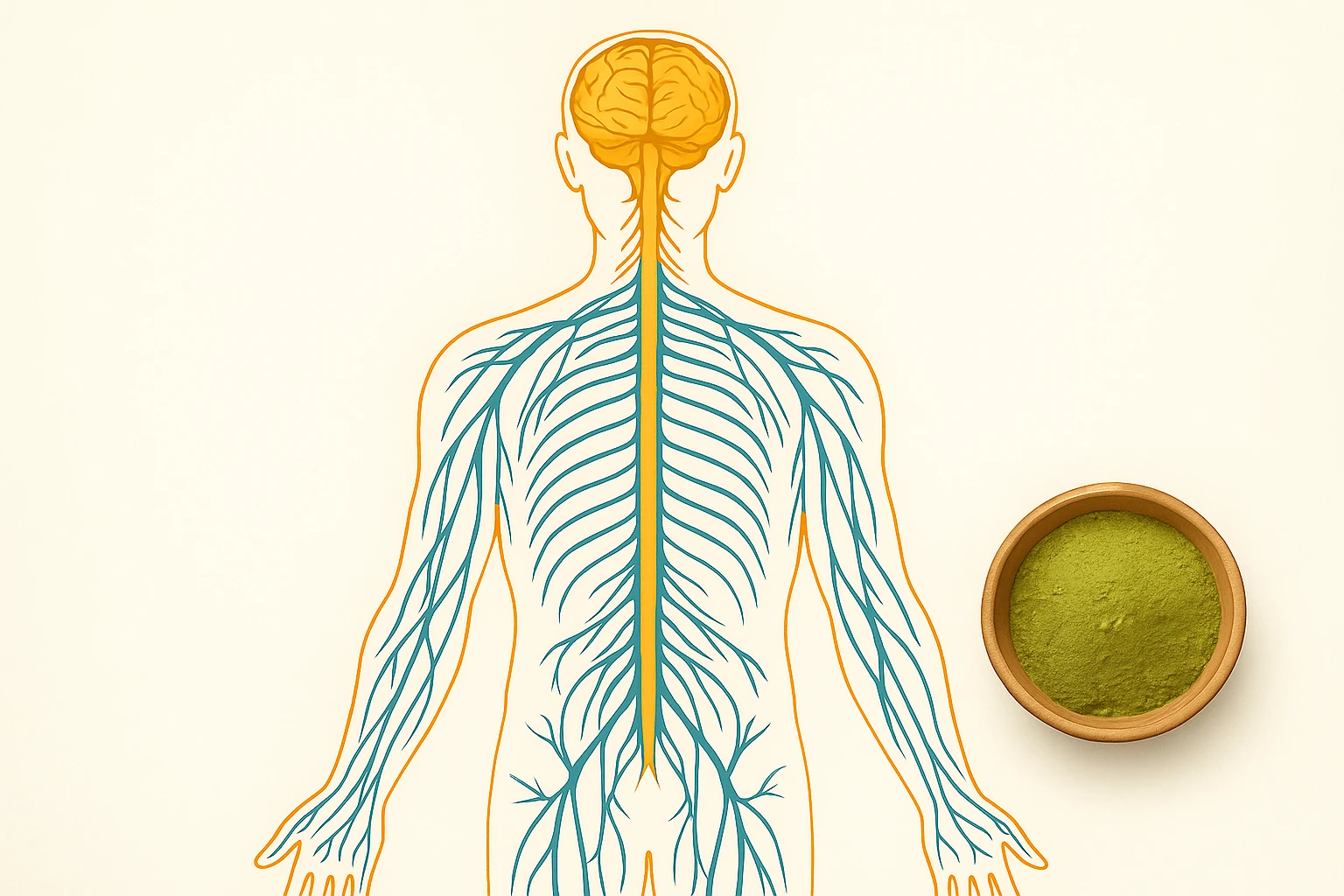

Derived from the Mitragyna speciosa tree native to Southeast Asia, kratom has intrigued those seeking natural solutions for wellness and pain management. Its complex alkaloids interact with the body in unique ways, influencing both mental and physical states. Exploring kratom’s effects on the nervous system reveals how it engages the central and peripheral systems, offering benefits like mood enhancement and relaxation. This in-depth guide examines these interactions, providing a clear, factual understanding of kratom’s impact and its implications for those curious about its potential.
Understanding the Nervous System’s Structure and Function
Before exploring kratom’s effects on the nervous system, it’s essential to grasp the roles of the CNS and PNS. The CNS serves as the body’s command center, processing sensory input, generating thoughts, and coordinating responses. The brain handles cognition, emotions, and complex behaviors, while the spinal cord relays signals between the brain and the body, playing a critical role in reflexes and motor control. The PNS, conversely, acts as a communication bridge, transmitting sensory information to the CNS and executing its commands in the body’s tissues.
The PNS is further divided into the somatic nervous system, which governs voluntary movements like walking, and the autonomic nervous system, which regulates involuntary functions such as heart rate, digestion, and pupil dilation. The autonomic system has two branches: the sympathetic nervous system, which activates “fight or flight” responses, and the parasympathetic nervous system, which promotes “rest and digest” activities. Kratom’s alkaloids interact with receptors across these systems, influencing how signals are processed and transmitted, which shapes its diverse effects.
Kratom’s Interaction with the Central Nervous System
Kratom’s effects on the CNS are among its most prominent, influencing mood, cognition, energy levels, and pain perception. The plant’s alkaloids, particularly mitragynine and 7-hydroxymitragynine, cross the blood-brain barrier to interact with various receptors in the brain, including opioid, dopamine, and serotonin receptors. These interactions underpin kratom’s ability to produce both stimulating and sedative effects, depending on dosage and strain.
At lower doses, typically 1 to 3 grams, kratom acts as a stimulant, enhancing alertness and mental focus. This effect likely stems from mitragynine’s partial agonism at mu-opioid receptors and its influence on dopamine and serotonin pathways, which are critical for motivation and mood regulation. Dopamine, associated with reward and pleasure, and serotonin, linked to emotional stability, contribute to feelings of clarity and optimism reported by users. This CNS-driven stimulation makes kratom appealing for those seeking a natural boost for productivity or mental stamina.
At higher doses, 5 to 8 grams or more, kratom’s effects on the nervous system shift toward sedation. 7-Hydroxymitragynine, a more potent alkaloid, binds strongly to mu-opioid receptors, promoting relaxation and reducing stress. This sedative effect can calm an overactive mind, making it easier to unwind or sleep. The transition from stimulation to sedation reflects kratom’s biphasic nature, where dosage determines the dominant CNS response. This duality is a hallmark of kratom’s pharmacology, distinguishing it from other plant-based substances.
Pain modulation is another critical CNS effect. Opioid receptors in the brain and spinal cord regulate how pain signals are perceived. By binding to these receptors, kratom’s alkaloids can dampen pain signals, offering relief for various types of discomfort. This analgesic effect is particularly significant for chronic conditions, as it reduces the emotional and sensory burden of pain. However, prolonged receptor activation may lead to tolerance, where higher doses are needed for the same effect, highlighting the need for cautious use to maintain CNS balance.

Kratom’s Influence on the Peripheral Nervous System
While kratom’s CNS effects often draw more attention, its impact on the PNS is equally significant, particularly for physical sensations and autonomic functions. The PNS includes sensory nerves that detect stimuli like pain or temperature, motor nerves that control muscle movement, and autonomic nerves that regulate involuntary processes. Kratom’s alkaloids interact with opioid receptors in peripheral tissues, as well as other receptor types, to modulate these functions.
One of kratom’s key PNS effects is peripheral pain relief. Sensory nerves in the PNS detect pain and send signals to the CNS for processing. By binding to opioid receptors in peripheral tissues, such as those in muscles or joints, kratom’s alkaloids can reduce the intensity of these signals before they reach the brain. This peripheral analgesia complements the CNS’s pain-modulating effects, creating a layered approach to pain relief. For example, someone with joint discomfort may experience reduced pain signals locally, via the PNS, and diminished pain perception centrally, via the CNS, resulting in comprehensive relief.
The autonomic nervous system, a subset of the PNS, is also affected by kratom. The sympathetic and parasympathetic branches regulate functions like heart rate, digestion, and respiratory rate. At low doses, kratom may stimulate the sympathetic nervous system, leading to increased heart rate or improved digestive motility in some users. This can manifest as heightened energy or better gastrointestinal function, which some associate with certain green vein strains. At higher doses, kratom tends to activate the parasympathetic nervous system, slowing heart rate and promoting relaxation, which aligns with the sedative effects seen in red vein strains like Borneo.
Muscle relaxation is another PNS-mediated effect. Kratom’s alkaloids can influence motor nerves in the somatic nervous system, reducing muscle tension or spasms. This effect is particularly relevant for those with muscle soreness or tension-related conditions, as it allows for physical ease without necessarily affecting cognitive function. However, excessive use may lead to side effects like lethargy or reduced motor coordination, underscoring the need for moderation to avoid disrupting PNS function.
Kratom’s effects on digestion further highlight its PNS influence. Opioid receptors in the gastrointestinal tract can slow motility, leading to constipation at higher doses, a common side effect of opioid-like substances. Conversely, low doses may enhance digestion in some users by stimulating autonomic pathways. These contrasting effects reflect the complexity of kratom’s interaction with the PNS and the importance of dosage control.
The Interplay Between Central and Peripheral Effects
Kratom’s effects on the nervous system are not confined to either the CNS or PNS but involve a dynamic interplay between the two. Pain relief, for example, illustrates this synergy. Peripheral nerves detect pain and send signals to the CNS, where the brain interprets and responds to the sensation. Kratom reduces pain at both levels: peripherally by dampening nerve signals and centrally by altering pain perception. This dual mechanism can make kratom particularly effective for conditions involving both physical and emotional components, such as chronic pain with associated stress.
Mood regulation also reflects this interplay. CNS-driven changes in dopamine and serotonin levels can reduce stress, which in turn relaxes the autonomic nervous system, leading to lower heart rate or reduced muscle tension. Conversely, PNS-mediated relaxation, such as eased muscle tension, can signal the CNS to lower stress responses, creating a feedback loop that enhances overall calm. This interconnectedness underscores why kratom’s effects on the nervous system are so varied and context-dependent.
Strain differences further shape this interplay. White vein strains, like White Borneo, often emphasize CNS stimulation, boosting mental clarity and energy, with milder PNS effects. Red vein strains, such as Red Bali, prioritize PNS relaxation and pain relief, with stronger sedative CNS effects at higher doses. Green vein strains, like Green Malay, often balance the two, offering moderate stimulation and relaxation across both systems. Understanding these nuances can help users select strains aligned with their goals, whether mental focus or physical ease.

Potential Benefits and Risks
Kratom’s effects on the nervous system offer several potential benefits. Its ability to modulate pain through both CNS and PNS pathways makes it a candidate for natural pain management, particularly for those seeking alternatives to conventional options. The CNS-driven mood enhancement and energy boost can support mental well-being, helping with stress or low motivation. PNS-mediated muscle relaxation and autonomic regulation may aid physical comfort, benefiting those with tension or digestive irregularities.
However, these benefits come with risks that must be carefully considered. The CNS’s opioid receptor activation raises concerns about tolerance and dependence, as prolonged use can alter the brain’s reward system, leading to withdrawal symptoms upon cessation. The PNS’s autonomic effects, such as slowed digestion or changes in heart rate, can become problematic with excessive use, particularly at high doses. Individual variability, due to factors like genetics, metabolism, or pre-existing conditions, further complicates kratom’s effects, making personalized caution essential.
Side effects also vary by system. CNS-related side effects may include dizziness, nausea, or irritability, particularly at higher doses or with stimulating strains. PNS-related side effects might include constipation, muscle weakness, or changes in blood pressure. These risks highlight the importance of starting with low doses, 1 to 2 grams, and monitoring individual responses, ideally under the guidance of a healthcare professional, especially for those with neurological, cardiovascular, or gastrointestinal conditions.
Factors Shaping Kratom’s Effects
Several factors influence how kratom’s effects on the nervous system manifest. Dosage is paramount: low doses, 1 to 3 grams, typically produce CNS stimulation, while higher doses, 5 to 8 grams, shift toward PNS relaxation and CNS sedation. Strain type also matters, as alkaloid profiles vary. For example, mitragynine dominates in stimulating strains, while 7-hydroxymitragynine is more prevalent in sedative ones. Individual physiology, including age, weight, and neurochemical sensitivity, further shapes outcomes. Younger individuals may experience stronger CNS effects due to more robust neurotransmitter activity, while older individuals might notice pronounced PNS effects like pain relief.
Consumption method affects kratom’s nervous system impact. Powders mixed into liquids may produce faster CNS effects due to quicker absorption, while capsules offer slower, more sustained PNS effects. Teas can enhance bioavailability, potentially amplifying both CNS and PNS responses. Diet and hydration also play roles: an empty stomach may accelerate effects, while dehydration can intensify side effects like dizziness or fatigue.

Frequently Asked Questions About Kratom’s Effects on The Nervous System
Q: How does kratom affect the central nervous system differently from the peripheral nervous system?
A: Kratom influences the CNS by modulating mood, cognition, and pain perception through receptors in the brain and spinal cord, producing effects like stimulation or sedation. In the PNS, it affects sensory nerves, muscle control, and autonomic functions, such as heart rate and digestion, contributing to pain relief and physical relaxation.
Q: Why do kratom’s effects vary between stimulation and sedation?
A: Kratom’s biphasic nature depends on dosage and alkaloid content. Low doses, 1 to 3 grams, enhance CNS activity via dopamine and serotonin pathways, promoting alertness. Higher doses, 5 to 8 grams, emphasize opioid receptor activation, leading to CNS sedation and PNS relaxation.
Q: Can kratom’s effects on the nervous system help with pain management?
A: Yes, kratom reduces pain through dual mechanisms: peripherally by dampening nerve signals in the PNS and centrally by altering pain perception in the CNS. This layered approach can be effective for chronic pain but requires careful use to avoid tolerance.
Q: Are there risks to kratom’s effects on the nervous system?
A: Prolonged use may lead to CNS tolerance or dependence due to opioid receptor activation, and PNS effects can cause side effects like constipation or changes in heart rate. Individual responses vary, so starting with low doses and consulting a healthcare professional is advisable.
Q: How do different kratom strains impact the nervous system?
A: White vein strains prioritize CNS stimulation, boosting energy. Red vein strains emphasize PNS relaxation and CNS sedation. Green vein strains balance both, offering moderate effects across the nervous system.
Q: Does the method of consuming kratom affect its nervous system impact?
A: Yes, powders provide faster CNS effects due to quick absorption, while capsules offer slower, sustained PNS effects. Teas enhance bioavailability, potentially intensifying both CNS and PNS responses, depending on preparation and dosage.
Conclusion
Kratom’s effects on the nervous system reveal a fascinating interplay between plant chemistry and human physiology. By influencing the CNS and PNS, kratom offers a unique spectrum of effects, from mental clarity to physical relief. Its potential is tempered by risks, making informed, cautious use essential. As interest in kratom grows, so does the need for accurate, accessible information. This bolg provided a foundation for understanding kratom’s nervous system effects, inviting readers to approach it with curiosity, respect, and mindfulness.
Disclaimer
The information provided in this blog about kratom’s effects on the nervous system is intended for educational and informational purposes only and should not be construed as medical advice, diagnosis, or treatment. Kratom (Mitragyna speciosa) is a complex substance with effects that can vary widely based on dosage, strain, individual physiology, and other factors. While kratom may offer potential benefits, such as pain relief or mood enhancement, it also carries risks, including tolerance, dependence, and side effects like nausea, constipation, dizziness, or changes in heart rate.
Long-term use may lead to withdrawal symptoms or other health concerns, particularly in individuals with pre-existing medical conditions or those taking medications that may interact with kratom’s alkaloids. The safety and efficacy of kratom have not been fully evaluated by regulatory authorities such as Health Canada, and its legal status varies by region. Before using kratom, individuals should consult a qualified healthcare professional to assess potential risks, especially if they have neurological, cardiovascular, gastrointestinal, or other health conditions.
Pregnant or breastfeeding individuals, as well as those with a history of substance use disorders, should avoid kratom. Always source kratom from reputable vendors to minimize risks of contamination or adulteration, and use it responsibly, starting with low doses to gauge individual response. Neither the author nor the publisher assumes responsibility for any adverse effects resulting from the use of kratom or reliance on the information provided herein.