Kratom’s Effect on Testosterone: Key Insights on Men’s Health
Faust
For men exploring the world of plant-based substances, kratom has sparked curiosity due to its potential to influence energy, mood, and vitality. Derived from the Mitragyna speciosa tree native to Southeast Asia, this herb is often used for its stimulating or relaxing effects. However, questions linger about kratom’s effect on testosterone, particularly its impact on libido and hormone function in men. With its complex interplay of benefits and uncertainties, kratom invites men to explore its role in their wellness journey thoughtfully.
Understanding Testosterone’s Role in Men’s Health
Testosterone plays a central role in men’s physical and mental well-being, influencing everything from strength to mood. As men explore substances like kratom, understanding kratom’s effect on testosterone requires first grasping why this hormone is so vital. External factors, from diet to stress, can sway testosterone levels, making it essential to consider how lifestyle and substances interact with hormonal health.
Why Testosterone Matters for Men
Testosterone is the cornerstone of male vitality, driving muscle growth, bone strength, and energy levels. It shapes mood, sharpens focus, and fuels sexual drive, impacting how men feel and perform daily. Low testosterone can lead to fatigue, reduced motivation, or weakened libido, prompting concerns about substances that might affect its production. Recognizing testosterone’s broad influence helps men prioritize habits that support hormonal balance.
How External Factors Influence Testosterone
Testosterone production is governed by the hypothalamic-pituitary-gonadal axis, a complex system that can be disrupted by external factors like aging or environmental toxins. As men age, natural declines in testosterone can affect vitality, while exposure to pollutants or chemicals, such as those in plastics, may interfere with hormonal signaling. These influences raise questions about how kratom’s effect on testosterone fits into the broader picture of hormonal health, encouraging men to stay mindful of their environment.
What Is Kratom and How Does It Work in the Body?
Kratom contains active compounds, primarily mitragynine and 7-hydroxymitragynine, which interact with opioid receptors in the brain. These interactions drive kratom’s reported effects, which can range from stimulation at lower doses to relaxation at higher ones. While many users turn to kratom for its potential to boost focus or manage pain tolerance, questions arise about whether kratom’s effect on testosterone could alter male hormonal health. Any substance that might influence hormone production naturally draws attention from users concerned about long-term wellness.
The male endocrine system is sensitive to external factors, including diet, stress, and substances like kratom. Because kratom engages opioid receptors, it may indirectly affect the hypothalamic-pituitary-gonadal (HPG) axis, the system that regulates testosterone production. The HPG axis starts in the hypothalamus, which releases gonadotropin-releasing hormone (GnRH), signaling the pituitary gland to produce luteinizing hormone (LH) and follicle-stimulating hormone (FSH).
These hormones then prompt the testes to produce testosterone. If kratom disrupts this process, it could theoretically impact testosterone levels, but the extent of this effect remains speculative due to limited direct evidence.
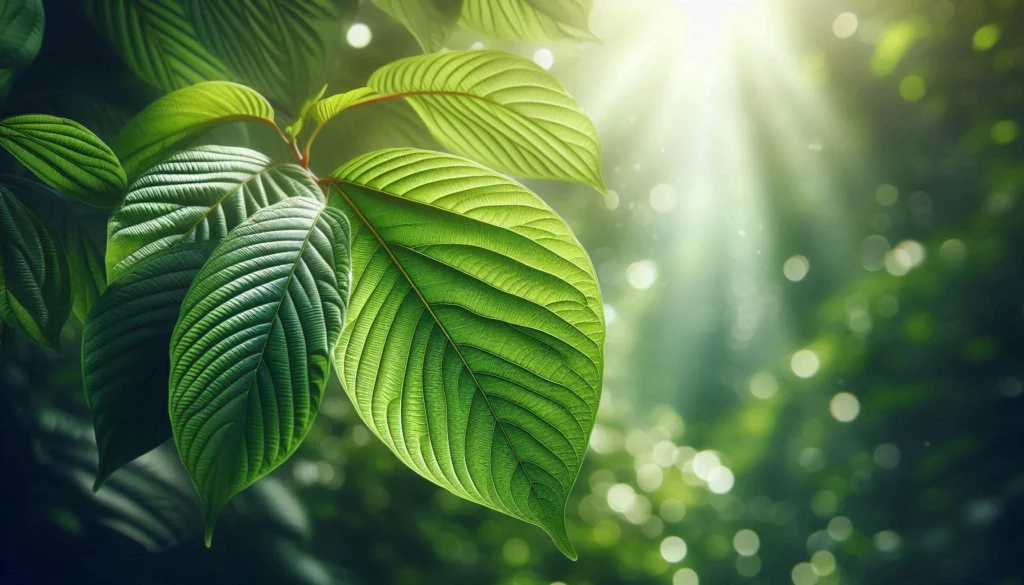
Lush kratom leaf with detailed veins glowing under sunlight amid a verdant forest background.
Exploring Kratom’s Potential Influence on Testosterone
To understand kratom’s effect on testosterone, it’s helpful to consider how opioid-like substances interact with hormonal systems. Traditional opioids, such as prescription painkillers, are known to suppress testosterone by reducing GnRH release, which lowers LH and FSH levels, ultimately decreasing testosterone production. Given kratom’s partial agonist activity at opioid receptors, some users speculate it might have a similar, though less pronounced, effect. Reports of fatigue or reduced motivation among heavy kratom users align with symptoms of low testosterone, but these effects vary widely and depend on factors like dosage and frequency.
Kratom’s impact on stress and cortisol, a hormone that can suppress testosterone, adds another layer of complexity. At low doses, kratom often produces stimulating effects, potentially lowering stress and cortisol, which could indirectly support healthy testosterone levels. However, chronic or high-dose use might elevate cortisol as the body adapts to kratom’s opioid-like effects, potentially counteracting any benefits. This dual nature, energizing at low doses and calming at high doses, makes kratom’s effect on testosterone difficult to predict without considering individual use patterns and physiology.
Analyzing the Evidence for Reported Drops in Libido and Hormone Function
A key concern surrounding kratom’s effect on testosterone is its potential to influence libido and hormone function. Some men report experiencing reduced sexual desire or performance after prolonged kratom use, fueling speculation about its hormonal impact. These anecdotal accounts, often shared in online communities, describe symptoms like low energy, diminished drive, or challenges with sexual function. However, these reports are not universal, and factors like stress, poor sleep, or other lifestyle habits could contribute to these experiences, making it hard to pin the blame solely on kratom.
Libido is influenced by a complex interplay of testosterone, dopamine, and psychological well-being. Kratom’s interaction with dopamine pathways, which drive feelings of pleasure and motivation, might enhance sexual desire in some users, particularly at lower doses. On the flip side, high doses or chronic use could dampen dopamine signaling, potentially leading to reduced libido. Additionally, kratom’s sedative effects at higher doses might contribute to fatigue, which users could mistake for hormonal issues. These mixed experiences highlight the variability of kratom’s effect on testosterone and libido, underscoring the need for moderation.
Hormone function, particularly testosterone production, is even less clear. While opioid-like substances can suppress testosterone, kratom’s partial agonist properties suggest its effects may be milder. Some users report no changes in energy or sexual health, even with regular kratom use, indicating that individual factors, like genetics, baseline hormone levels, or lifestyle, play a significant role. Without comprehensive research, these observations remain speculative, but they emphasize the importance of using kratom cautiously to avoid potential disruptions.
Kratom and Broader Aspects of Male Vitality
Kratom’s effect on testosterone extends beyond hormones to broader aspects of male vitality, such as energy, mood, and physical performance. Many men use kratom to enhance focus or stamina, particularly in demanding physical or mental tasks. At moderate doses, kratom may promote a sense of well-being and alertness, which could align with activities that support testosterone, like exercise or mental clarity. However, overuse might lead to tolerance, requiring higher doses to achieve the same effects, which could disrupt hormonal balance over time.
Sleep is another critical factor, as testosterone production peaks during deep sleep cycles. Kratom’s calming strains, often used to promote relaxation, could theoretically improve sleep quality and support testosterone production. However, excessive use or poorly timed doses might disrupt sleep patterns, potentially lowering testosterone. Men concerned about kratom’s effect on testosterone should prioritize consistent sleep routines and use kratom strategically to avoid unintended consequences.
Kratom’s Effect on Testosterone Through the Lens of Energy Metabolism
Testosterone production is an energy-intensive process, requiring healthy mitochondrial function and adequate ATP (the body’s energy currency) in the testes. Kratom’s effect on testosterone may extend beyond its interaction with opioid receptors or stress hormones, potentially influencing how the body manages energy at a cellular level. Kratom’s active compounds, particularly mitragynine, are known to affect energy levels, with low doses boosting alertness and higher doses promoting relaxation. These shifts in energy state could, in theory, impact the metabolic resources available for testosterone synthesis, offering a fresh perspective on how kratom interacts with male hormonal health.
Metabolic Energy and Testosterone Synthesis
The process of testosterone production relies heavily on the energy produced by mitochondria in the testes’ Leydig cells. Kratom’s effect on testosterone could be influenced by how it alters mitochondrial efficiency. At lower doses, kratom’s stimulating effects might enhance blood flow and nutrient delivery, supporting the energy demands of these cells.
For men using kratom to boost stamina during workouts, this metabolic uplift could align with testosterone-supporting activities like exercise. However, chronic or high-dose use might increase oxidative stress, potentially impairing mitochondrial function and reducing the energy available for testosterone synthesis. This balance suggests that moderate use is key to avoiding metabolic strain that could indirectly affect hormones.
Blood Sugar, Insulin, and Kratom’s Effect on Testosterone
Kratom may also influence testosterone through its potential effects on blood sugar and insulin sensitivity, both of which play a role in hormonal health. Stable blood sugar supports testosterone production, while insulin resistance can suppress the HPG axis. Some users report that kratom affects appetite or causes energy fluctuations, which could disrupt blood sugar regulation.
While these effects are not well-documented, they raise the possibility that kratom’s effect on testosterone partly depends on metabolic stability. Maintaining a balanced diet rich in antioxidants, such as vitamin C or E, could help counteract any oxidative stress or metabolic disruptions from heavy kratom use, supporting overall hormonal health.
This metabolic perspective doesn’t provide definitive answers but highlights an overlooked aspect of kratom’s effect on testosterone. Men using kratom should monitor their energy levels and metabolic health, ensuring moderation to minimize potential disruptions. By considering these cellular processes, users can gain a fuller picture of how kratom might influence their hormonal balance.
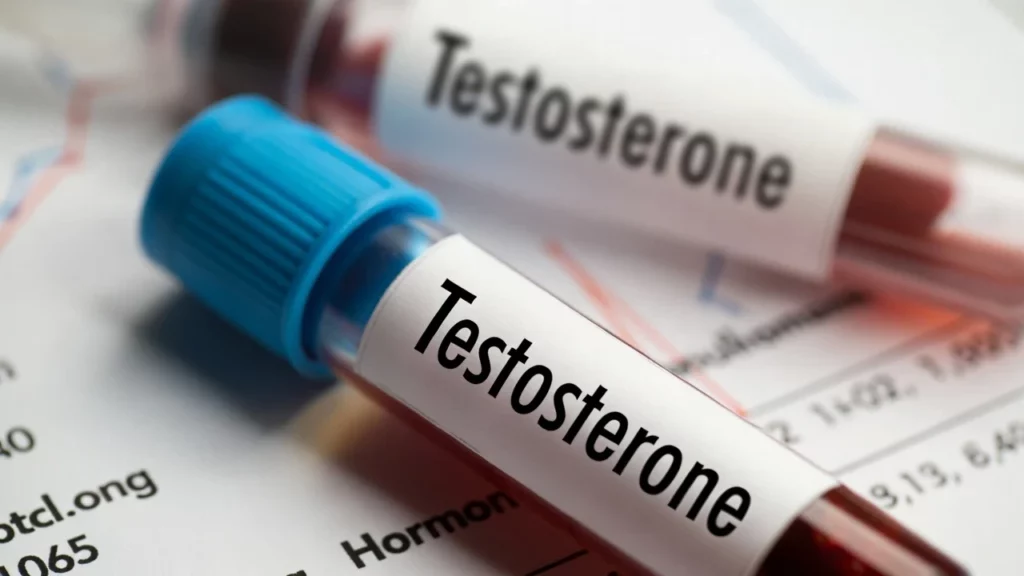
Blood vials labelled “Testosterone” resting on a detailed medical chart featuring graphs and numerical data.
The Role of Lifestyle in Supporting Hormonal Health
Lifestyle factors are inseparable from any discussion about kratom’s effect on testosterone. Testosterone levels are influenced by diet, exercise, stress, and sleep, all of which interact with kratom use. A nutrient-rich diet with adequate zinc, magnesium, and healthy fats supports testosterone production and may mitigate any potential negative effects of kratom. Regular exercise, especially strength training, is a proven way to boost testosterone and could complement kratom’s energizing effects at low doses.
Stress management is equally vital. Chronic stress raises cortisol, which suppresses testosterone. If kratom is used to manage stress or anxiety, it might indirectly support testosterone by lowering cortisol. However, users should be cautious of dependency risks, as reliance on any substance could introduce new stressors. A balanced approach, combining moderation with healthy habits, is essential for maintaining hormonal health while using kratom.
Individual Differences and Responsible Kratom Use
The variability in kratom’s effect on testosterone underscores the importance of individual differences. Factors like age, baseline hormone levels, and kratom strain choice can shape outcomes, making it essential to understand how personal biology influences kratom’s impact. Responsible use is equally critical to minimize potential risks and maintain hormonal balance.
Why Kratom’s Effect on Testosterone Varies by Individual
Not all men experience kratom’s effect on testosterone in the same way. Younger men with robust testosterone levels might notice minimal changes, while older men or those with pre-existing hormonal imbalances could be more sensitive. Different kratom strains, such as stimulating white veins or relaxing red veins, may also produce distinct effects on energy, mood, and hormones. These variations suggest that personal physiology and kratom choice play significant roles in determining outcomes, highlighting the need for self-awareness when using the plant.
Practices for Responsible Kratom Use
To minimize risks associated with kratom’s effect on testosterone, men should adopt thoughtful practices when using kratom. Here are key strategies for responsible use:
Start with low doses to gauge your body’s response and avoid overwhelming your system.
Avoid daily use to prevent tolerance or dependency, which could disrupt hormonal balance.
Take regular breaks, often called “kratom holidays,” to reset your body’s response.
Consult a healthcare professional, especially if you have underlying health conditions, before integrating kratom into your routine.
These steps help ensure kratom use remains balanced and minimizes potential impacts on testosterone or overall health.
The Road Ahead: What We Still Need to Learn
Kratom’s effect on testosterone remains an open question, with much of our understanding based on user experiences and comparisons to opioid-like substances. While some men report changes in libido or energy, others experience no adverse effects, highlighting the complexity of kratom’s interaction with the body. Until more robust research emerges, users must rely on careful observation and moderation to navigate its effects.
For men prioritizing testosterone health, focusing on lifestyle fundamentals, balanced nutrition, regular exercise, and quality sleep, remains the most reliable approach. Kratom, when used thoughtfully, may complement these efforts for some, but it’s not a universal solution. By staying informed and attuned to their bodies, users can make empowered decisions about kratom’s role in their wellness journey.
Person meditating peacefully on a mossy rock amidst towering trees in a serene forest bathed in gentle sunlight.
FAQ: Common Questions About Kratom’s Effect on Testosterone
Q: Does kratom permanently lower testosterone levels in men? A: There’s no evidence suggesting kratom’s effect on testosterone causes permanent changes. Any potential impact, such as reduced energy or libido from heavy use, is likely temporary and may resolve with moderation or breaks. Always monitor your body and consult a professional if concerned.
Q: Can kratom improve testosterone in some cases? A: At low doses, kratom’s stimulating effects might indirectly support testosterone by reducing stress or boosting energy for activities like exercise. However, this isn’t guaranteed and depends on individual factors. Responsible use is key to maximizing potential benefits.
Q: How can I tell if kratom is affecting my testosterone? A: Look for signs like persistent fatigue, low libido, or reduced motivation, which could suggest kratom’s effect on testosterone. These symptoms may also stem from other factors like stress or poor sleep, so consider your overall health and lifestyle.
Q: Do different kratom strains have unique effects on testosterone? A: Different strains, like stimulating white veins or sedating red veins, may influence energy and mood differently, potentially affecting testosterone indirectly. White strains might support vitality, while red strains could promote relaxation, but effects vary by person.
Q: Should I stop using kratom if I’m worried about testosterone? A: If you’re concerned about kratom’s effect on testosterone, try reducing your dose or taking breaks to assess changes. Prioritize lifestyle factors like diet and exercise, and consult a healthcare provider for personalized guidance.
Closing Thoughts on Kratom’s Effect on Testosterone
Kratom’s effect on testosterone is a nuanced topic that blends curiosity, caution, and the pursuit of balance. While its interaction with opioid receptors raises questions about hormonal impacts, the lack of definitive evidence calls for a measured approach. Men exploring kratom should weigh its potential benefits against the need for moderation, ensuring they support their hormonal health through lifestyle choices. By understanding the interplay of kratom, testosterone, and overall vitality, users can approach this plant with confidence and clarity, making choices that align with their health goals.
Disclaimer
The information provided in this blog is for educational and informational purposes only and should not be considered medical advice. Kratom (Mitragyna speciosa) is a plant-based substance with complex effects that are not fully understood due to limited scientific research. Its potential impact on testosterone, libido, or hormonal health may vary widely based on individual factors, dosage, frequency of use, and pre-existing health conditions.
Kratom may interact with opioid receptors and other physiological systems, potentially leading to side effects, including but not limited to fatigue, hormonal imbalances, or dependency with prolonged or excessive use. Always consult a qualified healthcare professional before using kratom, especially if you have underlying medical conditions, are taking medications, or are concerned about its effects on your health.
The use of kratom carries risks, and it is not approved by regulatory bodies like the FDA for any medical purpose. Prioritize your safety by using kratom responsibly, starting with low doses, avoiding daily use, and monitoring your body’s response. Neither the author nor publisher assumes liability for any adverse effects resulting from kratom use. Always seek professional medical guidance for personalized health decisions.
On February 16, 2026, select provinces will observe regional holidays.
Canada Post will operate as normal and all shipments will be processed as usual.
FedEx will be closed in Prince Edward Island (Islander Day); Alberta, British Columbia, Ontario, Saskatchewan, and New Brunswick (Family Day); Manitoba (Louis Riel Day); and Nova Scotia (Heritage Day). FedEx shipments to these provinces will move the next business day.