


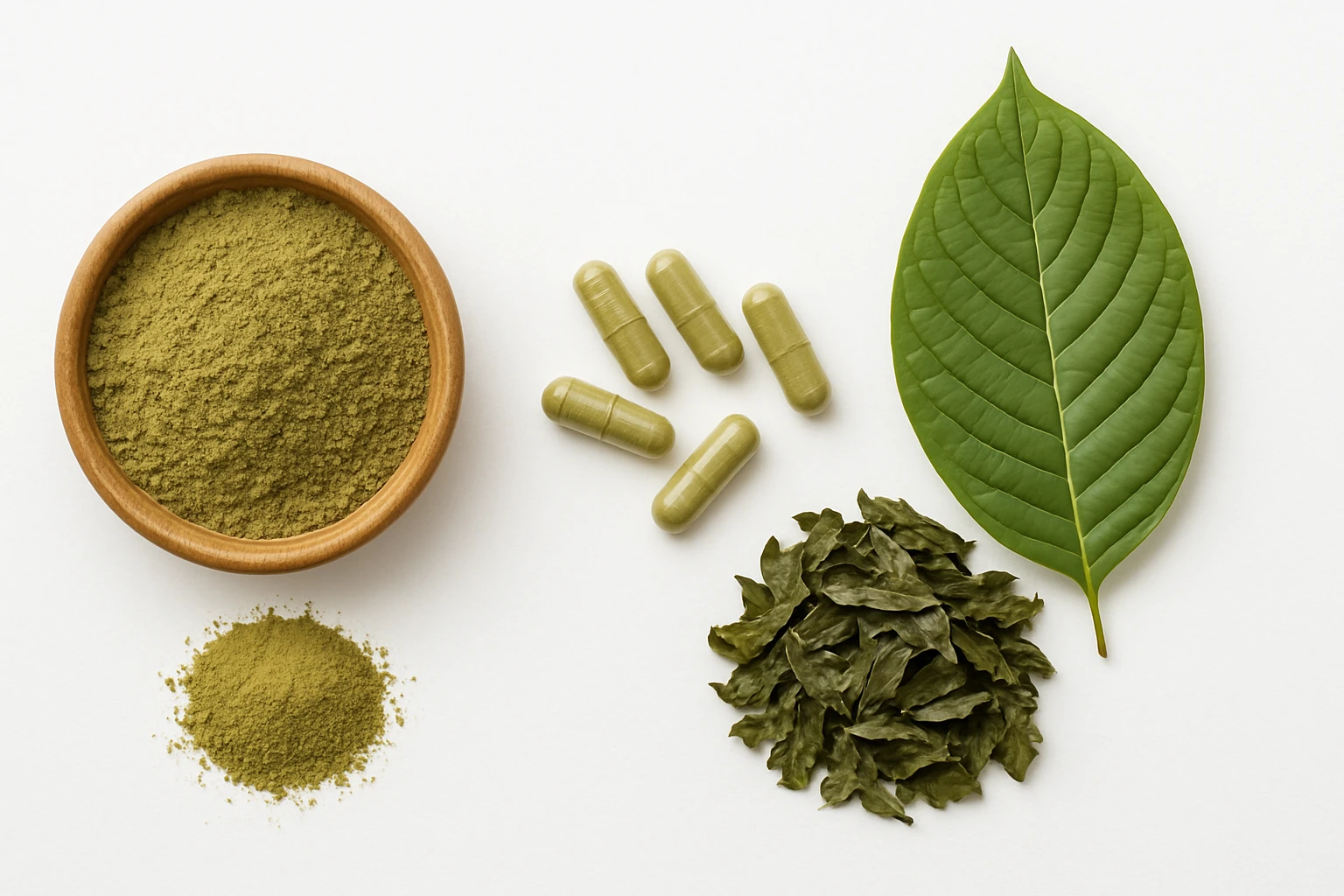

Kratom’s dual nature as both a stimulant and a sedative captivates those who seek to understand this complex plant medicine. Derived from the leaves of the Mitragyna speciosa tree, native to Southeast Asia, kratom has been used for centuries by communities in countries like Thailand and Malaysia. Its ability to produce energizing effects at low doses and calming, pain-relieving effects at higher doses makes it a unique botanical. This remarkable duality stems from its active compounds which interact with the body in distinct ways depending on dosage, strain, and individual physiology.
What Is Kratom?
Kratom, scientifically known as Mitragyna speciosa, is a tropical evergreen tree belonging to the coffee family. It grows naturally in regions like Thailand, Malaysia, Indonesia, and Papua New Guinea, where its leaves have been harvested for their psychoactive properties. Traditionally, workers in these regions chewed fresh kratom leaves or brewed them into tea to boost energy, enhance focus, or alleviate discomfort during long hours of labour. Today, kratom is available globally in various forms, including dried leaves, powders, capsules, and extracts, appealing to those seeking its diverse effects.
The plant’s dual nature lies in its ability to act as both a stimulant and a sedative, depending on how it’s used. This versatility has sparked curiosity among users worldwide, from those seeking a natural energy boost to others looking for relief from stress or discomfort. Understanding kratom’s dual nature requires taking a look into its chemistry, how it interacts with the body, and the cultural context that has shaped its use.
The Chemistry Behind Kratom’s Dual Nature
Kratom’s effects are driven by its rich alkaloid profile, with mitragynine and 7-hydroxymitragynine being the primary compounds responsible for its dual nature. These alkaloids interact with the body’s opioid receptors, serotonin pathways, and other neurological systems, producing a spectrum of effects that vary by dose and strain.
Mitragynine, the most abundant alkaloid in kratom leaves, is primarily responsible for the plant’s stimulant effects. At lower doses, it binds to receptors that promote alertness, sociability, and energy, mimicking the effects of caffeine but with a smoother onset. In contrast, 7-hydroxymitragynine, present in smaller quantities, has a stronger affinity for opioid receptors, contributing to sedative, pain-relieving effects at higher doses. This interplay between alkaloids creates kratom’s hallmark duality, allowing it to shift from energizing to calming as the dose increases.
Other alkaloids, such as speciociliatine and paynantheine, also play roles in modulating kratom’s effects, though their contributions are less understood. The balance of these compounds varies across kratom strains, which are often named after their region of origin or leaf vein colour, such as Red Bali or Green Malay. This chemical complexity underscores why kratom’s dual nature is not a one-size-fits-all experience but rather a dynamic interaction influenced by multiple factors.

Stimulant Effects: Energy and Focus
At lower doses, typically between 1 and 5 grams of kratom powder, the plant acts as a stimulant, offering effects comparable to a strong cup of coffee but with its own unique character. Users often report increased energy, heightened focus, and improved mood, making it a popular choice for those seeking a natural alternative to caffeine or other stimulants.
The stimulant effects of kratom’s dual nature are particularly valued by individuals looking to enhance productivity or combat fatigue. For example, a low dose may help someone power through a demanding workday, improve concentration during creative tasks, or feel more engaged in social settings. Unlike caffeine, which can sometimes cause hyperactivity, kratom’s stimulation is often described as smooth and sustained, with less of a crash afterward.
These energizing effects are thought to arise from mitragynine’s interaction with adrenergic and serotonin receptors, which regulate mood and alertness. Users may experience a sense of euphoria or motivation, though the intensity varies based on the strain and individual sensitivity. Strains like White Vein Thai or Green Maeng Da are often favored for their uplifting properties, appealing to those seeking a mental and physical boost.
Sedative Effects: Relaxation and Relief
At higher doses, typically 5 to 15 grams, kratom’s dual nature shifts toward sedative effects, resembling those of opioid-like substances. This range promotes relaxation, pain relief, and a sense of calm, making it appealing for those dealing with stress, anxiety, or physical discomfort. The sedative effects are primarily driven by 7-hydroxymitragynine, which binds more strongly to opioid receptors, producing a soothing, sometimes euphoric state.
For individuals seeking relief from chronic pain, kratom’s sedative properties offer a potential alternative to conventional medications. Users report that higher doses can ease muscle aches, joint pain, or tension, creating a sense of physical and mental ease. Additionally, kratom’s calming effects may help with sleep difficulties or anxiety, providing a natural way to unwind after a stressful day.
Red vein strains, such as Red Bali or Red Borneo, are often chosen for their relaxing qualities. These strains are associated with a deeper sense of tranquility and are popular among those looking to manage discomfort or promote restful sleep. However, the sedative effects can also lead to drowsiness or reduced mental clarity, which is why higher doses are best suited for evening use or when relaxation is the primary goal.
Factors Influencing Kratom’s Dual Nature
Kratom’s dual nature is not solely determined by dosage. Several factors influence whether its effects lean toward stimulation or sedation, making each user’s experience unique. Understanding these variables can help users tailor their kratom use to their desired outcomes.
Dosage
Dosage is the most significant factor in determining whether kratom acts as a stimulant or sedative. Low doses (1-5 grams) typically produce energizing effects, while moderate to high doses (5-15 grams) shift toward sedation. However, these ranges are not universal, as individual sensitivity and tolerance play a role. Beginners are advised to start with a low dose to gauge their response before experimenting with higher amounts.
Strain Variations
Kratom strains vary widely in their alkaloid content, influencing their effects. White vein strains, like White Borneo, are generally more stimulating, while red vein strains, such as Red Thai, lean toward sedation. Green vein strains, like Green Malay, often strike a balance, offering mild stimulation with a touch of relaxation. These differences arise from variations in growing conditions, harvest timing, and leaf processing, which affect the alkaloid profile.
Individual Physiology
Each person’s body chemistry influences how kratom’s dual nature manifests. Factors like body weight, metabolism, and tolerance to psychoactive substances can alter the intensity and type of effects. For instance, someone with a faster metabolism may experience stronger stimulant effects at lower doses, while another person might feel sedation at the same dose due to differences in receptor sensitivity.
Method of Consumption
How kratom is consumed also affects its effects. Common methods include brewing kratom tea, swallowing powder mixed with a beverage, or taking capsules. Tea may produce faster effects due to quicker absorption, while capsules may have a slower onset but longer duration. Chewing fresh leaves, as done traditionally in Southeast Asia, provides a different experience compared to processed forms, though fresh leaves are rarely available outside their native regions.
Timing and Context
The timing of kratom use and the user’s environment can shape its effects. Taking kratom on an empty stomach may enhance its potency, leading to stronger stimulation or sedation. Conversely, consuming it with food may mellow the effects. The user’s mindset and setting also matter; a busy, high-energy environment may amplify stimulant effects, while a calm, quiet space may enhance sedation.
Cultural and Historical Context
Kratom’s dual nature has deep roots in Southeast Asian culture, where it has been used for centuries as both a work aid and a remedy. Labourers in Thailand and Malaysia chewed kratom leaves to sustain energy during long hours in the fields, much like coffee is used in other parts of the world. At higher doses, kratom was used in traditional medicine to ease pain, promote relaxation, or even as a social lubricant during community gatherings.
In these cultures, kratom was often integrated into daily life with an understanding of its dose-dependent effects. Elders and healers passed down knowledge about how to use the plant effectively, balancing its stimulating and sedative properties. This historical context highlights the importance of approaching kratom with respect and awareness, recognizing its role as a tool with diverse applications.
In modern times, kratom’s global popularity has grown, particularly in Western countries where it’s used for a range of purposes, from boosting productivity to managing discomfort. However, its dual nature also raises questions about responsible use, as the line between stimulation and sedation can be subtle and varies by individual.
Considerations for Safe Use
While kratom’s dual nature offers potential benefits, it also comes with considerations that users should keep in mind. The plant’s effects are highly individualized, and what works for one person may not work for another. Here are some key points to consider:
Start Low and Go Slow
Given the variability in kratom’s effects, beginners should start with a low dose, typically 1-2 grams, to assess their sensitivity. Gradually increasing the dose over time allows users to find the sweet spot for their desired effects, whether stimulant or sedative, while minimizing the risk of discomfort.
Understand Strain Differences
Choosing the right strain is crucial for achieving the desired outcome. Researching strains and their typical effects can help users select one that aligns with their goals. For example, someone seeking energy might opt for a white vein strain, while someone looking for relaxation might choose a red vein variety.
Be Mindful of Tolerance
Regular kratom use can lead to tolerance, where higher doses are needed to achieve the same effects. To prevent this, users may consider taking breaks or rotating strains to maintain sensitivity. This approach also helps reduce the risk of dependence, which can occur with frequent, high-dose use.
Consider Interactions
Kratom can interact with other substances, such as alcohol, sedatives, or stimulants, potentially amplifying or altering its effects. Users should be cautious about combining kratom with other substances and consult a healthcare professional if they’re taking medications.
Source Quality Products
The quality of kratom varies widely, and poorly processed or contaminated products can pose risks. Purchasing the best kratom in Canada from reputable vendors who provide lab-tested kratom ensures purity and consistency, reducing the likelihood of adverse effects.
Kratom in the Modern World
As kratom’s popularity grows, so does the debate surrounding its use. In some countries, like Thailand and Malaysia, kratom is regulated or restricted due to concerns about misuse. In others, like Canada and parts of the United States, it remains widely available, often sold as a dietary supplement or herbal remedy. This global variation reflects the complexity of kratom’s dual nature, which is both a source of intrigue and controversy.
In Western countries, kratom has found a niche among those seeking natural alternatives for energy, relaxation, or pain management. Online communities and forums buzz with discussions about strains, dosages, and experiences, creating a wealth of anecdotal knowledge. However, the lack of standardized regulation means users must take extra care to source high-quality products and use them responsibly.

FAQ
Q: How does kratom’s dual nature affect new users differently than experienced users?
A: New users often experience kratom’s effects more intensely due to a lack of tolerance. A low dose (1-3 grams) may produce strong stimulation, while a moderate dose (5-7 grams) could lead to sedation sooner than expected. Experienced users may need slightly higher doses to achieve similar effects, but they’re also more familiar with their body’s response, allowing better dose calibration. New users should start with small amounts and increase gradually to understand how kratom’s dual nature interacts with their physiology.
Q: Can kratom’s dual nature cause unexpected effects if I switch strains?
A: Yes, switching strains can alter kratom’s effects due to variations in alkaloid content. For example, moving from a stimulating White Maeng Da to a sedative Red Bali might cause unexpected drowsiness if the dose isn’t adjusted. To avoid surprises, research the new strain’s typical effects and start with a lower dose to gauge its impact.
Q: Is it possible to combine kratom’s stimulant and sedative effects in one session?
A: Combining both effects in a single session is challenging because kratom’s dual nature is dose-dependent. Taking a low dose for stimulation followed by a higher dose for sedation may lead to unpredictable results, as the body processes the alkaloids simultaneously. It’s better to choose one effect per session based on your goal and stick to an appropriate dose.
Q: How does hydration impact kratom’s dual nature?
A: Hydration can influence kratom’s effects, as dehydration may intensify side effects like dizziness or nausea, particularly at higher doses. Drinking water before and after consuming kratom helps the body process alkaloids more efficiently, potentially leading to smoother stimulant or sedative effects. Staying hydrated also supports overall well-being during use.
Q: Can kratom’s dual nature be affected by diet or fasting?
A: Yes, diet and fasting play a role. Taking kratom on an empty stomach often leads to faster absorption and stronger effects, whether stimulant or sedative. Consuming it after a heavy meal may delay onset and reduce intensity. Users can experiment with timing to find what works best for their desired outcome.
Q: Are there times of day best suited for kratom’s stimulant or sedative effects?
A: For stimulant effects, morning or early afternoon use aligns with kratom’s energizing properties, supporting productivity or focus. For sedative effects, evening or nighttime use is ideal, as it promotes relaxation or sleep. Timing your dose with your daily rhythm can enhance the effectiveness of kratom’s dual nature.
Q: How long do the effects of kratom’s dual nature typically last?
A: Stimulant effects from low doses typically last 3-5 hours, while sedative effects from higher doses may last 4-6 hours, depending on the strain, dose, and individual metabolism. Factors like food intake or hydration can also affect duration. Users should plan their activities accordingly to match the expected effect window.
Conclusion
Kratom’s dual nature as both a stimulant and sedative sets it apart as a unique plant with a rich history and diverse applications. From its traditional use in Southeast Asia to its modern-day popularity, kratom offers a range of effects that appeal to those seeking energy, relaxation, or relief. By understanding the factors that influence its effects such as dosage, strain, and individual physiology, users can navigate its complexities with confidence. While kratom holds promise, it also demands respect and responsibility. With informed use, its dual nature can be a powerful tool for those looking to explore the potential of this remarkable plant.
Disclaimer
The information provided in this blog is for educational purposes only and should not be considered medical advice. Kratom (Mitragyna speciosa) is a botanical substance that has not been fully evaluated by regulatory bodies such as Health Canada for safety or efficacy. Its use carries potential health risks, including but not limited to nausea, dizziness, constipation, and in some cases, more serious effects such as dependency or adverse interactions with other substances.
Kratom’s effects can vary widely based on dosage, strain, individual physiology, and other factors, and its safety profile is not fully understood due to limited scientific research. Individuals considering kratom use should consult a qualified healthcare professional, especially if they have pre-existing medical conditions, are pregnant or breastfeeding, or are taking medications, as kratom may interact with certain drugs or exacerbate health issues.
The use of kratom is regulated or restricted in some regions, and users are responsible for ensuring compliance with local laws. Always source kratom from reputable vendors to minimize the risk of contamination or adulteration. By using kratom, individuals assume all associated risks, and neither the author nor the publisher is liable for any adverse effects or consequences resulting from its use.