




Pain can disrupt daily life, making even simple tasks feel overwhelming. For those seeking natural ways to manage discomfort, kratom’s analgesic properties have emerged as a topic of interest. Kratom, a plant native to Southeast Asia, has been used for centuries in traditional practices to ease pain and promote well-being. Its growing popularity in places like Canada and beyond stems from its potential to provide relief without the intensity of conventional options. But what exactly are analgesic properties, and how does kratom contribute to this process?
Understanding Analgesic Properties: The Basics
Analgesic properties describe how certain substances reduce the sensation of pain. Unlike anesthetics, which numb sensation entirely, analgesics target pain pathways while allowing normal function. They work by interacting with the nervous system, either at the site of pain (peripheral action) or in the brain and spinal cord (central action). Common examples include over-the-counter medications like ibuprofen, which reduces inflammation, or natural remedies like turmeric, known for soothing joint discomfort.
Pain signals begin when nociceptors, specialized nerve endings, detect injury or irritation. These signals travel through the spinal cord to the brain, where they’re processed as pain. Analgesics interrupt this process, either by blocking signals locally or altering their perception centrally. This mechanism is crucial for understanding how kratom operates, as its effects stem from a complex interplay of compounds that engage these pathways.
The appeal of natural analgesics lies in their potential to complement the body’s systems with fewer side effects than synthetic alternatives. For those exploring holistic options, kratom’s analgesic properties offer a compelling case study, rooted in both tradition and modern curiosity.
Kratom’s Roots: A Historical and Cultural Overview
Kratom, scientifically known as Mitragyna speciosa, is a tropical tree in the Rubiaceae family, related to coffee. Native to Southeast Asia, including countries like Thailand, Malaysia, and Indonesia, its leaves have been used for centuries in local communities. Farmers and labourers traditionally chewed fresh leaves to combat fatigue and mild discomfort during long workdays. In village settings, kratom was brewed into teas to ease physical tension or shared during social gatherings to foster relaxation.
Historically, kratom’s role extended beyond pain relief. In Thailand, it was part of cultural rituals, while in Malaysia, healers blended it with other herbs for holistic remedies. These practices highlight kratom’s versatility, with different preparations customized to specific needs. By the 19th century, kratom appeared in trade records, reflecting its economic and medicinal significance in the region.
Today, kratom’s global reach reflects growing interest in natural wellness. Its analgesic properties remain a focal point, drawing users seeking alternatives to conventional pain management. Understanding this heritage provides context for why kratom resonates with those exploring plant-based solutions.

The Science Behind Kratom’s Analgesic Properties
Kratom’s ability to alleviate pain hinges on its alkaloids, naturally occurring compounds in its leaves. Over 40 alkaloids have been identified, but two stand out: mitragynine and 7-hydroxymitragynine. These compounds drive kratom’s analgesic properties by interacting with the body’s pain and mood pathways, creating a unique profile for natural relief.
Key Alkaloids Driving Pain Relief
Mitragynine, making up about 60% of the alkaloid content in most strains, is the primary driver of kratom’s effects. It provides a foundation for pain modulation and mild stimulation. 7-hydroxymitragynine, though present in smaller amounts, is significantly more potent and enhances kratom’s analgesic properties, particularly at higher doses. The balance of these alkaloids varies by strain and region, influencing the intensity and character of the relief.
Interaction with Body Receptors
Kratom’s alkaloids engage mu-opioid receptors in the brain and spinal cord as partial agonists, meaning they stimulate these receptors enough to reduce pain signals but with a gentler effect than full agonists like traditional opioids. This partial action may lower dependency risks. Additionally, mitragynine interacts with adrenergic and serotonergic pathways, which can enhance mood and reduce the emotional burden of chronic pain, further supporting kratom’s role in pain management.
At the peripheral level, kratom may influence inflammation by modulating prostaglandins, compounds linked to pain and swelling. This dual central and peripheral action makes kratom’s analgesic properties distinct, offering a balanced approach to discomfort.
How Kratom Interacts with Pain Pathways
The body’s pain response involves a complex network of nerves, chemicals, and brain regions. When tissue is damaged, nociceptors send signals through the spinal cord to the brain’s thalamus and cortex, where pain is consciously felt. Emotional centers, such as the limbic system, can amplify this experience, especially in chronic conditions.
Kratom’s alkaloids target this process at multiple points. By binding to mu-opioid receptors, mitragynine and 7-hydroxymitragynine dampen the intensity of pain signals reaching the brain. This central action reduces the perception of discomfort, often described as a smoothing effect rather than a complete block. Simultaneously, kratom’s interaction with alpha-2 adrenergic receptors lowers norepinephrine levels, which can heighten pain sensitivity in the spinal cord.
Serotonin and dopamine pathways also play a role, as kratom’s alkaloids may lift mood, countering the stress that often accompanies prolonged discomfort. When consumed, typically as a powder, tea, or capsule, kratom’s effects onset within 20 to 40 minutes, peaking around 1 to 2 hours and lasting up to 5 hours, depending on dosage and strain.
Kratom Strains and Their Role in Pain Relief
Kratom’s effects vary by strain, determined by leaf vein colour and regional growing conditions. These differences stem from variations in alkaloid content, which influence the intensity and nature of kratom’s analgesic properties. Choosing the right strain can alter the experience to specific pain management needs.
Red Vein Strains for Deep Relief
Red vein strains, such as Red Bali or Red Maeng Da, are harvested from mature leaves and are rich in 7-hydroxymitragynine. This makes them ideal for significant pain relief, often described as calming and soothing. Users turn to red strains for evening use or to manage intense discomfort, such as joint or muscle pain.
Green and White Strains for Balanced Effects
Green strains, such as Green Malay, balance mitragynine and 7-hydroxymitragynine, offering moderate pain relief with a touch of energy. They’re popular for daytime use, supporting focus alongside comfort. White strains, like White Borneo, emphasize mitragynine for mild pain relief and increased alertness, suiting users needing subtle support during active hours.
Regional factors, such as soil composition in Indonesia versus Thailand, further refine alkaloid profiles, creating nuanced effects. Preparation methods, including teas for gradual onset, powders for quicker action, or capsules for convenience, allow users to customize their experience, aligning kratom’s analgesic properties with specific needs.
Practical Considerations for Using Kratom
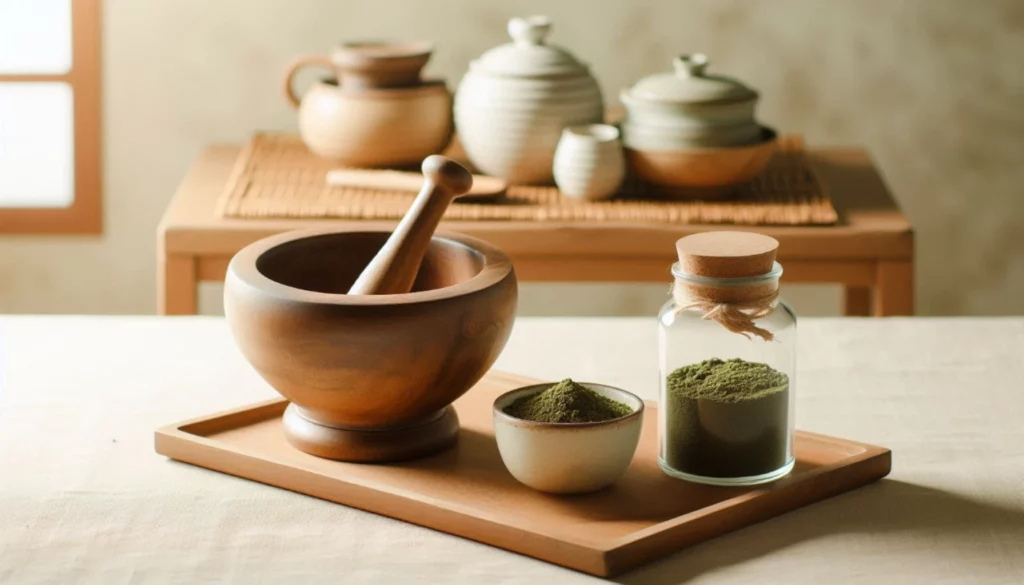
Incorporating kratom into a wellness routine requires informed choices to maximize its analgesic properties safely and effectively. Dosage, preparation, and sourcing are critical factors that shape the experience.
Choosing the Right Dose
Beginners should start with 1 to 2 grams of kratom to assess tolerance, as individual responses vary. For moderate pain relief, 3 to 5 grams is common, while 5 to 8 grams may enhance analgesic effects but risks sedation. Tracking doses and effects in a journal helps refine usage over time, ensuring consistency and safety.
Effective Preparation Methods
Kratom’s preparation impacts its onset and intensity. Consider these common methods:
- Powders: Mix with water or juice for quick absorption, ideal for immediate relief.
- Teas: Simmer leaves for a slower, smoother effect, suitable for sustained comfort.
- Capsules: Offer precise dosing, convenient for beginners or consistent use.
Timing also matters. Taking kratom on an empty stomach speeds absorption, while pairing with food may soften its intensity. Quality is critical. Sourcing from reputable vendors ensures purity and consistent alkaloid content. Look for lab-tested products that verify the absence of contaminants. Staying hydrated and pairing kratom with complementary practices, such as stretching or meditation, can enhance its benefits.
Kratom in the Modern Wellness Landscape
Kratom’s rise in popularity reflects growing interest in natural pain relief solutions. In Canada, where holistic wellness thrives, kratom’s analgesic properties are recognized for their potential to manage chronic discomfort, such as muscle aches or joint pain. Available through e-commerce platforms as a botanical supplement, kratom appeals to those seeking alternatives to conventional pain medications.
Globally, kratom’s opioid-like effects spark debate, with advocates emphasizing its role in pain management and critics urging caution to prevent misuse. Regulatory guidelines in various regions emphasize responsible sourcing and informed use, ensuring users have access to safe, high-quality products. Vendors play a key role by providing transparent information on strain origins, alkaloid profiles, and usage recommendations.
Users often combine kratom’s analgesic properties with lifestyle practices to enhance relief. For example, pairing kratom with anti-inflammatory diets or gentle exercise may amplify its effects on chronic pain. Online communities share strategies, such as adjusting strains for specific conditions or timing doses for optimal relief, fostering informed exploration of kratom’s pain-relieving potential.

Frequently Asked Questions About Kratom’s Analgesic Properties
Q: Is kratom safe for pain relief?
A: Kratom’s analgesic properties can offer natural pain relief when used responsibly, but safety depends on proper dosing and sourcing from reputable vendors. Beginners should start with low doses (1-2 grams) and consult healthcare professionals, especially if taking other medications.
Q: How long do kratom’s analgesic effects last?
A: Kratom’s pain-relieving effects typically begin within 20 to 40 minutes, peak at 1 to 2 hours, and last up to 5 hours. Duration varies based on strain, dosage, and individual metabolism.
Q: Which kratom strain is best for chronic pain?
A: Red vein strains, such as Red Bali, are often preferred for chronic pain due to their high 7-hydroxymitragynine content, which provides strong, calming relief. Green strains may suit milder, daytime pain management.
Q: Can kratom’s analgesic properties replace over-the-counter painkillers?
A: Kratom’s analgesic properties offer a natural alternative, but they should not automatically replace conventional painkillers. Users should evaluate their needs and consult professionals to ensure safe use.
Q: Does kratom reduce inflammation as part of its pain relief?
A: Kratom’s analgesic properties may include anti-inflammatory effects by modulating prostaglandins, which contribute to pain and swelling. This peripheral action complements its central pain-relieving mechanisms.
Conclusion
In conclusion, kratom’s analgesic properties offer a natural, nuanced approach to pain relief, rooted in centuries of use and enriched by modern curiosity. By understanding its mechanisms, strains, and practical applications, individuals can explore its potential thoughtfully. Whether seeking relief from daily aches or a complement to holistic wellness, kratom invites a journey of discovery, grounded in respect for its origins and possibilities.
Disclaimer
The information provided in this blog about kratom and its analgesic properties is for educational and informational purposes only and should not be considered medical advice. Kratom (Mitragyna speciosa) is a botanical substance that has not been approved by Health Canada or the U.S. Food and Drug Administration (FDA) for the treatment of any medical condition.
While kratom may offer potential pain relief for some individuals, its safety and efficacy have not been fully evaluated in clinical settings, and its use carries potential risks, including side effects such as nausea, dizziness, or dependency with prolonged use. Individuals considering kratom for pain management should consult a qualified healthcare professional before use, especially if they have pre-existing medical conditions, are pregnant or breastfeeding, or are taking medications, as kratom may interact with certain drugs.
Responsible use, including starting with low doses and sourcing from reputable vendors, is critical to minimizing risks. The authors and publishers of this blog are not liable for any adverse effects or consequences resulting from the use of kratom or the information provided herein. Always prioritize safety and informed decision-making when exploring kratom or any supplement for health-related purposes.