


Kratom has woven itself into the fabric of both traditional and modern cultures. Its leaves, known for their stimulant and opioid-like effects, have sparked global curiosity. But how do kratom use patterns differ between its native Southeast Asia and North America? The answer lies in a fascinating blend of history, culture, and evolving societal needs.
In Southeast Asia, kratom is a centuries-old remedy, deeply rooted in rural traditions and community practices. In North America, it is a relatively new phenomenon, driven by individual health goals and the search for alternatives to conventional treatments. This blog uncovers the distinct ways kratom is embraced across these regions, offering a clear understanding of its diverse roles.
A Plant with Deep Roots: Kratom in Southeast Asia
In Southeast Asia, kratom, or Mitragyna speciosa, is more than a plant; it is a cultural cornerstone. Grown in countries like Thailand, Malaysia, Indonesia, and Myanmar, its dark green leaves have been used for generations. The plant thrives in the region’s humid jungles, where it has been harvested for its unique properties since at least the 19th century. For rural communities, kratom is a tool for endurance, a remedy for ailments, and a social connector.
Traditional Uses in Rural Life
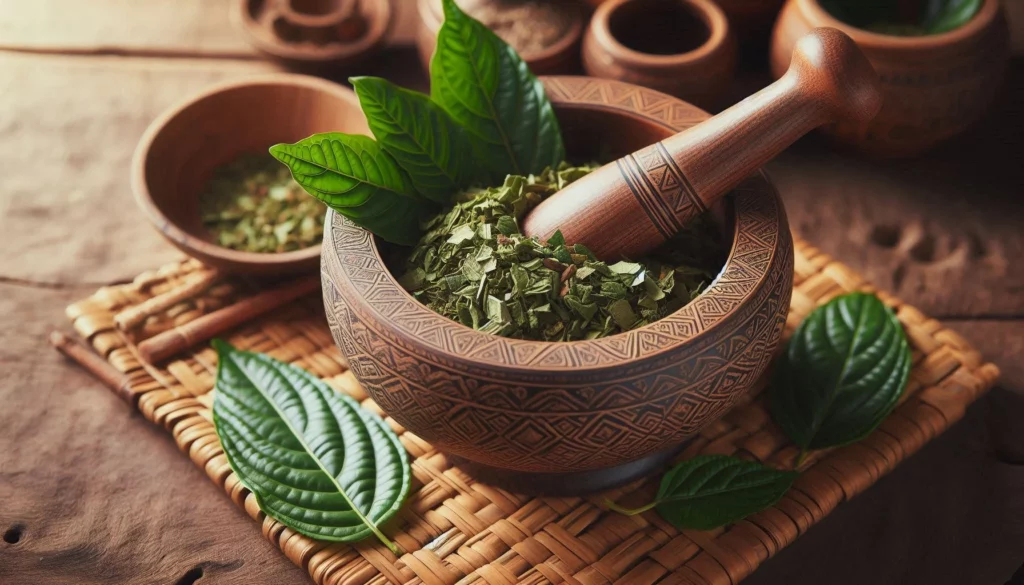
In rural Southeast Asia, kratom use patterns center on practicality. Labourers, such as farmers and fishermen, chew fresh kratom leaves to boost energy and combat fatigue during long workdays. The leaves’ stimulant effects at low doses provide a burst of alertness, helping workers endure physically demanding tasks under the tropical sun. This practice is particularly common in Thailand and Malaysia, where kratom is often consumed raw or brewed into a tea.
Kratom also serves as a traditional medicine. Villagers use it to ease minor ailments like muscle pain, fever, or digestive issues. In small doses, it acts as a mild analgesic, offering relief without the need for modern pharmaceuticals. In some communities, kratom tea is shared during social gatherings, fostering camaraderie among men in rural settings. Its role in religious or ceremonial contexts, though less common, underscores its cultural significance, with leaves sometimes used in offerings or rituals.
Emerging Trends Among Youth
While kratom’s traditional use remains strong, newer patterns have emerged, particularly among younger populations in urban areas. In Thailand and Malaysia, some youth mix kratom with other substances, such as cough syrup or caffeinated drinks, to create a cocktail known as “4×100.” This concoction, popular in southern Thailand, delivers effects similar to alcohol intoxication, appealing to those seeking recreational highs. This trend, however, has raised concerns, as it diverges from kratom’s traditional role and introduces risks of misuse when combined with other substances.
In northern Malaysia, near the Thai border, kratom has gained traction among individuals struggling with illicit drug use. Here, it is used as a substitute to manage withdrawal symptoms from opioids or other substances. This harm-reduction approach reflects kratom’s opioid-like effects at higher doses, which can mimic the calming properties of traditional opioids without the same level of dependency. This shift highlights a growing complexity in kratom use patterns, blending tradition with modern challenges.
Cultural Acceptance and Regulation
Kratom’s deep integration into Southeast Asian life has shaped its cultural perception. In rural areas, it is viewed as a natural remedy, not a drug, and is widely accepted despite legal restrictions in some countries. For example, Thailand banned kratom in 1943 but legalized it for medicinal use in 2018 and fully decriminalized it in 2021, reflecting its cultural significance.
Malaysia, however, still prohibits kratom under its Poisons Act, though enforcement is lax in areas where the plant grows naturally. These regulatory shifts illustrate the tension between traditional practices and modern governance, influencing how kratom is consumed and perceived.
Kratom’s Journey to North America
Across the Pacific, kratom use patterns in North America tell a different story. Introduced in the early 2000s, kratom gained popularity rapidly, particularly in the United States and Canada, where it is now estimated to be used by millions. Unlike Southeast Asia’s community-driven, traditional use, North American patterns are shaped by individualism, online accessibility, and a quest for alternative health solutions.
A Tool for Self-Treatment
In North America, kratom is primarily used for self-treatment of physical and mental health conditions. Users, often middle-aged and with some college education, turn to kratom to manage chronic pain, anxiety, depression, or opioid withdrawal. The plant’s dual effects, stimulant at low doses and sedative at higher doses, make it appealing for a range of needs. For example, someone with chronic back pain might use a small dose for energy during the day and a larger dose for relaxation at night.
The opioid crisis in North America has significantly influenced kratom’s rise. Many users report using kratom to reduce reliance on prescription or illicit opioids, citing its ability to ease withdrawal symptoms and cravings. Surveys suggest that a significant portion of users achieve sustained abstinence from opioids with kratom’s help, viewing it as a harm-reduction tool. This contrasts sharply with Southeast Asia, where kratom’s role in opioid withdrawal is less widespread and more localized to specific communities.
Diverse Consumption Methods
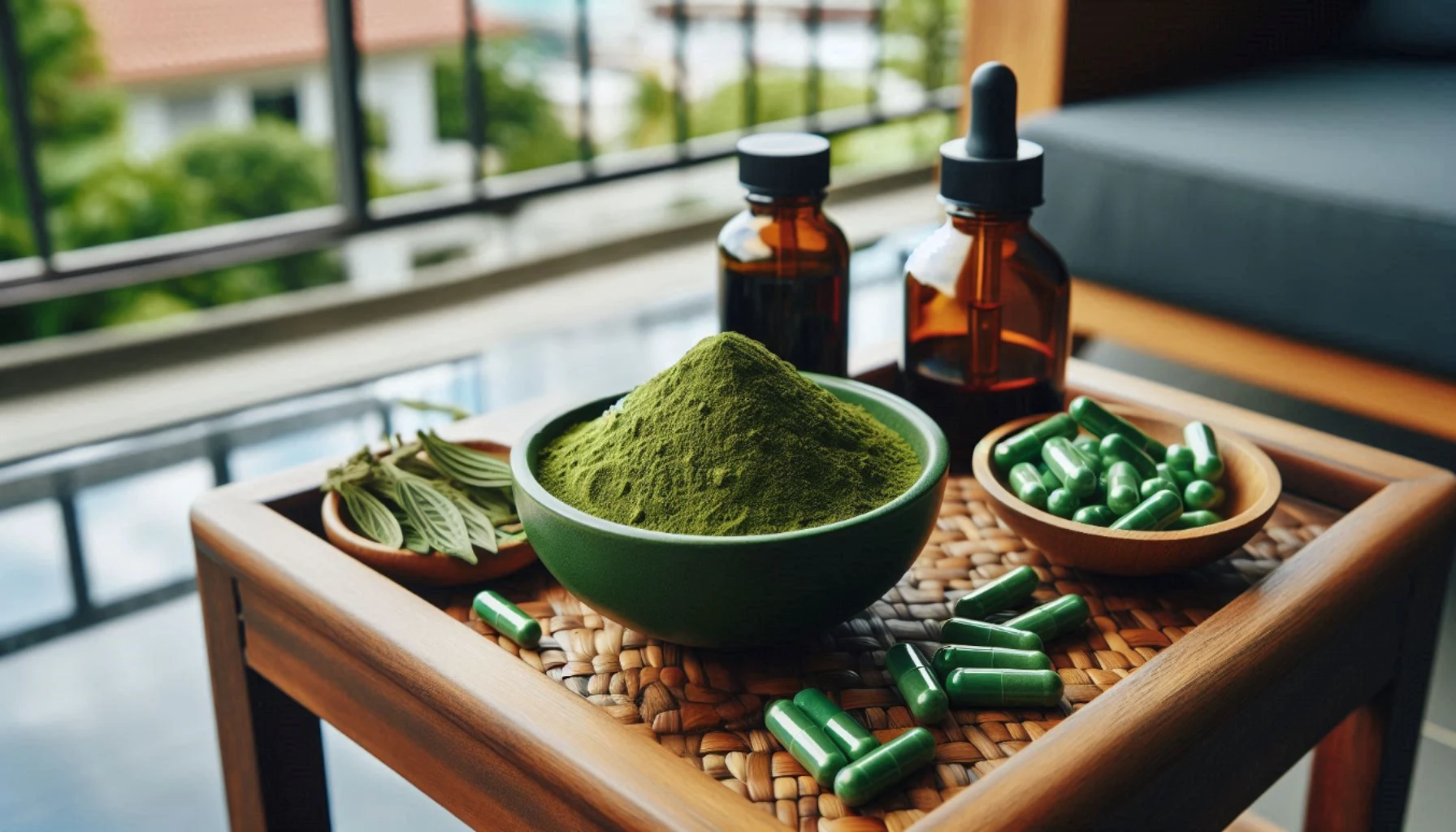
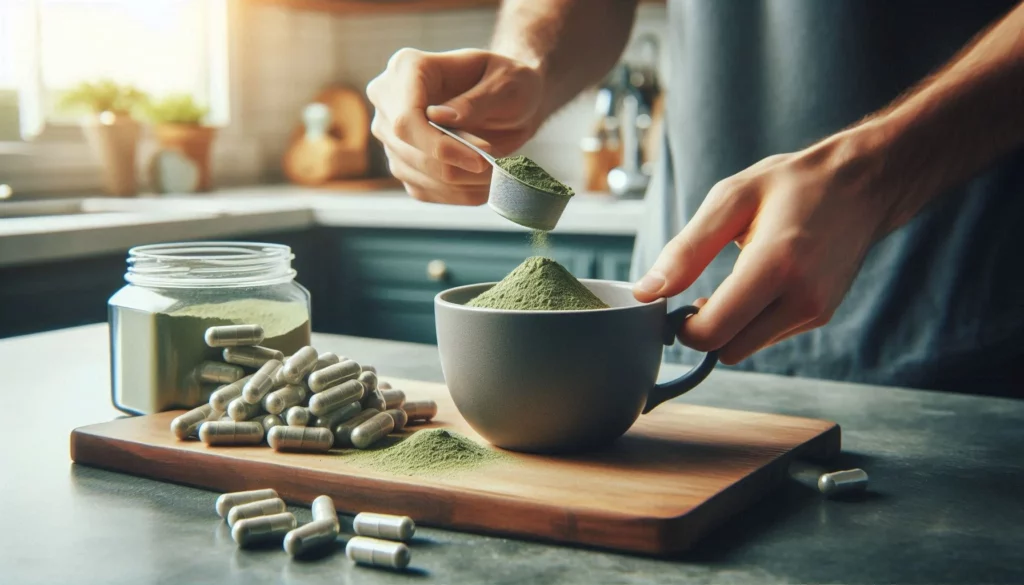
Kratom use patterns in North America also differ in how the plant is consumed. Unlike Southeast Asia’s fresh leaves, North Americans typically use dried, powdered kratom imported from Southeast Asia. This powder is sold in capsules, mixed into beverages, or consumed as a tea. The market offers a variety of products, including extracts, tinctures, and even edibles, reflecting a commercialized approach absent in Southeast Asia’s traditional practices.
Online vendors and specialty shops have made kratom widely accessible, but this comes with challenges. Products are often labelled “not for human consumption,” creating a regulatory gray area. Variability in potency and quality raises concerns about safety, as users may not know the exact composition of what they are consuming. This contrasts with Southeast Asia, where fresh leaves are harvested locally, ensuring consistency and familiarity.
Demographic and Motivational Differences
The demographics of kratom users in North America are distinct. While Southeast Asian users are often rural labourers or youth experimenting recreationally, North American users are typically white, middle-income individuals seeking solutions for personal health challenges. The motivations, pain relief, mental health support, or opioid cessation, reflect a focus on individual wellness rather than communal or labour-related needs. This individualistic approach aligns with North America’s broader health culture, where alternative remedies are often sought outside conventional medicine.
Cultural and Social Influences on Kratom Use
The stark differences in kratom use patterns stem from cultural and social contexts. In Southeast Asia, kratom is embedded in a collective lifestyle. Its use is tied to shared labour, community rituals, and traditional healing, passed down through generations. The plant’s accessibility in its natural form reinforces its role as a community resource, with minimal stigma in rural areas.
In North America, cultural attitudes toward health and wellness drive kratom’s popularity in the west. The region’s emphasis on self-reliance and skepticism of pharmaceutical interventions has fueled interest in natural alternatives. Online communities and social media platforms amplify this, with users sharing experiences and advocating for kratom’s benefits. However, this also contributes to a lack of regulation, as the plant exists in a legal limbo, banned in some U.S. states but widely available online.
Social perceptions also differ. In Southeast Asia, kratom is largely normalized, even in areas where it is legally restricted. In North America, it is polarizing, viewed as a lifesaver by some and a potential danger by others, particularly regulators concerned about its opioid-like effects. This divide shapes how kratom is marketed and consumed, with North American users navigating a landscape of advocacy and caution.

Health and Safety Considerations
Kratom’s safety profile varies by region. In Southeast Asia, fresh leaf use causes mild side effects like constipation, with rare severe outcomes. In North America, commercial products like extracts raise concerns due to potential liver toxicity, seizures, or dependency, especially with polydrug use. Standardized dosing and regulation could mitigate these risks, ensuring safer use globally.
Kratom Use Patterns in Modern Contexts
Modernity has reshaped kratom use in both regions. In Southeast Asia, urbanization and changing lifestyles have introduced new patterns, like the recreational use of kratom cocktails among youth. These trends coexist with traditional uses, creating a dynamic landscape where kratom serves multiple roles. The plant’s legalization in Thailand has also spurred research into its medicinal potential, potentially expanding its applications.
In North America, kratom’s role is evolving as users experiment with its effects. Social media platforms, like Reddit, host discussions on dosing, strains, and benefits, fostering a community-driven approach to use. This contrasts with Southeast Asia’s oral traditions, where knowledge is shared in person. The digital age has made kratom a global phenomenon, but it also amplifies misinformation, particularly in North America, where scientific data lags behind user enthusiasm.
Bridging the Divide: What We Can Learn
Understanding kratom use patterns across these regions offers valuable insights. Southeast Asia’s long history with kratom highlights its potential as a safe, effective remedy when used in its natural form and within cultural norms. North America’s experience underscores the need for regulation and education to mitigate risks associated with commercial products. Both regions demonstrate kratom’s versatility, but they also reveal the importance of context in shaping its impact.
For users in North America, learning from Southeast Asian practices could encourage more mindful consumption, such as prioritizing natural preparations over extracts. Conversely, Southeast Asia could benefit from North America’s focus on harm reduction, applying kratom’s potential to address modern health challenges like opioid dependency. Bridging these perspectives could lead to a more balanced approach to kratom use globally.
FAQ
Q: Why is kratom so deeply integrated into Southeast Asian culture?
A: Kratom’s integration into Southeast Asian culture stems from its centuries-long use as a practical tool and remedy. In rural areas, it supports labourers by boosting energy and alleviating minor ailments, while its role in social and ceremonial settings fosters community bonds. Its natural abundance and historical use have normalized it as a cultural staple, despite legal fluctuations in countries like Thailand and Malaysia.
Q: How do North American users discover kratom?
A: North American users often discover kratom through online communities, social media, or word-of-mouth recommendations. Many are drawn to it while seeking alternatives to prescription medications for pain, anxiety, or opioid dependency. The internet, particularly forums like Reddit, plays a significant role in spreading awareness and sharing user experiences, driving its popularity.
Q: What are the main differences in how kratom is consumed in each region?
A: In Southeast Asia, kratom is typically consumed as fresh leaves, chewed or brewed into tea, emphasizing simplicity and local availability. In North America, users rely on imported, dried kratom in powder, capsule, or extract form, reflecting a commercialized approach. This leads to more diverse products but also greater variability in quality and potency.
Q: Are there unique risks associated with kratom use in North America?
A: Yes, North American users face risks due to inconsistent product quality and lack of regulation. Commercial products like extracts can be overly potent, increasing the chance of side effects like nausea or dependency. Polydrug use and unclear dosing guidelines also contribute to health concerns.
Conclusion: A Tale of Two Worlds
Kratom use patterns reflect the distinct cultural, social, and economic landscapes of Southeast Asia and North America. In its native region, kratom is a time-honoured tool for labour, healing, and community, evolving with modern needs. In North America, it is a newer ally for individual health, driven by personal choice and market forces.
By exploring these differences, we gain a deeper appreciation for kratom’s versatility and the need for informed, responsible use. Whether chewed in a Thai village or brewed in a North American kitchen, kratom’s journey reveals the power of plants to shape human experience across continents.
Disclaimer
The information provided in this blog is intended for informational purposes only. It is not a substitute for professional medical advice, diagnosis, or treatment. Kratom (Mitragyna speciosa) has not been approved by regulatory bodies such as the U.S. Food and Drug Administration (FDA) and Health Canada for medical use, and its safety and efficacy remain understudied. Potential health risks associated with kratom use, particularly in North America, include liver toxicity, seizures, dependency, and, in rare cases, adverse effects when combined with other substances.
Users should exercise caution due to the variability in product quality, potency, and lack of standardized dosing in commercial products. In Southeast Asia, while traditional use of fresh leaves is generally considered low-risk, misuse or combination with other substances may pose health concerns. Always consult a qualified healthcare professional before using kratom or any substance for medicinal purposes, especially if you have pre-existing health conditions, are taking medications, or are pregnant or breastfeeding. The author and publisher of this blog are not liable for any adverse effects or consequences resulting from the use of kratom or reliance on the information provided herein.