Kratom Tourism: The Powerful Impact on Global Travel
Faust
Travelers today are increasingly drawn to unique, immersive experiences that blend culture, wellness, and discovery. Among these emerging trends, kratom tourism has carved out a distinctive niche, captivating those eager to explore the world of Mitragyna speciosa, a tropical tree native to Southeast Asia. For centuries, its leaves have been integral to traditional practices, valued for their stimulating and calming effects.
This growing interest is reshaping travel patterns, drawing visitors to regions where kratom is cultivated and culturally significant. From Thailand’s lush jungles to Indonesia’s vibrant markets, kratom tourism offers a deep dive into the plant’s history, its role in local communities, and its impact on global travel.
The Roots of Kratom Tourism
Kratom tourism stems from the plant’s deep cultural and historical significance in Southeast Asia. In countries like Thailand, Malaysia, and Indonesia, kratom has been a part of traditional practices for generations, often chewed for energy or brewed into teas for relaxation. Its dual nature, offering both stimulant-like and calming effects depending on the dose, has piqued global interest, particularly among travelers seeking alternative wellness experiences. Unlike mainstream tourism driven by beaches or cityscapes, kratom tourism appeals to those curious about ethnobotany, holistic health, or cultural immersion.
The rise of kratom tourism can be traced to the global wellness movement, which emphasizes natural remedies and plant-based practices. As travelers increasingly seek authentic, transformative experiences, destinations where kratom is grown or used traditionally have become magnets for adventurous souls. These travelers are not just chasing a product; they want to understand the plant’s role in local life, from its cultivation in rural villages to its place in spiritual and social rituals.
Destinations at the Heart of Kratom Tourism
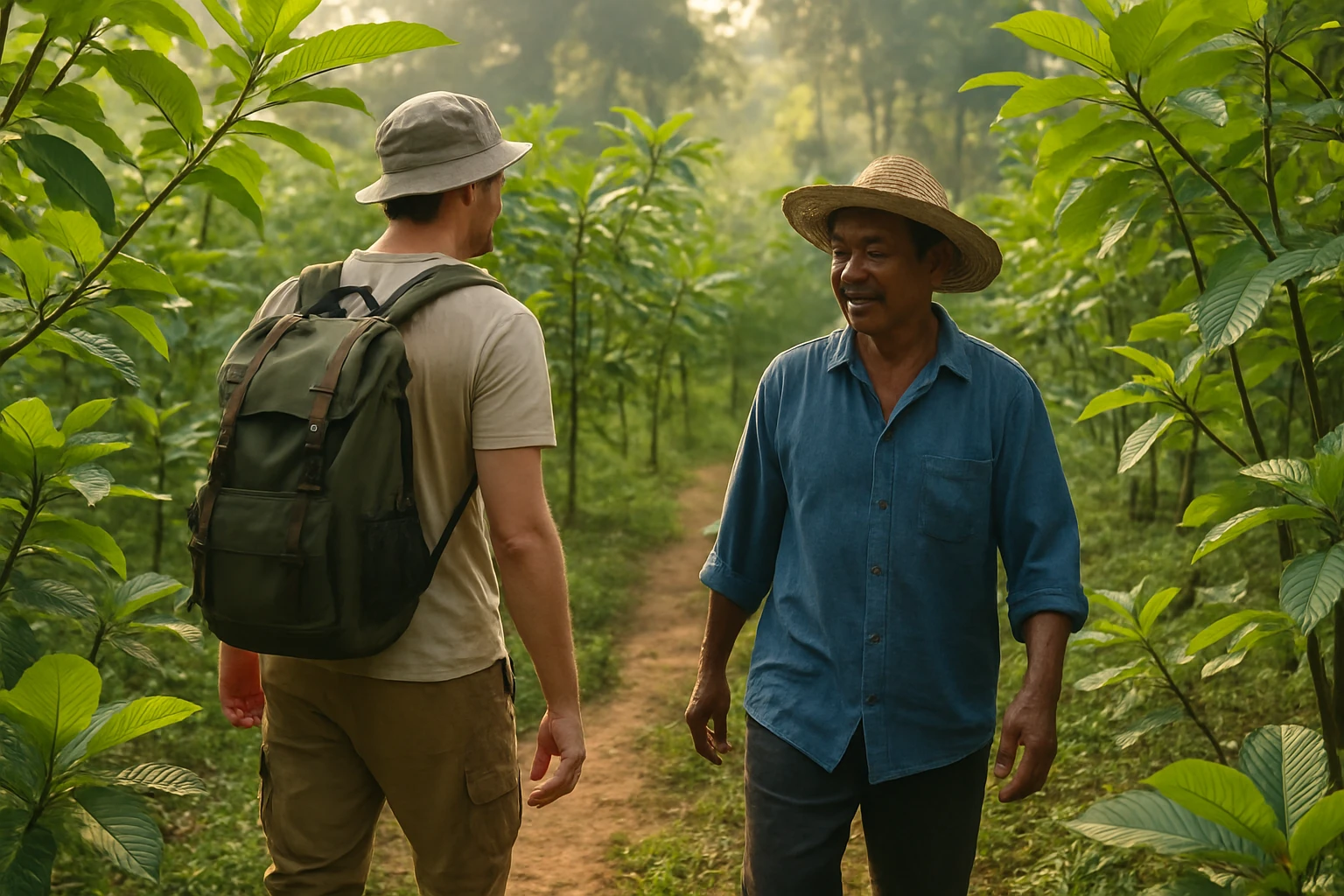
Southeast Asia is the epicenter of kratom tourism, with specific regions standing out as key destinations. Thailand, for instance, has seen a surge in visitors since the country decriminalized kratom in 2021. Places may offer tours that take travelers to kratom farms, where they can witness the harvesting process and learn about traditional preparation methods. These tours often blend education with cultural immersion, featuring visits to local markets or temples where kratom’s historical use is explained.
Indonesia, particularly the island of Borneo, is another hotspot. Travelers can engage with farmers, explore the lush landscapes where kratom thrives, and even participate in workshops on how the leaves are processed into powders or teas. Malaysia, too, has emerged as a destination, with rural areas attracting visitors interested in kratom’s role in local herbal traditions.
Beyond Southeast Asia, kratom tourism is gaining traction in unexpected places. In the United States, for example, certain states have seen the emergence of kratom-focused wellness retreats. These retreats cater to domestic travelers, offering workshops on the plant’s uses alongside yoga or meditation sessions. While not as deeply rooted as Southeast Asian experiences, these retreats highlight how kratom tourism is adapting to different cultural contexts.
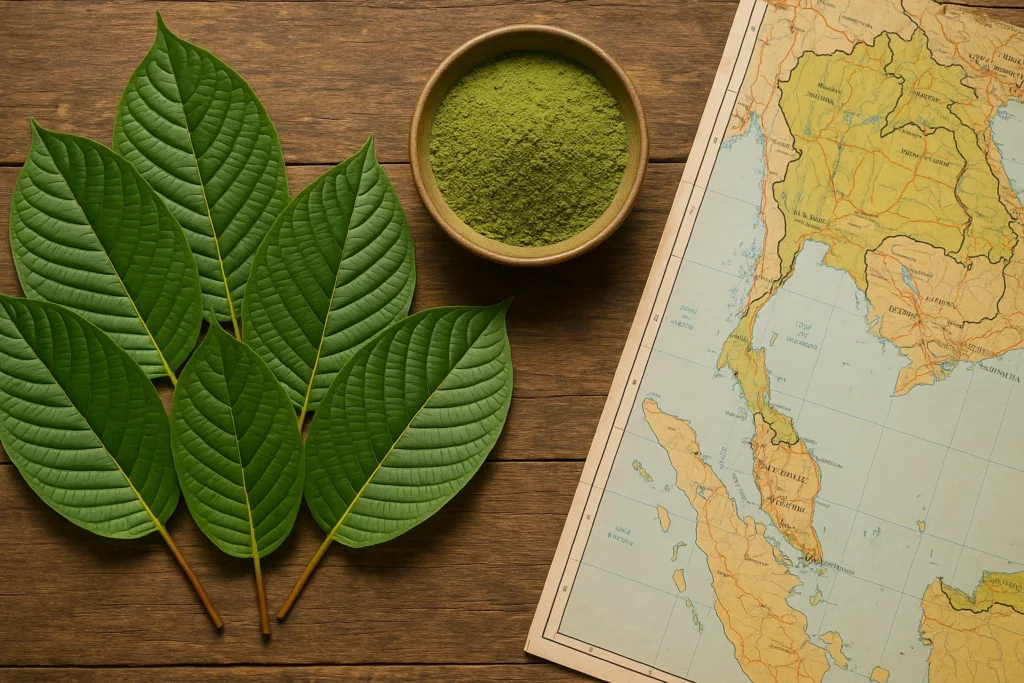
Arrangement of kratom leaves and powder next to a vintage map
Economic Impacts of Kratom Tourism
Kratom tourism has become a significant economic driver in regions where the plant is cultivated. In rural Southeast Asian communities, where economic opportunities can be scarce, kratom tourism provides a vital source of income.
Local businesses also benefit. Tour operators, homestays, and small restaurants in kratom-growing regions cater to travelers, creating jobs and stimulating local economies. These establishments often collaborate with local guides to provide authentic experiences, further distributing economic benefits across communities.
On a broader scale, kratom tourism contributes to national economies by attracting international visitors. Countries like Thailand and Indonesia have seen increased tourism revenue as people who may be interested in kratom draw travelers who might otherwise visit more conventional destinations. This influx supports infrastructure development, from improved roads to enhanced hospitality services, benefiting both locals and tourists.
However, the economic boon comes with challenges. In some areas, the rapid growth of kratom tourism has led to concerns about overcommercialization. Unregulated tour operators or vendors may prioritize profit over authenticity, potentially diluting the cultural significance of kratom or exploiting local communities. Balancing economic growth with sustainable practices is a key consideration for regions embracing this trend.
Cultural Exchange and Understanding
One of the most profound impacts of kratom tourism is its role in fostering cultural exchange. Travelers who visit kratom-growing regions often leave with a deeper appreciation for the traditions and lifestyles of local communities. In Thailand, for instance, visitors might participate in a traditional kratom tea ceremony, learning about its historical use in social gatherings or as a remedy for fatigue. These interactions bridge cultural gaps, allowing travelers to connect with locals on a personal level.
For local communities, kratom tourism offers a platform to share their heritage. Farmers and artisans take pride in showcasing their knowledge, from the intricacies of kratom cultivation to the art of crafting herbal blends. This exchange not only preserves cultural practices but also elevates their global visibility. In some cases, locals have used tourism as an opportunity to educate visitors about the responsible use of kratom, dispelling misconceptions and promoting respect for their traditions.
Yet, cultural exchange is not without its complexities. The influx of foreign visitors can sometimes lead to misunderstandings or the commodification of sacred practices. For example, in Malaysia, where kratom is deeply tied to rural life, some locals worry that tourism might reduce their traditions to mere photo opportunities. Responsible tourism practices, such as hiring local guides and prioritizing community-led initiatives, are essential to ensuring that cultural exchanges remain respectful and mutually beneficial.
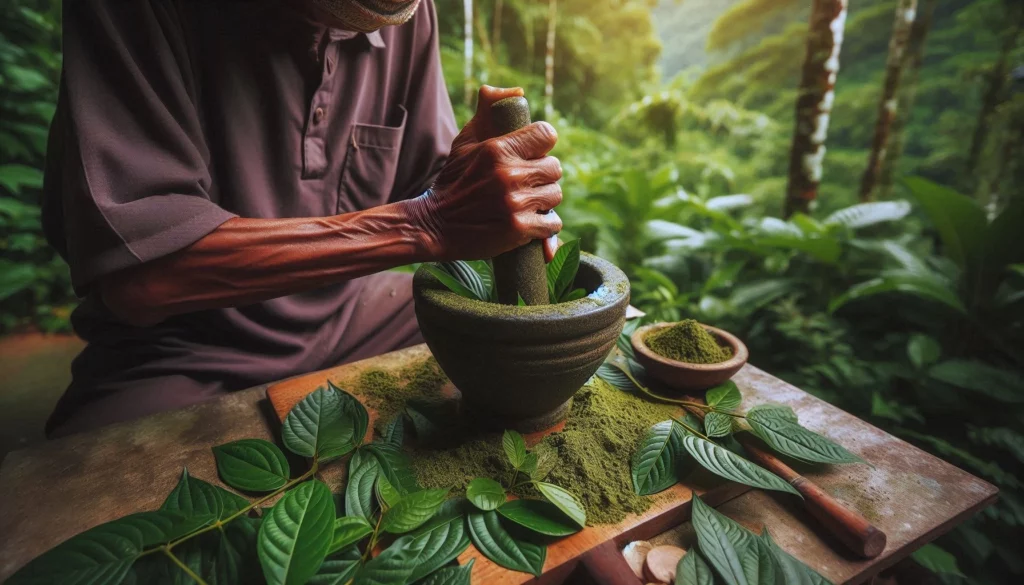
Elderly individual skilfully preparing kratom powder with a mortar and pestle amidst vibrant greenery.
The Role of Education in Kratom Tourism
Education is a cornerstone of kratom tourism, setting it apart from more conventional travel experiences. Many tours and retreats prioritize teaching visitors about the plant’s history, cultivation, and traditional uses. In Southeast Asia, guides often share stories passed down through generations, offering insights into how kratom has shaped local life. These educational components appeal to travelers who value learning and seek meaningful experiences.
In addition to cultural education, kratom tourism often includes discussions about the plant’s effects and responsible use. Guides and hosts may explain the differences between kratom strains or the importance of moderation, helping travelers make informed choices. This focus on education not only enhances the travel experience but also promotes a more nuanced understanding of kratom globally.
Challenges and Controversies
Kratom tourism is not without its challenges. The plant’s legal status varies widely across countries, creating a complex landscape for travelers and operators alike. In Canada, for instance, while possession of kratom is legal, its sale for human consumption is not authorized, leading to a gray market that can confuse visitors. In contrast, Thailand’s decriminalization has made it a more welcoming destination, but regulations still govern how kratom can be marketed or sold.
These legal nuances impact tourism by shaping where and how travelers can engage with kratom. In regions with strict regulations, tour operators may face restrictions on what they can offer, limiting the scope of experiences. Conversely, in areas with more lenient policies, there’s a risk of oversaturation, where the market becomes flooded with inauthentic or low-quality offerings.
Another challenge is the perception of kratom itself. While many travelers view it as a natural remedy, others associate it with controversy due to its opioid-like effects. This stigma of kratom can deter some tourists or create tension in communities where kratom is a traditional practice but faces scrutiny from outsiders. Addressing these perceptions requires open communication and a commitment to transparency from both travelers and hosts.
The Traveler’s Perspective
For travelers, kratom tourism offers a chance to step outside their comfort zones and engage with a plant that is both ancient and modern. Many are drawn by the promise of a unique experience, one that combines adventure, education, and personal growth. Travelers often report that kratom tourism feels more intimate than mainstream travel. These experiences leave lasting impressions, with many visitors returning home with a newfound respect for the cultures and environments they encountered.
Scenic riverboat adventure winding through lush tropical greenery in Southeast Asia.
FAQ
Q: What makes kratom tourism different from other types of travel? A: Kratom tourism stands out due to its focus on a specific plant, Mitragyna speciosa, and its cultural, historical, and wellness significance. Unlike typical tourism centered on landmarks or leisure, it combines ethnobotanical education, cultural immersion, and sustainable travel, offering a unique lens into local traditions and environments.
Q: Is kratom tourism legal in all countries where it’s offered? A: The legality of kratom tourism varies by country. In Thailand, kratom was decriminalized in 2021, making tourism activities more accessible. However, in places like Canada, restrictions on kratom’s sale for consumption can complicate experiences. Travelers should research local laws before planning their trips.
Q: How does kratom tourism benefit local communities? A: Kratom tourism provides economic opportunities for rural communities, particularly farmers and small business owners. It creates jobs through tour operations, homestays, and local markets while fostering cultural exchange, allowing locals to share their heritage and traditions with visitors.
Q: Can kratom tourism be environmentally sustainable? A: Yes, when managed responsibly, kratom tourism can support sustainability. Many operators adopt eco-friendly practices, such as organic farming or reforestation initiatives. Travelers can contribute by choosing tours that prioritize low-impact travel and respect local ecosystems.
Q: Who is kratom tourism best suited for? A: Kratom tourism appeals to curious travelers interested in wellness, ethnobotany, or cultural immersion. It suits those seeking authentic experiences, whether through farm visits in Southeast Asia or wellness retreats elsewhere, and is ideal for adventurers who value learning and connection.
Conclusion
Kratom tourism represents a fascinating intersection of culture, economy, and wellness, offering travelers a chance to explore a plant that has captivated human imagination for centuries. From the economic boost it provides to rural communities to the cultural bridges it builds, its impact is far-reaching and multifaceted. Yet, it also demands careful consideration to ensure that growth remains sustainable and respectful. For those who embark on these journeys, kratom tourism is more than a trip; it’s an opportunity to connect with the world in a profound and meaningful way. Whether you’re a curious explorer or a seasoned traveler, the world of kratom tourism invites you to discover its powerful influence on global travel.
Disclaimer
Kratom tourism involves engaging with Mitragyna speciosa, a plant with a complex history and varying legal status across countries. Travelers should exercise caution and thoroughly research the legal regulations of their destination, as kratom is subject to restrictions or bans in some regions, including parts of Southeast Asia and beyond. From a health and safety perspective, kratom’s effects can vary widely depending on dosage, strain, and individual health conditions.
Potential risks include side effects such as nausea, dizziness, or dependency with prolonged use, and interactions with other substances or medications may pose additional dangers. The information provided here is for educational and informational purposes only and does not constitute medical advice. Travelers should consult a qualified healthcare professional before using kratom or participating in related activities, especially if they have pre-existing medical conditions or are taking medications.
Participation in kratom tourism should be approached with informed caution, prioritizing personal safety and adherence to local laws. Neither the author nor publisher assume liability for any adverse outcomes resulting from kratom use or participation in kratom-related travel activities.
On February 16, 2026, select provinces will observe regional holidays.
Canada Post will operate as normal and all shipments will be processed as usual.
FedEx will be closed in Prince Edward Island (Islander Day); Alberta, British Columbia, Ontario, Saskatchewan, and New Brunswick (Family Day); Manitoba (Louis Riel Day); and Nova Scotia (Heritage Day). FedEx shipments to these provinces will move the next business day.