

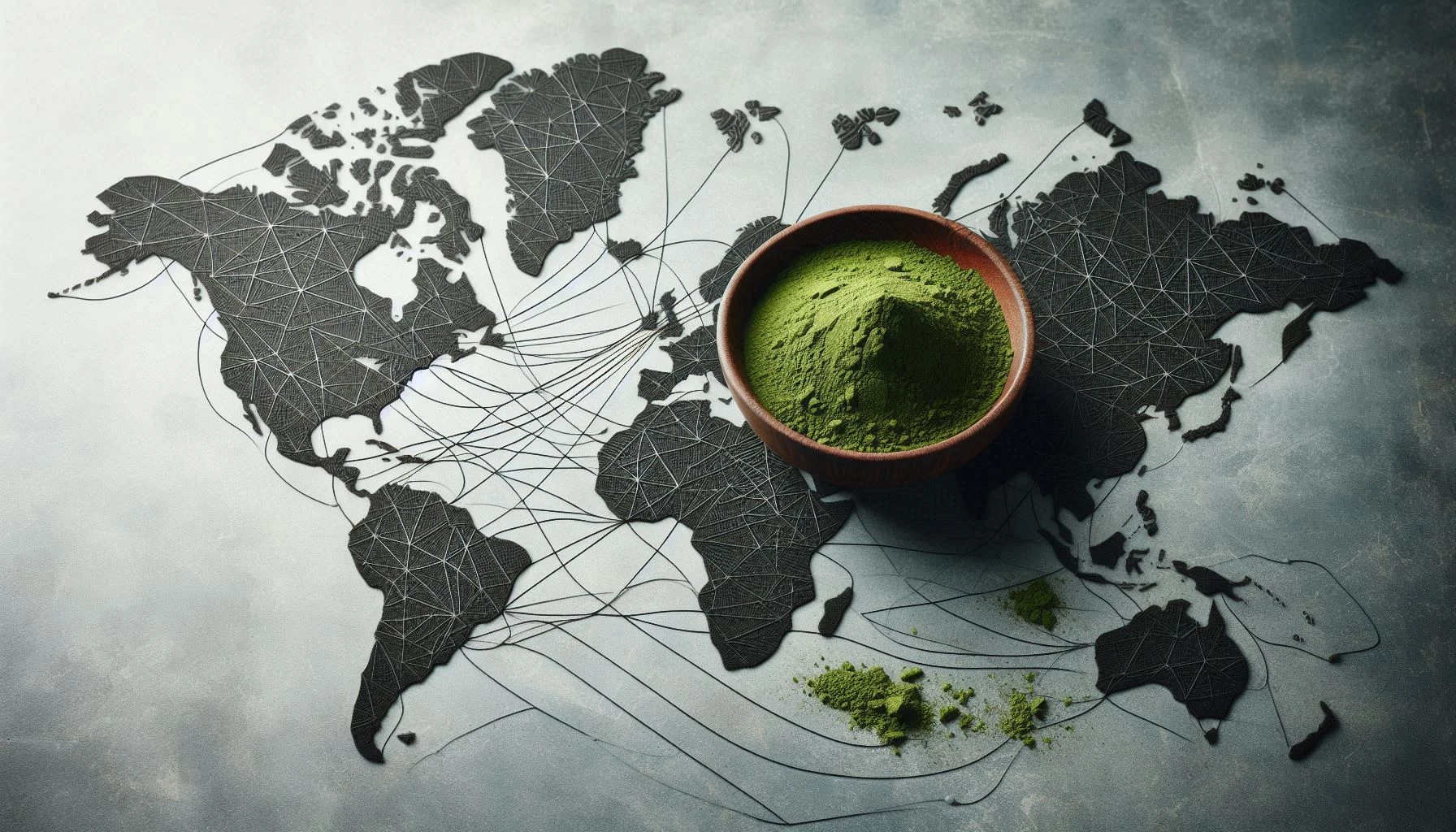

Kratom’s rise from a Southeast Asian tradition to a global phenomenon has brought with it a rich and evolving language. The terminology used to describe kratom, known as Mitragyna speciosa, does more than label its parts or processes; it shapes how users perceive, discuss, and connect with the plant. The kratom terminology evolution reflects a blend of ancient cultural roots, modern marketing, and thriving community dynamics. For enthusiasts and newcomers alike, understanding this linguistic journey offers insight into kratom’s identity and its place in today’s world.
In the rainforests of Southeast Asia, kratom has been a part of daily life for centuries, carrying deep cultural significance. As kratom spread to Western markets, its language transformed, incorporating new slang, marketing terms, and community-driven expressions. This evolution reflects not just the plant’s global journey but also the way users, vendors, and communities shape its narrative. From traditional names to modern buzzwords, kratom’s terminology tells a story of adaptation, connection, and cultural exchange.
The Roots of Kratom Terminology
Kratom’s language began in the villages and forests of Southeast Asia, where the plant has been cultivated for generations. The terms used by local communities reflect their deep connection to kratom and its role in daily life. Understanding these roots sets the stage for exploring how the language has evolved.
In Thailand, kratom is known as “krathom,” a word that captures its cultural significance as a traditional herb. In Malaysia, it’s called “ketum,” a term tied to local practices of chewing leaves or brewing teas. In Indonesia, the term “biak” serves a similar purpose, grounding the plant in local dialect and tradition. These names, rooted in regional languages, are more than labels; they carry the weight of history, signaling kratom’s role in work, ritual, and community.
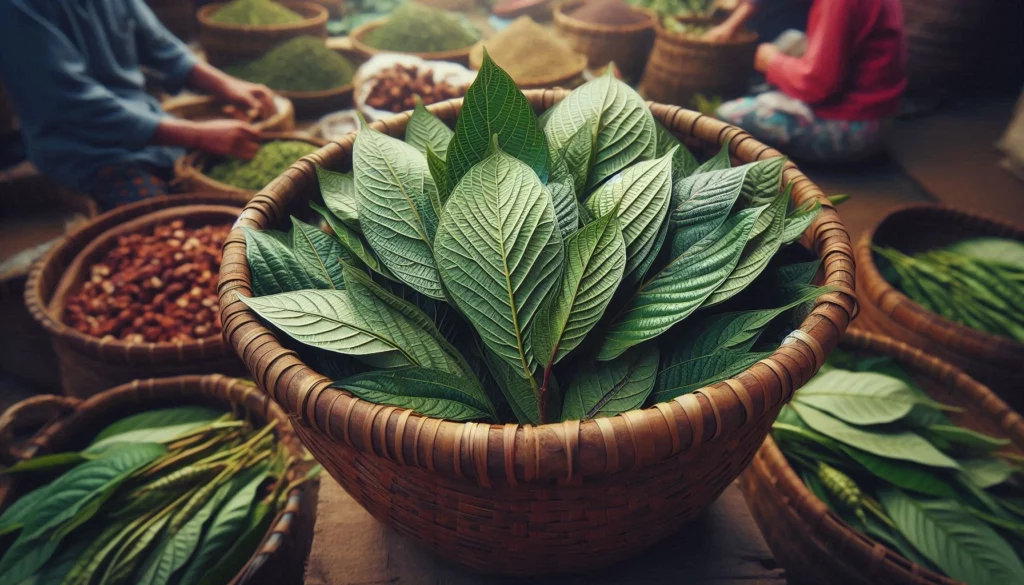
These early terms were practical, describing the plant’s use in everyday life. For example, “chew” referred to the practice of folding fresh leaves into a quid for energy during long workdays. “Tea” described brewing dried leaves into a bitter drink, often shared socially. Another traditional term, “bundle,” referred to a small stack of fresh leaves sold at local markets, emphasizing kratom’s role as a communal resource. These words, born from necessity, laid the foundation for kratom’s linguistic identity, grounding it in the lived experiences of Southeast Asian communities.
The Global Spread and Linguistic Shift
As kratom gained popularity in Western markets, its terminology began to evolve, reflecting new cultural contexts and user needs. This shift introduced a blend of traditional terms, scientific language, and marketing-driven expressions that reshaped how kratom is discussed.
Western Adoption and Scientific Terms
When kratom reached North America and Europe, its language expanded to include scientific terms like “alkaloids” and “mitragynine.” These words, borrowed from botanical and chemical lexicons, helped users understand the plant’s active compounds. Unlike the practical terms of Southeast Asia, these scientific descriptors appealed to a growing audience curious about kratom’s properties and effects.
This shift also introduced terms tied to product forms, such as “capsules” and “extracts.” Capsules, describing kratom powder encased in shells, became a common term as Western users sought convenient consumption methods. Extracts, labeled with ratios like 10:1, emerged as vendors highlighted potency to attract experienced users. A newer term, “tincture,” describes liquid kratom extracts, reflecting innovation in product delivery adapted to Western preferences for versatility. These terms reflected a move toward commercialization, where language began to serve both education and marketing.
Marketing and Strain Names
The global market also saw the rise of strain names, which became a key part of kratom terminology evolution. Names like Maeng Da, meaning “pimp grade” in Thai, carried an aura of potency and exclusivity, appealing to Western consumers. Other strains, like Bali, Borneo, and Sumatra, drew on geographic origins, evoking exotic imagery that captivated new users. For more on strain differences, see our dedicated post on kratom strains.
These strain names, while rooted in Southeast Asian regions, often took on new meanings in Western markets. For example, “Bali kratom” might not always come from Bali but instead reflect a specific alkaloid profile or vendor branding. In North America, terms like “premium” or “enhanced” emerged to signal high-quality or concentrated products, often paired with strain names to create combinations like “Premium Maeng Da.” In contrast, European markets sometimes favour terms like “pure” or “natural” to emphasize authenticity, showing how regional marketing preferences shape terminology. This evolution highlights how language adapts to market demands, with terms crafted to stand out in a competitive landscape.
The Role of Online Communities
The internet has played a massive role in kratom terminology evolution, with online forums, social media, and blogs shaping how users talk about the plant. Platforms like Reddit and X have become hubs for kratom enthusiasts, where new slang and colloquial terms emerge, reflecting the community’s creativity and diversity.
Slang and Community-Driven Terms
In online spaces, users have developed their own kratom language, often playful or shorthand. Terms like “toss and wash,” describing the act of swallowing kratom powder with a drink, have become widespread in forums. Another emerging term, “kratom shot,” refers to pre-mixed liquid products popular in Western markets, blending convenience with colloquial flair. These community-driven terms reflect a desire for connection, turning technical jargon into relatable expressions.
This slang also furthers a sense of belonging. When users share phrases like “kratom glow” to describe a positive experience, they’re building a shared identity. Storytelling plays a key role here, as users weave narratives around terms like “morning leaf” for energizing strains or “nightcap” for calming ones, creating a language that resonates emotionally. These terms, while informal, are a vital part of kratom terminology evolution, showing how language adapts to the needs of a global, digital community.
Misinformation and the Need for Clarity
Online communities also highlight the challenges of kratom language. Misused terms or exaggerated claims, like calling a strain “super” without context, can confuse users. For instance, the term “organic kratom” is sometimes used loosely, without certification, leading to skepticism about vendor claims. Clear terminology, like distinguishing between “powder” and “enhanced kratom,” helps users make informed choices, while vague buzzwords can obscure meaning. The evolution of kratom language in online spaces shows both the creativity and the responsibility of shaping a plant’s narrative.

How Language Shapes the Kratom Experience
The words we use to describe kratom do more than inform; they influence how users perceive and interact with the plant. Kratom terminology evolution has created a dynamic language that shapes the user experience in several ways.
Guiding Choices
Clear terminology helps users navigate the diverse world of kratom. For example, understanding that “red vein” typically signals a calming effect allows someone to choose a product suited to their needs. Similarly, terms like “micronized” or “capsules” guide users toward preparation methods that fit their lifestyle. Emerging terms like “sustainable kratom” reflect growing interest in ethical sourcing, helping users align their choices with environmental or social values. This clarity empowers informed decision-making, ensuring users feel confident in their selections.
Building Community
Kratom’s language also boosts connection. Shared terms, whether traditional like “ketum” or modern like “toss and wash,” create a sense of community among users. When someone uses a term like “Maeng Da” in a forum, they’re tapping into a global conversation, bridging cultural and geographic divides. The storytelling aspect of terms, like “kratom glow” or “nightcap,” adds emotional resonance, making discussions more relatable and cultivating a sense of shared experience. This shared vocabulary strengthens the kratom community, making it a space for learning and support.
Countering Misconceptions
Accurate language counters myths and misinformation. As kratom grows in popularity, vague or exaggerated terms can mislead users. For instance, calling a product “ultra-enhanced” without explaining its potency can create unrealistic expectations. Ethical terms like “fair trade kratom” are gaining traction, but their misuse can erode trust if not backed by transparency. By using precise terminology, vendors and users can promote clarity, ensuring kratom’s story is told honestly.
Frequently Asked Questions
Q: Why does kratom terminology vary across different regions?
A: Kratom terminology varies due to its cultural roots and global spread. In Southeast Asia, terms like “krathom” or “ketum” reflect local languages and traditional uses, while Western markets introduced scientific terms like “alkaloids” and marketing-driven names like “Maeng Da” to appeal to new audiences.
Q: How do online communities influence kratom terminology evolution?
A: Online forums and social media platforms like Reddit and X create new slang, such as “toss and wash” or “kratom shot,” as users share experiences and simplify technical terms. These platforms encourage a global kratom community, driving the creation of relatable, user-generated language.
Q: What’s the difference between traditional and modern kratom terms?
A: Traditional terms like “chew,” “tea,” or “bundle” describe historical uses in Southeast Asia, rooted in practical and cultural contexts. Modern terms like “capsules,” “extracts,” or “tincture” reflect Western commercialization, focusing on convenience and potency for new markets.
Q: How can unclear terminology affect kratom users?
A: Vague or exaggerated terms, like “super kratom” or “organic” without certification, can mislead users about a product’s effects or quality, leading to confusion or unrealistic expectations. Clear, accurate terminology helps users choose products that align with their needs.
Q: Are new kratom terms still emerging?
A: Yes, kratom terminology continues to evolve as the plant gains popularity. Terms like “sustainable kratom” or “fair trade kratom” reflect growing concerns about ethical sourcing, while online communities introduce slang like “morning leaf” to describe user experiences.
Q: How does terminology reflect ethical considerations in kratom use?
A: Terms like “sustainable kratom” or “ethically sourced” highlight environmental and social concerns, encouraging users to support responsible farming practices. These terms, when used transparently, guide users toward choices that align with ethical values.

Embracing Kratom’s Evolving Language
The language of kratom is a living, breathing reflection of its journey from Southeast Asian forests to global markets. Kratom terminology evolution reveals how words shape perceptions, build communities, and guide choices. From traditional terms like “krathom” to modern slang like “toss and wash,” each word carries a piece of the plant’s story, connecting users to its cultural roots and contemporary appeal.
By understanding this evolving language, users can engage with kratom more deeply, whether they’re choosing a product, joining a forum, or sharing knowledge. Words matter, and in the world of kratom, they weave a narrative of tradition, innovation, and connection. As you explore this plant, let its terminology be your guide, illuminating its past and inspiring its future.
Disclaimer
The information provided in this blog is for educational and informational purposes only and should not be construed as medical advice, diagnosis, or treatment. Kratom (Mitragyna speciosa) is a botanical substance that has not been approved by Health Canada or other regulatory bodies for medical use. The safety, efficacy, and long-term effects of kratom use are not fully understood, and its consumption may carry risks, including potential side effects such as nausea, dizziness, dependency, or interactions with other substances or medications.
Always consult a qualified healthcare professional before using kratom or any herbal supplement, especially if you have pre-existing medical conditions, are pregnant or breastfeeding, or are taking medications. The use of kratom may be subject to legal restrictions in certain regions, and it is your responsibility to verify the legal status of kratom in your area. The terminology discussed, including terms like “sustainable kratom” or “fair trade kratom,” reflects common usage but does not guarantee product quality, safety, or ethical sourcing unless verified by credible certifications.
The author and publisher of this content are not liable for any damages, injuries, or adverse effects resulting from the use of kratom or reliance on the information provided. We encourage users to exercise caution, conduct thorough research, and prioritize their health and safety when considering kratom use.