


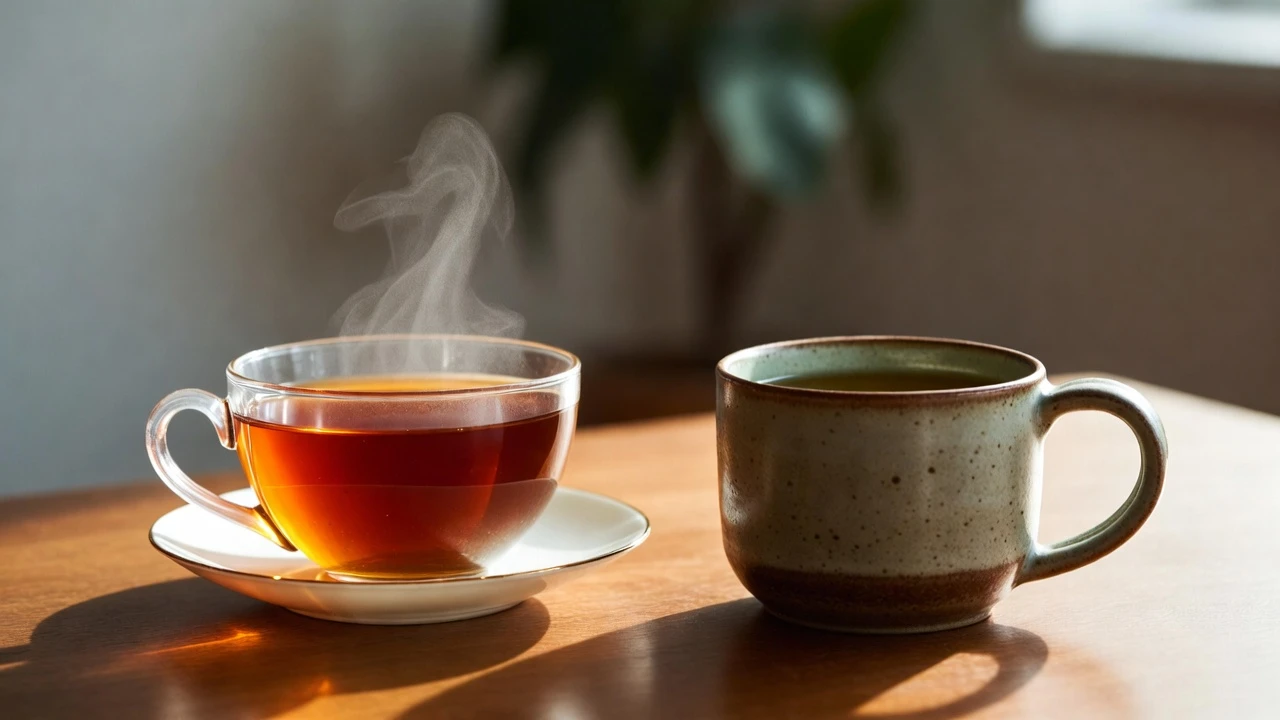

In the world of natural plant-based beverages, few comparisons spark as much curiosity as the one between a cup of kratom tea vs black tea. These brews have long been a daily ritual for millions, delivering that familiar, reliable lift many rely on to start the day or power through an afternoon slump. Yet for those exploring alternatives, kratom tea offers something distinctly different, an experience shaped by centuries of traditional use in Southeast Asia and a unique profile of effects that can shift depending on how it’s prepared and consumed.
While both are steeped or simmered plant infusions you sip slowly, the compounds they deliver, the sensations they create, and even the way they fit into daily life set them apart in meaningful ways. Exploring these differences helps explain why someone might reach for one over the other depending on the moment, the mood, or the desired outcome.
Origins and Traditional Use
Black Tea: A Global Staple
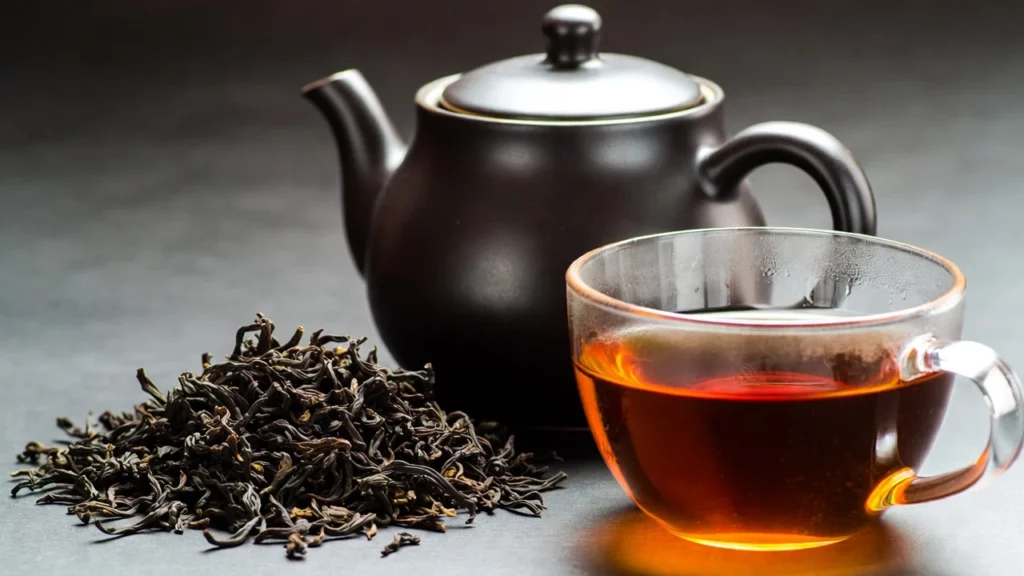
Black tea, derived from the Camellia sinensis plant, has been a staple beverage for centuries across cultures. Its preparation is straightforward: leaves are oxidized to develop a robust flavour, then steeped in hot water.
Kratom Tea: Southeast Asian Heritage
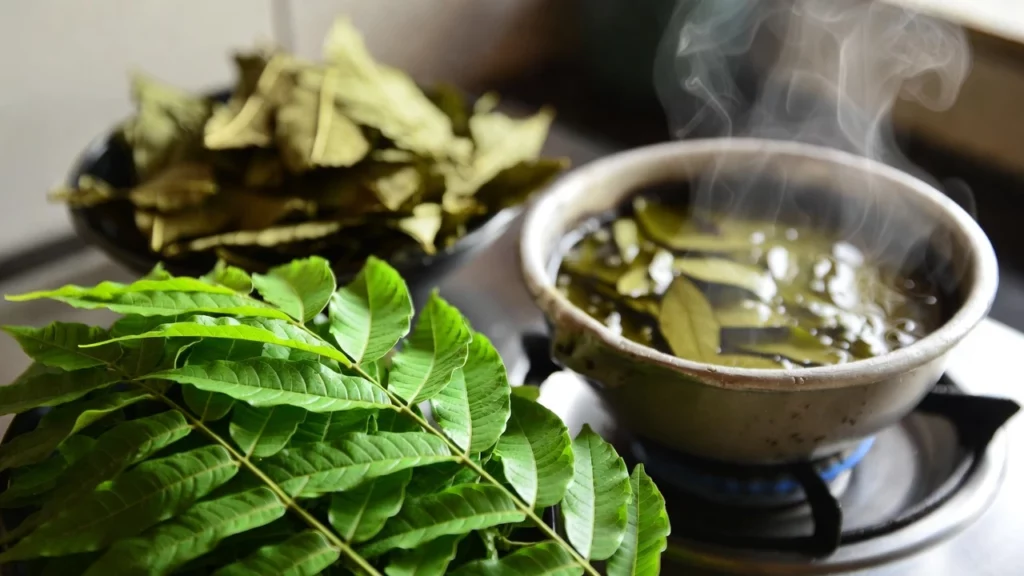
In contrast, kratom tea comes from brewing the leaves of the Mitragyna speciosa tree, native to Southeast Asia. Traditional users in regions like Thailand and Indonesia have incorporated it into daily life for generations, often simmering the leaves or powder into tea.
Key Active Compounds
Caffeine and L-Theanine in Black Tea
The primary driver of black tea’s effects is caffeine, typically ranging from 40 to 70 milligrams per 8-ounce cup, depending on brewing strength and leaf quality. This caffeine blocks adenosine receptors in the brain, leading to increased alertness and a mild elevation in heart rate. Alongside caffeine, black tea contains L-theanine, an amino acid that promotes a sense of calm focus.
Alkaloids in Kratom Tea
Kratom tea’s key compounds are alkaloids, chiefly mitragynine and smaller amounts of 7-hydroxymitragynine. These interact primarily with opioid receptors in the brain, though in a partial rather than full manner compared to classic opioids.
How Effects Change with Dosage
One of the most notable ways kratom tea differs from a strong black tea experience lies in its dose-dependent nature. At lower amounts, typically in the range of 1 to 5 grams of dried leaf material or powder used for brewing, many report increased energy, sociability, and motivation. This can feel relatively akin to a caffeinated boost, yet it often carries a warmer, more euphoric undertone rather than the purely mental sharpness of tea. As the quantity increases beyond that threshold, the experience shifts toward relaxation, comfort, and sometimes a pronounced sense of calm or sedation.
Black tea simply does not exhibit this biphasic pattern. Its effects remain relatively consistent regardless of whether someone drinks one cup or three, with the main variation being the intensity of caffeine-driven alertness rather than a complete change in character.
Preparation Methods Compared
Brewing a Strong Black Tea
Brewing a strong black tea involves boiling water poured over tea leaves or a bag, with steeping times of three to five minutes to extract flavour and compounds. The result is a dark, tannin-rich liquid with a bold, sometimes astringent taste that many enhance with milk, sugar, or lemon.
Preparing Kratom Tea
Kratom tea preparation tends to be more involved to achieve optimal extraction of its alkaloids. Users often simmer kratom powder or crushed leaves in water for 15 to 30 minutes, sometimes adding a splash of citrus like lemon juice to improve solubility and reduce bitterness. The longer simmer helps release the active components more fully, though excessive heat can potentially degrade some alkaloids over time. Straining the mixture yields an earthy, sometimes intensely bitter brew that people frequently flavour with honey, ginger, or other additions to make it more palatable.
Flavour Profiles and Aftertaste
The flavour profiles further separate the two. Strong black tea delivers notes of malt, caramel, or dried fruit, balanced by those tannins that give it body and slight dryness. Kratom tea, by comparison, carries a distinctly herbal, green, and often overpowering bitterness that stems from its alkaloid content. This bitterness is one reason many prefer to add flavourings, though the tea remains popular for those who appreciate the ritualistic aspect of brewing and sipping.
The aftertaste of black tea tends to fade quickly and cleanly, while kratom tea’s can linger. This prompts users to experiment with chasers or mix-ins.

Onset, Duration, and Subjective Sensations
Timing and Length of Effects
Onset and duration represent another key area where kratom tea diverges from the black tea experience. A strong cup of black tea usually delivers its effects within 15 to 30 minutes, peaking shortly after and tapering off over two to four hours as caffeine metabolizes. The energy feels steady but tied closely to that caffeine window.
Kratom tea’s onset can vary depending on preparation and whether it’s taken on an empty stomach, but many notice initial sensations within 20 to 40 minutes. The duration often extends longer, sometimes four to six hours or more, with the character evolving over time.
What the Experiences Feel Like
The subjective sensations provide perhaps the richest area of contrast. With strong black tea, people commonly describe heightened concentration, improved mood from the gentle dopamine nudge of caffeine, and a productive yet relaxed state thanks to L-theanine’s balancing influence. It suits tasks requiring sustained attention without overwhelming the system.
Kratom tea’s lower-dose experience might include similar motivation and talkativeness, but it frequently adds layers of physical ease, optimism, or a subtle sense of well-being that feels more embodied than purely cerebral. At higher levels, the shift to comfort and introspection has no direct parallel in black tea. Even multiple cups rarely produce anything beyond amplified wakefulness or, at most, mild overstimulation.
The Ritual and Overall Intensity
The ritual itself can feel worlds apart. Brewing black tea is quick and familiar, a moment of pause in a busy schedule. Preparing kratom tea invites more patience and experimentation, from measuring amounts to adjusting simmer times and flavours. For some, this extra effort becomes part of the appeal, turning consumption into a mindful practice rather than a grab-and-go habit.
In terms of overall intensity, a strong black tea provides a noticeable but gentle lift that rarely overwhelms. Kratom tea can range from subtle to profound depending on the serving used for brewing, offering a broader spectrum of possibilities. This flexibility appeals to those seeking tailored experiences, while black tea’s consistency suits those who prefer reliability.
Responsible Use and Important Considerations
While both strong black tea and kratom tea offer appealing plant-based experiences, approaching them thoughtfully helps ensure they remain positive additions rather than sources of discomfort.
For black tea, most people tolerate moderate caffeine intake well. General guidelines from health authorities suggest up to about 400 milligrams of caffeine per day for healthy adults, equivalent to roughly four to five 8-ounce cups of strong black tea, without significant issues for the majority. However, sensitivity varies. Some individuals notice restlessness, disrupted sleep, or mild digestive upset even at lower amounts, particularly if consumed later in the day. Those with certain conditions, such as anxiety disorders or heart sensitivities, may prefer to limit intake or consult a healthcare provider.
Kratom tea requires a more cautious approach due to its dose-dependent effects and potential for tolerance with regular use. Many experienced users emphasize starting low and gradually assessing personal response. Here are some commonly recommended practices for more sustainable enjoyment:
- Start with a low amount (often 1 to 2 grams of dried leaf material or powder for brewing) to gauge individual response before considering any increase.
- Limit frequency to 2–4 days per week (or fewer) with regular breaks to help prevent tolerance buildup and maintain effectiveness over time.
- Stay well-hydrated throughout the day, as some people report mild dryness or digestive changes.
- Pay close attention to how the body reacts, especially when combining with other substances like additional caffeine, medications, or alcohol. Interactions can sometimes amplify unwanted sensations.
- Avoid daily or multiple-times-per-day use without intentional pauses, as this pattern is more likely to lead to diminished effects.
Because individual factors like body weight, metabolism, and any concurrent health conditions or medications play a role, listening to one’s body and adjusting accordingly supports a more rewarding experience. Neither substance is without nuance: black tea’s caffeine can interact with certain medications or exacerbate conditions like acid reflux in sensitive people, while kratom tea’s alkaloids interact with the body’s systems in distinct ways.
Ultimately, the goal with any plant-derived beverage is enjoyment and benefit without overreliance. If either option ever feels inconsistent with well-being, pausing use or seeking professional guidance makes sense. Personal experimentation within reasonable bounds, combined with awareness, tends to yield the most positive outcomes.
FAQ: Kratom Tea vs Black Tea
Q: Does kratom tea contain caffeine like black tea does?
A: No, kratom tea does not contain caffeine. Its primary active compounds are alkaloids such as mitragynine and 7-hydroxymitragynine, which produce effects through different pathways in the body compared to caffeine’s action on adenosine receptors. This is one reason the overall experience often feels distinct, even when both are brewed as teas.
Q: Can kratom tea provide similar energy to a strong cup of black tea?
A: At lower amounts (typically 1-5 grams of dried leaf or powder used for brewing), many people report an energizing and motivating effect from kratom tea that shares some similarities with the alertness from strong black tea. However, the sensation is frequently described as warmer, more sociable, and sometimes more physically grounding, rather than the crisp, mental sharpness commonly associated with caffeine in black tea.
Q: Is kratom tea stronger or more potent than black tea?
A: Potency depends on preparation and amount used for brewing. Strong black tea’s effects are driven by a consistent dose of caffeine (around 40-70 mg per cup), while kratom tea’s strength varies significantly with dosage and brewing method. Lower doses may feel comparable in energy, but higher doses shift toward relaxation, creating a broader range of intensities not seen with black tea.
Q: How does the preparation time compare between kratom tea and black tea?
A: Black tea is quick. Steep for 3–5 minutes in hot water. Kratom tea typically requires simmering for 15–30 minutes to extract alkaloids effectively, making it more time-intensive but allowing for better flavour adjustments and potentially smoother onset for some users.
Q: Why do some people prefer kratom tea over black tea for daily use?
A: Preferences often stem from the dose-dependent versatility of kratom tea (energy at low amounts, relaxation at higher) versus black tea’s more consistent caffeine-driven lift. Those seeking variety in sensations or a ritualistic brewing process may lean toward kratom tea, while others value black tea’s familiarity, quicker prep, and predictable focus.
Q: Can tolerance build with either one, and how does it compare?
A: Black tea’s caffeine can lead to mild tolerance with heavy daily use, often resulting in needing more for the same alertness. Kratom tea tolerance is more commonly discussed with frequent use, where effects may diminish without breaks. Many suggest spacing kratom tea consumption more intentionally than habitual black tea drinking.
Final Thoughts: Two Distinct Plant-Based Options
Exploring these differences reveals how two plant-derived teas can occupy such distinct spaces. Black tea delivers a classic, caffeine-and-theanine synergy for clear-headed alertness with calm. Kratom tea offers a more complex alkaloid-driven profile capable of energizing or soothing, with effects that shift based on amount and individual factors.
Neither inherently surpasses the other. They simply provide different tools for different needs. Whether someone gravitates toward the familiar comfort of strong black tea or the multifaceted nature of kratom tea often comes down to personal preference and context. Both highlight the rich diversity of plant-based options available, each with its own story, preparation, and way of influencing the day.
Disclaimer
This comparison of kratom tea and black tea is provided for informational and educational purposes only and is not intended as medical advice, diagnosis, or treatment recommendation. Black tea, when consumed in moderate amounts, is generally considered safe for most healthy adults, with caffeine content typically well-tolerated up to around 400 mg per day (roughly equivalent to 4–5 strong 8-ounce cups), though excessive intake can lead to side effects such as anxiety, insomnia, jitteriness, increased heart rate, digestive issues, or dependency with habitual heavy use. Individuals sensitive to caffeine, those with conditions like anxiety disorders, heart problems, acid reflux, or who are pregnant, breastfeeding, or taking certain medications should limit consumption or consult a healthcare professional.
Kratom tea, derived from Mitragyna speciosa, carries significant safety concerns in Canada. Health Canada has not approved kratom or its alkaloids for sale as a natural health product, food, or drug, and it is not authorized for any therapeutic use. Reported risks include dependence, tolerance, withdrawal symptoms (such as anxiety, muscle aches, irritability, insomnia, and depression), liver injury, seizures, or respiratory depression. Its alkaloids interact with opioid receptors, which can contribute to these effects. Individual responses vary widely based on dosage, frequency, personal health factors, and potential interactions with medications, alcohol, or other substances, which can increase adverse outcomes.
Neither beverage should be used as a substitute for professional medical care or prescribed treatments. If you have any health conditions, are taking medications, are pregnant or breastfeeding, or experience unwanted effects from either substance, consult a qualified healthcare provider before use. Always prioritize evidence-based sources and personal caution, as plant-based products can vary in quality, potency, and purity, and long-term effects remain under-researched for kratom in particular. The author and publisher are not liable for any loss, injury, claim, liability, damages, or adverse consequences, whether direct or indirect, resulting from the use of or reliance on the information contained in this content. Responsible decision-making and moderation are essential to minimize potential harm.