



Kratom tea bags have emerged as a practical and user-friendly option for those seeking the effects of kratom in a convenient form. Kratom has been used for centuries in traditional practices in Southeast Asia. Today, kratom tea bags offer a modern twist, blending ancient herbal traditions with the ease of contemporary lifestyles. With so many different options on the market, let’s take a look at how these tea bags can be integrated into your daily routine or lifestyle.
What Are Kratom Tea Bags?
Kratom tea bags are pre-packaged sachets containing ground kratom leaves or powder, designed for easy brewing. Much like traditional tea bags used for black or green tea, they offer a mess-free way to prepare kratom tea without the need to measure loose powder or handle raw leaves. Each bag typically contains a pre-measured dose, ensuring consistency and convenience. The bags are made of fine mesh or filter paper, allowing the active compounds to infuse into hot water while keeping plant material contained.
The appeal of kratom tea bags lies in their accessibility. They eliminate the need for scales, strainers, or extensive preparation, making them ideal for users with busy schedules or those new to kratom. Additionally, the brewing process can soften the herb’s earthy, bitter taste, especially when paired with ingredients like lemon, or honey.
Why Kratom Tea Bags Are a Modern Favourite
The rise of kratom tea bags reflects a growing demand for natural products that fit seamlessly into modern lifestyles. Here are some reasons why they have become a go-to choice:
Convenience and Simplicity
Kratom tea bags streamline the preparation process. Unlike loose powder, which requires precise measuring and straining, or capsules, which involve swallowing multiple pills, tea bags offer a straightforward approach. Simply steep the bag in hot water for a few minutes, and the tea is ready. This ease of use is particularly appealing for those who want to incorporate kratom into their daily routine without added complexity.
Portability
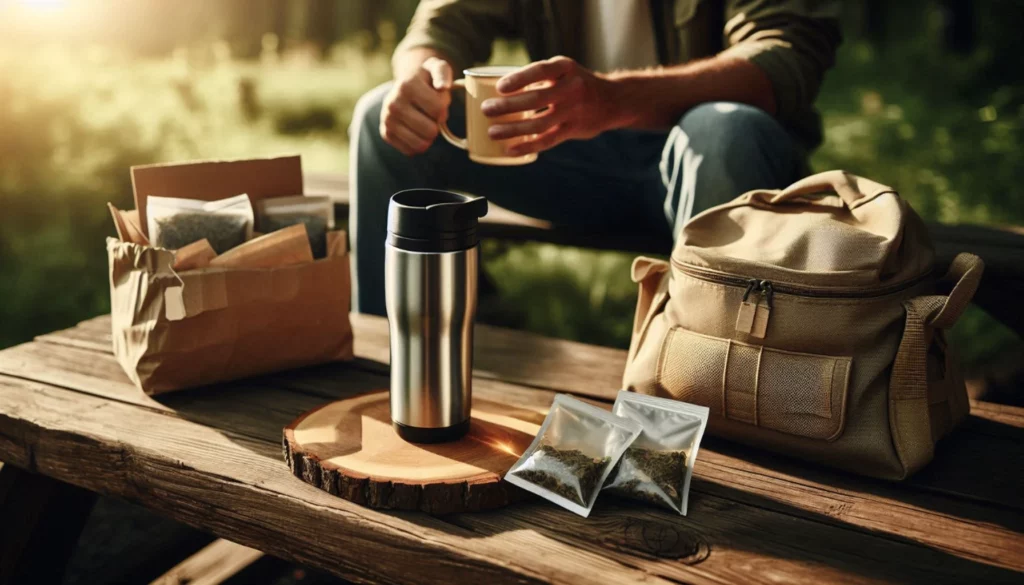
For users on the go, kratom tea bags are easy to carry and store. Individually sealed packets maintain freshness and prevent spillage, making them suitable for travel, work, or outdoor activities. Whether at home or away, users can enjoy a consistent experience with minimal effort.
Customizable Flavor
Kratom’s natural taste can be off-putting for some due to its bitterness. Tea bags allow users to enhance the flavour with natural additives. A squeeze of lemon can brighten the brew and aid in alkaloid extraction, while honey or natural sweeteners adds sweetness. Some users experiment with spices like ginger or blends of other herbal teas to create a more enjoyable drink.
Gentle Onset of Effects
Brewing kratom into tea often results in a smoother, more gradual onset of effects compared to other methods like tossing and washing (swallowing powder directly with liquid). The brewing process filters out some of the insoluble plant material, which may reduce digestive discomfort for sensitive users. This makes tea bags an appealing option for those who prefer a milder experience.
Connection to Tradition
For those drawn to the cultural heritage of kratom, tea bags offer a way to honour its traditional use as a brewed beverage. The act of steeping a tea bag and sipping the resulting infusion feels like a nod to the rituals of Southeast Asian communities, blending history with modern convenience.

How to Brew Kratom Tea Bags
Brewing kratom tea bags is simple, but a few tips can enhance the experience and ensure optimal results. Here’s a step-by-step guide:
- Heat the Water: Bring water to a near-boil, around 170 to 190 degrees Fahrenheit. Boiling water can degrade kratom’s active compounds, so let it cool slightly before steeping.
- Steep the Tea Bag: Place one kratom tea bag in a cup or mug and pour the hot water over it. Let it steep for 5 to 10 minutes, depending on desired strength. Longer steeping times can intensify the flavour and effects but may increase bitterness.
- Customize the Flavor: Add honey, lemon juice, or other flavourings to balance the taste. Lemon juice not only improves flavour but may also help extract alkaloids more effectively due to its acidity.
- Remove the Tea Bag: Once steeped, remove the tea bag to avoid over-extraction. If you prefer a stronger brew, you can use multiple tea bags, but beginners should start with one to gauge their response.
- Enjoy Hot or Cold: Sip the tea warm for a comforting experience, or refrigerate it for a refreshing cold brew. Some users prepare larger batches and store them in the fridge for up to a week, ensuring proper labeling to avoid confusion.
For those who want a richer infusion, some choose to leave the tea bag in the cup while drinking, though this may increase bitterness. Experimentation is key to finding the perfect brewing method for your taste and needs.
Potential Effects of Kratom Tea Bags
Kratom tea bags deliver the same active compounds found in other kratom products, primarily mitragynine and 7-hydroxymitragynine. These compounds interact with the body in ways that can produce a range of effects, depending on the strain, dose, and individual response. At lower doses (typically 1 to 5 grams of kratom powder per tea bag), kratom tea may produce stimulant-like effects, such as increased energy, alertness, and sociability. Users often report feeling more focused and motivated, making it a popular choice for starting the day or tackling tasks.
At higher doses (5 to 15 grams), the effects may shift toward relaxation, calmness, and mild euphoria, similar to the effects of certain pain-relieving substances. This makes red vein kratom tea bags a common choice for unwinding in the evening or managing occasional discomfort. The effects of kratom tea typically begin within 30 to 60 minutes and can last for 2 to 4 hours, though this varies based on factors like body weight, tolerance, and whether the tea is consumed on an empty stomach. The brewing process may result in a slightly milder effect compared to other methods, as some compounds are less efficiently extracted in water than in other preparations.
Integrating Kratom Tea Bags into Your Routine
Kratom tea bags can be seamlessly incorporated into daily life, whether as part of a morning ritual, a midday pick-me-up, or an evening wind-down. Here are some ways to make them part of your routine:
- Morning Boost: Use a white vein kratom tea bag to start your day with energy and focus, pairing it with a light breakfast.
- Midday Break: A green vein tea bag can provide a balanced lift during a busy workday, offering clarity without overstimulation.
- Evening Relaxation: Sip a red vein kratom tea in the evening to unwind, perhaps while reading or practicing mindfulness.
- Social Settings: Share kratom tea with friends during casual gatherings, experimenting with flavoured blends for a unique experience.
The ritual of brewing and sipping tea can also be a moment of mindfulness, encouraging users to slow down and savour the process.
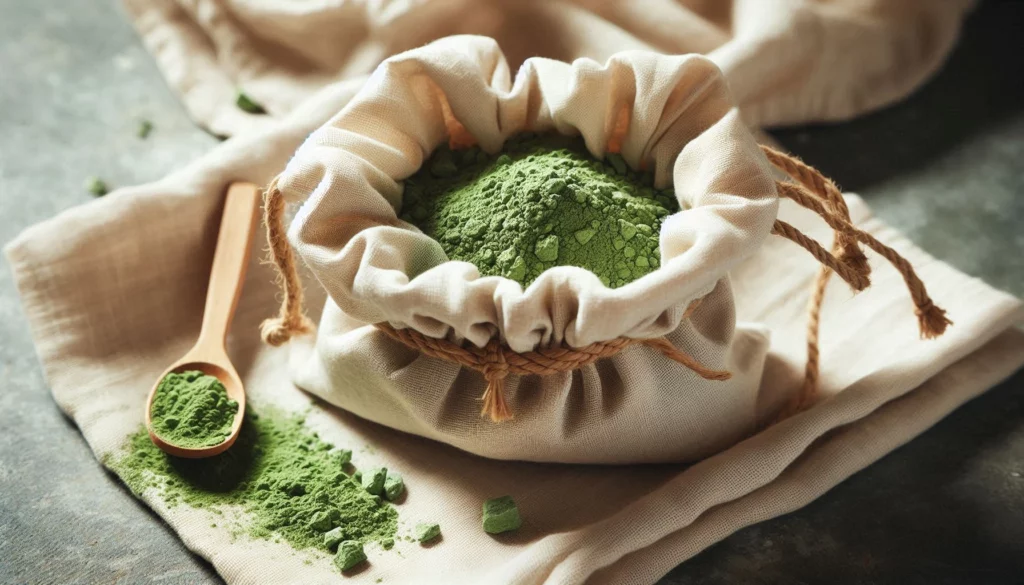
DIY Options for Kratom Tea Bags: Making Your Own or Using Reusable Pouches
While pre-packaged kratom tea bags provide undeniable convenience, many users prefer the hands-on approach of creating their own. This allows for greater control over dosage, strain selection, and even customization with added herbs. Making your own kratom tea bags or opting for reusable pouches and cloths offers a sustainable alternative to disposable packaging, reducing waste while maintaining the ritualistic appeal of brewing. These methods align well with the traditional Southeast Asian practice of preparing fresh kratom infusions, adapted for home use with readily available materials.
Benefits of DIY and Reusable Methods
Crafting your own tea bags empowers you to experiment freely. You can blend strains, such as mixing green and red vein for a balanced profile, or incorporate complementary botanicals for nuanced flavours. Reusable options, in particular, promote eco-friendliness by minimizing single-use plastics often found in commercial bags. They also tend to be more durable, allowing for multiple brews from the same pouch, which can extend the life of your kratom supply. Users often note that these homemade setups yield a cleaner infusion, as the material can be chosen to avoid any unwanted residues. Moreover, the process fosters a deeper connection to the herb, turning preparation into a creative outlet.
Materials Needed for DIY Kratom Tea Bags
To get started, gather simple, food-safe items. Opt for unbleached coffee filters, cheesecloth, or empty muslin bags, which are widely available at kitchen stores or online. For reusable versions, select natural fabrics like organic cotton, hemp, or linen, ensuring they are untreated and free from dyes. A drawstring cord made from cotton twine adds functionality, while a small button or charm can secure it. You’ll also need kratom powder or crushed leaves, scissors, and perhaps a stapler for sealing disposable bags. These materials are inexpensive and versatile, suitable for both hot and cold brewing techniques.
Step-by-Step Guide to Making Disposable DIY Kratom Tea Bags
Creating single-use bags is quick and straightforward, ideal for those who want a one-off brew without long-term commitment. Begin by taking a standard coffee filter and trimming off the rounded edges to form a rectangle, about 4 inches by 6 inches. Place 1 to 3 grams of kratom powder in the center, depending on your preferred strength. Fold the filter in half lengthwise, then fold the open edges over twice to seal the sides. For added security, fold the top down and staple a short length of twine to it, creating a handle for easy removal.
Alternatively, use cheesecloth by cutting a square, adding the kratom, and tying the corners into a pouch with twine. This method ensures no loose particles escape during steeping, resulting in a smooth cup. Once prepared, simply drop the bag into hot water as you would a commercial one, steeping for 10 to 15 minutes.
Crafting Reusable Pouches for Kratom Tea
For a more enduring solution, sewing or assembling reusable pouches opens up endless possibilities. Start with a rectangle of muslin or cotton fabric, roughly 3 by 5 inches. Fold it in half to form a pocket, then sew or hand-stitch the two sides and bottom, leaving the top open. To create a drawstring casing, fold the top edge down by half an inch and stitch around, inserting the cotton twine through the channel. Knot the ends together or attach a small wooden bead for grip. This design allows easy filling with kratom. Aim for 2 to 4 grams per pouch. Cinch it closed before brewing.
Hemp fabric works particularly well here, as its natural weave promotes even extraction while being robust enough for repeated washes. After use, empty the contents into compost, rinse under warm water, and air dry. These pouches can last for dozens of cycles, making them a cost-effective choice over time.
Using Cloth Alternatives to Conventional Tea Bags
If sewing isn’t your preference, cloth alternatives like pre-made muslin drawstring bags or even a clean, fine-weave kitchen towel can serve as effective substitutes. For instance, portion out your kratom onto the center of a dampened cheesecloth square, gather the edges, and twist to form a bundle, securing with twine. This “tea sock” method is traditional and allows for larger batches, perfect for sun tea where you let the bundle steep in a jar under sunlight for 1 to 5 hours.
The cloth’s porosity ensures thorough infusion without sediment, and its reusability means you can rinse and refill it indefinitely. Some find that natural fibers like linen impart a subtle earthiness that complements kratom’s profile, enhancing the overall sensory experience. Just ensure the cloth is tightly woven to prevent any fine powder from leaking through.
Potential Drawbacks and How to Overcome Them
While rewarding, DIY methods aren’t without challenges. Fabric pouches may stain over time from the herb’s pigments, but choosing darker or natural tones minimizes visibility. Finer powders can sometimes sift through looser weaves, so test your setup with a small batch first. Sealing disposable bags securely prevents leaks, and for reusables, a quick vinegar rinse after each use keeps them hygienic. If the process feels time-consuming initially, remember it streamlines with practice, offering long-term savings and satisfaction. Overall, these approaches not only replicate but often surpass the convenience of conventional bags by adding a personal, sustainable touch.
Frequently Asked Questions
Q: What are the main benefits of using kratom tea bags over loose powder?
A: Kratom tea bags provide a cleaner and more convenient brewing experience by containing the plant material within the sachet, which reduces mess and the need for straining. This form often results in a smoother infusion with less sediment, making it easier on the stomach compared to consuming raw powder. The pre-measured doses also help ensure consistency, which is particularly helpful for beginners who want to avoid overdoing it.
Q: Can I reuse a kratom tea bag for a second brew?
A: Yes, many users find that a single kratom tea bag can be steeped a second time for a milder cup. The first brew extracts most of the active compounds, but the second infusion can still offer subtle effects and additional flavour. Just note that the taste might be weaker, and it’s best to steep it a bit longer to get the most out of it.
Q: How does the brewing time affect the strength of kratom tea from tea bags?
A: Steeping time directly influences the potency and flavour intensity. A shorter steep of about 5 minutes yields a lighter, less bitter tea with gentler effects, while extending to 10-15 minutes creates a stronger brew that may enhance the overall experience. Always start shorter if you’re unsure, as over-steeping can make the tea overly robust in taste.
Q: Are there any flavouring tips specific to kratom tea bags?
A: Absolutely, adding a splash of citrus like orange or grapefruit juice can not only mask the natural earthiness but also potentially boost the extraction of beneficial elements through acidity. Ginger slices bring a warming spice that complements the base notes.
Q: What should I do if I experience mild discomfort after drinking kratom tea?
A: If you notice any unease, such as slight nausea or jitteriness, it could be due to the dose or individual sensitivity. Pause use, stay hydrated, and consider a lighter brew next time with added ginger to settle the stomach. Monitoring your body’s signals is key to finding what works best for you.
Q: Is it safe to store brewed kratom tea from tea bags for later?
A: Brewed tea can be refrigerated in a sealed container for up to 24-48 hours while maintaining its qualities. For longer storage, freeze portions in ice cube trays to preserve freshness. Always label it clearly and thaw gently to avoid diluting the essence.
Q: What’s the ideal water temperature for steeping kratom tea bags?
A: Aim for water around 175-185 degrees Fahrenheit, just off the boil. This temperature gently coaxes out the nuances without scorching the leaves, preserving the delicate balance of taste and potential wellness aspects. Using a thermometer helps achieve this precision.
Q: How often can someone typically use kratom tea bags without building tolerance?
A: Many find that spacing sessions every other day or incorporating rest periods helps maintain responsiveness. Cycling strains, like alternating between white and red vein, can also refresh the experience. Listening to your body’s feedback is the best guide for sustainable enjoyment.
Final Thoughts
Kratom tea bags are a simple, modern way to enjoy the benefits of kratom, offering a blend of convenience, tradition, and customization. Whether you’re seeking energy, relaxation, or a moment of mindfulness, they provide an accessible entry point into the world of kratom. By choosing the best kratom in Canada, brewing thoughtfully, and using them responsibly, you can create a personalized experience that fits your lifestyle. From their Southeast Asian roots to their place in today’s wellness culture, kratom tea bags embody a timeless practice adapted for the present day.
Disclaimer
This blog post is provided for informational and educational purposes only and is not intended to serve as medical advice, diagnosis, or treatment for any health condition. Kratom (Mitragyna speciosa) is an unregulated herbal substance in many regions, including the United States and Canada, and has not been evaluated or approved by the Food and Drug Administration (FDA), Health Canada, or equivalent regulatory bodies for safety, efficacy, or human consumption.
Adverse effects can range from mild issues like nausea, dizziness, constipation, dry mouth, or itching to more serious risks such as liver toxicity, seizures, dependency, withdrawal symptoms, or interactions with medications (e.g., opioids, antidepressants, or sedatives), which could lead to respiratory depression or other complications. Pregnant or breastfeeding individuals, children, those with pre-existing medical conditions (such as liver, kidney, or heart disease), or anyone operating machinery should avoid kratom entirely due to heightened risks.
Always consult a qualified healthcare professional before incorporating kratom tea bags or any kratom product into your routine, especially if you have underlying health concerns or are taking prescription drugs. Purchase only from reputable, lab-tested sources to minimize contamination risks from heavy metals, pesticides, or adulterants, and start with the lowest possible dose to assess tolerance. The author and publisher disclaim any liability for health outcomes resulting from the use of the information provided in this article.