


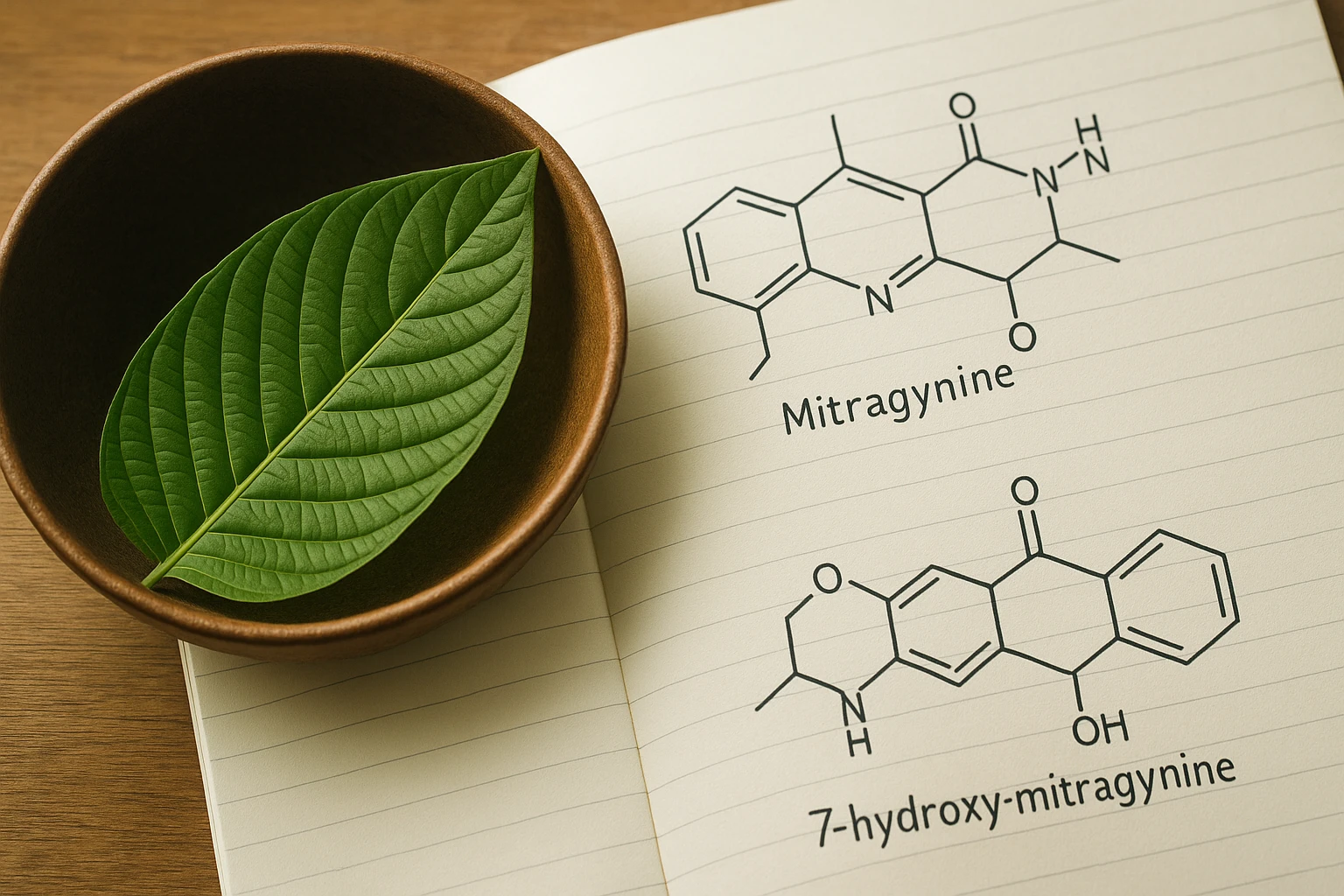

Kratom, derived from the leaves of the Mitragyna speciosa tree, has captivated the attention of researchers, enthusiasts, and wellness seekers for its complex chemical makeup. While much focus has been placed on its primary alkaloids, mitragynine and 7-hydroxymitragynine, the plant’s minor alkaloids play a significant yet often overlooked role. These lesser-known compounds contribute to kratom’s effects through synergistic interactions, where their combined actions produce outcomes greater than the sum of their individual contributions. Understanding these synergistic interactions offers a deeper appreciation of kratom’s potential, shedding light on how its diverse alkaloid profile shapes its unique properties.
What Are Synergistic Interactions?
Synergistic interactions occur when two or more substances work together to produce an effect that is more significant than what each could achieve alone. In the context of kratom, this phenomenon involves the minor alkaloids enhancing or modulating the effects of one another or the primary alkaloids. These interactions are not merely additive; they create a unique profile of effects that defines the plant’s character.
Kratom contains over 40 identified alkaloids, with mitragynine and 7-hydroxymitragynine being the most abundant and well-studied. However, minor alkaloids, such as speciogynine, paynantheine, and corynantheidine, contribute to kratom’s complexity. These compounds, present in smaller concentrations, interact in ways that amplify, balance, or even alter the overall experience of kratom use. By exploring these synergistic interactions, we can better understand how kratom delivers its diverse effects, from stimulation to relaxation.
The Role of Minor Alkaloids in Kratom’s Effects
While mitragynine often takes the spotlight for its role in kratom’s stimulating and pain-relieving properties, minor alkaloids add layers of nuance. For instance, speciogynine, a smooth muscle relaxant, may enhance the calming effects of other alkaloids, contributing to a sense of physical ease. Paynantheine, another minor alkaloid, is thought to complement speciogynine by supporting muscle relaxation, potentially amplifying the overall soothing effect.
Corynantheidine, on the other hand, acts as an opioid receptor antagonist, which may seem counterintuitive given kratom’s opioid-like effects. However, its presence in small amounts could modulate the intensity of mitragynine’s opioid receptor activity, creating a balanced effect that prevents overwhelming sedation. This interplay among minor alkaloids highlights the plant’s ability to produce varied effects depending on their concentrations and interactions.
The synergistic interactions between these compounds are influenced by their relative proportions, which can vary depending on the kratom strain, growing conditions, and harvesting methods. For example, red vein kratom strains, often associated with relaxation, may have higher levels of certain minor alkaloids that enhance sedative effects, while green or white vein strains may favor alkaloids that promote alertness. These differences underscore the importance of understanding how minor alkaloids work together to shape kratom’s diverse profiles.

How Synergistic Interactions Shape Kratom’s Effects
The concept of synergy in kratom is akin to a symphony, where each alkaloid plays a distinct note, but the harmony emerges from their collective performance. Minor alkaloids interact with each other and with primary alkaloids in several ways, including enhancing potency, modulating receptor activity, and influencing metabolic pathways.
One key aspect of synergistic interactions is their ability to enhance the potency of kratom’s effects. For example, minor alkaloids like mitraphylline and rhynchophylline, though present in trace amounts, may amplify mitragynine’s effects on opioid receptors. This amplification could explain why certain kratom strains feel more potent despite having similar mitragynine content. By working together, these alkaloids create a more pronounced effect, allowing users to experience benefits at lower doses.
Another way synergistic interactions manifest is through modulation of receptor activity. Kratom’s alkaloids interact with various receptors in the brain, including opioid, serotonin, and dopamine receptors. Minor alkaloids like ajmalicine, known for its potential to support vascular health, may indirectly influence neurotransmitter systems, enhancing mood or reducing anxiety when combined with other alkaloids. This multi-receptor activity creates a complex effect profile, distinguishing kratom from single-compound substances.
Metabolic interactions also play a role in synergy. Some minor alkaloids may influence how the body processes mitragynine, potentially extending or altering its duration of action. For instance, compounds like isomitraphylline might affect liver enzymes, slowing the breakdown of active alkaloids and prolonging their effects. This metabolic synergy could explain why some users report longer-lasting effects from certain kratom strains.
Factors Influencing Synergistic Interactions
The synergistic interactions between kratom’s minor alkaloids are not static; they vary based on several factors, including strain, preparation, and individual physiology. Understanding these variables provides insight into why kratom’s effects can differ widely among users and even across different batches.
Kratom strains, often categorized by vein colour, reflect differences in alkaloid composition. Red vein strains, typically harvested from mature leaves, may contain higher levels of minor alkaloids like paynantheine, which contribute to relaxation. In contrast, white vein strains, often from younger leaves, may favour alkaloids like speciociliatine, which support energy and focus. These variations in alkaloid profiles lead to different synergistic interactions, shaping the strain’s overall effect.
Preparation methods also influence synergy. Traditional methods, such as brewing kratom into a tea, may extract certain alkaloids more effectively, altering their relative concentrations. Modern preparations, like encapsulated powders may concentrate specific alkaloids, further modifying the synergistic balance.
Individual physiology plays a critical role as well. Factors like body weight, metabolism, and receptor sensitivity can affect how minor alkaloids interact in the body. For instance, someone with a faster metabolism may experience shorter-lived effects, as minor alkaloids influencing metabolic pathways are processed more quickly. Conversely, individuals with higher opioid receptor sensitivity may notice stronger effects from the same alkaloid combination.

The Importance of Understanding Synergy for Kratom Users
For those who use kratom, understanding synergistic interactions offers practical benefits. By recognizing how minor alkaloids contribute to the plant’s effects, users can make informed choices about strains and preparation methods. For example, someone seeking relaxation might prefer a red vein strain with a higher proportion of calming minor alkaloids, while those looking for focus might opt for a white vein strain with energizing synergies.
Awareness of synergy also highlights the importance of moderation. Because minor alkaloids amplify or modulate effects, small changes in dose or strain can lead to significantly different experiences. Starting with low doses and experimenting cautiously allows users to find the right balance for their needs.
Furthermore, understanding synergy underscores the value of whole-leaf kratom over isolated extracts. While extracts can concentrate primary alkaloids, they may lack the full spectrum of minor alkaloids that contribute to synergistic interactions. Whole-leaf products, which retain the plant’s natural alkaloid profile, are more likely to deliver the complex effects that arise from these interactions.
Challenges in Studying Synergistic Interactions
Studying the synergistic interactions of kratom’s minor alkaloids presents several challenges. The plant’s chemical complexity, with dozens of alkaloids interacting in unpredictable ways, makes it difficult to isolate specific effects. Additionally, variations in alkaloid content across strains, regions, and harvests complicate research efforts. For example, kratom grown in Southeast Asia’s humid climates may differ in alkaloid profile from that grown in controlled environments, affecting synergy.
Another challenge is the lack of standardized testing methods. Because kratom is not regulated in many regions, including Canada, alkaloid content can vary widely between products. This variability makes it hard to draw consistent conclusions about synergistic interactions. Future research, using advanced analytical techniques like mass spectrometry, could help map these interactions more precisely.
Individual differences in response further complicate the picture. Genetic variations, lifestyle factors, and even diet can influence how minor alkaloids interact in the body. For instance, someone with a high-fat diet might metabolize alkaloids differently, altering their synergistic effects. These variables highlight the need for personalized approaches to kratom use.
The Future of Synergistic Research in Kratom
As interest in kratom grows, so does the need for rigorous research into its synergistic interactions. Advances in pharmacology and biochemistry could unlock new insights into how minor alkaloids work together, paving the way for more targeted applications. For example, understanding which alkaloids enhance pain relief versus mood support could lead to tailored kratom products designed for specific needs.
Collaborative efforts between researchers, growers, and vendors could also improve consistency in alkaloid profiles. By standardizing cultivation and processing methods, the industry could ensure more predictable synergistic interactions, enhancing user experiences. Additionally, public education about synergy could empower users to make informed choices, fostering a deeper appreciation for kratom’s complexity.

FAQ
Q: What are synergistic interactions in the context of kratom?
A: Synergistic interactions refer to the combined effects of kratom’s minor alkaloids, where their collective action produces a stronger or more nuanced effect than each alkaloid could achieve alone. These interactions shape kratom’s diverse effects, such as relaxation or focus, by amplifying or modulating the activity of primary alkaloids like mitragynine.
Q: Why are minor alkaloids important for kratom’s effects?
A: Minor alkaloids, though present in smaller amounts, play a critical role in enhancing or balancing kratom’s effects. They interact with primary alkaloids and each other to create a complex profile, contributing to outcomes like pain relief, mood enhancement, or muscle relaxation, making kratom’s effects more versatile.
Q: How do synergistic interactions differ between kratom strains?
A: Different kratom strains, such as red, green, or white vein varieties, have varying alkaloid profiles, which influence their synergistic interactions. For example, red vein strains may have more minor alkaloids that enhance relaxation, while white vein strains may promote energizing synergies due to different alkaloid ratios.
Q: Can preparation methods affect synergistic interactions in kratom?
A: Yes, preparation methods like brewing kratom tea or using encapsulated powders can alter the extraction of minor alkaloids, changing their relative concentrations. This affects how these alkaloids interact, potentially shifting the balance between stimulating and calming effects.
Q: Are synergistic interactions the same in every kratom user?
A: No, individual factors like metabolism, body weight, and receptor sensitivity influence how synergistic interactions manifest. For instance, someone with a faster metabolism may experience shorter or less intense effects from the same alkaloid combination compared to others.
Q: How do synergistic interactions contribute to kratom’s safety profile?
A: Synergistic interactions, such as those involving minor alkaloids like corynantheidine, can modulate the intensity of primary alkaloids, potentially reducing side effects like nausea or dependency risks. This balance contributes to kratom’s unique safety profile compared to single-compound substances.
Q: Can understanding synergistic interactions help choose the right kratom strain?
A: Absolutely. By understanding how minor alkaloids interact, users can select strains that align with their needs. For example, those seeking relaxation might choose strains with synergies favoring calming effects, while those needing focus might opt for energizing strains.
Q: Is research on kratom’s synergistic interactions ongoing?
A: Yes, research into kratom’s alkaloid interactions is still developing. Advances in pharmacology and analytical techniques are helping scientists better understand how minor alkaloids work together, potentially leading to more targeted applications in the future.
Conclusion
The synergistic interactions between kratom’s minor alkaloids are a testament to the plant’s remarkable complexity. Far from being mere supporting players, these compounds work together to create a rich tapestry of effects, from relaxation to focus to mood enhancement. By understanding how these alkaloids interact, users can better navigate the diverse world of kratom, selecting strains and methods that align with their goals.
While much remains to be learned about these interactions, their significance is clear. The interplay of minor alkaloids shapes kratom’s unique character, distinguishing it from other plant-based remedies. As research progresses, we can expect a deeper understanding of these synergies, unlocking new possibilities for those who turn to kratom for its potential benefits. For now, appreciating the collaborative dance of these compounds offers a fascinating glimpse into the science behind this ancient plant.
Disclaimer
The information provided in this exploration of kratom’s minor alkaloids and their synergistic interactions is intended for educational and informational purposes only and should not be considered medical advice. Kratom (Mitragyna speciosa) is a complex plant with varied effects that can differ significantly between individuals due to factors such as physiology, dosage, strain, and preparation method. While this discussion highlights the potential roles of minor alkaloids, the health and safety implications of kratom use remain understudied, and its effects are not fully understood.
Kratom is not approved by regulatory bodies, such as Health Canada or the U.S. Food and Drug Administration (FDA), for any medical use, and its safety profile has not been definitively established. Potential risks of kratom use include side effects such as nausea, dizziness, dependency, or interactions with other substances or medications. Individuals considering kratom should consult a qualified healthcare professional to discuss potential risks, especially if they have pre-existing medical conditions, are pregnant or breastfeeding, or are taking medications.
The legal status of kratom varies by region, and users are responsible for ensuring compliance with local laws. Neither the author nor the publisher assumes liability for any adverse effects or consequences resulting from kratom use. Always exercise caution, start with low doses, and prioritize safety when exploring kratom or any herbal supplement.