


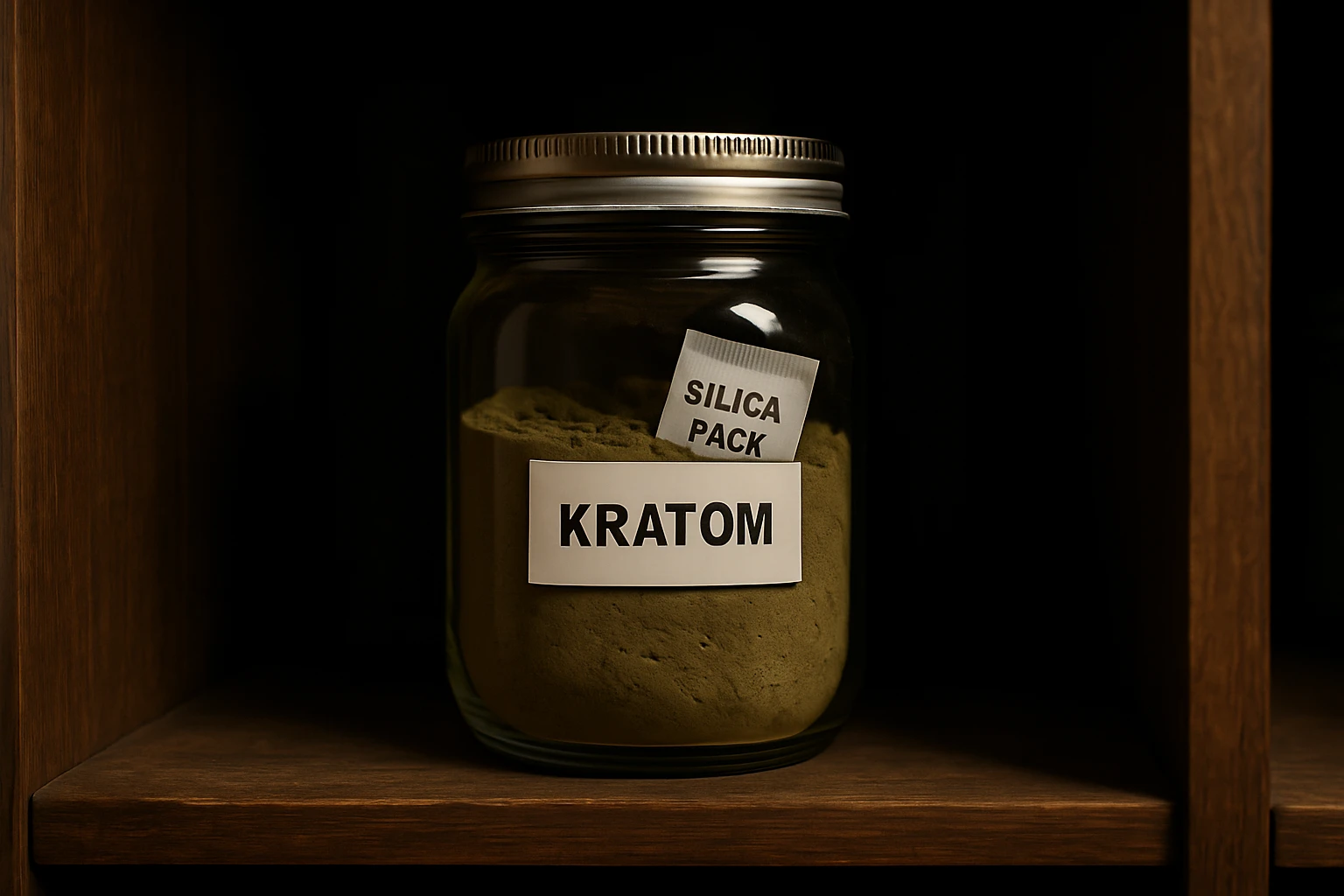

Kratom preservation is the key to maintaining the potency, freshness, and safety of this unique botanical. For those who rely on kratom for its stimulating or calming effects, ensuring its quality over time is paramount. One of the most effective tools for achieving this is the use of desiccants, those small moisture-absorbing packets often found in product packaging. Desiccants play a critical role in protecting kratom from environmental factors like humidity, which can degrade its active compounds and compromise its quality.
By understanding how desiccants work and how to incorporate them into your storage routine, you can keep your kratom fresh and effective for the long haul. Proper kratom storage techniques, including the use of desiccants, ensure long-lasting kratom freshness.
Why Kratom Preservation Matters for Potency
Kratom, derived from the Mitragyna speciosa tree, is prized for its alkaloids, such as mitragynine and 7-hydroxymitragynine, which deliver its distinctive effects. These compounds are sensitive to environmental conditions, and improper handling can lead to a loss of potency, altered texture, or even spoilage. Effective kratom preservation ensures that the product retains its aroma, consistency, and efficacy, providing a reliable experience every time.
Moisture is a primary enemy of kratom quality. In humid environments, kratom powder can absorb water, leading to clumping, mold growth, or chemical breakdown. This is a particular concern in regions with high humidity, where even sealed containers may not fully protect the product. Desiccants offer a powerful solution by actively controlling moisture levels, preserving the integrity of kratom’s active compounds.
What Are Desiccants?
Desiccants are materials designed to absorb moisture from their surroundings, creating a dry environment within a sealed container. The most common type, silica gel, consists of tiny porous beads that trap water vapor through a process called adsorption. Unlike absorption, where a material soaks up liquid, adsorption binds water molecules to the surface of the desiccant, preventing them from interacting with the kratom.
Silica gel is non-toxic, chemically inert, and highly effective, making it ideal for kratom preservation. Other desiccants, such as activated clay or molecular sieves, may also be used, but silica gel is the industry standard due to its reliability and affordability. When placed inside a kratom package, a desiccant packet maintains low humidity levels, protecting the powder from moisture-related damage and extending its shelf life.
Why Moisture Threatens Kratom Quality
Moisture poses multiple risks to kratom’s quality, affecting both its physical properties and chemical composition. Here are the key ways humidity can degrade kratom:
Clumping and Texture Changes
Excess moisture causes kratom powder to clump, making it difficult to measure or mix accurately. Clumped kratom may not dissolve properly in liquids, affecting preparation methods like brewing tea. This can lead to inconsistent dosing and a less enjoyable experience.
Microbial Growth
In humid conditions, organic materials like kratom are susceptible to mold and bacterial growth. Consuming contaminated kratom can cause health issues, ranging from digestive discomfort to more serious concerns. Desiccants prevent these risks by keeping the storage environment dry, inhibiting microbial activity.
Alkaloid Degradation
Moisture can trigger chemical reactions like oxidation or hydrolysis, which break down kratom’s alkaloids. This reduces the potency of mitragynine and other compounds, resulting in weaker effects. Proper kratom preservation with desiccants minimizes these reactions, ensuring consistent performance.
How to Store Kratom at Home for Long-Term Freshness
Effective kratom preservation at home ensures lasting potency and freshness by protecting alkaloids from moisture, air, and light. Follow these expert strategies to maintain your kratom’s quality:
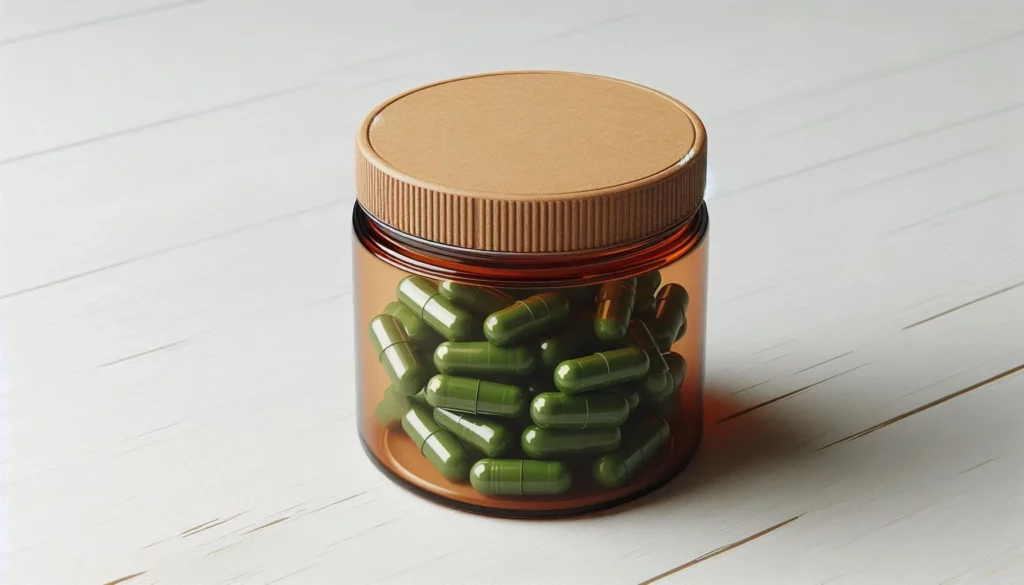
- Use Airtight Containers: Store kratom in glass jars with rubber seals or food-grade plastic bags to block moisture and air. Glass is ideal for its non-reactive properties, preserving purity.
- Retain Desiccant Packets: Keep the included desiccant packet in your kratom package to absorb moisture for months. When transferring to a new container, add a fresh food-grade silica gel packet (e.g., 2-5g for 100g of kratom).
- Choose a Stable Environment: Store kratom in a cool, dark place at 20-25°C (68-77°F), away from windows, heaters, or appliances. Use opaque or amber containers to shield against UV light.
- Minimize Air Exposure: Limit opening containers to reduce moisture and air exposure. Portion out small amounts for daily use, keeping the bulk supply sealed with a desiccant.
- Control Humidity: In humid areas, use a hygrometer to maintain relative humidity below 50%. A small dehumidifier complements desiccants for optimal kratom preservation.
- Check for Spoilage: Regularly inspect kratom for clumping, musty odors, or discoloration, which indicate moisture damage. Discard affected product to ensure safety.
- Avoid Freezing: Do not store kratom in a freezer, as condensation during thawing can introduce moisture, harming potency.
- Label Containers: Label storage containers with strain type and date to track freshness and avoid confusion, especially for bulk purchases.
The Science of Kratom Preservation with Desiccants
The effectiveness of desiccants lies in their ability to control humidity within a sealed environment. Silica gel, for example, can absorb up to 40% of its weight in water vapor, maintaining a low-humidity environment that protects kratom’s alkaloids. This is particularly important for kratom powder, which has a high surface area and is more prone to moisture absorption than capsules or loose leaves.
Desiccants work best in airtight containers, where they can stabilize humidity levels without being overwhelmed by external moisture. Pharmakeia carefully selects desiccant sizes to match the volume of their kratom packages, ensuring optimal moisture control during shipping and storage. This approach to kratom preservation helps maintain the product’s earthy aroma, fine texture, and potent effects.
How Pharmakeia Ensures Quality with Desiccants
Pharmakeia, a Canada-based kratom vendor, prioritizes quality by incorporating desiccants into their packaging. Canada’s diverse climate, from humid coastal areas to dry inland regions, presents unique challenges for kratom preservation. Desiccants help mitigate these challenges by absorbing residual moisture, ensuring the product remains unaffected by environmental variations.
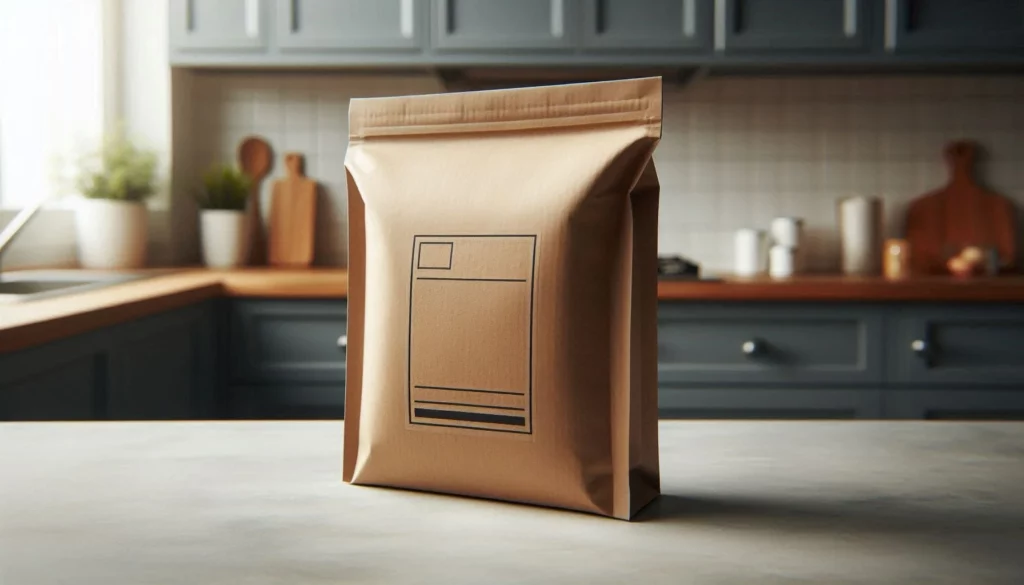
Pharmakeia’s resealable bags enhance this protection by limiting air and moisture exposure each time the package is opened. This combination of desiccants and airtight packaging reflects a commitment to delivering kratom that meets high standards of freshness and potency. For consumers, this means a product that performs consistently, whether used immediately or stored for months.
The Role of Desiccants in Long-Term Preservation
For users who purchase kratom in bulk, long-term preservation is a priority. Desiccants are particularly valuable in this context, as they can extend shelf life by preventing moisture buildup over months or even years. Under optimal conditions (dry, cool, and dark), kratom can remain potent for up to a year or more. Without desiccants, humidity can gradually infiltrate containers, reducing quality.
Pharmakeia’s use of desiccants ensures that bulk purchases remain fresh, even in challenging climates. By combining desiccants with resealable packaging, they provide a reliable solution for long-term kratom preservation.
Choosing the Right Desiccant for Kratom Preservation
Selecting the right desiccant is crucial for effective kratom preservation. Silica gel is the preferred choice due to its high moisture absorption, capturing up to 40% of its weight, and non-toxic, chemically inert nature, ensuring safety for botanical storage. It is also reusable, making it cost-effective. Clay desiccants, while eco-friendly and affordable, absorb less moisture and are less efficient in high-humidity environments.
Molecular sieves offer superior absorption but are expensive and less practical for everyday kratom storage. Silica gel strikes the best balance of performance, affordability, and availability, making it ideal for maintaining kratom’s potency and freshness. Always choose food-grade silica gel packets sized appropriately for your container (e.g., 2-5g for 100g of kratom) to ensure optimal moisture control and long-term preservation.
Debunking Myths About Desiccants
Several misconceptions about desiccants can lead to confusion about their role in kratom preservation. Here’s a look at the most common myths:
Desiccants Are Unnecessary in Sealed Containers
Even airtight containers can trap residual moisture during packaging or allow humidity to enter when opened. Desiccants provide an extra layer of protection, ensuring consistent dryness.
Desiccants Are Harmful
Silica gel is non-toxic and safe for use in botanical packaging. The “Do Not Eat” warning is a precaution against choking, not an indication of toxicity.
Desiccants Over-Dry Kratom
Desiccants maintain an optimal humidity level, preserving kratom’s natural moisture content without making it brittle or less effective. They stabilize the environment, not eliminate all moisture.
Sustainability and Desiccants in Kratom Preservation
As environmental consciousness grows, the sustainability of desiccants is worth considering. Silica gel is reusable, and users can reactivate it by heating it at a low temperature to release trapped moisture. This reduces waste and extends the desiccant’s lifespan.
Some vendors are exploring eco-friendly alternatives, such as biodegradable clay desiccants, though silica gel remains the most common due to its effectiveness. Consumers can adopt sustainable practices by reusing desiccants or recycling them responsibly, aligning kratom preservation with environmental responsibility.
Desiccants and Regulatory Compliance
In Canada, kratom is sold as a natural product without specific health claims. Proper preservation practices, including the use of desiccants, align with industry standards for ensuring product safety. By preventing microbial growth and maintaining quality, desiccants help vendors meet regulatory expectations and provide consumers with a safe, reliable product.
This focus on quality control reflects a broader commitment to consumer trust, ensuring that kratom remains free of contaminants and delivers consistent effects.
Limitations of Desiccants
While desiccants are highly effective, they have limitations. If a container is not airtight or is exposed to extreme humidity, the desiccant may become saturated and lose its effectiveness. Similarly, desiccants cannot protect against other factors like heat or light exposure. Users must combine desiccants with proper storage practices, such as using opaque containers and avoiding high temperatures, to achieve optimal results.
The Future of Kratom Preservation
The kratom industry is evolving, and so are preservation techniques. Innovations like smart desiccants, which change colour when saturated, could simplify maintenance. Nitrogen flushing, a method used in food preservation to remove oxygen, may also gain traction in kratom packaging, complementing desiccants to further extend shelf life.
Pharmakeia’s proactive use of desiccants positions them at the forefront of these trends, ensuring that their products remain fresh and effective in diverse conditions. As preservation technology advances, consumers can expect even more reliable ways to protect their kratom.
FAQ
Q: How long can desiccants keep kratom fresh?
A: Desiccants can help maintain kratom’s freshness for up to a year or more when stored in airtight containers under cool, dark, and dry conditions. Their effectiveness depends on the storage environment and how often the container is opened. Regularly check desiccant packets for saturation, and replace them if they no longer absorb moisture.
Q: Can I reuse desiccant packets for kratom preservation?
A: Yes, silica gel desiccants are reusable. To reactivate them, heat the packets in an oven at a low temperature (about 120°C or 250°F) for one to two hours to release trapped moisture. Once cooled, they can be reused, making them a sustainable option for long-term kratom preservation.
Q: Do desiccants work for all forms of kratom, like capsules or loose leaves?
A: Desiccants are effective for all forms of kratom, including powder, capsules, and loose leaves. They are particularly beneficial for kratom powder due to its high surface area, which is more prone to moisture absorption. For capsules, desiccants help protect the shell from softening, while for loose leaves, they prevent mold growth.
Q: What happens if I don’t use a desiccant with my kratom?
A: Without a desiccant, kratom is more vulnerable to moisture, which can cause clumping, mold growth, or alkaloid degradation. This can lead to reduced potency, an unpleasant texture, or potential health risks if contamination occurs. Using a desiccant significantly enhances kratom preservation.
Q: Can I store kratom without desiccants if I live in a dry climate?
A: In dry climates, desiccants may be less critical, but they still provide added protection against residual moisture or humidity spikes. Even in low-humidity areas, opening containers can introduce moisture, so including a desiccant ensures consistent kratom preservation.
Q: How do I know if my desiccant is no longer effective?
A: Some silica gel packets have indicator beads that change colour when saturated (e.g., from blue to pink). If your desiccant lacks indicators, replace it every six to twelve months or if you notice signs of moisture, like clumping or a musty smell in your kratom.
Q: Can I make my own desiccant for kratom storage?
A: While homemade desiccants (e.g., rice or salt) can absorb some moisture, they are less effective and reliable than silica gel. For optimal kratom preservation, use food-grade silica gel packets to ensure safety and efficiency.
Q: How do I choose the right desiccant size for my kratom?
A: Choose a desiccant packet size based on container volume. For a 100g kratom package, a 2-5g silica gel packet is typically sufficient. Check the packet periodically and replace it if saturated.
Conclusion
Kratom preservation is essential for maintaining the quality and potency of this valuable botanical. Desiccants play a pivotal role by controlling moisture, preventing alkaloid degradation, and ensuring safety. Pharmakeia sets a high standard by incorporating desiccants into their packaging and sourcing premium kratom tested for purity, delivering a product that remains fresh from production to consumption.
By adopting simple preservation techniques, such as using desiccants, airtight containers, and stable storage conditions, users can protect their kratom and enjoy its full benefits over time. Whether you’re a casual user or a bulk buyer, understanding the role of desiccants in kratom preservation empowers you to make informed choices and maintain a high-quality supply.
Disclaimer
The information provided in this blog is intended for informational purposes only and should not be considered as medical, health, or safety advice. Kratom (Mitragyna speciosa) is a botanical product that has not been approved by Health Canada or the U.S. Food and Drug Administration (FDA) for any medical use. The safety, efficacy, and long-term effects of kratom consumption are not fully studied, and its use may carry risks.
Kratom may interact with medications, supplements, or pre-existing health conditions, potentially causing adverse effects. Possible side effects of kratom use include nausea, dizziness, constipation, or dependency with prolonged use. Contaminated or improperly stored kratom may pose additional health risks, such as microbial contamination, which could lead to illness. Always consult a qualified healthcare professional before using kratom, especially if you are pregnant, breastfeeding, or have underlying medical conditions.
This blog does not substitute for professional medical advice, diagnosis, or treatment. Do not use kratom to treat, cure, or prevent any medical condition without guidance from a healthcare provider. The use of desiccants for kratom preservation is intended to maintain product quality but does not guarantee safety or suitability for consumption.
Always store kratom in a safe, secure location out of reach of children and pets. If you experience any adverse effects from kratom use, discontinue use immediately and seek medical attention. The authors and publishers of this blog, including references to companies like Pharmakeia, are not liable for any consequences resulting from the use, misuse, or storage of kratom.