


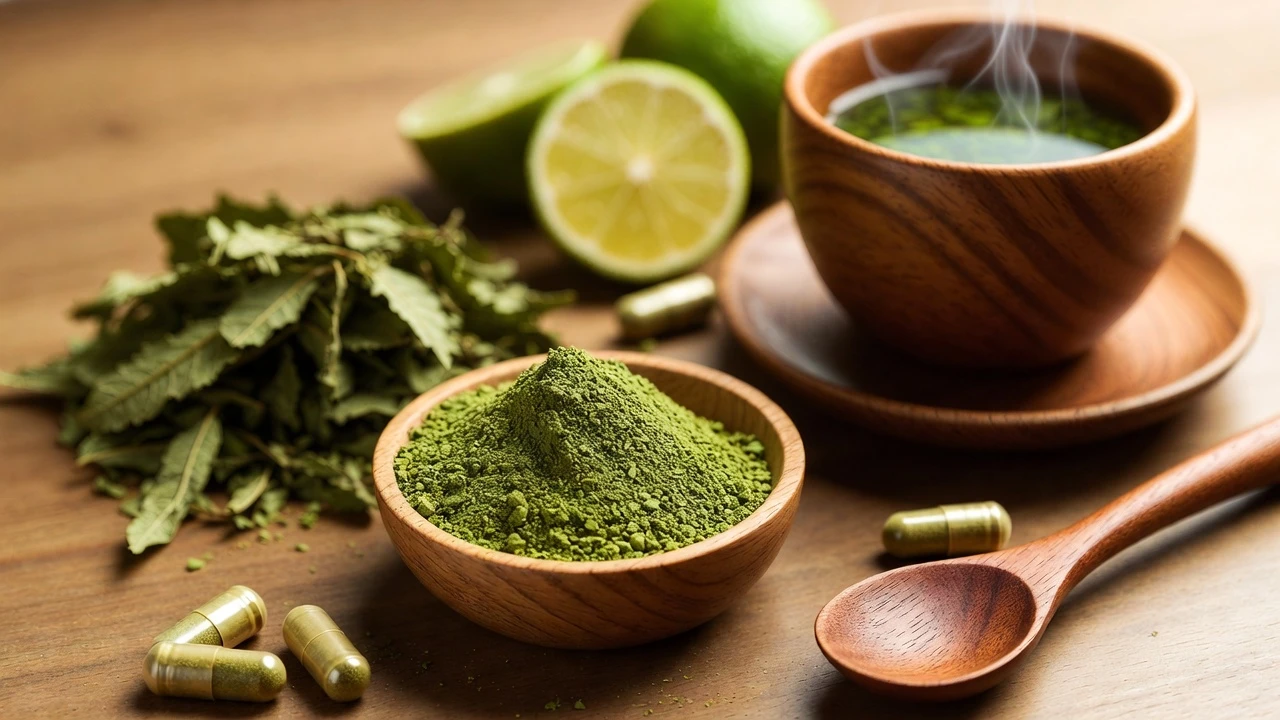

For many who explore kratom, the first encounter often involves its naturally strong profile: an earthy bitterness that can linger, sometimes accompanied by a gritty or drying sensation. A well-chosen kratom preparation method plays a central role in shaping not just how the plant is consumed, but also how it tastes and feels in the mouth. Simple changes in technique from mixing powder directly into liquid to brewing it as tea or using capsules can transform this challenging intake into something far more approachable and enjoyable.
Understanding these differences begins with recognising kratom’s baseline characteristics. The dried and ground leaves yield a powder with a robust, herbal quality. This comes from the plant’s natural compounds, contributing to a flavour often described as bitter, grassy, and somewhat resinous. The mouthfeel tends to be drying or astringent, with fine particles that can cling to the tongue or create a powdery residue.
The Baseline: Kratom’s Natural Taste and Mouthfeel
Before diving into specific methods, it is helpful to establish what makes kratom’s flavour and texture distinctive. The powder carries deep earthy notes reminiscent of fresh soil or dried herbs, layered with pronounced bitterness from tannins and other plant compounds. This bitterness can feel sharp on the tongue, while the fine grind creates a sandy or chalky texture that lingers.
Astringency often follows, leaving the mouth feeling slightly dry or puckered. Strain variations add subtle differences. Red vein types frequently present milder, deeper earthiness with occasional sweet undertones, while white vein varieties lean sharper and more astringent. Green veins tend to balance grassy freshness with moderate bitterness. These foundational traits serve as the starting point for every kratom preparation method.
Toss and Wash: Quick and Direct Exposure
One of the most straightforward kratom preparation methods is the toss and wash. Here, a measured amount of powder is placed directly on the tongue and immediately washed down with a liquid. The goal is speed to minimize contact with taste buds and reduce the full impact of the bitterness.
In practice, the taste registers as a brief but intense burst of earthiness and sharpness before the chasing beverage takes over. Many opt for citrus juices like orange, grapefruit, or lemon to chase it, as the acidity and natural sweetness help cut through the harsh notes effectively. The mouthfeel during that initial moment remains gritty, with powder sometimes sticking briefly to teeth or the roof of the mouth. However, the quick swallow limits any prolonged discomfort. For regular users, this method feels efficient and no-nonsense, though newcomers often describe the sudden flavour hit as overwhelming.
Mixing Powder into Beverages: Customizable but Textured
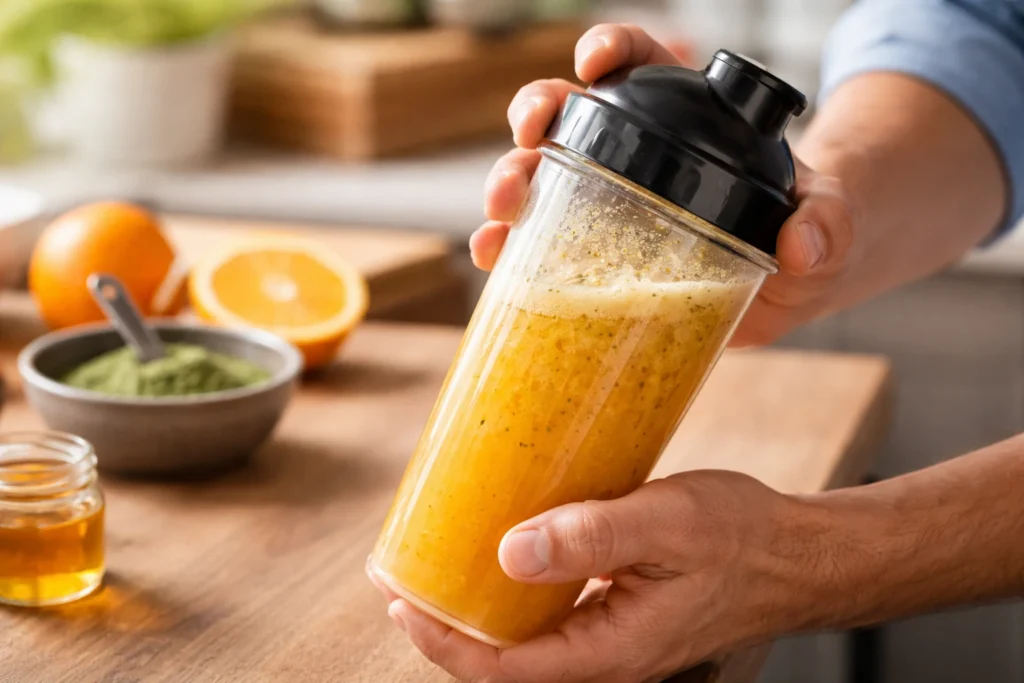
A slightly more controlled approach involves stirring kratom powder directly into a beverage. This kratom preparation method allows experimentation with different liquids at room temperature or slightly warmed. When mixed with plain water, the taste stays raw and pronounced. The bitterness dominates, blended with a strong grassy undertone.
Fruit juices, especially citrus or tropical ones like pineapple or mango, temper this by introducing sugars and acids that balance the profile. The mouthfeel turns chalky or sandy, as undissolved particles remain suspended and swirl around the mouth. Some users note a coating sensation on the tongue that persists, often requiring extra rinsing or follow-up sips. This method suits those who value simplicity and want to fine-tune flavours to soften the edges without heat or complex steps. Vigorous stirring or blending helps reduce clumping for a more even distribution.
Brewing Kratom as Tea: Smoother and More Layered
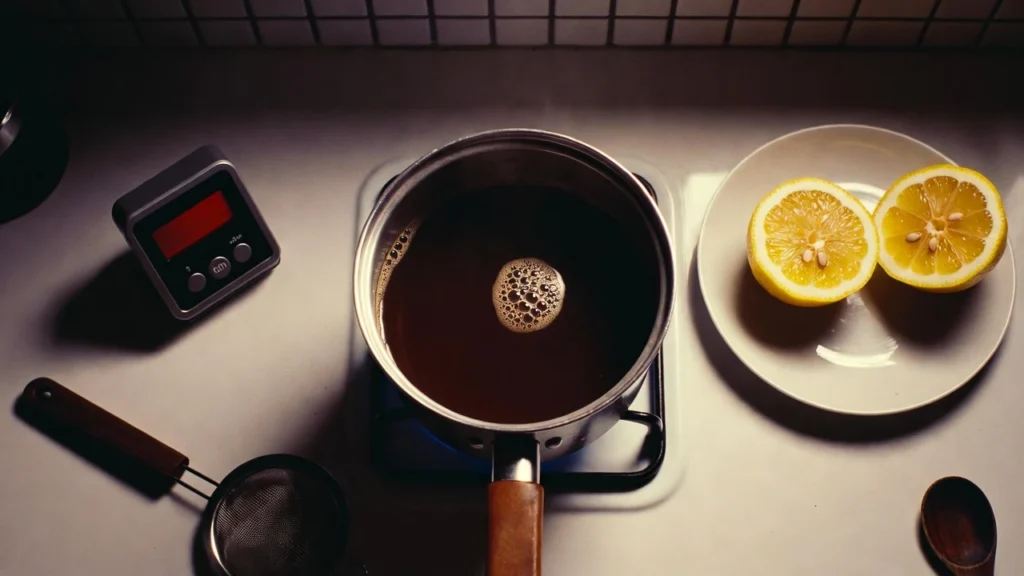
Brewing kratom as tea ranks among the most popular kratom preparation methods for improving both taste and mouthfeel. The process typically involves simmering powder or crushed leaves in water, often with an acidic addition like lemon juice to enhance extraction, followed by straining to remove solids.
The resulting tea carries a noticeably milder bitterness than raw powder. Earthy notes persist but evolve into a smoother, more herbal tea-like quality, similar to robust green or black teas. Lemon adds brightness and reduces astringency through its citric acid, while honey or other natural sweeteners round out the edges and create depth that masks harsher aspects. The mouthfeel improves significantly. Without plant residue, it feels clean and fluid, free of the grittiness found in powder suspensions. Sipping slowly allows appreciation of these subtleties, turning consumption into a calming ritual.
Basic Brewing Process and Tools
Start by measuring your desired amount of kratom powder or crushed leaf. Heat water to a moderate temperature (around 160-180°F to avoid degrading sensitive compounds), then add the kratom and any acidic enhancer like fresh lemon juice. Simmer gently for 10-20 minutes while stirring occasionally. Strain through a fine mesh or coffee filter to remove all solids, and finish with sweeteners or additional flavours.
Hot vs. Cold Brewing Variations
Hot brewing extracts flavours more fully, potentially concentrating them if simmered longer, though careful temperature control (avoiding a full boil) prevents over-extraction that heightens unwanted notes. Cold brewing, where powder steeps in cool water for several hours or overnight, yields a subtler version. Bitterness emerges gradually and feels less aggressive, preserving certain nuances while minimizing the sharp bite from heat. This variation often results in a fresher, lighter profile.
Enhancing Tea with Add-Ins
Incorporating spices like ginger adds warmth and a spicy kick that complements the earthiness. Cinnamon or peppermint introduces complexity, shifting the flavour toward spiced herbal infusions. Plant-based milks such as almond, coconut, or oat bring creaminess that coats the mouth and softens any residual dryness, creating a latte-like texture. These additions transform the tea from basic to flavourful without overpowering the plant’s character.
Capsules: Bypassing Taste and Texture Entirely
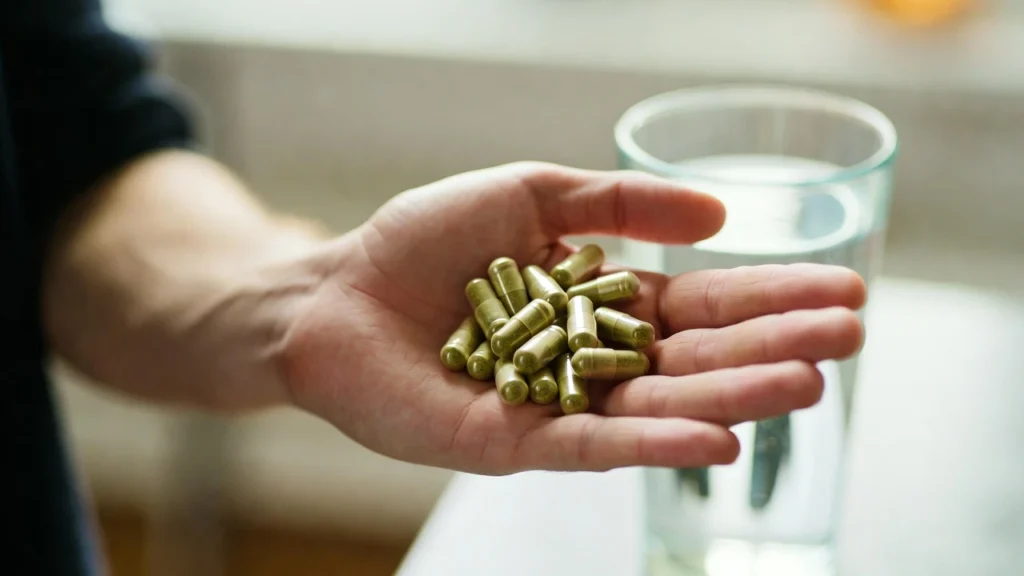
Capsules offer a completely different kratom preparation method, one that eliminates oral sensation concerns. Powder is enclosed in gelatin or vegetarian shells and swallowed whole with water. No flavour reaches the tongue until dissolution occurs further along the digestive tract. The mouthfeel stays neutral, limited to the smooth passage of the capsule itself. This appeals strongly to those sensitive to bitterness or gritty textures, providing convenience and discretion. While it removes any sensory interaction with the plant, many appreciate the simplicity for daily routines.
Incorporating Kratom into Foods: Disguised and Enjoyable
Blending kratom into foods provides creative ways to alter perception entirely. Adding powder to smoothies combines it with fruits, yogurt, nut butters, or protein bases.
The thick consistency masks grit, while bold flavours like banana, berries, chocolate, or vanilla overpower the earthiness. The mouthfeel becomes creamy and smooth, with the powder integrating seamlessly into the blend. Baking kratom into energy bites, muffins, or similar treats further dilutes the taste through cooking, binding agents, and fats. Heat can mellow certain notes, and ingredients like peanut butter help coat and balance bitterness. The final texture feels substantial and snack-like, turning consumption into an enjoyable part of a meal or break.
Factors Influencing Outcomes Across Methods
Several elements influence how taste and mouthfeel shift with each kratom preparation method. Strain type plays a role. Reds often feel smoother and less biting, greens fresher, and whites more vibrant. Processing details, including drying techniques, contribute to baseline variations. Personal factors like individual sensitivity to bitterness or texture preferences also matter greatly.
Practical refinements enhance results regardless of method. Citrus additions consistently brighten and balance due to acidity. Natural sweeteners provide depth without artificial aftertastes. Temperature control helps. Warmer liquids soften harshness, while cold preserves freshness. Straining tea thoroughly with fine filters eliminates particles for the cleanest feel. Experimentation, starting with small amounts, reveals what works best for each person.
Overcoming Common Taste and Mouthfeel Challenges
Even with the best kratom preparation method, certain issues can arise due to the plant’s natural properties or small preparation oversights. Recognizing and addressing these helps refine the experience over time.
Lingering Bitterness or Aftertaste
Bitterness often persists longer than expected, especially in raw powder mixes or lightly brewed teas. This stems from residual tannins and alkaloids that release slowly. To counter it, incorporate an acidic element early, such as a squeeze of fresh lemon or lime juice during mixing or brewing. The acid interacts with the compounds to mellow sharpness. Following up with a neutral rinse like plain water or a mild herbal tea can clear the palate quickly. For those using toss and wash, chasing with a thicker liquid like milk or a smoothie base reduces the aftertaste duration compared to plain water.
Gritty or Clumpy Texture in Mixes
Undissolved particles create a sandy mouthfeel that clings to the tongue or teeth. This is common in room-temperature beverages. Blending the mixture vigorously with a spoon, shaker bottle, or blender breaks up clumps effectively. Pre-sifting the powder through a fine mesh strainer removes larger bits that contribute to grittiness. In smoothies or food integrations, combining kratom with fatty ingredients like yogurt, nut butter, or avocado helps bind particles for a smoother consistency.
Dryness or Astringency on the Tongue
Astringency leaves the mouth feeling puckered or dry, particularly after direct powder contact or strong brews. Counter this by adding creamy elements such as plant-based milks, a dollop of honey, or coconut water to coat the mouth and provide hydration. In tea preparations, shorter steeping times (10-15 minutes) prevent over-extraction of astringent compounds. Staying hydrated throughout the day also minimizes this sensation.
Overly Harsh Flavor from Heat or Over-Extraction
Simmering too long or at a full boil can intensify unwanted notes and create a burnt or overly vegetal taste. Keep temperatures moderate (around 160-180°F) and use a timer. If the brew ends up too strong, dilute it with additional hot water post-straining to soften the profile without reheating multiple times.
Batch-to-Batch Variations
Even the same kratom preparation method can yield different results due to minor differences in powder fineness, freshness, or environmental factors. Testing small trial batches allows adjustment of add-ins or timing. Freshly ground or recently harvested powder often presents a cleaner, less overpowering taste compared to older stock.
By anticipating these challenges and applying targeted fixes, any kratom preparation method becomes more reliable and enjoyable. These adjustments build on the foundational techniques already covered, turning potential frustrations into opportunities for personalization.
Frequently Asked Questions
Q: Does brewing kratom as tea really make it taste better than toss and wash?
A: Yes, for most people. Tea brewing extracts the compounds into liquid while straining out much of the plant material, resulting in a smoother, less gritty mouthfeel and milder bitterness compared to the raw powder burst in toss and wash. Adding citrus and sweeteners further softens the earthy notes, turning it into a more tea-like experience rather than a quick, intense hit.
Q: What is the best way to mask the bitterness in kratom preparation methods?
A: Citrus (like lemon, lime, or orange juice) is highly effective across methods because its acidity helps balance and mellow the sharp tannins. Natural sweeteners such as honey or agave add depth without artificial aftertaste. In teas or mixes, creamy additions like plant-based milks coat the tongue and reduce astringency. Experimenting with these in small amounts usually yields the best personal results.
Q: Why does toss and wash sometimes leave a lingering gritty feeling in my mouth?
A: The fine powder particles can stick to the tongue, teeth, or gums during the brief contact time. Chasing with a thicker liquid (like juice or milk) instead of plain water helps wash it down more completely. Placing the powder toward the back of the tongue and swallowing quickly also minimizes sticking and reduces the gritty after-sensation.
Q: Is cold brewing kratom tea worth trying if I dislike the strong taste of hot tea?
A: Cold brewing often produces a subtler, less aggressive bitterness since heat is not forcing out as many intense compounds. The flavour develops more gradually and feels fresher overall. It is a good option if hot versions feel too vegetal or harsh, though it requires longer steeping (several hours or overnight).
Q: How do different strains affect taste across preparation methods?
A: Strain variations influence baseline flavour. Reds tend to be milder and earthier, greens fresher and grassy, whites sharper and more astringent. These differences carry through methods: a red in tea might feel smoother, while a white in toss and wash could hit harder. Personal sensitivity plays a big role, so trying small amounts of different strains helps identify preferences.
Why Preparation Matters: Personalizing the Experience
The diversity across kratom preparation methods highlights the plant’s adaptability. What starts as a challenging flavour becomes an opportunity for creativity and customization. Toss and wash prioritizes speed, direct mixing offers flexibility, tea brewing adds layers and smoothness, capsules remove sensation, and food integration disguises completely.
Over time, users often settle on favourites that align with lifestyle and palate. Some enjoy the ritual of brewing tea for its mindfulness, while others prefer the no-fuss convenience of capsules. The key lies in understanding how each method reshapes the experience, leading to more satisfying and consistent interactions with kratom. Exploring these options reveals endless possibilities. From bold directness to refined gentleness, the right kratom preparation method turns a basic intake into something tailored and pleasant. As preferences evolve, new combinations keep things engaging and enjoyable.
Disclaimer
This content is provided for informational and educational purposes only and is not intended as medical advice, diagnosis, treatment recommendations, or a substitute for professional healthcare guidance. Kratom (Mitragyna speciosa) is not authorized by Health Canada for sale or use as a natural health product, drug, food, or for any therapeutic purpose in Canada. Health Canada has issued warnings about kratom, stating that it may pose serious health risks when swallowed or inhaled, and has seized unauthorized products containing kratom from retailers due to these concerns.
Kratom can produce effects similar to both narcotics (opioids) and stimulants, carrying risks of abuse, addiction, and dependence. Potential adverse effects include nausea, vomiting, constipation, dry mouth, dizziness, drowsiness, agitation, hallucinations, high blood pressure, liver toxicity, heart problems (such as excessively rapid heartbeat), seizures, and respiratory issues.
There is potential for physical dependence and withdrawal symptoms (such as restlessness, irritability, body aches, and cravings). Kratom products in Canada are unregulated, which can result in inconsistent potency, contamination (e.g., heavy metals or pathogens), adulteration, or misleading labeling. Individual responses vary based on dose, frequency, strain, personal health conditions, and interactions with medications or other substances.
Pregnant or breastfeeding individuals, minors, those with liver, kidney, heart, or mental health conditions, or people taking medications (especially opioids, sedatives, CNS depressants, or other psychoactive substances) should avoid kratom due to heightened risks. Always consult a qualified healthcare professional before considering any use of kratom or related products, and seek immediate medical attention for severe symptoms. The author and publisher of this content are not liable for any loss, injury, claim, liability, damages, or other consequences resulting from the use of, reliance on, or actions taken based on the information provided herein.