Kratom Powder Colour: Why Some Are Bright, Others Dark
Faust
Kratom powder colour captivates users and newcomers alike, sparking curiosity about why some powders glow vibrant green while others appear deep red or earthy brown. This visual diversity isn’t just aesthetic; it reflects a complex interplay of botanical and environmental factors that shape the final product. For those exploring kratom, understanding these colour variations offers insight into the plant’s journey from tree to powder.
What Is Kratom and Why Does Its Colour Matter?
Kratom, derived from the leaves of the Mitragyna speciosa tree native to Southeast Asia, has been used for centuries in countries like Thailand, Indonesia, and Malaysia. Its leaves are harvested, processed, and ground into a fine powder that varies in colour, ranging from bright green to reddish-brown. These hues are not random; they result from specific stages in the plant’s life cycle and the methods used to prepare it. For users, colour often serves as a visual cue, hinting at potential differences in the powder’s properties, though these are not always as straightforward as they seem.
The colour of kratom powder matters because it reflects the plant’s unique story. From the age of the leaves to the way they’re dried, each step leaves a mark on the final product. While colour alone doesn’t determine quality, it provides a window into the processes that shape the powder you see. Let’s explore the key factors that influence kratom powder colour, starting with the plant itself.
The Role of Leaf Maturity in Kratom Powder Colour
One of the primary drivers of kratom powder colour is the maturity of the leaves at harvest. Mitragyna speciosa leaves change as they grow, with their central vein colour shifting from white to green to red over time. These vein colours are often used to categorise kratom into white, green, and red varieties, each associated with distinct visual characteristics.
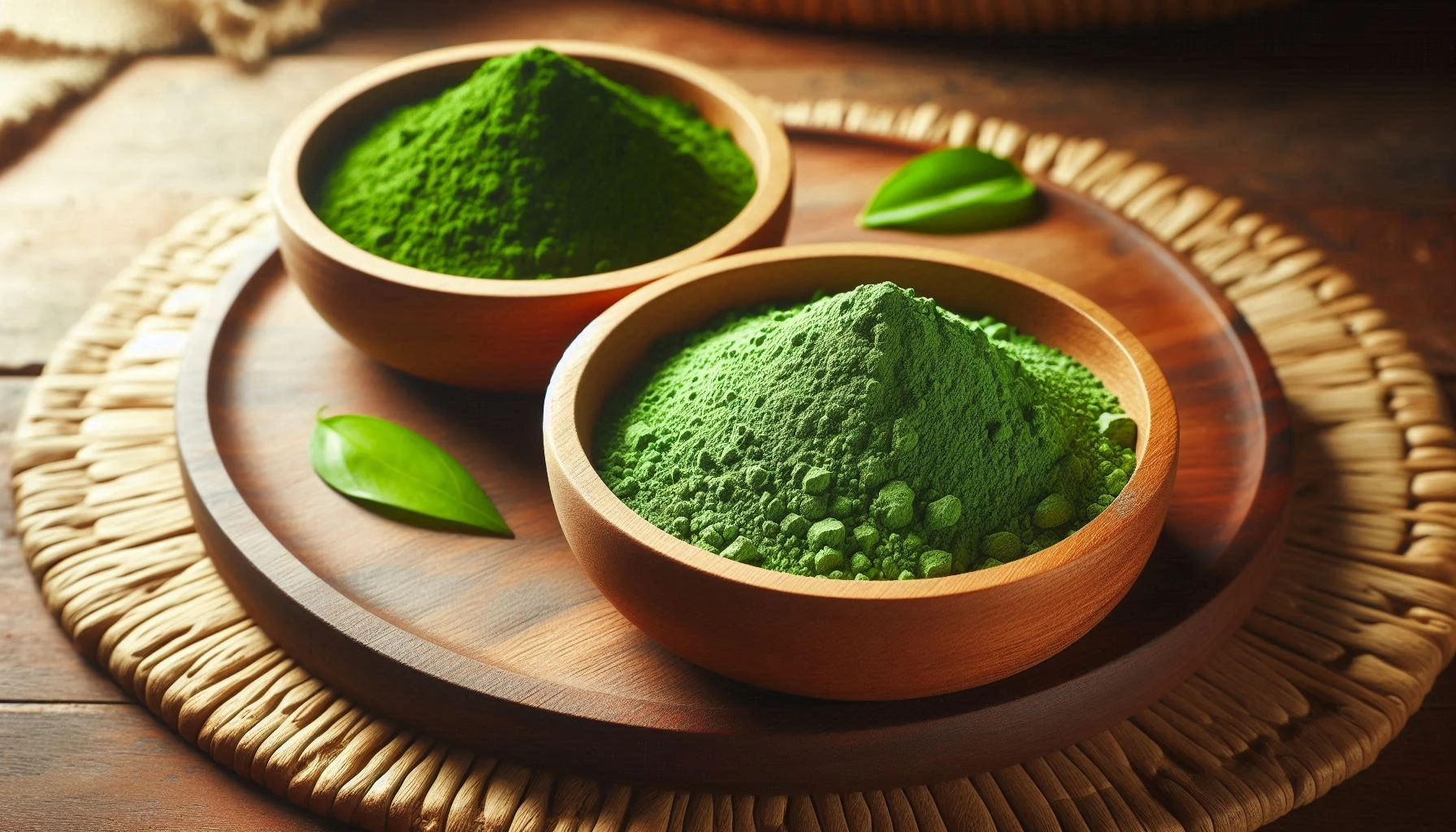
White Vein Kratom: Harvested from young leaves, white vein kratom typically produces a pale, almost silvery-green powder. These immature leaves contain a unique balance of compounds, giving the powder its lighter hue. The bright, fresh appearance often appeals to those seeking a visually striking product.
Green Vein Kratom: As leaves mature, their veins turn green, signalling a middle stage of growth. Green vein kratom powder is known for its vibrant, emerald-like colour, which results from this semi-mature stage. The rich green hue reflects a balance of youthful vigour and developing complexity in the leaf’s chemistry.
Red Vein Kratom: Fully mature leaves develop red veins, leading to powders that range from reddish-brown to deep earthy tones. The darker colour stems from changes in the leaf’s composition as it reaches peak maturity, often resulting in a richer, more robust appearance.
This progression of vein colour isn’t just cosmetic; it mirrors the plant’s natural aging process. Farmers carefully time their harvests to capture leaves at these specific stages, knowing that each will yield a powder with a distinct look. However, leaf maturity is only part of the story. The way leaves are processed after harvest plays an equally significant role in shaping kratom powder colour.
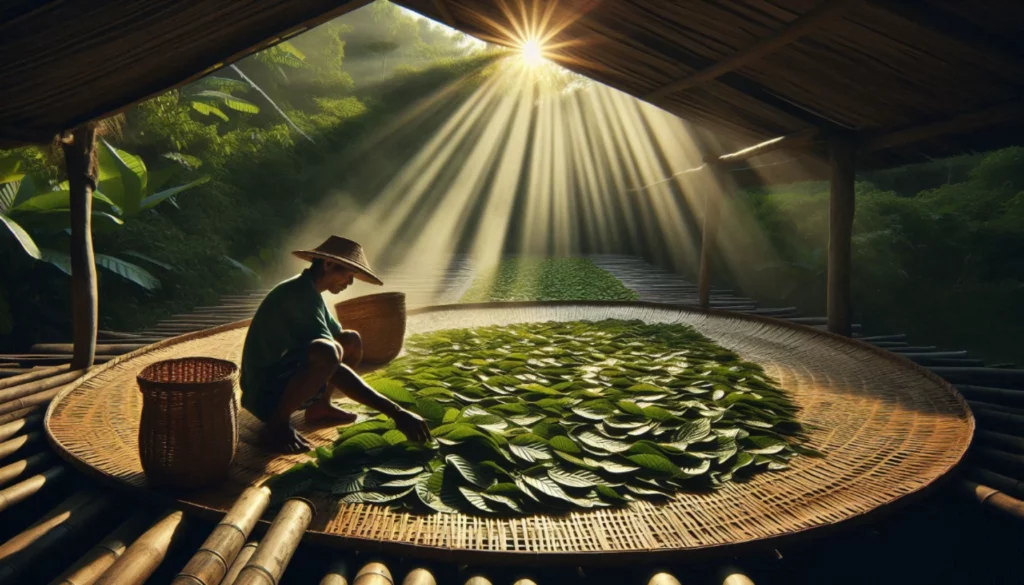
Kratom leaves drying on a bamboo mat, tended by a person in a traditional hat within a sunlit shelter
Drying Techniques and Their Impact on Colour
Once harvested, kratom leaves undergo drying, a critical step that significantly influences the final powder’s colour. The drying method, whether it involves sunlight, shade, or controlled indoor conditions, alters the leaf’s appearance by affecting its chemical structure. Here’s how different techniques contribute to kratom powder colour variations:
Sun-Drying: Exposing leaves to direct sunlight is a traditional method that often produces darker powders. The intense heat and UV rays accelerate oxidation, breaking down chlorophyll and other compounds, which can shift green leaves toward brown or reddish hues. Red vein kratom is frequently sun-dried to enhance its deep, warm tones.
Shade-Drying: Drying leaves in shaded, well-ventilated areas preserves more of the leaf’s natural green colour. This gentler process minimises oxidation, retaining chlorophyll and resulting in brighter, more vibrant powders. Green vein kratom is often shade-dried to maintain its fresh, lively appearance.
Indoor Drying with Humidity Control: Some producers use indoor drying with controlled humidity to fine-tune the powder’s colour. High humidity can mimic fermentation-like conditions, darkening the leaves, while low humidity preserves lighter shades. This method allows for greater consistency, especially for white and green varieties.
The choice of drying technique depends on the desired outcome and regional traditions. For example, Indonesian farmers may favour sun-drying for red kratom, while Thai producers might use shade-drying for green strains. These practices highlight how human intervention shapes kratom powder colour, adding another layer of complexity to the final product.
Fermentation: A Hidden Factor in Colour Variation
Fermentation is a lesser-known but impactful process that can dramatically alter kratom powder colour. In this method, leaves are placed in sealed bags or containers, allowing moisture and microbial activity to transform their chemical makeup. This controlled breakdown darkens the powder, often producing rich, reddish or golden hues.
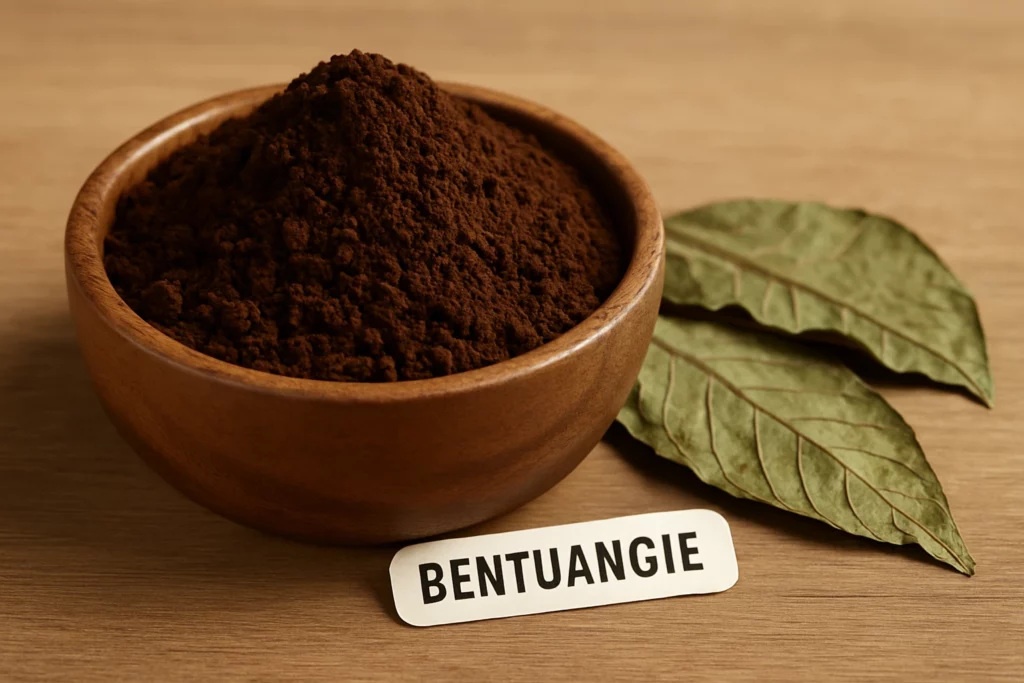
Bentuangie Kratom: A prime example of fermented kratom, bentuangie is made by fermenting red vein leaves in bags, creating a deep, chocolatey-brown powder. The fermentation process enhances the leaf’s darker tones, giving it a unique appearance compared to non-fermented varieties.
Yellow and Gold Kratom: These powders often result from partial fermentation or blending of fermented and non-fermented leaves. Yellow kratom, for instance, may start as green vein leaves that undergo a short fermentation period. Gold kratom can also be a blend of red and green powders, combining their colours to create a hybrid shade.
Fermentation not only changes colour but also adds depth to the powder’s visual appeal. However, it requires skill to balance moisture and time, as over-fermentation can lead to undesirable dark or muddy tones. This process underscores the artistry involved in crafting kratom powder, where every decision shapes the final look.
Environmental Influences on Kratom Powder Colour
Beyond human-controlled processes, environmental factors play a significant role in determining kratom powder colour. The Mitragyna speciosa tree thrives in the tropical climates of Southeast Asia, where soil, climate, and water quality vary across regions. These natural elements influence the leaf’s composition, contributing to colour differences.
Soil Composition: The mineral content of the soil affects leaf pigmentation. For example, iron-rich soils in Borneo may enhance reddish tones in mature leaves, while nutrient-poor soils in Sumatra might produce paler greens. These subtle variations create regional differences in powder colour.
Rainfall and Humidity: Wet, humid conditions can lead to lusher, greener leaves, while drier climates may result in more subdued hues. Seasonal changes in rainfall also impact leaf colour, with monsoon seasons often yielding brighter powders due to abundant moisture.
Altitude and Sun Exposure: Trees grown at higher altitudes or in partial shade tend to produce lighter, greener leaves, as they receive less intense sunlight. In contrast, lowland trees exposed to full sun may develop darker, more robust leaves, influencing the powder’s final shade.
These environmental factors create a natural diversity in kratom powder colour, even among leaves from the same strain. A green Maeng Da from Thailand might appear brighter than one from Indonesia, simply due to differences in terroir. This variability adds to the plant’s allure, making each batch a unique expression of its origin.
Bentuangie powder in a wooden bowl with accompanying leaves, featuring a clear label for identification.
The Myth of Colour as a Quality Indicator
While kratom powder colour is fascinating, it’s important to address a common misconception: that colour alone determines quality. Many users assume brighter powders are fresher or more potent, while darker ones are older or inferior. However, this isn’t always true. Colour is influenced by many factors, including maturity, drying, fermentation, and environment, so it can’t be a reliable gauge of quality on its own.
For instance, a dark red powder might result from expert sun-drying and fermentation, reflecting careful craftsmanship rather than age. Conversely, a bright green powder could be from a rushed harvest, lacking the depth of a more mature leaf. Quality depends on factors like proper handling, storage, and sourcing, not just appearance. Understanding this helps users appreciate kratom powder colour for what it is: a visual story, not a definitive measure of value.
The Role of Grinding and Particle Size
The final step in creating kratom powder, grinding the dried leaves, can also affect its colour. The fineness of the grind influences how light reflects off the powder, altering its perceived hue. Finely ground powders often appear brighter because they scatter light more evenly, while coarser grinds can look darker due to shadowing between particles.
Some producers use specialised grinding equipment to achieve a consistent texture, which enhances the powder’s visual appeal. For example, a finely ground green vein powder might seem more vibrant than a coarsely ground one, even if both come from the same batch. This subtle effect shows how even the final processing stage contributes to kratom powder colour.
Storage and Its Effect on Colour Over Time
After production, storage conditions can influence kratom powder colour. Exposure to light, air, or moisture can cause gradual changes, often darkening the powder. For instance, a bright green powder left in sunlight may fade to a duller shade, while improper sealing can lead to oxidation, deepening its colour.
To preserve kratom powder colour, it’s best stored in airtight containers in a cool, dark place. This maintains the powder’s original hue, ensuring it looks as fresh as when it was first ground. While these changes are mostly cosmetic, they remind us that kratom is a natural product, sensitive to its environment even after processing.
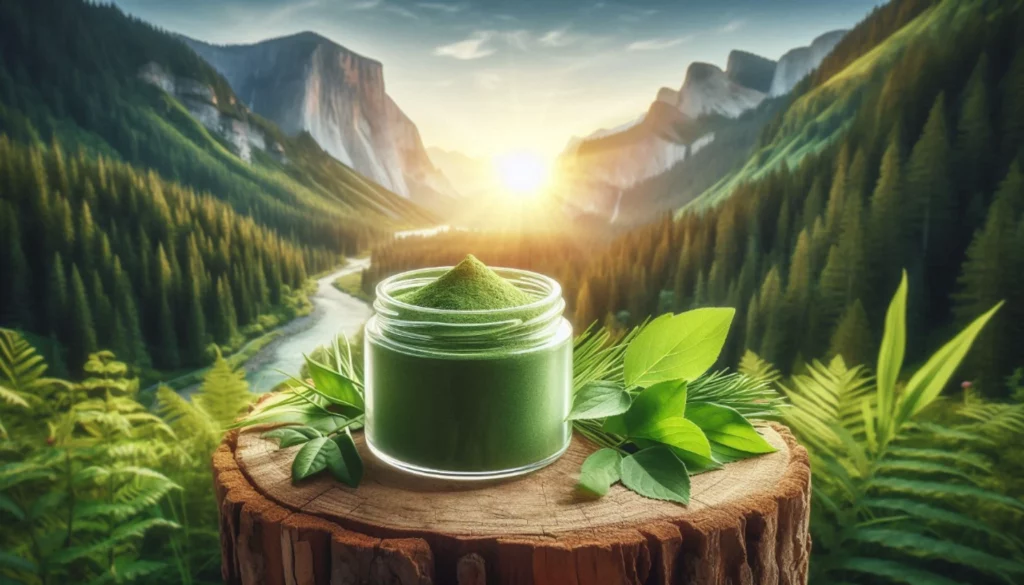
Kratom powder in a jar atop a wooden stump, framed by leaves with a serene mountain backdrop.
FAQ
Q: Why does kratom powder colour vary so much between batches? A: Kratom powder colour varies due to factors like leaf maturity, drying methods, fermentation, and environmental conditions. For example, young leaves produce lighter powders, while mature leaves yield darker hues. Sun-drying darkens powders, whereas shade-drying preserves green tones. Regional differences in soil and climate also contribute.
Q: Does a brighter kratom powder colour mean better quality? A: No, brighter colours don’t always indicate better quality. A vibrant green powder might be from young leaves or shade-drying, but quality depends on proper harvesting, processing, and storage, not just appearance. Darker powders can also reflect skilled craftsmanship, like fermentation.
Q: Can the same kratom strain have different colours? A: Yes, the same strain can vary in colour based on harvest timing, drying techniques, and regional growing conditions. For instance, green Maeng Da from Thailand might be brighter than one from Indonesia due to differences in soil or drying methods.
Q: How does fermentation affect kratom powder colour? A: Fermentation darkens kratom powder by allowing microbial activity and moisture to alter the leaf’s chemistry. This process, used in varieties like bentuangie, produces rich, reddish-brown or golden hues, distinct from non-fermented powders.
Q: Can improper storage change kratom powder colour? A: Yes, exposure to light, air, or moisture can darken kratom powder over time. Storing it in airtight containers in a cool, dark place helps preserve its original colour, maintaining its visual appeal.
Q: Are yellow or gold kratom powders natural, or are they dyed? A: Yellow and gold kratom powders are natural, typically resulting from partial fermentation or blending of red and green powders. No reputable producers use dyes; the colours come from processing techniques and leaf characteristics.
Q: Why do some regions produce darker kratom powders? A: Regions with iron-rich soils, intense sunlight, or traditional sun-drying practices, like parts of Borneo, often produce darker powders. In contrast, humid, shaded areas may yield brighter greens due to different environmental influences.
Exploring Kratom Powder Colour in Your Journey
As you jouney into the world of kratom, let colour be your guide, but not your only one. Notice the bright greens, deep reds, and golden hues, and consider the factors that created them. Ask questions about harvest practices, drying methods, and regional origins to deepen your understanding. By doing so, you’ll gain a richer appreciation for kratom powder colour and the intricate processes that bring it to life.
This guide isn’t just about aesthetics; it’s about connecting with a plant that has captivated people for generations. Whether you’re a newcomer or a frequent user, the story of kratom powder colour offers a fresh perspective, inviting you to see each scoop of powder as a unique creation of nature and tradition.
Disclaimer
The information provided in this blog is intended for informational purposes only and should not be considered as medical, health, or safety advice. Kratom (Mitragyna speciosa) is a botanical product that has not been approved by Health Canada or the U.S. Food and Drug Administration (FDA) for any medical use. The safety, efficacy, and long-term effects of kratom consumption are not fully studied, and its use may carry risks.
Kratom may interact with medications, supplements, or pre-existing health conditions, potentially causing adverse effects. Possible side effects of kratom use include nausea, dizziness, constipation, or dependency with prolonged use. Contaminated or improperly stored kratom may pose additional health risks, such as microbial contamination, which could lead to illness. Always consult a qualified healthcare professional before using kratom, especially if you are pregnant, breastfeeding, or have underlying medical conditions.
This blog does not substitute for professional medical advice, diagnosis, or treatment. Do not use kratom to treat, cure, or prevent any medical condition without guidance from a healthcare provider. Always store kratom in a safe, secure location out of reach of children and pets. If you experience any adverse effects from kratom use, discontinue use immediately and seek medical attention. The authors and publishers of this blog are not liable for any consequences resulting from the use, misuse, or storage of kratom.
On February 16, 2026, select provinces will observe regional holidays.
Canada Post will operate as normal and all shipments will be processed as usual.
FedEx will be closed in Prince Edward Island (Islander Day); Alberta, British Columbia, Ontario, Saskatchewan, and New Brunswick (Family Day); Manitoba (Louis Riel Day); and Nova Scotia (Heritage Day). FedEx shipments to these provinces will move the next business day.