Kratom Partial Agonist Properties: Benefits, Risks, and Responsible Use
Faust
Kratom has woven itself into the fabric of wellness communities worldwide, celebrated for its ability to ease discomfort, boost energy, and elevate mood. At the core of its fascinating effects lies kratom partial agonist properties, a scientific principle that reveals how this plant engages with the human body in a way that is both gentle and profound. For those drawn to kratom, whether you are just beginning your journey or have long embraced its potential, understanding its partial agonist nature is the key to unlocking its full value.
This intricate interplay between plant and physiology distinguishes kratom from other remedies, blending ancient tradition with modern science. By understanding this mechanism, users can approach kratom with the confidence to make informed choices, maximizing its benefits while respecting its nuances.
What Is a Partial Agonist?
To understand kratom’s partial agonist properties, we first need to unpack the concept of a partial agonist. In pharmacology, an agonist is a substance that binds to a receptor in the body, activating it to produce a biological response. Receptors are like locks, and agonists are the keys that turn them on. A full agonist, such as morphine, fully activates the receptor, producing a maximal response. Imagine turning a dimmer switch to its brightest setting, that’s a full agonist at work.
A partial agonist, however, only partially activates the receptor, even when it binds fully. It’s like turning the dimmer switch only halfway, resulting in a milder effect compared to a full agonist. This limited activation creates a ceiling effect, meaning that beyond a certain dose, increasing the amount of the substance doesn’t amplify the response. This property is central to kratom’s unique profile and sets it apart from traditional opioids.
Kratom’s primary alkaloids, mitragynine and 7-hydroxymitragynine (7-HMG), are partial agonists at the mu-opioid receptor, the same receptor targeted by many pain-relieving medications. However, their partial agonism, combined with interactions at other receptors, creates a complex effect that differs from conventional opioids, offering both therapeutic potential and a distinct safety profile.
How Kratom’s Partial Agonist Properties Work
Kratom’s effects stem from its alkaloids binding to various receptors in the brain and body. The mu-opioid receptor, which plays a role in pain relief, mood regulation, and reward, is the primary target for mitragynine and 7-HMG. As partial agonists, these alkaloids activate the receptor to a lesser degree than full agonists like oxycodone or heroin. This partial activation translates to analgesia and euphoria, but with a reduced intensity compared to stronger opioids.
Beyond the mu-opioid receptor, kratom interacts with other systems, including kappa- and delta-opioid receptors, where it may act as an antagonist, blocking or reducing activity. It also engages adrenergic receptors (linked to energy and alertness), serotonergic receptors (involved in mood), and dopaminergic pathways (related to reward and motivation). This multi-receptor activity contributes to kratom’s diverse effects, from stimulation at lower doses to sedation at higher ones.
The kratom partial agonist mechanism also influences how the body responds to repeated use. Full agonists often lead to rapid tolerance, where higher doses are needed to achieve the same effect, and dependence can develop quickly. Partial agonists, due to their ceiling effect, tend to cause tolerance and dependence more slowly, though these risks still exist with regular use. This nuanced interaction makes kratom a compelling option for some users seeking alternatives to traditional medications.
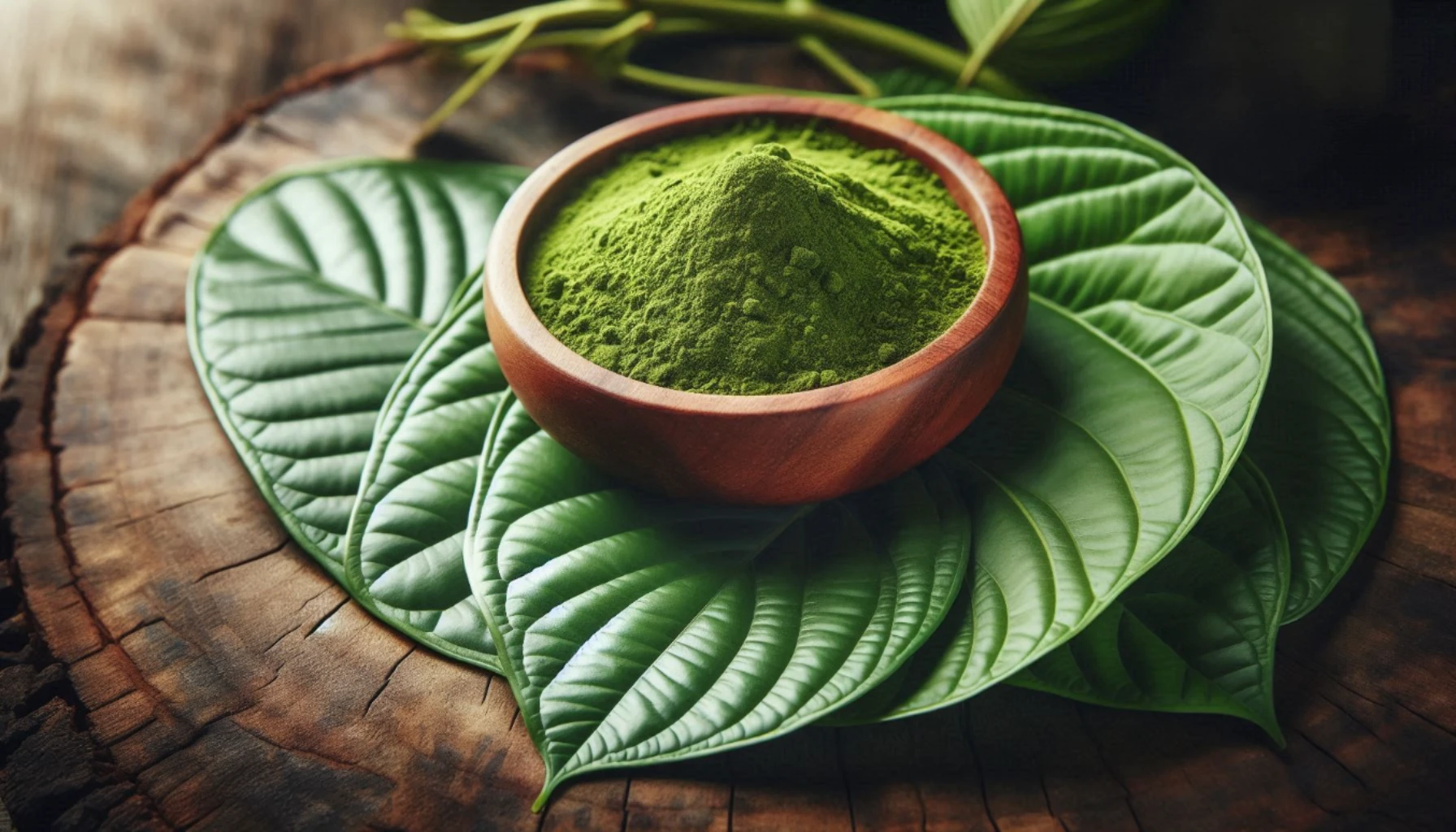
Glass container of kratom powder resting on the floor, with a stylish living room featuring plants and wooden decor.
Benefits of Kratom’s Partial Agonist Properties
Pain Relief with a Lower Risk Profile
For individuals managing chronic pain, kratom’s ability to provide analgesia through partial mu-opioid receptor activation is a key draw. Unlike full agonists, which can cause profound sedation or respiratory depression at high doses, kratom’s ceiling effect limits the intensity of these risks. Users often report effective pain relief without the overwhelming drowsiness or disorientation associated with stronger opioids, making it a functional option for daily use.
Mood Enhancement and Emotional Balance
Kratom’s interaction with serotonergic and dopaminergic systems, alongside its opioid receptor activity, can uplift mood and reduce feelings of anxiety or low energy. The partial agonist nature ensures these effects are subtle, avoiding the extreme euphoria that can lead to misuse. Many users describe a sense of calm focus or gentle optimism, which can be particularly valuable for those navigating stress or mild mood imbalances.
Energy and Focus at Lower Doses
At lower doses, kratom’s stimulation is driven by its adrenergic receptor activity, mimicking the effects of caffeine or other mild stimulants. The partial agonist properties at opioid receptors complement this by providing a smooth, sustained energy boost without the jitteriness of stronger stimulants. This makes kratom popular among those seeking enhanced productivity or stamina, particularly in labor-intensive settings.
Support for Opioid Withdrawal
One of kratom’s most discussed applications is its potential to ease opioid withdrawal symptoms. As a partial agonist, kratom can activate mu-opioid receptors enough to alleviate cravings, body aches, and restlessness without fully mimicking the effects of the withdrawn opioid. This partial activation, combined with a slower onset of tolerance, allows some users to taper off stronger substances more comfortably, though this use requires caution and professional guidance.
Reduced Risk of Severe Side Effects
The ceiling effect of partial agonists like mitragynine and 7-HMG reduces the likelihood of life-threatening side effects, such as respiratory depression, a leading cause of opioid-related fatalities. While kratom is not without risks, its partial agonist properties contribute to a lower potential for overdose when used responsibly, offering a safer profile for some users compared to full opioid agonists.
Risks and Considerations for Users
Potential for Dependence
Even with a slower onset, regular kratom use can lead to tolerance and dependence. The partial agonist effect at mu-opioid receptors means the body may still adapt to its presence, requiring higher doses over time to achieve the same effects. Withdrawal symptoms, such as irritability, muscle aches, or insomnia, can occur upon cessation, though they are often milder than those associated with full agonists.
Variability in Effects
Kratom’s multi-receptor activity and the variability in alkaloid content across strains (e.g., red, green, white) can lead to inconsistent effects. A dose that provides energy one day might cause sedation the next, depending on the strain, user’s physiology, or other factors. This unpredictability requires users to start with low doses and adjust gradually.
Side Effects
Common side effects of kratom include nausea, constipation, dizziness, and dry mouth, particularly at higher doses. While the partial agonist properties mitigate some risks, these side effects can still impact user experience. Staying hydrated and using kratom in moderation can help minimize discomfort.
Lack of Regulation
In Canada, kratom is legal but not regulated as a health product, meaning quality and purity can vary. Contaminants or inconsistent alkaloid levels can affect safety and efficacy. Purchasing from reputable vendors like Pharmakeia, which prioritize lab-tested products, is essential to ensure a consistent experience.
Drug Interactions
Kratom’s interaction with multiple receptor systems increases the risk of interactions with other substances, including medications. For example, combining kratom with sedatives or other opioids can amplify effects, potentially leading to adverse outcomes. Users should consult healthcare providers before combining kratom with prescription drugs.
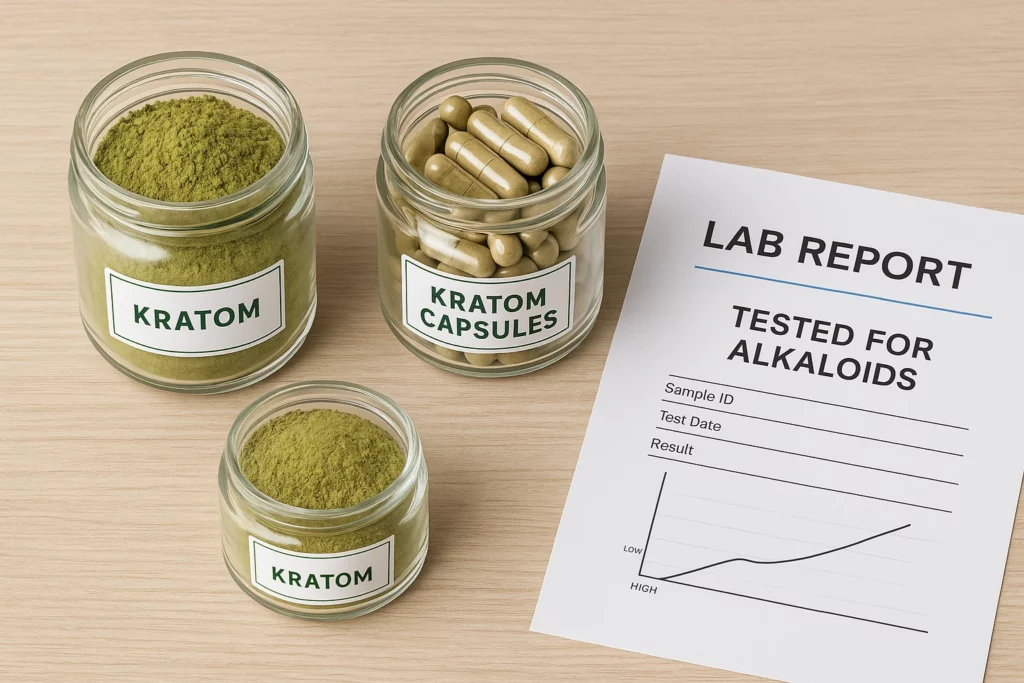
Jars containing kratom powder and capsules paired with a detailed lab report on a wooden table.
Kratom Partial Agonist vs. Full Agonist: A Comparison
To fully appreciate kratom’s partial agonist properties, comparing them to full agonists provides clarity. Full agonists, like morphine or fentanyl, bind to mu-opioid receptors with high efficacy, producing intense pain relief and euphoria but also significant risks. These include rapid tolerance, severe dependence, and a high potential for respiratory depression, which can be fatal at high doses.
Kratom, as a partial agonist, offers a milder effect profile. Its ceiling effect caps the maximum response, reducing the risk of extreme sedation or overdose. However, this also means kratom may not provide sufficient relief for severe pain compared to full agonists, making it better suited for mild to moderate conditions. Additionally, kratom’s broader receptor activity (e.g., adrenergic, serotonergic) creates a more multifaceted experience, blending pain relief with stimulation or mood enhancement, unlike the singular focus of most full agonists.
For users transitioning from full agonists, kratom’s partial agonism can serve as a bridge, offering enough receptor activation to manage withdrawal symptoms without replicating the full opioid experience. However, this transition should be approached with care, as individual responses vary, and professional support can optimize outcomes.
How Kratom’s Partial Agonist Properties Shape User Experience
The kratom partial agonist mechanism directly influences how users perceive and utilize the plant. At low doses (1-3 grams), kratom often feels stimulating, akin to a strong cup of coffee, due to its adrenergic and mild opioid receptor activity. Users report increased focus, sociability, and physical energy, making it a favorite for tasks requiring endurance or mental clarity.
At moderate doses (3-5 grams), the opioid-like effects become more pronounced, offering pain relief, relaxation, and a sense of well-being. The partial agonist ceiling ensures these effects remain balanced, avoiding the heavy sedation of full opioids. This dose range is popular for managing chronic pain or stress without compromising daily function.
High doses (5-8 grams or more) shift toward sedation, with stronger analgesia and a calming effect. However, the risk of side effects like nausea or dizziness increases, and the partial agonist properties may not provide the deep euphoria some users expect from higher doses, reinforcing the importance of moderation.
Strain selection also plays a role. Red vein strains, often higher in 7-HMG, lean toward sedation and pain relief, while green and white veins emphasize energy and focus. The partial agonist nature ensures these effects are nuanced, allowing users to tailor their experience based on needs and preferences.
The Future of Kratom and Partial Agonist Research
Kratom’s partial agonist properties have sparked interest in its potential as a therapeutic agent, particularly for pain management and opioid withdrawal. Researchers are exploring how its unique receptor profile might inform the development of safer analgesics that avoid the pitfalls of full opioid agonists. The absence of beta-arrestin recruitment, a pathway linked to respiratory depression in traditional opioids, is a promising avenue for investigation.
However, challenges remain. The lack of standardized dosing, variability in alkaloid content, and limited clinical data create gaps in understanding kratom’s long-term effects. In Canada, where kratom is sold as a natural health product, increased regulation and research could clarify its safety and efficacy, empowering users with reliable information.
For now, kratom’s partial agonist properties position it as a compelling option for those seeking plant-based alternatives. Its ability to balance efficacy with a reduced risk profile aligns with the growing demand for holistic solutions, but responsible use and education are critical to realizing its potential.
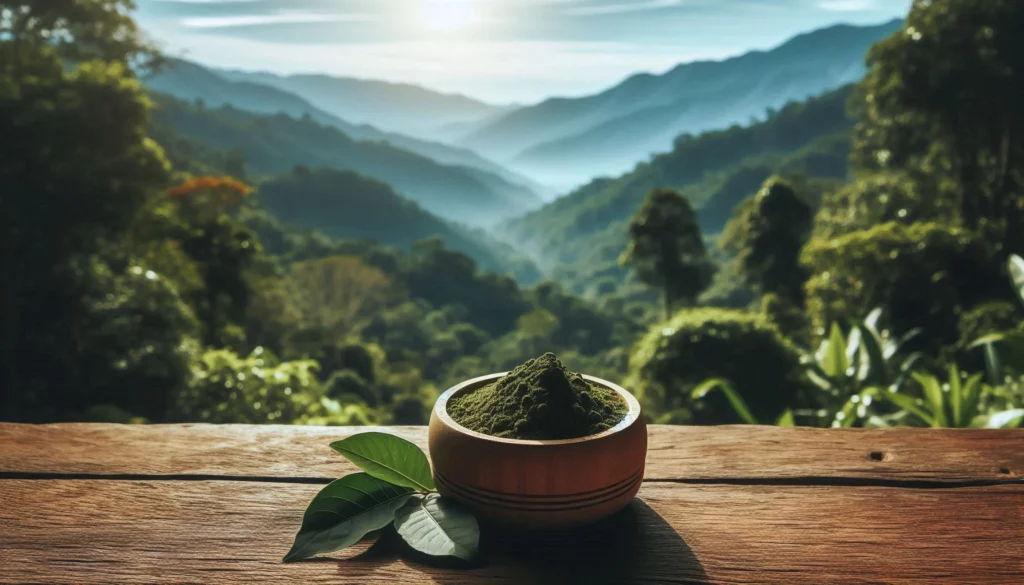
Fresh kratom powder in a wooden bowl, accompanied by fresh leaves, set against a scenic mountain backdrop.
FAQ
Q: What does it mean for kratom to be a partial agonist? A: Kratom’s partial agonist properties refer to its ability to partially activate mu-opioid receptors, producing milder effects like pain relief or mood enhancement compared to full agonists like morphine. This creates a ceiling effect, limiting the intensity of effects and reducing certain risks.
Q: How do kratom’s partial agonist properties affect its safety? A: The partial agonist nature lowers the risk of severe side effects, such as respiratory depression, due to its ceiling effect. However, risks like dependence or side effects (e.g., nausea) remain, so responsible use is essential.
Q: Can kratom’s partial agonist effects help with opioid withdrawal? A: Yes, kratom’s partial activation of mu-opioid receptors can ease withdrawal symptoms like cravings or discomfort, but it’s not a cure. Professional guidance is recommended to ensure safe use during withdrawal.
Q: Why do kratom’s effects vary between doses and strains? A: Kratom’s partial agonist properties, combined with its multi-receptor activity and varying alkaloid content in strains (e.g., red for sedation, white for energy), cause effects to differ based on dose, strain, and user factors.
Q: Is kratom’s partial agonist action similar to medications like buprenorphine? A: Both kratom and buprenorphine are partial agonists at mu-opioid receptors, offering milder effects than full opioids. However, kratom’s broader receptor interactions and lack of regulation make it distinct, with different uses and risks.
Q: How can I maximize the benefits of kratom’s partial agonist properties? A: Start with low doses, use lab-tested products from reputable vendors like Pharmakeia, stay hydrated, and take breaks to prevent tolerance. Avoid combining kratom with other substances to minimize risks.
Conclusion
Kratom’s partial agonist properties define its identity as a plant medicine, offering a bridge between traditional remedies and modern pharmacology. By partially activating mu-opioid receptors and engaging a web of other systems, kratom delivers pain relief, mood enhancement, and energy with a distinct profile that sets it apart from full agonists. While its benefits are compelling, the risks of dependence, side effects, and variability underscore the need for responsible use.
For Canadian users, kratom represents an opportunity to explore a natural alternative, but success lies in education and moderation. By understanding the kratom partial agonist mechanism, you can unlock its potential while respecting its limits, creating a balanced and informed relationship with this ancient plant. As research evolves and the kratom community grows, the partial agonist story will continue to shape its place in the world of wellness.
Disclaimer
This information provided in this blog is for informational purposes only. It is not intended as medical advice, diagnosis, or treatment. Kratom is a botanical substance not approved by Health Canada or other regulatory bodies as a therapeutic product, and its safety, efficacy, and long-term effects lack comprehensive clinical validation.
Kratom use involves potential risks, including nausea, constipation, dizziness, dehydration, tolerance, dependence, and withdrawal symptoms. While its partial agonist properties may reduce certain risks compared to full opioid agonists, these risks are not eliminated. Variability in alkaloid content, strain differences, and lack of regulation can result in inconsistent effects and possible contamination. Users should exercise caution, begin with low doses, and source kratom from reputable vendors offering lab-tested products to minimize risks.
Kratom may interact with medications or substances, particularly those affecting the central nervous system, such as sedatives, antidepressants, or opioids, potentially causing adverse effects. Individuals with pre-existing medical conditions, including liver, kidney, or cardiovascular issues, or those who are pregnant, breastfeeding, or taking prescription medications, should consult a qualified healthcare professional before using kratom.
Kratom is not a substitute for professional medical care, and its use for pain management, opioid withdrawal, or other health conditions should occur only under medical supervision. Neither the author, or publisher assume liability for any adverse effects or consequences resulting from the use of the information provided. Always prioritize your health by consulting a healthcare provider and making informed decisions based on your individual circumstances.
On February 16, 2026, select provinces will observe regional holidays.
Canada Post will operate as normal and all shipments will be processed as usual.
FedEx will be closed in Prince Edward Island (Islander Day); Alberta, British Columbia, Ontario, Saskatchewan, and New Brunswick (Family Day); Manitoba (Louis Riel Day); and Nova Scotia (Heritage Day). FedEx shipments to these provinces will move the next business day.