




For those exploring the world of kratom, a tropical plant known for its unique blend of stimulating and soothing effects, kratom nausea can be a frustrating hurdle. It can end up becmoing an uncomfortable side effect that can catch users off guard, turning an otherwise beneficial experience into a distressing one. This sensation, often described as a queasy stomach or an urge to vomit, is one of the most commonly reported drawbacks of kratom use. However, it is not an inevitable part of the experience. By understanding why kratom nausea occurs and adopting thoughtful strategies, users can minimize discomfort and fully embrace the plant’s potential.
Understanding Kratom Nausea
Nausea from kratom arises when the body reacts to the plant’s active compounds, primarily alkaloids like mitragynine and 7-hydroxymitragynine. These substances interact with opioid receptors in the brain and digestive system, which can trigger a range of responses. For some, this interaction leads to a soothing calm or heightened focus, but for others, it may activate the brain’s vomiting center, resulting in feelings of unease. The intensity of kratom nausea can vary from mild discomfort to severe queasiness, sometimes culminating in vomiting. Recognizing why this happens is the first step toward managing it effectively.
Several factors contribute to kratom nausea. The most common is dosage. Higher doses, especially those exceeding 8 grams, are more likely to overwhelm the body, leading to adverse reactions. New users, whose bodies are not yet accustomed to kratom’s alkaloids, are particularly susceptible. The method of consumption also plays a role. Swallowing raw kratom powder, often through a method known as “toss and wash,” can irritate the stomach lining, intensifying discomfort. Other factors, such as taking kratom on an empty stomach, dehydration, or using low-quality products, can further exacerbate the issue.
Individual sensitivity is another key consideration. Each person’s body responds differently to kratom’s alkaloids, influenced by factors like metabolism, tolerance, and even genetic predispositions. For instance, someone with a sensitive digestive system may feel nauseous even at moderate doses, while a seasoned user might tolerate higher amounts without issue. External factors, such as mixing kratom with other substances like alcohol or caffeine, can also amplify nausea, creating a perfect storm of discomfort.
Why Kratom Nausea Happens
To address kratom nausea, it’s essential to explore its root causes in greater detail. The interaction between kratom’s alkaloids and the body’s opioid receptors is central. These receptors, located in the brain, spinal cord, and gastrointestinal tract, regulate various physiological processes, including pain perception and digestion. When kratom activates these receptors, it can sometimes overstimulate the chemoreceptor trigger zone in the brain, which controls vomiting. This is particularly common in new users or those taking high doses, as the body struggles to process the influx of alkaloids.
The method of ingestion significantly influences the likelihood of nausea. The toss-and-wash technique, where users swallow dry kratom powder followed by a liquid, is notorious for causing stomach upset. The powder’s grainy texture and bitter taste can irritate the throat and stomach, triggering a gag reflex or prolonged discomfort. In contrast, consuming kratom in tea or capsules tends to be gentler on the digestive system, as these methods reduce direct irritation and allow for slower absorption.
Taking kratom on an empty stomach can also intensify its effects, including nausea. Without food to buffer the alkaloids, the body absorbs them more rapidly, leading to a stronger and sometimes overwhelming response. Dehydration, a lesser-known but critical factor, can worsen this. Kratom has diuretic properties, meaning it can increase urination and fluid loss. If users don’t drink enough water, this dehydration can amplify feelings of queasiness.
Recognizing the Signs of Kratom Nausea
Kratom nausea often begins with a subtle sense of unease in the stomach, which may escalate to dizziness, sweating, or a strong urge to vomit. Some users describe it as a heavy, unsettled feeling, while others experience it as sharp stomach cramps or acid reflux-like sensations. Accompanying symptoms might include lightheadedness, fatigue, or a general sense of discomfort. In severe cases, vomiting may occur, which, while unpleasant, often relieves the nausea by expelling the kratom from the stomach.
Paying attention to these early signs can help users act quickly to mitigate discomfort. For instance, noticing a slight queasiness after taking kratom might signal the need to pause, hydrate, or rest. Ignoring these warning signs can lead to more intense symptoms, making it harder to manage the experience. By staying attuned to their body’s signals, users can take proactive steps to address kratom nausea before it escalates.
Preventative Measures for Kratom Nausea
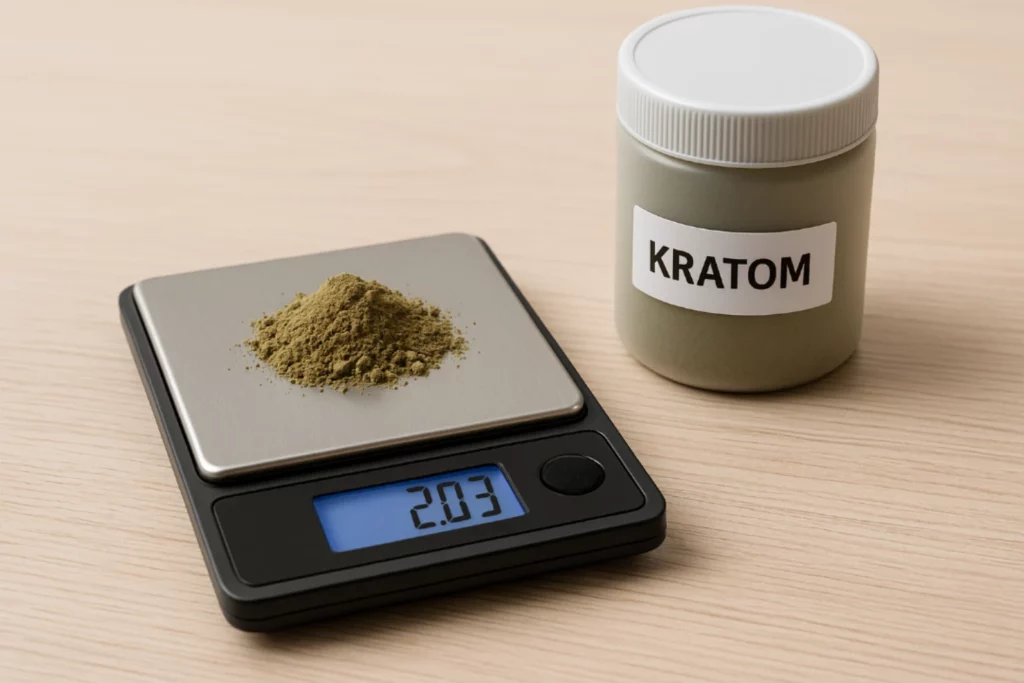
Preventing kratom nausea begins with thoughtful preparation and mindful consumption. One of the most effective strategies is starting with a low dose. For beginners, 1 to 2 grams of kratom is often sufficient to gauge the body’s response without overwhelming it. Gradually increasing the dose over time, as tolerance builds, allows users to find their sweet spot, a dose that delivers benefits without triggering nausea. Using a digital scale to measure doses precisely is critical, as eyeballing portions can lead to accidental overconsumption.
Choosing the right consumption method can also make a significant difference. Kratom tea, made by steeping powdered leaves in hot water and straining out the plant material, is gentler on the stomach than raw powder. Capsules offer another stomach-friendly option, as they dissolve slowly and reduce irritation. For those who prefer the toss-and-wash method, mixing kratom with a small amount of juice or yogurt can mask the bitter taste and ease digestion.
Timing meals appropriately is another key preventative measure. Taking kratom on a semi-full stomach, about an hour after a light meal, can buffer its effects and reduce the risk of nausea. Conversely, heavy, greasy, or spicy meals can exacerbate nausea, so they should be avoided around kratom use.
Staying hydrated is non-negotiable. Drinking water before, during, and after consuming kratom helps counteract its diuretic effects and supports digestion. Sipping water slowly throughout the day, rather than chugging large amounts at once, is more effective for maintaining hydration and preventing nausea. Adding a pinch of electrolyte-rich powder to water can further support the body’s fluid balance.
Selecting the right kratom strain can also influence nausea risk. Some strains, particularly red vein varieties high in 7-hydroxymitragynine, are more likely to cause nausea due to their sedative effects. White vein strains, known for their milder, energizing properties, may be less likely to upset the stomach. Experimenting with different strains under controlled conditions can help users identify which ones suit their body best.
The quality of kratom is another crucial element. Poor-quality or contaminated kratom, often sold by unreliable vendors, may contain impurities that upset the stomach. For example, kratom that is old, improperly stored, or mixed with additives can cause unexpected reactions. Choosing to buy kratom in Canada from reputable sources is a vital step in reducing nausea risk.

Managing Kratom Nausea When It Occurs
Even with the best preventative measures, kratom nausea can sometimes occur. When it does, quick action can help alleviate discomfort and restore balance. The first step is to stop taking kratom immediately. Giving the body a break allows it to process the alkaloids already in the system, often reducing nausea naturally over time.
Hydration remains a cornerstone of nausea management. Sipping small amounts of water every 10 to 15 minutes can help settle the stomach and counteract dehydration. Clear fluids like diluted broth or herbal teas, such as peppermint or chamomile, can also soothe the digestive system. Avoiding caffeinated or sugary drinks is wise, as they can irritate the stomach further.
Ginger is a time-tested remedy for nausea. Chewing on a small piece of fresh ginger root, sipping ginger tea, or taking ginger capsules can calm the stomach and reduce the urge to vomit. Ginger’s antiemetic properties work by blocking signals to the brain’s vomiting center, making it a powerful ally for kratom users. For those who find ginger’s taste too strong, candied ginger offers a sweeter, more palatable option.
Resting in a calm, quiet environment can also help. Lying down with a cool compress on the forehead or neck can reduce dizziness and promote relaxation. Gentle activities, like deep breathing or light stretching, can distract from nausea and encourage the body to settle. Avoiding sudden movements or bright screens is advisable, as these can worsen motion sickness-like symptoms.
Eating small, bland foods can sometimes ease nausea, particularly if the stomach feels empty. Plain crackers, rice, or a banana can provide gentle nourishment without overwhelming the digestive system. Probiotic-rich foods, like yogurt or kefir, may also support gut health and reduce irritation over time.
In rare cases, over-the-counter antacids or anti-nausea medications may be considered, but these should be used cautiously and only under medical guidance. If nausea persists for more than a few hours, becomes severe, or is accompanied by symptoms like chest pain or confusion, seeking medical attention is crucial to rule out underlying issues or kratom-related complications.
Long-Term Strategies for a Nausea-Free Experience
For regular kratom users, developing long-term habits can minimize nausea and enhance the overall experience. Building tolerance gradually is key. By starting with small doses and increasing them incrementally, users can acclimate their bodies to kratom’s effects, reducing the likelihood of adverse reactions. Taking regular breaks, such as a day or two off each week, can also prevent tolerance buildup, which often leads to higher doses and increased nausea risk.
Exploring different strains and consumption methods over time can help users find the combination that works best for them. Keeping a journal to track doses, strains, and reactions can provide valuable insights, allowing users to identify patterns and adjust accordingly. For example, noting that a specific strain or method consistently causes nausea can guide future choices.
Maintaining a healthy lifestyle supports kratom use. A balanced diet, regular exercise, and adequate sleep strengthen the body’s resilience, making it less prone to nausea. Staying mindful of hydration and avoiding substances that interact poorly with kratom, like alcohol or certain medications, further reduces risks.
Engaging with the kratom community can offer additional perspectives. Online forums and user groups provide a wealth of shared experiences, from strain recommendations to nausea remedies. While individual responses vary, these insights can inspire new approaches and foster a sense of connection among users.
Frequently Asked Questions About Kratom Nausea
Q: Can the time of day I take kratom affect nausea?
A: Yes, the timing of kratom consumption can influence nausea. Taking kratom in the morning, especially on an empty stomach, may increase the risk due to faster absorption. Consuming it after a light meal or later in the day, when digestion is more active, can help reduce discomfort.
Q: Does the form of kratom, like powder versus extract, impact nausea?
A: Extracts, being more concentrated, can increase the likelihood of kratom nausea compared to powder or capsules. Powders are less potent but can irritate the stomach if not mixed properly. Capsules or tea are often gentler options for sensitive users.
Q: Can I combine kratom with other herbs to prevent nausea?
A: Some users combine kratom with ginger or peppermint to reduce nausea risk. These herbs have soothing properties that support digestion. Always start with small amounts to ensure compatibility and avoid interactions.
Q: How long does kratom nausea typically last?
A: Kratom nausea usually subsides within 30 minutes to 2 hours, depending on the dose and individual response. If it persists beyond a few hours or worsens, consider hydration, rest, or medical advice.
Q: Is nausea a sign that my kratom dose is too high?
A: Nausea is often a signal of an excessive dose, especially for new users or those trying a new strain. Reducing the dose by 0.5 to 1 gram and monitoring the body’s response can help find a more comfortable level.
Q: Can hydration alone prevent kratom nausea?
A: While hydration is crucial, it may not fully prevent nausea if other factors, like high doses or poor-quality kratom, are at play. Combining hydration with proper dosing and consumption methods offers the best protection.
Q: Are there lifestyle habits that make kratom nausea worse?
A: Yes, habits like irregular eating, poor sleep, or high stress can make the body more sensitive to kratom’s effects, increasing nausea risk. A balanced lifestyle supports better tolerance and comfort.
Embracing Kratom with Confidence
Kratom nausea, while common, is not an insurmountable barrier. By understanding its causes, ranging from dosage and consumption methods to individual sensitivity and product quality, users can take proactive steps to prevent and manage it. Starting with low doses, choosing stomach-friendly consumption methods, staying hydrated, and sourcing high-quality kratom are foundational practices for a positive experience. When nausea does occur, remedies like ginger, rest, and bland foods can offer quick relief.
Over time, adopting mindful habits and listening to the body’s signals can transform kratom use into a rewarding and comfortable journey. With the right knowledge and strategies, users can navigate this challenge, unlocking the plant’s benefits while minimizing discomfort. By approaching kratom with respect and care, it’s possible to create a harmonious relationship with this unique botanical, tailored to individual needs and preferences.
Disclaimer
The information provided in this blog is intended for educational and informational purposes only and should not be construed as medical advice, diagnosis, or treatment. Kratom (Mitragyna speciosa) is a botanical substance that has not been approved by Health Canada or other regulatory bodies for medical use. Its safety, efficacy, and long-term effects are not fully studied, and its use may carry risks, including potential side effects like nausea, dizziness, or more severe health complications.
Individual responses to kratom vary widely, influenced by factors such as dosage, physiology, and existing health conditions. Users should exercise caution, particularly if they have pre-existing medical conditions, are pregnant or breastfeeding, or are taking medications, as kratom may interact with certain drugs or exacerbate health issues. Always consult a qualified healthcare professional before using kratom or making changes to your health regimen.
If you experience persistent or severe nausea, vomiting, or other concerning symptoms after consuming kratom, seek medical attention immediately. Additionally, kratom’s legal status varies by region, and users are responsible for ensuring compliance with local laws. The author and publisher are not liable for any adverse effects, health risks, or legal consequences resulting from the use of kratom or the application of the information provided in this blog.