



In a world increasingly drawn to natural solutions for health and vitality, natural stimulants have emerged as a compelling alternative to synthetic options. Among these, kratom, a tropical plant native to Southeast Asia, has gained attention for its unique ability to provide energy, enhance focus, and promote overall well-being. As people seek gentler, plant-based ways to boost their daily performance, kratom’s role in this shift toward natural stimulants is both fascinating and significant.
The Historical Roots of Kratom as a Natural Stimulant
Kratom’s story begins in the lush rainforests of Southeast Asia, where it has been used for centuries by indigenous communities in countries like Thailand, Malaysia, and Indonesia. Labourers and farmers chewed kratom leaves to combat fatigue during long working hours, much like how coffee is consumed in the West. The plant’s stimulating properties helped workers stay alert and productive, making it a staple in agricultural societies. Beyond its practical uses, kratom also held cultural significance, often incorporated into social gatherings and traditional ceremonies to foster energy and sociability.
Unlike modern energy drinks or synthetic stimulants, kratom was valued for its balanced effects. At low doses, it provided a gentle lift in energy and mood, allowing users to remain focused without the jittery side effects of caffeine. This historical use underscores kratom’s role as a natural stimulant, deeply rooted in a culture that prioritized harmony with nature. Today, as people rediscover plant-based remedies, kratom’s traditional applications resonate with those seeking sustainable ways to enhance their daily lives.
Understanding Kratom’s Effects on the Body and Mind
Kratom’s appeal as a natural stimulant stems from its complex interaction with the human body. The plant contains over 40 alkaloids, with mitragynine and 7-hydroxymitragynine being the most prominent. These compounds interact with various receptors in the brain, producing effects that vary depending on the dosage and strain. At lower doses, typically 1 to 5 grams, kratom acts as a stimulant, promoting alertness, energy, and mental clarity. Users often report feeling more focused and motivated, making it a popular choice for tasks requiring sustained attention.
The stimulating effects of kratom are distinct from those of caffeine or synthetic stimulants. While coffee can sometimes cause anxiety or a rapid heartbeat, kratom tends to provide a smoother, more sustained energy boost. Many users describe a sense of calm focus, where they feel energized yet relaxed, avoiding the overstimulation associated with other stimulants. This unique balance makes kratom particularly appealing to those who want to enhance productivity without sacrificing mental well-being.
At higher doses, kratom’s effects shift toward relaxation and pain relief, resembling the properties of opioids. However, its role as a natural stimulant is most pronounced at lower doses, where it aligns with the body’s natural rhythms. This versatility allows users to tailor their experience, choosing strains and dosages that best suit their needs, whether for a morning pick-me-up or a midday boost.

Why Natural Stimulants Are Gaining Popularity
The growing interest in natural stimulants reflects a broader societal shift toward wellness and sustainability. Many people are disillusioned with the side effects of synthetic stimulants, such as energy drinks or prescription medications, which can lead to crashes, dependency, or health complications. Natural stimulants, by contrast, are perceived as gentler and more aligned with the body’s natural processes. Plants like kratom, guarana, and yerba mate offer a way to enhance energy and focus without the artificial additives found in many commercial products.
This shift is also driven by a desire for transparency and control over what enters the body. Consumers today are more informed and selective, seeking products with clear origins and minimal processing. Kratom fits this trend perfectly, as it is derived directly from the leaves of the Mitragyna speciosa tree and can be consumed in forms like powder, capsules, or tea. Its natural composition appeals to those who prioritize clean, plant-based remedies over synthetic alternatives.
Additionally, the rise of natural stimulants is tied to the growing awareness of mental health. Many individuals are looking for ways to manage stress, anxiety, and fatigue without relying on pharmaceuticals. Kratom’s ability to enhance mood and provide energy makes it a candidate for those seeking holistic solutions to modern challenges. As people navigate demanding work schedules and busy lifestyles, natural stimulants like kratom offer a way to stay energized while maintaining balance.
Kratom’s Unique Strains and Their Stimulating Properties
One of kratom’s most intriguing aspects is its variety of strains, each offering distinct effects. The three primary vein colours, red, green, and white, refer to the age and properties of the leaves, with each strain providing a different experience. For those seeking natural stimulants, white and green vein kratom are particularly noteworthy.
White vein kratom is often praised for its energizing and uplifting effects. Users report increased alertness, motivation, and sociability, making it a favorite for morning routines or tasks requiring creativity and focus. White strains, such as White Maeng Da or White Thai, are often compared to a strong cup of coffee but with a smoother onset and longer-lasting effects.
Green vein kratom strikes a balance between stimulation and relaxation. Strains like Green Malay or Green Borneo provide a moderate energy boost alongside a sense of calm, making them ideal for individuals who want to stay productive without feeling overwhelmed. These strains are popular among students, professionals, and creatives who need sustained focus without the jitters.
Red vein kratom, while more associated with relaxation and pain relief, can still offer mild stimulation at lower doses. However, it is less commonly used for its stimulant properties compared to white and green strains. The diversity of kratom strains allows users to experiment and find the one that best aligns with their needs, further cementing its role in the natural stimulant movement.
The Role of Kratom in Modern Wellness Practices
As wellness culture continues to evolve, kratom has found a place among practices like yoga, meditation, and plant-based diets. Its ability to enhance energy and mood complements these holistic approaches, offering a natural way to support mental and physical vitality. Many users incorporate kratom into their daily routines, whether as a morning tea to kickstart the day or a midday capsule to maintain focus.
Kratom’s role in wellness extends beyond its stimulant effects. Some users report that it helps with stress management, providing a sense of calm that enhances overall well-being. This dual action, energizing yet soothing, makes kratom a versatile tool for those seeking balance in a fast-paced world. Unlike synthetic stimulants that can disrupt sleep or increase anxiety, kratom’s effects are often described as harmonious, supporting both productivity and relaxation.
The Science Behind Kratom’s Stimulant Effects
Kratom’s stimulating properties are driven by its interaction with the brain’s receptors, particularly at low doses. Mitragynine, the primary alkaloid, acts on adrenergic and serotonergic receptors, which are associated with energy, mood, and alertness. This interaction mimics the effects of other stimulants but with a key difference: kratom’s alkaloids are less likely to overstimulate the nervous system, resulting in a smoother experience.
The plant’s effects are also influenced by its synergy with other alkaloids. While mitragynine is the most abundant, trace alkaloids like speciogynine and paynantheine may contribute to the overall effect, though their roles are not fully understood. This complexity makes kratom a unique natural stimulant, as its effects are not solely dependent on a single compound, unlike caffeine or synthetic drugs.
The dose-dependent nature of kratom is another critical factor. At low doses, the stimulation of adrenergic receptors promotes wakefulness and focus, while higher doses shift toward opioid receptor activation, leading to relaxation. This duality allows users to fine-tune their experience, making kratom a flexible tool for managing energy and mood.
Kratom’s Cultural Impact and Modern Appeal
The rise of kratom in Western countries reflects a broader cultural shift toward embracing natural remedies. As people become more skeptical of pharmaceutical interventions, they are turning to plants like kratom for their potential to support health and well-being. Social media platforms and online communities have played a significant role in spreading awareness about kratom, with users sharing their experiences and tips for use.
This grassroots movement has helped destigmatize kratom, positioning it as a viable alternative to conventional stimulants. For many, kratom represents a return to nature, offering a way to enhance vitality without relying on synthetic chemicals. Its cultural significance is further amplified by its connection to traditional practices in Southeast Asia, which resonate with those seeking authentic, time-tested remedies.
Kratom’s appeal is also tied to its affordability and accessibility. Unlike prescription medications or high-end supplements, kratom is relatively inexpensive and widely available, making it an attractive option for those on a budget. This democratization of natural stimulants has contributed to kratom’s growing popularity, particularly among younger generations who value sustainability and self-reliance.
Kratom’s Place in the Future of Natural Stimulants
As the demand for natural stimulants continues to grow, kratom is poised to play a significant role in shaping the future of wellness. Its versatility, rooted in centuries of traditional use, makes it a compelling option for those seeking alternatives to synthetic energy boosters. Ongoing research into kratom’s pharmacology and effects will likely shed more light on its potential, helping to clarify its benefits and risks.
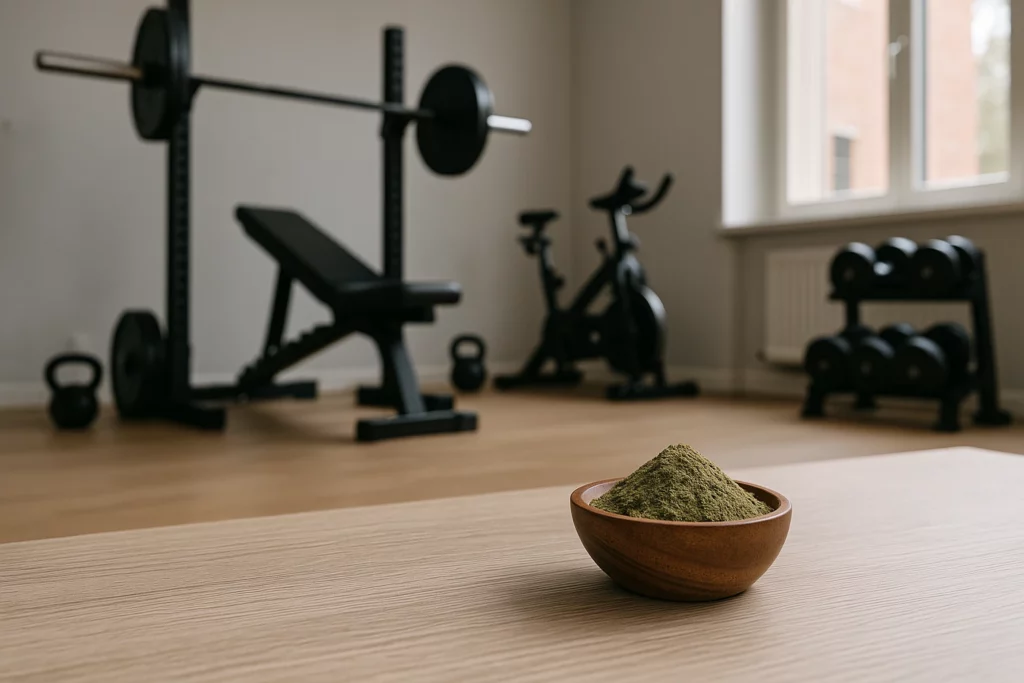
The plant’s integration into modern wellness practices also highlights its adaptability. Whether used as a morning tonic, a workout enhancer, or a tool for mental clarity, kratom offers a natural way to navigate the demands of contemporary life. Its ability to provide energy without the harsh side effects of synthetic stimulants positions it as a valuable addition to the natural health landscape.
However, the future of kratom will depend on responsible use and informed regulation. Educating consumers about proper dosing, strain selection, and sourcing will be crucial to ensuring its safe integration into wellness routines. As more people embrace natural stimulants, kratom’s role will likely expand, offering a bridge between traditional wisdom and modern needs.
Frequently Asked Questions About Kratom and Natural Stimulants
Q: What makes kratom different from other natural stimulants like caffeine?
A: Kratom’s unique alkaloid profile, particularly mitragynine, interacts with multiple brain receptors to provide a smoother energy boost compared to caffeine’s often abrupt effects. While caffeine can cause jitters or crashes, kratom offers a balanced experience, combining alertness with calm focus, especially at low doses.
Q: Can kratom be used daily as a natural stimulant?
A: While some users incorporate kratom into daily routines for energy and focus, moderation is key to avoid potential dependency. Starting with low doses and taking breaks can help maintain its effectiveness as a natural stimulant while minimizing risks.
Q: Which kratom strain is best for stimulation?
A: White vein strains, like White Maeng Da or White Thai, are typically the most energizing, offering alertness and motivation. Green vein strains, such as Green Malay, provide a balanced boost, making them suitable for those seeking both energy and calm.
Q: Is kratom safe to use with other natural stimulants?
A: Combining kratom with other stimulants like caffeine or guarana should be approached cautiously, as it may amplify effects or cause discomfort. Consulting a healthcare professional is recommended to ensure safe use, especially for those new to kratom.
Q: How can I ensure the kratom I use is high quality?
A: To ensure safety, source the best kratom in Canada from reputable vendors who provide lab-tested products free of contaminants. Look for transparency in sourcing and third-party testing to confirm purity, as quality varies widely in unregulated markets.
Q: Does kratom have side effects as a natural stimulant?
A: At low doses, kratom is generally well-tolerated, but some users may experience mild side effects like nausea or dizziness if the dose is too high. Starting with a small amount and staying hydrated can help minimize potential discomfort.
Conclusion: Embracing Kratom as Part of a Natural Lifestyle
Kratom’s role in the shift toward natural stimulants is a testament to the enduring appeal of plant-based remedies. Its ability to provide energy, enhance focus, and support well-being aligns with the values of a generation seeking sustainable, holistic solutions. From its historical roots in Southeast Asia to its modern applications in wellness culture, kratom embodies the potential of nature to empower and uplift.
As with any natural remedy, approaching kratom with respect and knowledge is essential. By understanding its effects, exploring its strains, and prioritizing quality, users can harness kratom’s benefits as part of a balanced lifestyle. In a world that often feels overwhelming, kratom offers a gentle yet powerful way to stay energized, focused, and connected to the natural world. Its rise reflects not just a trend but a deeper desire to live in harmony with nature, embracing stimulants that nurture both body and mind.
Disclaimer
The information provided in this blog about kratom and its use as a natural stimulant is for educational and informational purposes only and should not be considered medical advice. Kratom (Mitragyna speciosa) is a botanical substance that has not been approved by Healh Canada or other regulatory bodies for any medical use. The safety, efficacy, and long-term effects of kratom are not fully understood, and its use may carry risks, including potential side effects such as nausea, dizziness, or dependency with prolonged use.
Individual responses to kratom can vary based on factors such as dosage, strain, body chemistry, and pre-existing health conditions. Combining kratom with other substances, including medications or stimulants, may lead to adverse interactions. Before using kratom, individuals should consult a qualified healthcare professional, particularly if they have medical conditions, are pregnant or breastfeeding, or are taking medications.
Consumers are responsible for ensuring the quality and safety of kratom products by sourcing from reputable vendors who provide lab-tested, contaminant-free products. The use of kratom is subject to legal restrictions in some regions, and users should verify its legality in their jurisdiction. Neither the author nor the publisher assumes liability for any adverse effects or consequences resulting from the use of kratom or reliance on the information presented.