



The regulatory environment surrounding kratom in the United States continues to shift rapidly as state lawmakers weigh public health considerations against consumer access to this Southeast Asian botanical. Kratom has drawn increasing attention for its distinctive properties, resulting in a wide range of state-level policies. While it remains unscheduled and legal at the federal level as of late 2025, individual states have adopted markedly different approaches. Some have enacted complete prohibitions, others have implemented protective regulations, and many permit unrestricted sale and possession.
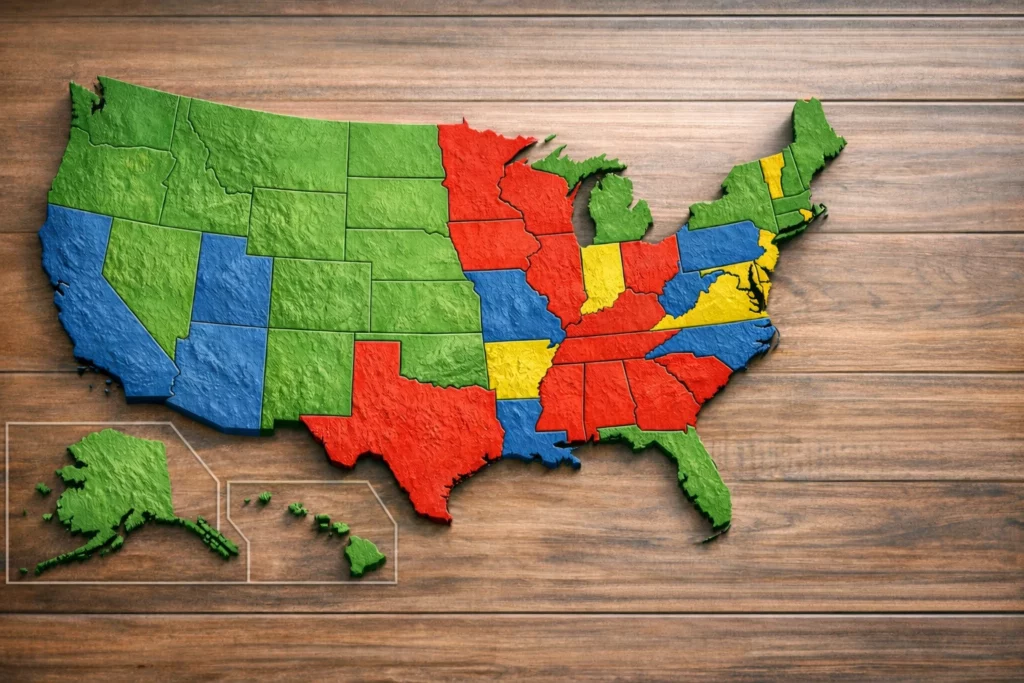
This varied patchwork of kratom legislation highlights ongoing discussions about safety, potential risks, and appropriate oversight. As of December 2025, seven states maintain full bans, often driven by concerns over unregulated products and health-related reports. Meanwhile, a rising number of states have embraced the Kratom Consumer Protection Act (KCPA), which introduces measures like labeling standards, age restrictions, and bans on adulterated products to promote quality without eliminating access.
Federal Overview: No Nationwide Ban in Place
At the federal level, kratom is not classified as a controlled substance. The Drug Enforcement Administration (DEA) considered emergency scheduling in 2016 but withdrew the proposal following significant public input. The Food and Drug Administration (FDA) has expressed concerns about kratom products, issuing warnings and detaining imports when necessary, but no blanket prohibition exists. In 2025, the FDA has focused on certain compounds like concentrated 7-hydroxymitragynine (7-OH), but this targets specific derivatives rather than the whole leaf.
This federal stance leaves regulation primarily to states, creating the varied environment seen today. Advocacy groups, public health officials, and lawmakers continue to monitor developments, with some pushing for more research and others favouring stricter controls.
States with Full Bans
Seven states have enacted complete prohibitions on kratom possession, sale, and distribution as of December 2025:
- Alabama: Banned since 2016, classifying kratom alkaloids as Schedule I substances.
- Arkansas: Prohibition in place, treating it similarly to controlled substances.
- Indiana: Long-standing ban since 2014, viewing it under synthetic drug laws.
- Louisiana: Statewide ban effective August 1, 2025, following passage of Senate Bill 154, reclassifying key alkaloids as Schedule I.
- Rhode Island: Ban in place since 2017; a new regulation act was passed in 2025 but does not take effect until April 1, 2026, so full prohibition remains for now.
- Vermont: Complete ban enforced.
- Wisconsin: Kratom prohibited statewide.
In these jurisdictions, violations can lead to criminal penalties, ranging from misdemeanors to felonies depending on circumstances. These bans often originated from early concerns about product consistency and reported adverse events.
States with the Kratom Consumer Protection Act
A growing trend favours regulation over prohibition. The KCPA establishes guidelines such as minimum age limits (typically 21), mandatory labeling, bans on synthetic or contaminated products, and testing requirements. As of late 2025, numerous states have implemented versions of this act:
- Arizona: Early adopter, focusing on manufacturing standards.
- Colorado: Enacted in recent years, with age 21 restriction.
- Florida: Enacted in 2023 with age 21 restriction; 2025 updates prohibit synthetics and limit 7-hydroxymitragynine to no more than 2% of total alkaloids, with exceptions in certain counties like Sarasota.
- Georgia: Implemented KCPA in 2019, with updates raising age to 21 in 2025.
- Nevada: Active KCPA provisions.
- Oklahoma: Regulated framework.
- Oregon: Regulated access.
- South Carolina: Recent adoption in 2025.
- Texas: Strengthened rules in recent years, limiting certain alkaloids.
- Utah: Long-standing KCPA.
- Virginia: Protective measures in place.
- West Virginia: Regulated framework.
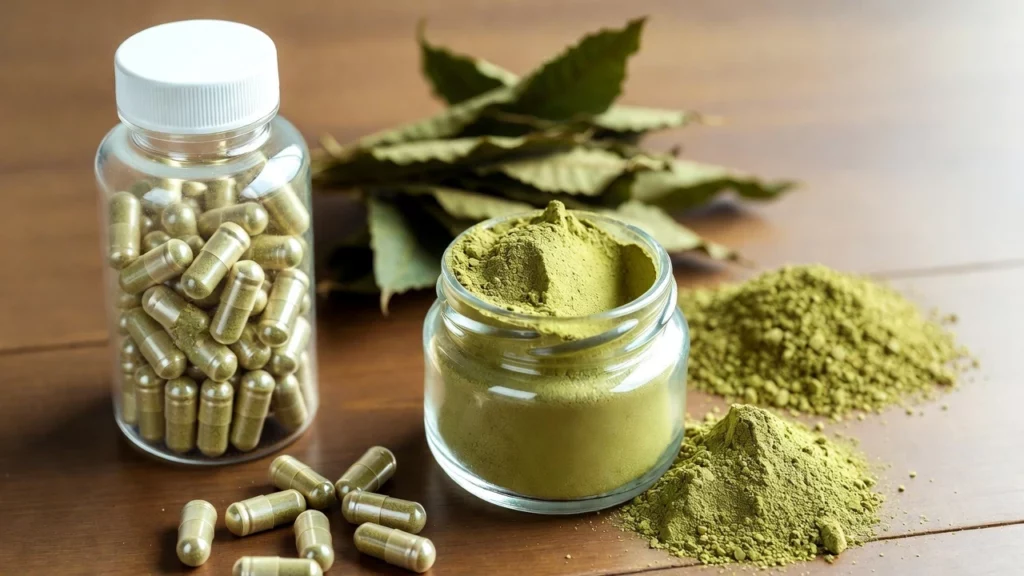
Additional states like Kentucky and Maryland have similar protections. These laws prohibit adulteration, require clear ingredient disclosure, and often impose penalties for non-compliance. The approach allows continued access while addressing quality issues.
States with Partial Restrictions or Local Bans
Even in generally permissive states, local ordinances or recent rules can create exceptions:
- California: Legal statewide, but banned in cities like San Diego and Oceanside.
- Illinois: Statewide age 18+ restriction, with municipal bans in several towns.
- Mississippi: Legal at state level with new 2025 age 21 rule and taxes, but prohibited in numerous counties.
- New Hampshire: Age 18+, except in certain locales.
- Ohio: As of December 12, 2025, an emergency rule bans most kratom products (all forms except those composed solely of pure mitragynine), making synthetics and concentrates illegal for 180 days while a permanent rule is considered.
- Tennessee: Age 21 statewide, with some city-level bans.
These localized or emergency rules highlight how kratom legislation can vary within a single state, requiring careful attention to specific areas.
Unregulated but Legal States
In many states, kratom faces no specific statewide laws beyond general consumer protections:
- Alaska: Legal, though some municipal discussions ongoing.
- Connecticut: Legal, with regulatory considerations.
- Delaware: No restrictions.
- Hawaii: Legal after failed 2025 bills.
- Idaho: Unregulated.
- Iowa: Legal.
- Kansas: Permitted.
- Maine: No statewide rules.
- Massachusetts: Legal.
- Michigan: Unrestricted.
- Minnesota: Legal.
- Missouri: Permitted, pending potential KCPA.
- Montana: Legal after study resolutions.
- Nebraska: No laws.
- New Jersey: Legal, with ongoing bills.
- New Mexico: Unregulated.
- New York: Legal, with 2025 age 21 sales restriction passed.
- North Carolina: Permitted.
- North Dakota: Legal, post-study.
- Pennsylvania: Legal.
- South Dakota: No rules.
- Washington: Permitted.
- Wyoming: Legal.
The District of Columbia also allows kratom with basic oversight.
Recent Developments Shaping Kratom Legislation
2025 saw notable activity. Louisiana’s ban marked a shift toward prohibition in some regions, while states like South Carolina advanced KCPA measures. Mississippi introduced age limits and taxes, and Georgia tightened age rules. In Ohio, a December emergency rule significantly restricted most products. Failed bills in Hawaii and Montana underscore the ongoing contention. Florida strengthened its existing regulations against synthetics.
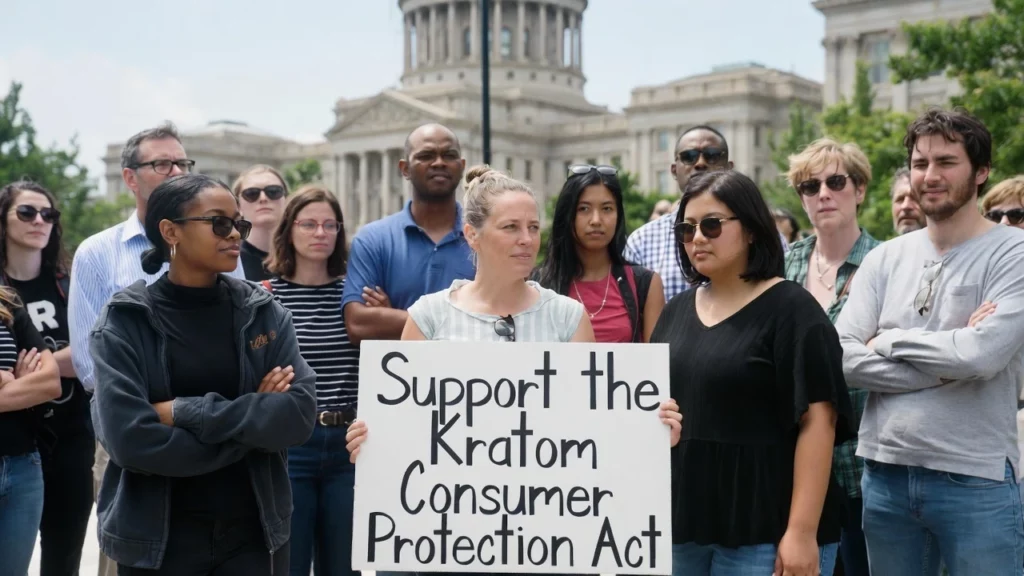
Local actions persist, with cities in permissive states occasionally imposing bans. Advocacy efforts promote the KCPA as a balanced solution, emphasizing transparency and safety without full restriction.
Why Kratom Legislation Varies So Widely
Differences arise from diverse perspectives on kratom’s role. Some view strict controls as necessary for public welfare, while others support regulated access. State legislatures respond to constituent feedback, health data, and economic considerations. This decentralized approach results in the current mosaic of rules.
Key Factors Influencing Kratom Legislation
The wide variation in state approaches stems from several interconnected factors that lawmakers consider when drafting or debating bills. Public health agencies, including the FDA and state departments, often highlight reports of adverse events, product contamination, and interactions with other substances. These concerns frequently drive proposals for bans or tight restrictions, particularly when linked to emergency room visits or isolated incidents.
On the other hand, input from constituents and organized groups plays a significant role in advocating for regulation rather than prohibition. Many states have received testimony emphasizing the importance of quality controls, such as independent testing and accurate labeling, to address safety issues while maintaining availability.
Legislative decisions also weigh the absence of comprehensive federal guidance, prompting states to act independently. Some jurisdictions prioritize consumer protection frameworks that include age limits and bans on synthetic analogs, viewing them as pragmatic alternatives to outright bans. Economic and enforcement considerations factor in as well, with debates over taxation, retail oversight, and the feasibility of monitoring compliance. Ultimately, these elements combine to produce the diverse regulatory environment observed today, where outcomes range from full prohibitions to detailed oversight mechanisms.
Resources for Monitoring Kratom Legislation Changes
Given the rapid evolution of kratom legislation, relying on a single guide can quickly become outdated. Readers are strongly encouraged to consult primary and authoritative sources for the most current information specific to their location.
- State Legislative Websites: Each state’s legislature maintains official databases of bills, laws, and session records. Searching for terms like “kratom” or specific bill numbers provides direct access to enacted laws and pending proposals.
- American Kratom Association (AKA): This advocacy organization closely monitors state-level developments and provides updated resources on bans, regulations, and the status of the Kratom Consumer Protection Act across the country.
- Legislative Analysis and Public Policy Association (LAPPA): A nonpartisan organization that publishes detailed summaries and model legislation related to emerging substances, including kratom.
- Federal Agencies: The FDA issues updates on kratom-related safety concerns and import alerts, while the DEA maintains kratom on its Drugs and Chemicals of Concern list (though it remains unscheduled).
- Local Ordinances: In states without statewide restrictions, individual cities or counties may have their own rules. Checking municipal codes or county health department websites is essential for location-specific accuracy.
By consulting multiple sources, individuals can confirm compliance and stay ahead of new enforcement actions or legislative proposals. Recent examples, such as Ohio’s December 2025 emergency restrictions, highlight why ongoing verification remains important.
Looking Ahead: Potential Future Changes
Kratom legislation remains dynamic. Rhode Island’s new regulation takes effect in 2026, potentially shifting it from banned status. Ohio’s emergency rule may lead to permanent changes. Pending bills in several states could expand KCPA adoption or introduce new restrictions. Federal research funding allocated in recent years may influence long-term policy. Monitoring annual sessions is advisable for the latest shifts.
Frequently Asked Questions About Kratom Legislation
Q: Is kratom illegal at the federal level in the United States?
A: No. As of December 2025, kratom remains unscheduled and legal at the federal level. The DEA withdrew its 2016 scheduling intent, and while the FDA has issued warnings and targeted certain concentrated products like 7-hydroxymitragynine (7-OH), there is no nationwide ban on natural kratom leaf products.
Q: How many states have completely banned kratom?
A: Seven states maintain full statewide bans: Alabama, Arkansas, Indiana, Louisiana (effective August 2025), Rhode Island (ban in effect until regulation begins April 2026), Vermont, and Wisconsin. Possession, sale, and distribution are prohibited in these states during the ban periods.
Q: What is the Kratom Consumer Protection Act (KCPA)?
A: The KCPA is model legislation adopted in over 20 states (and expanding in 2025 with additions like South Carolina and Mississippi) that regulates kratom sales. Key provisions include minimum age requirements (typically 21+), prohibitions on adulterated or synthetic products, mandatory labeling and testing for purity, and retailer registration to ensure consumer safety without outright prohibition.
Q: Can local cities or counties ban kratom even if the state allows it?
A: Yes. Even in states with statewide legality or KCPA regulation, local jurisdictions can impose bans. Notable examples include San Diego, Oceanside, and Newport Beach in California, as well as over 30 cities and counties in Mississippi despite recent statewide KCPA adoption.
Q: Is it safe to travel with kratom across state lines?
A: Caution is advised, as legality varies widely. Kratom permitted in one state may be illegal in another, including during travel through banned states. Always verify current laws for origin, destination, and transit areas, and consider risks of possession charges.
Q: Why do some states regulate kratom while others ban it?
A: State approaches differ based on public health priorities, scientific evidence debates, and advocacy efforts. Bans often cite potential risks like dependence or adulteration concerns, while regulation via KCPA reflects a balanced view prioritizing safe access, product quality controls, and consumer choice amid limited long-term data.
Q: How can I find out if a new law has passed in my state?
A: Monitor official state legislature websites, bill tracking services like LegiScan, or resources from advocacy groups such as the American Kratom Association (AKA) and the Legislative Analysis and Public Policy Association (LAPPA) for the latest updates on bills, enactments, and effective dates.
Conclusion
As of December 2025, the landscape of kratom legislation across the United States remains a complex and evolving patchwork, with seven states enforcing full bans, a growing number embracing consumer protection regulations through the KCPA, and many others maintaining unrestricted access. This diversity underscores the ongoing national conversation about balancing public safety, product quality, and individual choice.
Given how quickly laws can shift at both state and local levels, staying informed through reliable sources is the most practical step for anyone navigating this topic. By keeping up with developments, readers can better understand and adapt to the rules that apply in their own communities and beyond.
Disclaimer
This blog provides an overview of kratom legislation in the United States based on publicly available information as of December 2025 and is intended for informational and educational purposes only. It is not legal advice, and laws regarding kratom can change rapidly at federal, state, and local levels. Readers should always consult official state legislative websites, local ordinances, and authoritative sources such as the American Kratom Association or relevant government agencies to verify the current legal status in their jurisdiction before purchasing, possessing, or using kratom products.
Additionally, kratom is not approved by the U.S. Food and Drug Administration (FDA) for any medical use, and there are no FDA-approved kratom products on the market as drugs, dietary supplements, or food additives. The FDA has issued repeated warnings about potential serious health risks associated with kratom consumption, including liver toxicity, seizures, respiratory depression, substance use disorder, physical dependence, withdrawal symptoms, and in some cases, death (particularly when combined with other substances or in products containing concentrated or synthetic alkaloids like 7-hydroxymitragynine.
Reports of adverse events, contamination with heavy metals or bacteria, and interactions with other drugs further highlight safety concerns. Individuals considering kratom use should consult a qualified healthcare professional to discuss potential risks, benefits of evidence-based alternatives, and any underlying health issues. This information does not constitute medical advice, and personal health decisions should be made in consultation with licensed medical providers.
The author and publisher of this blog make no representations or warranties of any kind, express or implied, regarding the accuracy, completeness, or suitability of the information provided, and shall not be liable for any damages, losses, injuries, or claims arising from reliance on this content, including but not limited to any legal consequences or health-related issues.