


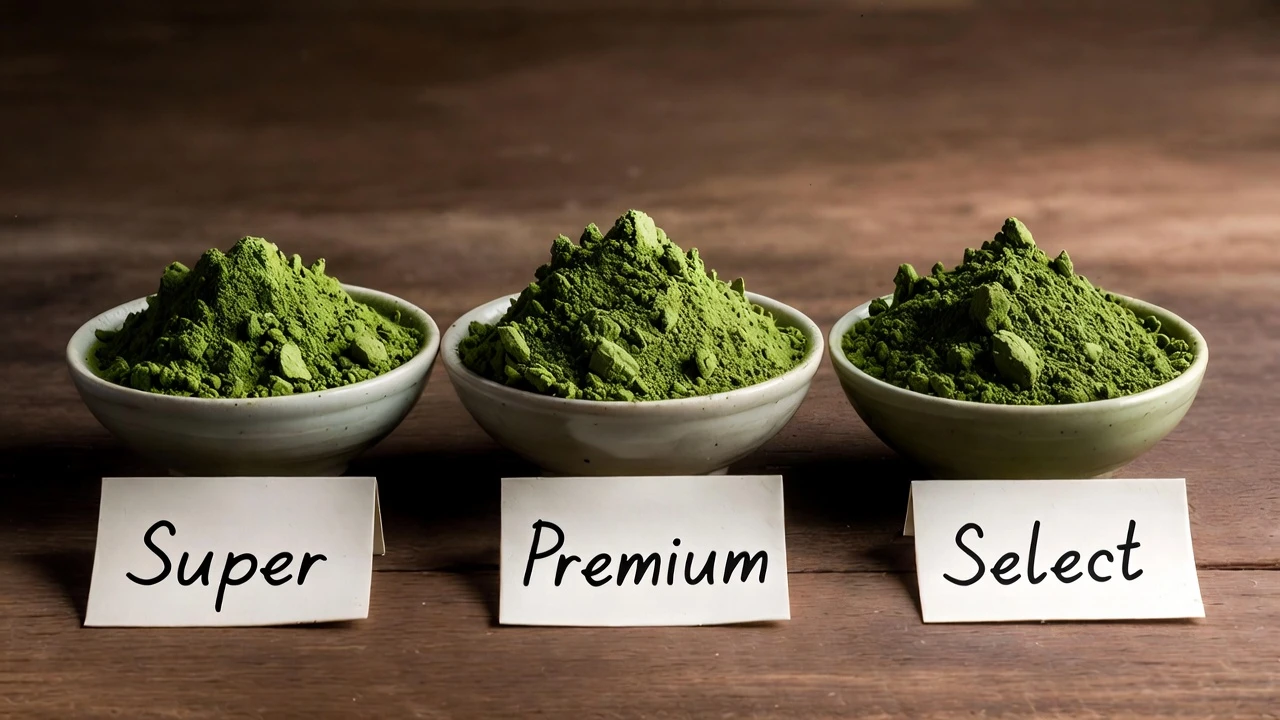

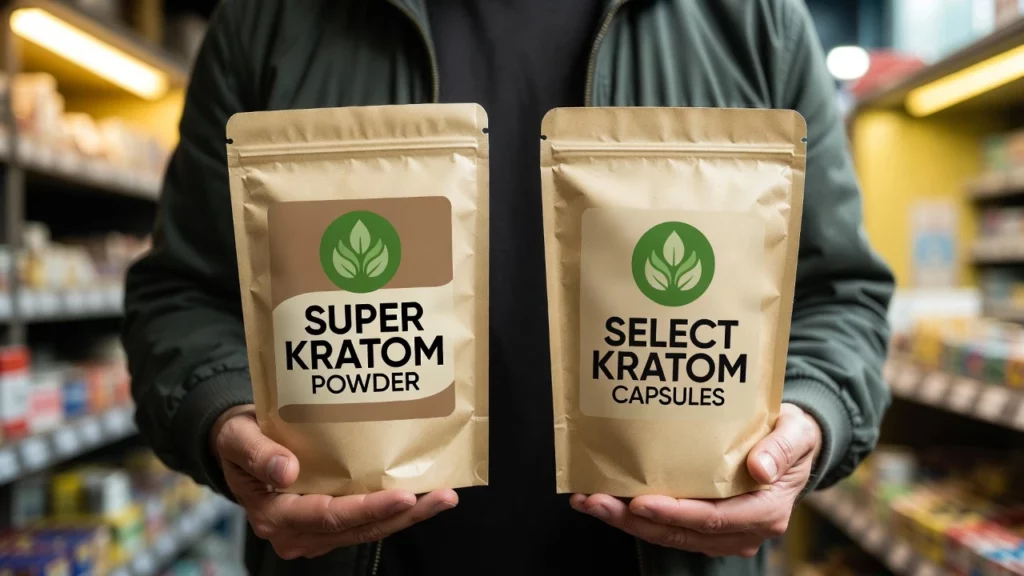
If you’ve browsed kratom products, you’ve likely seen labels like “premium,” “super,” and “select” attached to powders, capsules, or other forms. These terms appear everywhere, but they often leave newcomers wondering what they actually signify. The short answer is that kratom leaf grades are mostly vendor-specific descriptors designed to highlight perceived quality differences in the final product.
All kratom comes from the same plant species, Mitragyna speciosa, a tropical evergreen native to Southeast Asia. No official regulatory body defines or standardizes these grade terms across the industry, so their meaning can shift slightly from one supplier to another. Still, common patterns emerge based on harvesting, leaf selection, processing, and overall refinement. Understanding these labels helps you make more informed choices without getting lost in hype.
The Foundation: How Kratom Powder Is Made
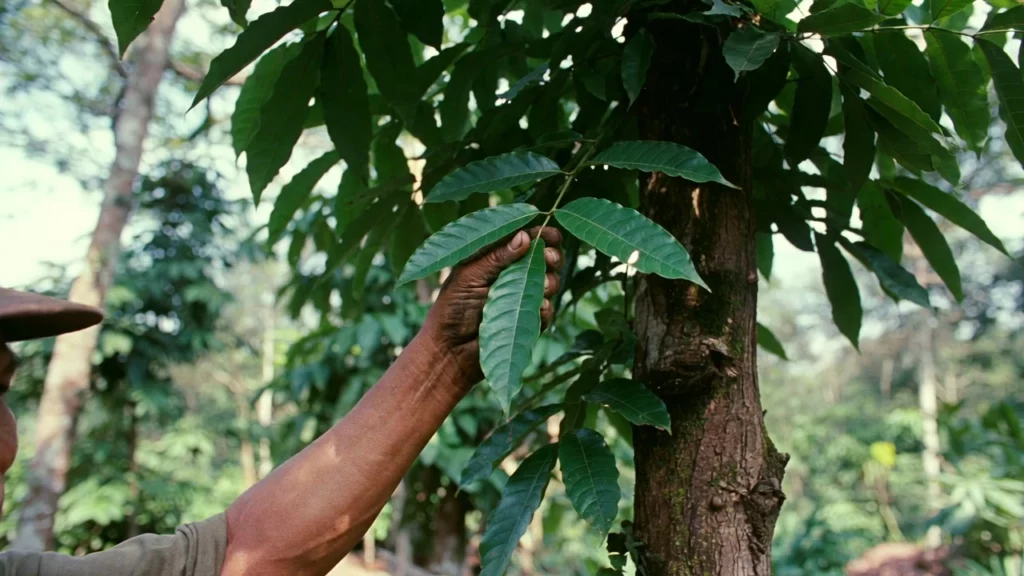
Kratom starts with leaves harvested from mature Mitragyna speciosa trees. Farmers in regions like Indonesia, Malaysia, Thailand, and Borneo hand-pick leaves at different maturity stages. After harvest, the leaves are cleaned, dried using various methods, de-veined (removing the central stem and veins in many cases), and ground into a fine powder.
Drying techniques play a huge role in the final characteristics. Leaves might dry indoors under controlled conditions, outdoors in sunlight, or through fermentation (common for darker varieties). Fermentation involves piling or bagging leaves to allow natural microbial activity, which darkens the material and alters its profile. Grinding follows, often with sieving to achieve consistent particle size. Finer powders dissolve better for teas or mixing, while coarser ones suit other preparation methods. Proper storage in airtight, light-proof containers preserves freshness and prevents degradation.
The primary active compounds in kratom leaves are alkaloids, with mitragynine being the most abundant in most batches (typically ranging from about 0.5% to 2% depending on factors like tree age, soil, and harvest timing). Other minor alkaloids contribute to the overall experience. Natural variation means no two batches are identical, even from the same farm.
Vein Colours: The Core Classification System
Before diving into grade terms like premium or super, it is essential to understand vein colours. These form the primary way kratom is categorized, and grade labels often build on top of them.
Red Vein Kratom
Red vein varieties come from fully mature leaves where the central vein has turned reddish. These leaves have developed over a longer period on the tree. Drying often includes sun exposure or fermentation, resulting in a darker powder (earthy green to reddish-brown tones). Many people associate red vein options with more relaxing, calming properties, often preferred for evening use or when seeking balance.
Green Vein Kratom
Green vein is harvested at an intermediate maturity stage, when the vein remains green. Drying typically happens indoors or in shaded areas to maintain a vibrant colour and balanced alkaloid makeup. This variety is frequently described as versatile, offering mild energy alongside some relaxation, making it suitable for daytime.
White Vein Kratom
White vein uses younger leaves or those processed to emphasize lighter tones. Indoor drying with minimal sun exposure helps retain certain characteristics. Users often turn to white vein for more uplifting, focus-oriented effects.
Yellow/Gold Vein Varieties
These are not true vein colours but result from specific processing. Yellow or gold vein kratom often involves blending red and green, extended drying, or fermentation of green leaves to create a unique tone and profile. They tend to fall somewhere in the middle in terms of effects. Vein colour influences the experience far more consistently than grade labels alone. A red vein product labelled “premium” will still lean toward relaxation, while a white vein “super” version emphasizes uplift.
What “Premium” Means in Kratom Leaf Grades
“Premium” is one of the most common descriptors and generally signals higher-end leaf selection and processing. Vendors use it to indicate leaves chosen for superior qualities, such as larger size, better maturity, or fewer imperfections.
In practice, premium kratom leaf grades often involve:
- Hand-picking from mature trees with fully developed alkaloid content.
- Selecting only the largest, most intact leaves while discarding damaged or immature ones.
- Stricter quality control during drying and grinding to ensure cleanliness and consistency.
- Sourcing from regions or farms known for fertile soil and optimal growing conditions.
This results in a powder that many find smoother, more uniform, and potentially richer in natural compounds. Some suppliers position premium as having higher average alkaloid levels through careful batch selection, though this varies naturally. The term helps differentiate from standard or commercial-grade options, which might include a broader mix of leaf qualities to keep costs lower. Premium does not mean “extract” or enhanced; it refers to refined plain-leaf powder. It is a way for vendors to highlight thoughtful curation in a market full of variability.
Decoding “Super” in Kratom Leaf Grades
“Super” frequently points to exceptional leaf size or enhanced refinement. The name often derives from “super” or “elephant” leaves, larger-than-average mature leaves that yield more material per leaf.
Common traits of super kratom leaf grades include:
- Harvesting the biggest, most mature leaves available in a crop.
- Extra steps like complete vein and stem removal for a purer powder.
- More refined milling and sieving for finer, more consistent texture.
- Higher standards in sorting to eliminate imperfections.
Because larger leaves tend to come from older trees with richer alkaloid development, super-labelled products are often perceived as more potent or full-bodied. Vendors might combine “super” with vein colours, like Super Green Maeng Da or Super Red Bali, to suggest an upgraded version of a standard strain. Like other terms, “super” lacks universal definition, but it consistently implies a step above basic offerings through selective harvesting and processing care.
Understanding “Select” in Kratom Leaf Grades
“Select” emphasizes careful curation and discernment. It suggests the vendor has hand-selected the best portions of a harvest, reserving top-quality material for these batches.
Features often associated with select kratom leaf grades:
- Strict sorting to include only the finest leaves.
- Batches with tighter quality checks during every stage.
- Sometimes positioned as mid-to-high tier, or as a specific subset of premium.
Some suppliers use “select” interchangeably with premium, while others treat it as a distinct category for exceptionally consistent or refined products. It conveys intentional choice, appealing to those who value reliability.
Factors That Truly Influence Quality
While labels provide clues, several underlying elements determine the final product:
- Tree maturity and harvest timing: Older trees with mature leaves generally offer more developed profiles.
- Alkaloid variation: Batch differences arise from environment, season, and handling.
- Processing consistency: Proper drying prevents mold or potency loss; clean grinding avoids contamination.
- Lab testing: Reputable sources provide third-party results for purity (heavy metals, microbes) and alkaloid content.
- Storage and freshness: Airtight packaging away from heat and light maintains quality.
These factors explain why experiences vary even within the same grade label.
Beyond the Labels: How to Evaluate Kratom Quality and Choose Wisely
While terms like premium, super, and select provide useful clues about a vendor’s selection and processing priorities, they remain subjective and non-standardized. The most reliable indicators of quality come from objective factors that any consumer can assess. Focusing on these elements allows you to look past marketing language and identify products that are likely safe, consistent, and true to their described profile.
Prioritizing Third-Party Lab Testing for Transparency
The single most important step in evaluating kratom is reviewing third-party laboratory results, often called Certificates of Analysis (COAs). Independent labs test for alkaloid content, primarily mitragynine, which typically ranges from about 0.9% to 2% in high-quality plain-leaf powder, along with the presence of contaminants such as heavy metals, pesticides, microbes, and pathogens.
Reputable suppliers make batch-specific COAs easily accessible, sometimes through QR codes on packaging or direct links on their websites. These reports offer concrete data that reveals actual potency and purity far more accurately than any grade label ever could. Without accessible testing, even a “premium” designation carries limited weight, as natural batch variation and potential issues like contamination cannot be verified otherwise.
Seeking Transparency in Sourcing and Processing Details
High-quality kratom vendors go beyond basic descriptions by sharing meaningful information about where and how their product is grown and handled. This includes specifics on the region or farm of origin, approximate tree maturity at harvest, drying techniques (such as indoor shade-drying versus sun exposure or fermentation), and whether stems and veins are fully removed.
When a supplier openly discusses these steps, perhaps noting hand-selection of mature leaves or controlled fermentation for red varieties, it demonstrates accountability and a deeper commitment to consistency. In contrast, vague claims like “best quality” without supporting details often signal lower standards.
Assessing Sensory and Visual Characteristics
Even without lab reports in hand, experienced users learn to evaluate powder through simple observation. High-quality kratom typically displays a vibrant, consistent colour. The grind should appear fine and uniform, free of large particles, stems, or visible debris. A fresh batch carries a clean, earthy, slightly herbal aroma rather than anything musty, sour, or overly chemical. These sensory cues, while subjective, align with proper harvesting, drying, and storage practices and can help confirm whether a product matches its vein and grade description.
Recognizing Common Red Flags in the Market
Certain warning signs can help steer clear of questionable products. Extremely low prices on items labelled as premium, super, or select often indicate lower-grade material or shortcuts in processing. Unrealistic claims, such as guaranteed extreme potency or effects far beyond what typical plain-leaf kratom delivers, rarely hold up under scrutiny.
Suppliers who refuse to provide testing information, pressure large purchases without allowing small trial amounts, or offer minimal transparency about origin should prompt caution. Batch-to-batch consistency also matters; trusted sources maintain records and strive for repeatability, acknowledging that even excellent farms experience natural variation due to weather, soil, and seasonal factors.
Understanding Batch Variation and Personal Experimentation
Kratom’s natural origins mean that no two harvests are exactly alike, even when labelled identically. Environmental conditions, harvest timing, and minor processing differences create subtle shifts in alkaloid balance and overall character. This reality reinforces the value of sticking with a transparent vendor over time rather than chasing the “strongest” label from batch to batch.
Individual response plays an equally large role, factors like body chemistry, tolerance, hydration, and even diet influence outcomes more than any marketing term. Starting with small amounts, tracking personal notes on different vein colours and sources, and rotating varieties thoughtfully helps build reliable knowledge over time. By emphasizing these practical evaluation methods, consumers gain greater confidence in their choices. Labels serve as entry points, but transparency, testing, and careful observation provide the foundation for safer, more satisfying experiences with kratom.
Frequently Asked Questions about Kratom Leaf Grades
Q: Are premium, super, and select kratom leaf grades regulated or standardized?
A: No, these terms are not regulated or standardized by any official authority. They are vendor-created marketing descriptors that can vary in meaning from one supplier to another. The lack of industry-wide standards means the value of these labels depends heavily on the individual vendor’s consistency and transparency.
Q: Does a higher grade like super or premium always mean stronger effects?
A: Not necessarily. While these grades often indicate more careful leaf selection, larger leaves, or refined processing, the actual experience depends far more on vein colour, batch alkaloid content, individual physiology, and tolerance than on the grade label alone. A well-processed green vein “super” may feel milder than a standard red vein batch.
Q: What is the difference between premium kratom leaf grades and enhanced products?
A: Premium refers to high-quality plain-leaf powder made from carefully selected and processed leaves with no added extracts. Enhanced products, on the other hand, have concentrated kratom extract added to increase alkaloid levels beyond what plain leaf naturally provides. They are a different category entirely.
Q: Can I trust alkaloid percentage claims on product labels without lab testing?
A: Claims without third-party lab verification should be approached cautiously. Natural alkaloid levels (especially mitragynine) vary between batches due to growing conditions and processing. Reputable suppliers provide batch-specific Certificates of Analysis (COAs) from independent labs to back up any potency-related statements.
Q: How much does origin (Bali, Borneo, etc.) affect kratom leaf grades?
A: Origin influences subtle differences through soil composition, climate, humidity, and local harvesting/drying traditions. However, these regional names do not determine grade labels directly. A premium Bali product and a premium Borneo product from the same vendor should reflect similar selection and processing standards, with vein colour remaining the dominant factor.
Q: Should I avoid kratom that doesn’t list a specific grade like premium or super?
A: Not necessarily. Many reliable vendors sell plain, ungraded kratom that is high quality when backed by transparency, testing, and good practices. The absence of a fancy grade label does not automatically mean lower quality. Focus on objective indicators like lab results and sourcing details instead.
Conclusion
The kratom market evolves with growing demand for clarity. Labels like premium, super, and select reflect efforts to showcase quality amid natural variability. They serve as helpful starting points rather than absolute guarantees. By grasping vein colours first and then layering on grade terms, you gain a clearer picture of what is available. This knowledge supports better exploration of the plant’s diverse offerings while appreciating the care involved from farm to powder.
Disclaimer
The information provided in this blog is for educational purposes only and is not intended as medical advice, diagnosis, or treatment recommendation. Consult a qualified healthcare professional before considering or using kratom, particularly if you have pre-existing medical conditions, are pregnant, breastfeeding, taking medications, or have a history of substance use issues.
Kratom is not authorized by Health Canada for sale as a natural health product, drug, food, or for any therapeutic or medicinal use in Canada. No products containing kratom or its active compounds, such as mitragynine and 7-hydroxymitragynine, have been approved or licensed by Health Canada. Health Canada has issued warnings highlighting that kratom may pose serious health risks when swallowed or inhaled, including potential effects similar to both narcotics and stimulants, with risks of abuse, addiction, and dependence.
Reported adverse effects include nausea, vomiting, drowsiness, constipation, dizziness, seizures, liver toxicity, heart problems (such as excessively rapid heartbeat), psychiatric effects, respiratory issues, and in severe cases, more serious complications. Long-term or heavy use may lead to tolerance, withdrawal symptoms, and increased potential for substance dependence. Kratom can interact with other substances, medications, or underlying health conditions, potentially heightening risks, and individual responses vary based on factors like dosage, frequency, personal physiology, and product variability or contamination.
The author and publisher are not liable for any loss, injury, claim, liability, damages, or costs of any kind arising out of or in any way related to the use of kratom, reliance on the information provided, or any actions taken based on this guide. Always prioritize third-party lab-tested products from transparent sources, be aware of Health Canada’s advisories and seizure actions regarding unauthorized kratom products.