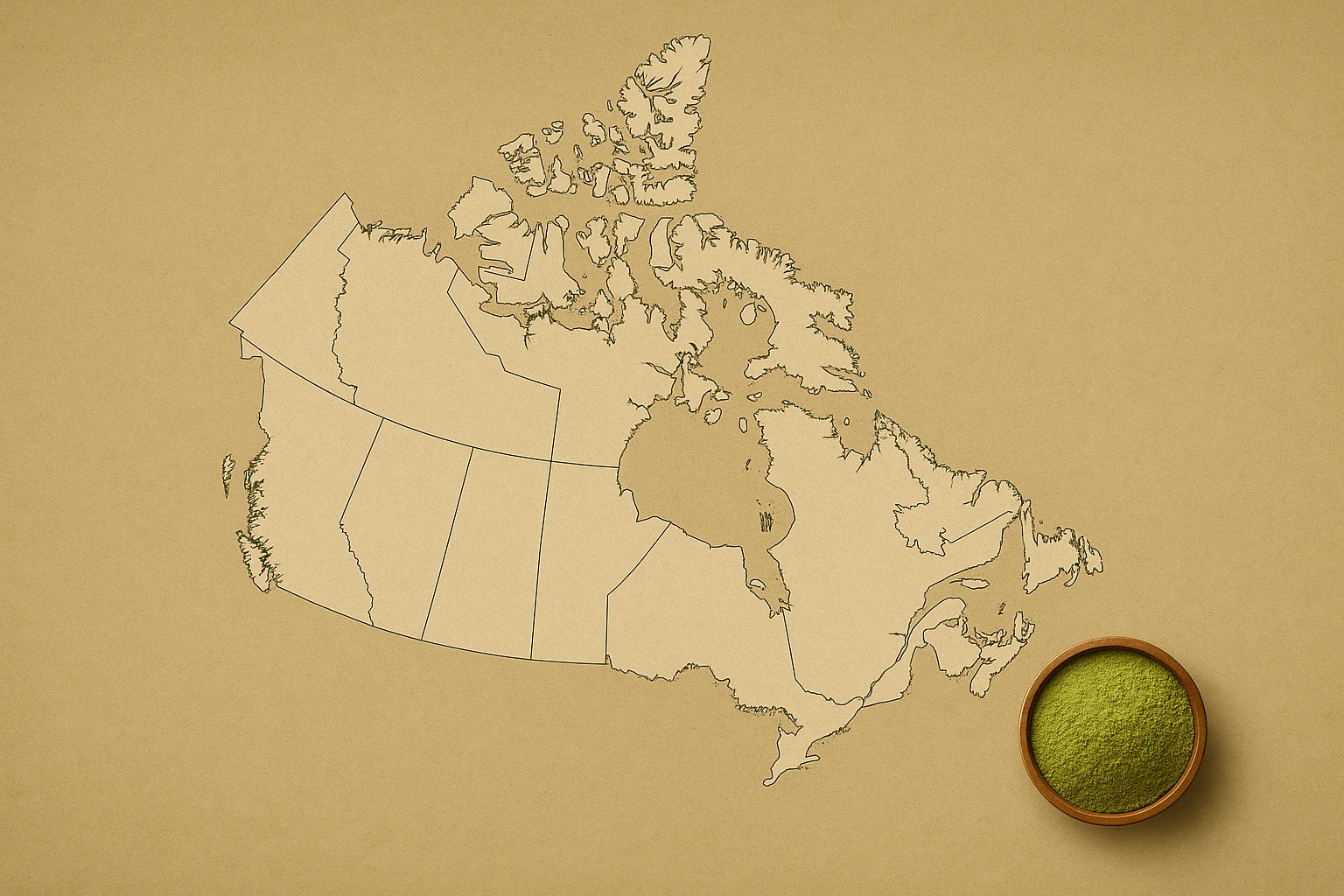
2025 Kratom Laws by Province: Updates To Keep You Informed
Faust
Kratom, a herbal product derived from the Mitragyna speciosa tree, has sparked curiosity and debate across Canada. Its unique properties, which range from stimulating effects at low doses to pain-relieving benefits at higher ones, have made it a popular choice for some seeking natural alternatives. However, navigating the legal landscape of kratom in Canada can feel like walking through a fog. The rules are complex, often unclear, and vary slightly depending on where you live. Understanding kratom laws by province is essential for anyone considering its use or purchase in 2025. This blog aims to clarify the current regulations, highlight provincial differences, and offer practical advice for staying compliant while exploring this controversial plant.
The Federal Landscape: Kratom’s Legal Status in Canada
Kratom is not listed under Canada’s Controlled Drugs and Substances Act, meaning it’s not a criminally prohibited substance. You can possess it, and buy it. However, Health Canada classifies kratom as an unauthorized natural health product. This means vendors cannot market or sell it as a consumable product, such as a dietary supplement or medication. The agency has raised concerns about potential health risks, including nausea, dependency, and liver toxicity, though these claims often lack extensive clinical backing. As a result, vendors label kratom products as “not for human consumption” to stay within legal boundaries.
Health Canada’s stance stems from the Food and Drugs Act, which requires all health products to be authorized before they can be sold for consumption. Kratom has not received this approval, and selling it as a consumable can lead to seizures, fines, or even criminal prosecution for vendors. These actions highlight the agency’s commitment to regulating kratom tightly, even as its popularity grows. The Canadian Food Inspection Agency (CFIA) also plays a role, overseeing the safety and quality of products entering the market, which further complicates the sale of kratom.
For consumers, this creates a paradoxical situation. You can legally buy kratom online in Canada or in specialty shops, but the product must be labeled for non-consumptive uses. In practice, many Canadians purchase kratom for personal use, and authorities rarely target individual buyers. However, staying informed about federal and provincial regulations is crucial to avoid legal pitfalls. With this federal context in mind, let’s examine how kratom laws by province shape the landscape in 2025.
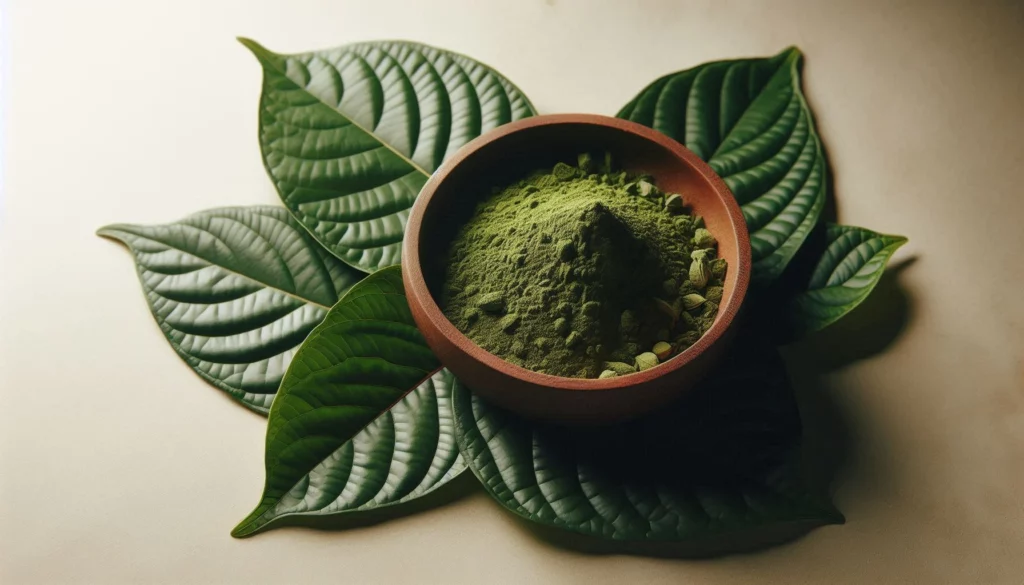
A wooden bowl filled with fresh green kratom powder, nestled among lush leaves
Kratom Laws by Province: A Detailed Breakdown
Canada’s provinces and territories operate under the federal framework, but local health authorities and regulations can influence how kratom is handled. Below, we explore the current status of kratom laws by province, highlighting any unique restrictions or enforcement trends. While the federal rules apply nationwide, provincial differences in labeling, sales, and public health approaches create a patchwork of regulations.
British Columbia: A Hub of Kratom Use
British Columbia (BC) is known for its progressive attitudes toward alternative medicines, and kratom has found a strong following here, particularly in cities like Vancouver. The province aligns closely with federal regulations, meaning kratom is legal to possess and purchase but cannot be sold for human consumption. Local health authorities, such as the BC Centre for Disease Control, have noted an increase in kratom-related calls to the BC Drug and Poison Information Centre, with 32 cases reported between 2012 and 2019. These calls often involved concerns about side effects or withdrawal, indicating growing use but no provincial ban.
BC has seen some local restrictions. For instance, some municipalities have cracked down on physical stores selling kratom without proper labeling. Vendors must ensure their products are marketed for research or aromatherapy to avoid scrutiny. Online sales remain the most reliable way to purchase kratom in BC, as long as vendors comply with Health Canada’s guidelines. Consumers should be cautious, as the province’s active health monitoring means unauthorized products can be seized quickly.
Alberta: A History of Enforcement
Alberta has a more contentious relationship with kratom, marked by high-profile enforcement actions. In 2017 and 2018, Health Canada raided stores in Edmonton, seizing kratom products from retailers. These actions were driven by the products’ lack of authorization for human consumption. Alberta follows the federal rules: possession is legal, but selling kratom as a consumable is not. The province’s history of raids suggests stricter enforcement compared to other regions, particularly for brick-and-mortar stores.
Consumers in Alberta can still access kratom through online vendors who label products appropriately. However, the province’s focus on combating the opioid crisis has put kratom under scrutiny, as some see it as a potential alternative to prescription painkillers, while others view it as a risky substance. Albertans should prioritize buying from reputable sources to avoid contaminated or mislabeled products, especially given the province’s proactive regulatory approach.
Manitoba and Saskatchewan: Minimal Restrictions
Manitoba and Saskatchewan follow the federal framework without significant provincial deviations. Kratom is legal to possess and purchase, but vendors cannot sell it for human consumption. These provinces have seen less enforcement activity compared to Alberta or BC, likely due to lower population density and less widespread kratom use. Online purchases remain the most common way to access kratom, and consumers should prioritize vendors with transparent labeling and third-party testing.
The lack of specific provincial regulations in Manitoba and Saskatchewan creates a relatively relaxed environment for kratom users. However, this could change if Health Canada tightens its stance or if local health authorities report increased concerns about kratom’s effects. For now, residents can use kratom with minimal legal hurdles, provided they adhere to federal guidelines.
Ontario: A Growing Market with Oversight
Ontario, Canada’s most populous province, is a major hub for kratom use, particularly in cities like Toronto. The province adheres to federal regulations, allowing personal possession and purchase but prohibiting sales for consumption. Health Canada’s oversight is evident here, with occasional seizures of unauthorized kratom products from stores in the Greater Toronto Area.
Ontario’s diverse population and large market mean kratom is widely available online and in specialty shops. However, vendors must navigate strict labeling requirements, ensuring products are marketed for non-consumptive purposes. The province’s regulatory environment is relatively stable, but consumers should stay vigilant about sourcing high-quality kratom, as the lack of regulation can lead to inconsistent product quality.
Quebec: Language Laws and Kratom
Quebec’s kratom laws align with federal regulations, but the province adds a unique twist with its language requirements. Under provincial law, all products, including kratom, must have French labeling to comply with Quebec’s language regulations. This means vendors selling in Quebec must ensure their packaging includes French descriptions and disclaimers, such as “not for human consumption.” Failure to comply can result in fines or product seizures.
Kratom is legal to possess and buy in Quebec, and its popularity is growing in cities like Montreal. Online vendors are the primary source, as physical stores face stricter scrutiny due to language and health regulations. Quebec’s proactive approach to consumer protection means buyers should verify that vendors meet both federal and provincial standards to ensure compliance and safety.
Atlantic Provinces: A Quiet Kratom Scene
In Atlantic Canada, comprising of New Brunswick, Nova Scotia, Prince Edward Island, and Newfoundland and Labrador, kratom use is less prevalent than in western or central Canada. The region follows federal regulations, with no provincial bans or additional restrictions reported in 2025. Possession and purchase are legal, but sales for consumption are prohibited, consistent with Health Canada’s rules.
The smaller market in Atlantic Canada means fewer physical stores sell kratom, making online vendors the primary source. Consumers in these provinces should focus on reputable suppliers to avoid issues with product quality or compliance. The lack of reported enforcement actions suggests a low-profile kratom scene, but staying informed about federal updates is still essential.
Northern Territories: Sparse Use and Regulation
The Yukon, Northwest Territories, and Nunavut have minimal kratom activity due to their small populations and remote locations. Federal regulations apply, allowing possession and purchase but prohibiting sales for consumption. The sparse population and limited retail infrastructure mean most residents rely on online vendors. Enforcement is rare, but Health Canada’s collaboration with the Canada Border Services Agency to monitor imports could affect shipments to these regions.
Consumers in the territories should ensure they buy from vendors who comply with federal labeling requirements. The harsh climate and logistical challenges of shipping to remote areas can also impact access, so planning ahead is key for kratom users in these regions.
Symbols of Canadian law including a flag, legal book, gavel, and scales of justice on a desk.
Navigating Kratom Purchases in 2025
Understanding kratom laws by province is only half the battle; knowing how to purchase kratom safely and legally is equally important. Here are practical tips for Canadians looking to buy kratom while staying compliant:
Choose Reputable Vendors: Look for online suppliers with a track record of compliance with Health Canada’s regulations. Reputable vendors label products as “not for human consumption” and provide clear disclaimers about their intended use.
Verify Product Quality: Since kratom is unregulated, quality can vary. Seek vendors who conduct third-party lab testing to ensure purity and rule out contaminants like heavy metals or pathogens. Lab reports should be accessible on the vendor’s website.
Understand Labeling: Legitimate kratom products will not claim health benefits or suggest consumption. Be wary of vendors making therapeutic claims, as this could signal non-compliance with Health Canada’s rules.
Stay Informed: Kratom’s legal status could shift as Health Canada and the CFIA continue to evaluate its safety. Monitor updates from these agencies or advocacy groups to stay ahead of potential changes.
Consider Provincial Nuances: In Quebec, ensure products have French labeling. In Alberta, be cautious of physical stores due to past enforcement actions. Across all provinces, online purchases are generally safer and more reliable.
The Future of Kratom Laws in Canada
The future of kratom laws by province remains uncertain. Advocacy groups are pushing for clearer, evidence-based regulations that could allow responsible use while addressing safety concerns. Some compare kratom’s potential trajectory to that of cannabis, which moved from prohibition to regulated legalization after extensive debate. However, Health Canada’s cautious approach suggests that any changes will be slow and heavily scrutinized.
Researchers and advocates argue that kratom’s benefits, such as pain relief and support for opioid withdrawal, warrant further study. Critics, including Health Canada, highlight risks like dependency and side effects, though these are often based on anecdotal reports rather than comprehensive data. The lack of large-scale clinical trials leaves kratom in limbo, with regulators hesitant to loosen restrictions without more evidence.
Provincial differences could also shape the future. British Columbia’s progressive stance might push for more lenient policies, while Alberta’s enforcement history suggests a stricter approach. Ontario and Quebec, with their large markets, could influence national policy if demand continues to grow. For now, Canadians must navigate the existing framework, balancing personal freedom with regulatory compliance.
Why Kratom’s Legal Status Matters
Kratom’s legal status affects more than just vendors and consumers; it reflects broader questions about how Canada regulates natural health products. The herb’s opioid-like properties make it a lightning rod for debate, especially amid the ongoing opioid crisis. Some see kratom as a potential tool for harm reduction, offering a less addictive alternative to prescription painkillers. Others view it as a risky substance that could exacerbate dependency issues if left unregulated.
For consumers, understanding kratom laws by province is about more than avoiding legal trouble, it’s about making informed choices. Knowing where to buy, what to look for, and how to stay compliant empowers users to explore kratom responsibly. It also encourages vendors to prioritize safety and transparency, fostering a healthier market.
Scenic river flowing past dramatic cliffs and dense pine forests under a partly cloudy sky.
FAQ: Understanding Kratom Laws in Canada
Q: Is kratom legal to use in Canada in 2025? A: Kratom is legal to possess and purchase for personal use across Canada in 2025, but it cannot be sold for human consumption. Health Canada classifies it as an unauthorized natural health product, so vendors must label it for non-consumptive purposes, like research or aromatherapy. Always check kratom laws by province to ensure compliance with local regulations.
Q: Can I buy kratom in physical stores in my province? A: It depends on the province. In provinces like British Columbia and Ontario, some specialty shops sell kratom, but products must be labeled as “not for human consumption.” In Alberta, enforcement actions have targeted physical stores, making online purchases safer. Quebec requires French labeling. Check local kratom laws by province for specific restrictions.
Q: Are there differences in kratom laws by province? A: Yes, while federal rules apply nationwide, provinces have unique nuances. Quebec mandates French labeling, Alberta has seen stricter enforcement, and Atlantic provinces have minimal activity. Understanding kratom laws by province helps you navigate these differences and avoid legal issues.
Q: Can I travel with kratom within Canada? A: You can travel with kratom within Canada for personal use, as possession is legal. However, ensure it’s properly labeled as a non-consumable product to avoid scrutiny. Be aware of provincial regulations, as enforcement may vary, especially in airports or border areas.
Q: How can I ensure I’m buying safe kratom in Canada? A: Choose vendors who comply with Health Canada’s labeling rules and offer third-party lab testing to verify purity. Avoid products with health claims, as these violate regulations. Researching kratom laws by province and sticking to reputable online suppliers minimizes risks of contaminated or mislabeled products.
Q: Could kratom laws change in the future? A: Yes, kratom’s legal status could evolve as Health Canada evaluates new research or public health data. Advocacy groups are pushing for clearer regulations, but changes depend on evidence and policy priorities. Stay updated on kratom laws by province through Health Canada or reliable advocacy sources.
Q: Is kratom regulated the same way as cannabis in Canada? A: No, kratom and cannabis have different legal frameworks. Cannabis is regulated under the Cannabis Act, allowing controlled sale and use. Kratom, as an unauthorized health product, cannot be sold for consumption, creating stricter sales restrictions. Kratom laws by province follow federal guidelines, unlike cannabis’s more defined system.
Q: Where can I find updates on kratom laws in my province? A: Monitor Health Canada’s website for federal updates and check provincial health authority announcements for local changes. Advocacy groups and online forums also share reliable updates on kratom laws by province, helping you stay informed about potential regulatory shifts.
Conclusion
Kratom’s legal status in Canada is a complex but navigable landscape. As of 2025, it remains legal to possess and purchase across all provinces and territories, but selling it for human consumption is prohibited under federal law. Provincial differences, such as Quebec’s language requirements or Alberta’s enforcement actions, add nuance to the picture. By understanding kratom laws by province, consumers can make informed decisions, choose reputable vendors, and stay compliant with regulations.
The debate over kratom’s place in Canada is far from over. As research evolves and public interest grows, the legal framework may shift toward either stricter controls or more balanced regulation. For now, staying informed and cautious is the best approach. Whether you’re in British Columbia or the quieter markets of Atlantic Canada, knowing the rules ensures you can explore this controversial herb responsibly. Keep an eye on updates from Health Canada and local authorities, and always prioritize safety and compliance in your kratom journey.
Disclaimer
The information in this blog about kratom laws by province in Canada as of 2025 is for general informational purposes only and is not legal, medical, or health advice. While efforts have been made to ensure accuracy, kratom’s legal status and regulations may change, and enforcement can vary by province and municipality. Readers should consult official sources, such as Health Canada, provincial health authorities, or legal professionals, to verify the current legal status of kratom in their region before purchasing, possessing, or using it.
Kratom (Mitragyna speciosa) is an unregulated substance in Canada, and its safety profile is not fully established. Potential risks of kratom use include nausea, dizziness, dependency, withdrawal symptoms, liver toxicity, and interactions with other medications or substances. Limited clinical research exists on kratom’s long-term effects, and individual responses can vary widely. Consumers should exercise caution and avoid using kratom without understanding its potential risks. Always purchase kratom from reputable vendors who provide third-party lab testing to ensure product purity and safety.
This blog does not endorse or recommend the use of kratom for medical or therapeutic purposes. Kratom is not approved by Health Canada as a natural health product or medication, and its use for health-related purposes may carry significant risks. If considering kratom for pain relief, opioid withdrawal, or any other health condition, consult a qualified healthcare professional before use. Do not use kratom as a substitute for prescribed medications or professional medical advice. The author and publisher of this blog are not responsible for any legal, health, or safety consequences arising from the use, purchase, or possession of kratom.
On February 16, 2026, select provinces will observe regional holidays.
Canada Post will operate as normal and all shipments will be processed as usual.
FedEx will be closed in Prince Edward Island (Islander Day); Alberta, British Columbia, Ontario, Saskatchewan, and New Brunswick (Family Day); Manitoba (Louis Riel Day); and Nova Scotia (Heritage Day). FedEx shipments to these provinces will move the next business day.