There are a few things that remain as a cornerstone of ensuring the safety, purity, and potency of the kratom products you choose. For those exploring the world of this plant medicine, understanding kratom lab reports can feel like deciphering a foreign language. Yet, with a bit of guidance, these documents become powerful tools for making informed decisions about the kratom you purchase and use. Whether you’re trying kratom for the first time or have experience under your belt, this blog will empower you to navigate the complexities of lab testing with confidence.
Why Kratom Lab Reports Matter
The importance of kratom lab reports cannot be overstated. These documents serve as a window into the quality of the kratom you’re considering, offering assurance that the product is free from harmful substances and consistent in its composition. Kratom is not regulated as a health product in Canada, which means vendors are not legally required to test their products. However, reputable suppliers voluntarily conduct rigorous testing to build trust with consumers. A comprehensive lab report can reveal whether a product is safe, pure, and potent, helping you avoid low-quality or contaminated kratom.
Lab reports are particularly crucial because kratom is a natural product that can vary widely based on factors like growing conditions, harvesting methods, and processing techniques. Without testing, there’s no way to know if a batch contains harmful bacteria, heavy metals, or unexpected additives. By relying on third-party lab reports, you gain peace of mind that the kratom you’re using aligns with your expectations for quality and safety. These reports also reflect a vendor’s commitment to transparency, a key indicator of their reliability in an unregulated market.
The Role of Third-Party Testing
Third-party testing is the gold standard for verifying kratom quality. Unlike in-house testing, which may be biased, third-party labs operate independently, ensuring objective and accurate results. These labs use advanced equipment and standardized protocols to analyze kratom samples, checking for contaminants and measuring alkaloid content. The resulting kratom lab reports provide a detailed breakdown of the findings, allowing consumers to assess the product’s safety and potency.
When a vendor commissions third-party testing, they send samples of their kratom to an accredited laboratory. The lab conducts a series of tests, often including microbial screening, heavy metal analysis, and alkaloid profiling. Accreditation, such as ISO 17025 certification, is a key indicator of a lab’s credibility, as it ensures adherence to strict quality standards. By choosing vendors who prioritize third-party testing, you reduce the risk of purchasing substandard or unsafe kratom.
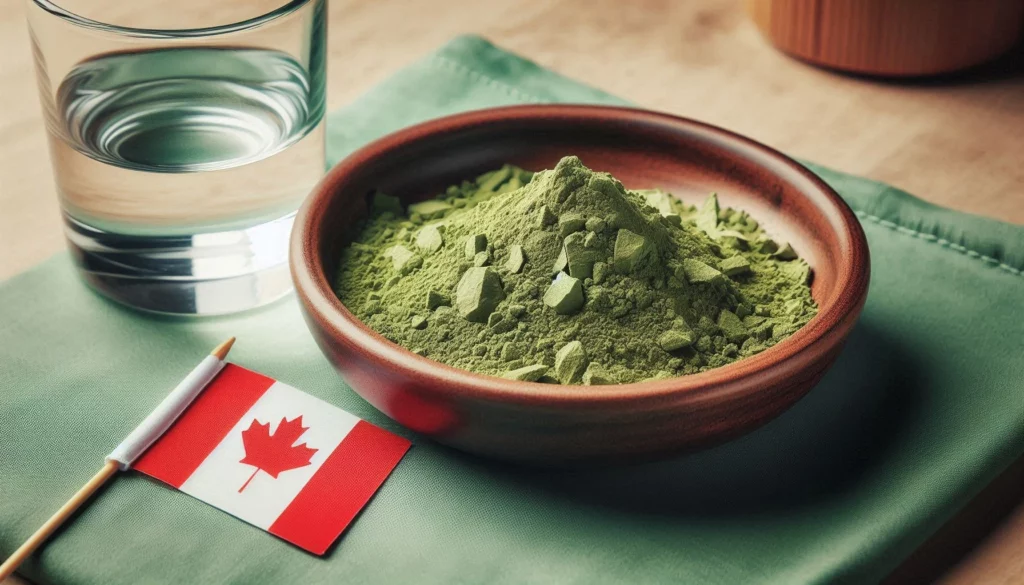
A wooden bowl of kratom sits beside a small Canadian flag and a glass of water on a green cloth.
Key Components of Kratom Lab Reports
To understand kratom lab reports, you need to know what to look for. Most reports include several key sections, each addressing a specific aspect of the product’s quality. Below, we break down the primary components you’ll encounter and explain their significance.
Alkaloid Content Analysis
Kratom’s effects are largely driven by its alkaloids, naturally occurring compounds found in the plant’s leaves. The two most prominent alkaloids are mitragynine and 7-hydroxymitragynine, which contribute to kratom’s unique properties, such as relaxation or energy. A lab report should specify the concentration of these alkaloids, typically expressed as a percentage of the total sample.
For example, a report might indicate that a batch contains 1.5% mitragynine and 0.05% 7-hydroxymitragynine. These figures help you gauge the potency of the kratom and ensure consistency across batches. Variations in alkaloid content can occur due to differences in strain, harvest timing, or processing methods, so reliable vendors test each batch to maintain uniformity. Understanding these numbers allows you to choose a product that aligns with your desired experience, whether it’s the calming effects of a red vein strain or the energizing boost of a white vein.
Microbial Screening
Microbial contamination is a significant concern for any botanical product, including kratom. During harvesting, drying, or storage, kratom leaves can be exposed to bacteria, yeast, or mold, which can pose health risks if present in high concentrations. Kratom lab reports typically include a microbial screening section that tests for pathogens like Salmonella, E. coli, and coliforms, as well as yeast and mold.
The report should list the results for each pathogen, often with a “pass” or “fail” designation based on acceptable safety thresholds. For instance, a report might show that Salmonella is “not detected,” indicating the batch is safe. If pathogens are present at unsafe levels, reputable vendors will discard the batch rather than sell it. Checking this section ensures the kratom you’re buying won’t expose you to harmful microorganisms.
Heavy Metal Testing
Heavy metals, such as lead, arsenic, cadmium, and mercury, can accumulate in plants through soil or water absorption. While trace amounts are often unavoidable, high levels can be toxic, leading to serious health issues over time. Kratom lab reports should include a heavy metal analysis, detailing the concentration of each metal in parts per million (ppm) or micrograms per gram (µg/g).
The report will compare these levels to safety thresholds established by organizations like the American Herbal Products Association (AHPA) or regulatory guidelines. For example, a report might show lead at 0.1 ppm, well below the AHPA’s limit of 0.6 ppm for raw botanicals. By reviewing this section, you can confirm that the kratom is safe for consumption and free from harmful contaminants.
Additional Tests
Some kratom lab reports may include tests for other contaminants, such as pesticides or residual solvents, especially for processed products like extracts. These tests ensure the product hasn’t been exposed to harmful chemicals during cultivation or manufacturing. While not all vendors test for these substances, their inclusion in a report is a sign of a vendor’s commitment to thorough quality control.
Another less common but valuable test is for adulterants or synthetic additives. Unscrupulous vendors may mix kratom with other substances to cut costs or enhance effects, which can be dangerous. A lab report that confirms the product is 100% pure kratom leaf provides added assurance of its authenticity.
How to Read a Kratom Lab Report
Now that you understand the components, let’s walk through the process of reading a kratom lab report. While each report may vary slightly in format, the following steps will help you interpret the information effectively.
Step 1: Verify the Lab’s Credibility
Start by checking the lab’s credentials. Look for the lab’s name, contact information, and accreditation status. A reputable lab will provide clear documentation of its qualifications, ensuring the results are trustworthy. If the report lacks this information or comes from an in-house lab, it may not be reliable.
Step 2: Check the Batch and Lot Number
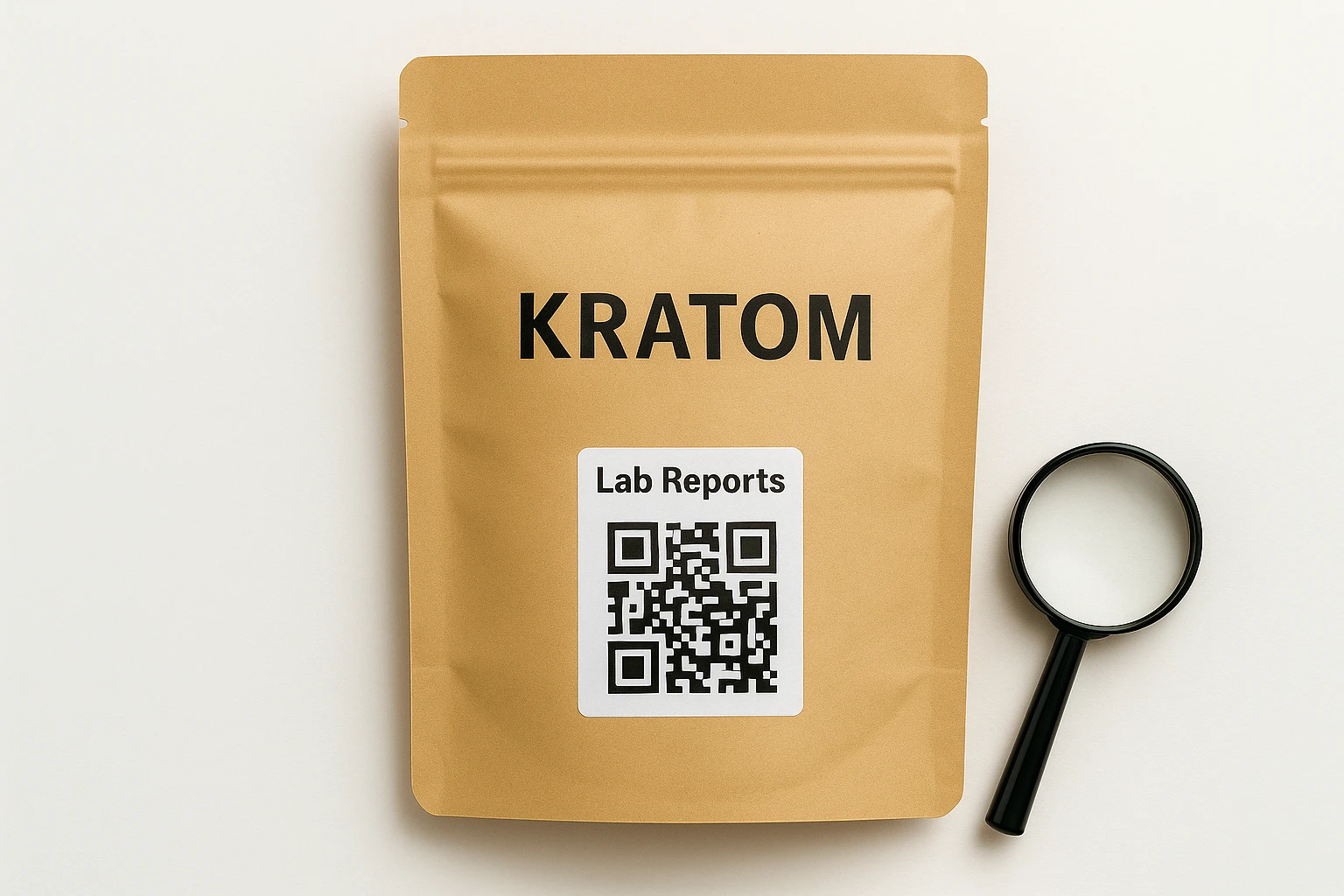
Every kratom lab report should include a batch or lot number that corresponds to the product you’re purchasing. This number allows you to trace the report to a specific batch, ensuring accountability. Check the product packaging for a matching batch number, often printed on the label or accessible via a QR code. If the report doesn’t specify a batch number or the numbers don’t match, it’s a red flag that the report may not apply to the product you’re buying.
Step 3: Review the Test Date
The date of the lab test is crucial. Kratom quality can degrade over time, so reports should be recent, ideally within the past year. Older reports may not reflect the current batch’s quality, especially if storage conditions have changed. A fresh test date indicates the vendor is actively monitoring their inventory.
Step 4: Analyze the Results
Dive into the results sections, focusing on alkaloid content, microbial screening, and heavy metal testing. For alkaloids, compare the mitragynine and 7-hydroxymitragynine levels to typical ranges for the strain. For microbial and heavy metal tests, ensure all results fall within safe limits, with no detected pathogens or excessive contaminants.
Step 5: Look for Transparency
A trustworthy vendor makes kratom lab reports easily accessible, either on their website or upon request. Some include QR codes on product packaging that link directly to the report for that batch. Transparency in sharing results demonstrates confidence in the product’s quality and a commitment to consumer trust.
A collection of lab equipment, kratom powder, and a leaf arranged on a clean white background.
Pharmakeia’s Commitment to Transparent Lab Testing
At Pharmakeia, a Canada-based e-commerce store specializing in kratom and plant-based medicines, transparency and quality are at the core of their mission. Recognizing the importance of kratom lab reports, Pharmakeia goes above and beyond to ensure their products meet the highest standards. Every batch of kratom they sell undergoes rigorous third-party testing at accredited laboratories. These tests screen for microbial contaminants, heavy metals, and alkaloid content, ensuring each product is safe, pure, and potent.
Pharmakeia makes it easy for customers to access these lab reports. Each product package includes a batch number and a QR code that links directly to the corresponding Certificate of Analysis (CoA) on their website. This CoA provides detailed results, including mitragynine and 7-hydroxymitragynine concentrations, microbial screening outcomes, and heavy metal levels. By offering this level of transparency, Pharmakeia empowers consumers to verify the quality of their purchase with confidence. Their commitment to ethical sourcing, Good Manufacturing Practice (GMP) standards, and fast, reliable shipping further solidifies their reputation as a trusted vendor in Canada’s kratom community.
Tips for Choosing a Vendor with Reliable Lab Reports
Selecting a vendor with trustworthy kratom lab reports is critical for a safe and satisfying experience. Here are some practical considerations to guide your decision:
Prioritize Third-Party Testing: Choose vendors who use accredited, independent labs to ensure unbiased results.
Check for Accessibility: Look for vendors who make lab reports readily available, either online or upon request, with clear batch numbers for traceability.
Verify Comprehensive Testing: Ensure the reports cover alkaloids, microbial contaminants, and heavy metals, not just one or two factors.
Assess Vendor Reputation: Research customer reviews and community feedback, such as on online forums to gauge a vendor’s reliability.
Look for GMP Compliance: Vendors adhering to Good Manufacturing Practices are more likely to maintain consistent quality.
By focusing on these factors, you can confidently select a vendor whose kratom lab reports reflect a commitment to safety and quality.
Practical Applications of Lab Report Knowledge
Understanding kratom lab reports has practical benefits beyond safety. It allows you to compare products across vendors, ensuring you get the best value for your money. For example, if one vendor’s Green Maeng Da shows 1.8% mitragynine and another’s shows 1.2%, you can make an informed choice based on potency preferences. Lab reports also help you avoid overhyped products with inflated alkaloid claims, which may indicate adulteration.
Additionally, knowing how to interpret these reports empowers you to experiment safely with different strains or blends. Using lab reports to understand a products alkaloid profile can help tailor your kratom usage to specific times of the day or activities.
Building Trust Through Transparency
Kratom lab reports are more than just technical documents; they’re a bridge between vendors and consumers, fostering trust in an industry with variable standards. By prioritizing third-party testing and making results accessible, vendors like Pharmakeia demonstrate a commitment to quality that resonates with informed buyers. As a consumer, your ability to read and interpret these reports ensures you’re not just purchasing kratom but investing in a product that’s safe, consistent, and aligned with your wellness goals.
A wooden bowl filled with kratom capsules sits on a table overlooking a lush tropical valley.
Frequently Asked Questions About Kratom Lab Reports
Q: What is the most important thing to check in a kratom lab report? A: The most critical aspect is ensuring the report comes from an accredited third-party lab and includes comprehensive testing for alkaloids, microbial contaminants, and heavy metals. Verify the batch number matches the product to confirm the report’s relevance.
Q: How often should vendors test their kratom batches? A: Reputable vendors test every batch to account for natural variations in kratom. Reports should be recent, ideally within the past year, to reflect the current product’s quality.
Q: Can I trust a vendor who doesn’t share lab reports publicly? A: Transparency is key. Vendors who don’t provide easy access to lab reports or only offer them upon request may not prioritize quality. Choose vendors like Pharmakeia, who link reports directly via QR codes.
Q: Why do alkaloid levels vary between kratom strains? A: Alkaloid levels vary due to factors like the plant’s genetics, growing conditions, and harvest timing. Lab reports clarify these differences, helping you choose a strain suited to your needs.
Q: What should I do if a lab report shows high contaminant levels? A: Avoid purchasing from vendors whose reports show unsafe levels of pathogens or heavy metals. Reputable vendors discard contaminated batches, so look for those with consistently clean reports.
Q: How can I confirm a lab report is legitimate? A: Check for the lab’s accreditation, and verify the report includes specific batch details and a recent test date. Contacting the lab directly for confirmation is also an option if doubts persist.
Q: Are lab reports necessary for all kratom products, like extracts? A: Yes, lab reports are essential for all kratom products, including extracts, which may require additional testing for residual solvents or additives to ensure safety and purity.
Conclusion
Kratom lab reports are your key to unlocking the quality and safety of the kratom you choose. By understanding their components like alkaloid content, microbial screening, and heavy metal testing, you can make informed decisions in a market with varying standards. Vendors like Pharmakeia lead by example, offering third-party tested products with accessible, detailed reports that build consumer trust.
As you explore kratom’s potential, let these reports guide you toward safe, effective products that align with your needs. With this knowledge, you’re not just a buyer, you’re a savvy consumer shaping a more transparent and reliable kratom industry.
Disclaimer
The information provided in this blog is for informational purposes only and should not be considered medical advice, diagnosis, or treatment. Kratom (Mitragyna speciosa) is a botanical product that is not regulated as a health product in Canada, and its safety, efficacy, and long-term effects have not been fully evaluated by Health Canada or other regulatory authorities. Consumers should exercise caution when using kratom, as it may carry risks, including potential side effects, interactions with medications, or dependency with prolonged use.
Always consult a qualified healthcare professional before using kratom, especially if you have pre-existing medical conditions, are pregnant or breastfeeding, are taking medications, or have concerns about potential health risks. The use of kratom may lead to adverse effects, such as nausea, dizziness, or more serious health issues, particularly if contaminated or used improperly. Lab reports, while valuable for assessing product quality, do not guarantee safety or suitability for individual use.
The authors and publisher are not responsible for any adverse effects, consequences, or liabilities arising from the use of kratom or reliance on the information in this blog. Consumers are encouraged to verify the authenticity and quality of kratom products through reputable vendors and third-party lab reports and to adhere to responsible consumption practices. Kratom should not be used as a substitute for professional medical care or treatment.
On February 16, 2026, select provinces will observe regional holidays.
Canada Post will operate as normal and all shipments will be processed as usual.
FedEx will be closed in Prince Edward Island (Islander Day); Alberta, British Columbia, Ontario, Saskatchewan, and New Brunswick (Family Day); Manitoba (Louis Riel Day); and Nova Scotia (Heritage Day). FedEx shipments to these provinces will move the next business day.