Kratom Irrigation: 4 Vital Ways Water Quality Boosts Plant Health
Faust
Cultivating healthy kratom trees requires careful attention to their environment, with kratom irrigation playing a central role in their vitality. Native to Southeast Asia, Mitragyna speciosa, commonly known as kratom, is valued for its leaves, used for centuries in traditional practices. The quality of water used in kratom irrigation directly shapes the tree’s growth, resilience, and leaf health. By understanding irrigation’s impact, growers can nurture robust trees that thrive in diverse environments.
The Role of Water in Kratom Growth
Kratom trees rely on water to transport nutrients from the soil to their leaves, stems, and roots. Water acts as a medium for photosynthesis, the process that fuels plant growth by converting sunlight into energy. Without adequate hydration, kratom trees struggle to absorb essential minerals like nitrogen, phosphorus, and potassium, which are critical for their development. However, it’s not just about the quantity of water; the quality matters just as much. Contaminated or imbalanced water can introduce harmful substances or disrupt the plant’s ability to thrive.
In natural settings, kratom trees benefit from rainwater, which is typically free of industrial pollutants and naturally balanced in pH. Rainwater provides a gentle, consistent source of hydration that supports the tree’s root system. In contrast, cultivated kratom often relies on irrigation systems, where water may come from wells, rivers, or municipal sources. These sources can vary widely in quality, containing impurities like heavy metals, chemicals, or excessive minerals that affect plant health. Effective kratom irrigation requires careful attention to these factors to mimic the tree’s natural growing conditions.
Understanding Water Quality for Kratom Irrigation
Water quality encompasses several factors, including pH levels, mineral content, purity, and temperature. Each of these elements influences how well kratom trees absorb water and nutrients. Let’s break down the key components of water quality and their impact on kratom cultivation.
pH Levels and Nutrient Uptake
The pH level of water determines its acidity or alkalinity, which directly affects how kratom trees absorb nutrients. Kratom thrives in slightly acidic to neutral soil, with a pH range of 5.5 to 6.5. If the irrigation water is too acidic or too alkaline, it can alter the soil’s pH over time, locking out essential nutrients. For example, highly alkaline water may reduce the availability of iron and manganese, leading to yellowing leaves and stunted growth.
Testing water pH before irrigation is a simple yet crucial step. If the water source is outside the ideal range, growers can adjust it using natural additives like vinegar to lower pH or lime to raise it. Maintaining a balanced pH ensures that kratom trees can efficiently absorb nutrients, promoting robust growth and healthy foliage.
Mineral Content and Soil Health
Water used for kratom irrigation often contains dissolved minerals like calcium, magnesium, and sodium. While some minerals are beneficial, excessive amounts can harm plants. For instance, high levels of sodium can accumulate in the soil, causing salinity issues that stress kratom roots and reduce water uptake. Similarly, hard water with elevated calcium and magnesium levels can lead to mineral buildup, altering soil structure and hindering root development.
In regions where kratom is grown, such as parts of Southeast Asia, natural water sources like rivers or springs often have a balanced mineral profile. However, in areas with intensive agriculture or industrial activity, water sources may carry excess minerals or salts. Filtering or treating irrigation water can help maintain an optimal mineral balance, ensuring that kratom trees receive the right nutrients without the risk of toxicity.
Purity and Contaminant-Free Water
Clean water is non-negotiable for healthy kratom irrigation. Contaminants like pesticides, heavy metals, or industrial chemicals can accumulate in the soil and be absorbed by the plant, potentially affecting its quality and safety. In some regions, groundwater may be contaminated by runoff from nearby farms or factories, introducing harmful substances like nitrates or lead. These contaminants can weaken kratom trees, making them more susceptible to pests and diseases.
Using filtered or purified water for irrigation minimizes these risks. Rainwater harvesting is an excellent option for kratom growers, as it provides a naturally clean source of water. Where rainwater isn’t feasible, installing filtration systems or regularly testing water sources can help ensure purity. Protecting kratom trees from contaminants fosters stronger, healthier plants that produce luscious leaves.
Water Temperature and Plant Stress
The temperature of irrigation water also plays a role in kratom health. Kratom trees are adapted to warm, tropical climates, and cold water can shock their roots, slowing growth and causing stress. Ideally, irrigation water should be close to the ambient soil temperature, typically between 20°C and 30°C (68°F to 86°F). In cooler climates or seasons, warming water before irrigation can prevent root shock and promote steady growth.
Conversely, excessively warm water can encourage bacterial growth in the soil, leading to root rot or other infections. Maintaining a consistent water temperature, especially in controlled irrigation systems, helps kratom trees stay healthy and resilient.
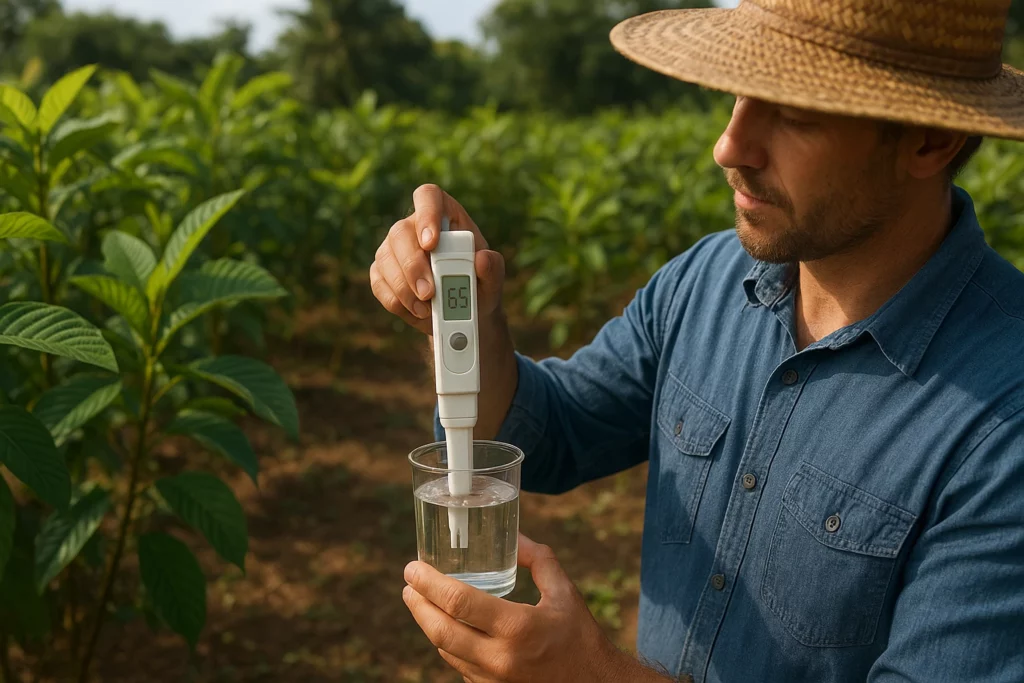
A farmer checks water quality using a digital meter amid rows of thriving kratom plants.
Irrigation Methods for Kratom Cultivation
The way water is delivered to kratom trees is just as important as its quality. Different irrigation methods can influence how effectively water reaches the roots and how well the soil retains moisture. Let’s explore some common irrigation techniques and their impact on kratom health.
Drip Irrigation for Precision
Drip irrigation is a highly efficient method that delivers water directly to the root zone of kratom trees. By using tubes or emitters, drip systems release water slowly, allowing it to penetrate the soil deeply without runoff. This method is ideal for kratom because it mimics the steady, gentle hydration provided by natural rainfall. It also reduces water waste and ensures that each tree receives a consistent supply.
When using drip irrigation, water quality is critical. Any sediment or contaminants in the water can clog emitters, disrupting the system. Regular maintenance and water filtration are essential to keep drip irrigation effective for kratom cultivation.
Flood Irrigation for Large Plantations
In larger kratom plantations, flood irrigation is sometimes used to water multiple trees at once. This method involves flooding the soil surface with water, allowing it to soak into the root zone. While flood irrigation can be effective in areas with abundant water, it’s less efficient than drip irrigation and can lead to uneven water distribution. Poor-quality water in flood systems can also spread contaminants across the field, affecting multiple trees.
For flood irrigation to work well with kratom, the water must be clean and the soil well-drained to prevent waterlogging. Kratom trees are sensitive to overly wet conditions, which can cause root rot. Monitoring soil moisture and using high-quality water are key to successful flood irrigation.
Manual Watering for Small-Scale Growth
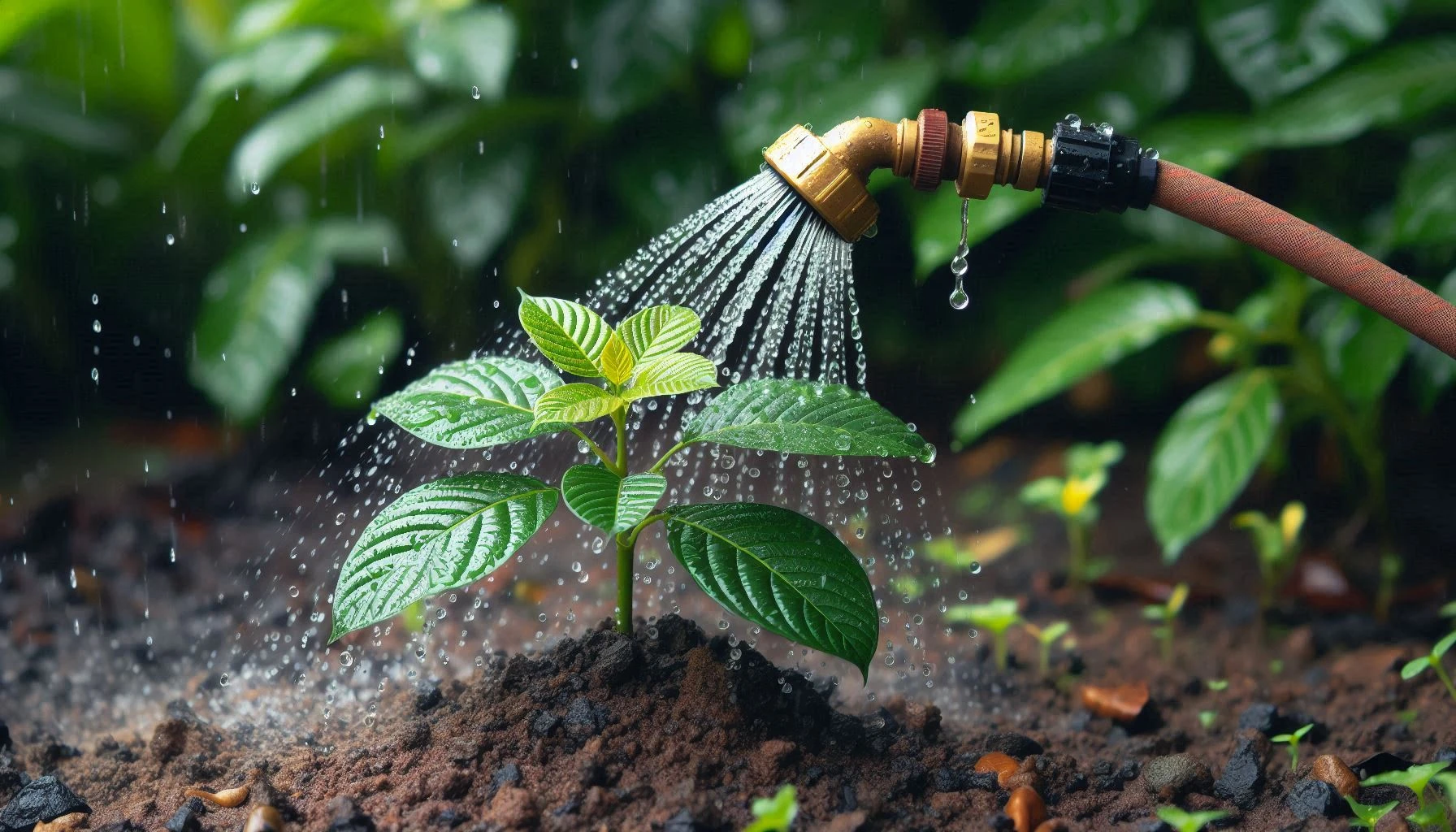
For small-scale kratom growers, manual watering with a hose or watering can is common. This method allows precise control over how much water each tree receives, making it easier to adjust based on the plant’s needs. However, manual watering requires attention to water quality, as using untreated tap water or contaminated sources can harm young kratom trees.
Manual watering is best suited for growers who can regularly test and treat their water. It also allows growers to observe their plants closely, catching early signs of stress or nutrient deficiencies caused by poor water quality.
The Impact of Water Quality on Kratom Leaf Quality
The health of kratom leaves, which are the primary part of the plant used in traditional practices, depends heavily on irrigation practices. Water quality influences not only the tree’s overall growth but also the composition of its leaves. Healthy kratom trees produce leaves with vibrant colour, strong texture, and optimal chemical profiles, while stressed trees may produce smaller, discoloured leaves.
For example, water contaminated with heavy metals can accumulate in kratom leaves, potentially affecting their safety and quality. Similarly, imbalanced pH or high salinity can reduce the leaf’s nutrient content, impacting its appearance and usability. By prioritizing high-quality irrigation water, growers can ensure that kratom leaves meet the standards expected by consumers and traditional practitioners.
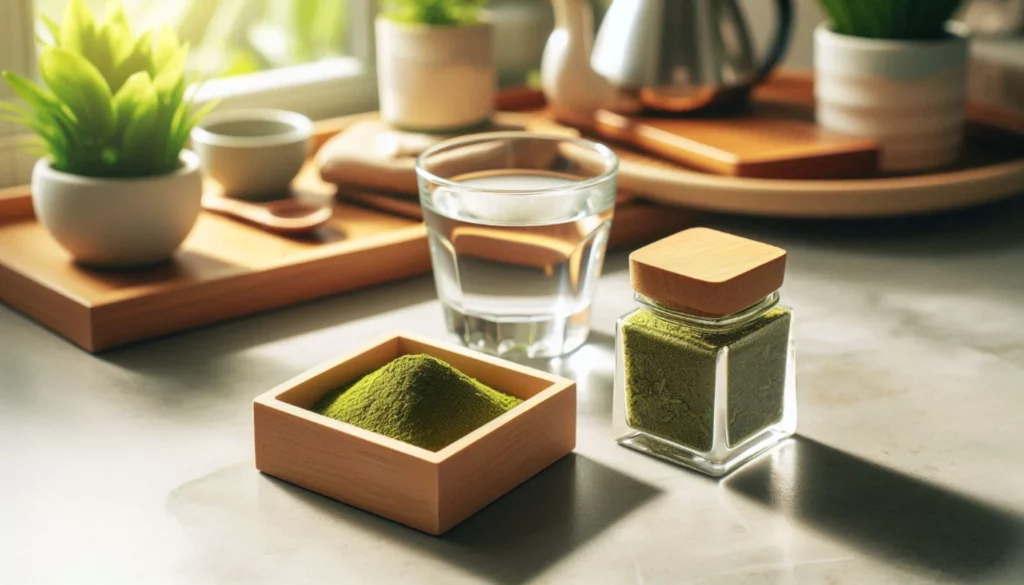
Kratom powder rests in a wooden container and jar beside a clear glass of water in a bright kitchen.
Regional Challenges in Kratom Irrigation
Kratom cultivation varies across regions, and water quality challenges differ depending on the local environment. In Southeast Asia, where kratom is native, growers often benefit from abundant rainfall and naturally fertile soils. However, in areas affected by deforestation or pollution, water sources may be compromised, requiring additional treatment for irrigation.
In non-native regions, such as parts of North America or Europe where kratom is grown in controlled environments, water quality issues may stem from municipal water supplies. These sources often contain chlorine or fluoride, which can harm sensitive plants like kratom. Growers in these regions may need to invest in reverse osmosis systems or other filtration methods to ensure clean, plant-friendly water.
Climate also plays a role. In arid regions, water scarcity can limit irrigation options, forcing growers to rely on wells or recycled water. These sources may have high mineral content or contaminants, requiring careful management. Understanding local water conditions and adapting irrigation practices accordingly is essential for successful kratom cultivation.
Sustainable Irrigation Practices for Kratom
Sustainability is a growing concern in agriculture, and kratom cultivation is no exception. Efficient irrigation practices not only support plant health but also conserve water and protect the environment. Here are some sustainable approaches to kratom irrigation.
Rainwater Harvesting
Collecting and storing rainwater is one of the most sustainable ways to irrigate kratom. Rainwater is naturally soft, free of most contaminants, and has a balanced pH, making it ideal for kratom trees. By installing rain barrels or cisterns, growers can reduce their reliance on groundwater or municipal supplies, lowering their environmental footprint.
Soil Moisture Monitoring
Using soil moisture sensors helps growers irrigate only when necessary, preventing overwatering and reducing water waste. These tools measure the soil’s water content, ensuring that kratom trees receive just the right amount of hydration. This approach is particularly valuable in regions with limited water resources.
Mulching for Water Retention
Applying organic mulch, such as wood chips or compost, around kratom trees helps retain soil moisture and reduce evaporation. Mulch also improves soil structure, enhancing its ability to hold water and nutrients. This practice complements irrigation efforts, ensuring that water reaches the roots efficiently.
Recycling and Reusing Water
In some kratom plantations, growers recycle water from other agricultural processes, such as runoff from nearby fields. While this can be sustainable, recycled water must be tested and treated to remove contaminants before use. Properly managed, water recycling can support kratom irrigation while conserving resources.
Common Water Quality Issues and Solutions
Even with the best intentions, growers may encounter water quality challenges that affect kratom health. Here are some common issues and how to address them.
High Salinity
Salty water can stress kratom trees, causing leaf burn and reduced growth. Flushing the soil with clean, low-salinity water can help remove excess salts. Using drip irrigation instead of flood irrigation also minimizes salt buildup.
Chemical Contamination
Water contaminated with pesticides or industrial chemicals can harm kratom trees and affect leaf safety. Installing activated carbon filters or reverse osmosis systems can remove many chemical contaminants, ensuring safe irrigation water.
Algal Growth in Water Sources
Standing water in irrigation reservoirs can develop algae, which may clog systems or introduce pathogens. Covering reservoirs and treating water with UV filters can prevent algal growth, keeping the water clean for kratom irrigation.
A young kratom tree thrives in a forest, illuminated by soft sun rays piercing through towering trees.
FAQ: Kratom Irrigation and Water Quality
Q: Why is water quality so important for kratom irrigation? A: Water quality directly affects kratom trees’ ability to absorb nutrients and grow. Poor-quality water with contaminants, imbalanced pH, or high salinity can stress plants, stunt growth, and reduce leaf quality, impacting their overall health.
Q: Can I use tap water for kratom irrigation? A: Tap water can be used if it’s free of harmful chemicals like chlorine or fluoride. However, testing and treating tap water is recommended, as municipal sources may contain additives that harm kratom. Filtered or rainwater is often a better choice.
Q: How often should I water my kratom trees? A: Watering frequency depends on climate, soil type, and tree age. Generally, kratom trees need consistent moisture but not waterlogged soil. Check soil moisture levels and irrigate when the top inch feels dry, typically every few days in warm climates.
Q: How can I test water quality for kratom irrigation? A: Use a water testing kit to check pH, mineral content, and contaminants. Home kits are available for basic tests, or you can send samples to a lab for detailed analysis. Regular testing ensures water is safe for kratom trees.
Q: Does rainwater need treatment before using it for kratom irrigation? A: Rainwater is usually ideal for kratom due to its purity and balanced pH. However, if collected in urban areas, it may pick up pollutants. Filtering rainwater or testing it periodically ensures it’s safe for irrigation.
Q: Can poor water quality affect kratom leaf quality? A: Yes, contaminants like heavy metals or imbalanced minerals in water can accumulate in kratom leaves, affecting their appearance, safety, and usability. High-quality water supports vibrant, healthy leaves.
Conclusion
Kratom irrigation is more than just watering plants; it’s about providing the right conditions for Mitragyna speciosa to thrive. Water quality, from pH and mineral content to purity and temperature, profoundly impacts kratom health, influencing everything from root development to leaf quality. By understanding the role of water in kratom cultivation and adopting sustainable irrigation practices, growers can nurture robust trees that produce vibrant, healthy leaves.
Whether through drip irrigation, rainwater harvesting, or careful water treatment, the goal is to mimic the natural conditions that kratom trees evolved to thrive in. As cultivation practices evolve and global demand for kratom grows, prioritizing water quality will remain a cornerstone of successful and sustainable kratom production. For growers and enthusiasts alike, appreciating the link between irrigation and plant health deepens our respect for this remarkable tropical tree.
Disclaimer
The information provided in this blog about kratom irrigation and its effects on plant health is intended for educational and informational purposes only, focusing on the cultivation of Mitragyna speciosa. It is not intended to promote, endorse, or encourage the use of kratom for any health, medical, or recreational purposes. Kratom and its compounds have not been evaluated by Health Canada or any other regulatory body for safety or efficacy in treating any medical condition.
The use of kratom may carry health risks, including potential side effects, interactions with medications, or adverse reactions, and its legal status varies by region. Individuals considering kratom use should consult a qualified healthcare professional to discuss potential risks and benefits. The authors and publishers of this blog are not responsible for any consequences resulting from the use of kratom or the application of the cultivation practices described.
On February 16, 2026, select provinces will observe regional holidays.
Canada Post will operate as normal and all shipments will be processed as usual.
FedEx will be closed in Prince Edward Island (Islander Day); Alberta, British Columbia, Ontario, Saskatchewan, and New Brunswick (Family Day); Manitoba (Louis Riel Day); and Nova Scotia (Heritage Day). FedEx shipments to these provinces will move the next business day.