


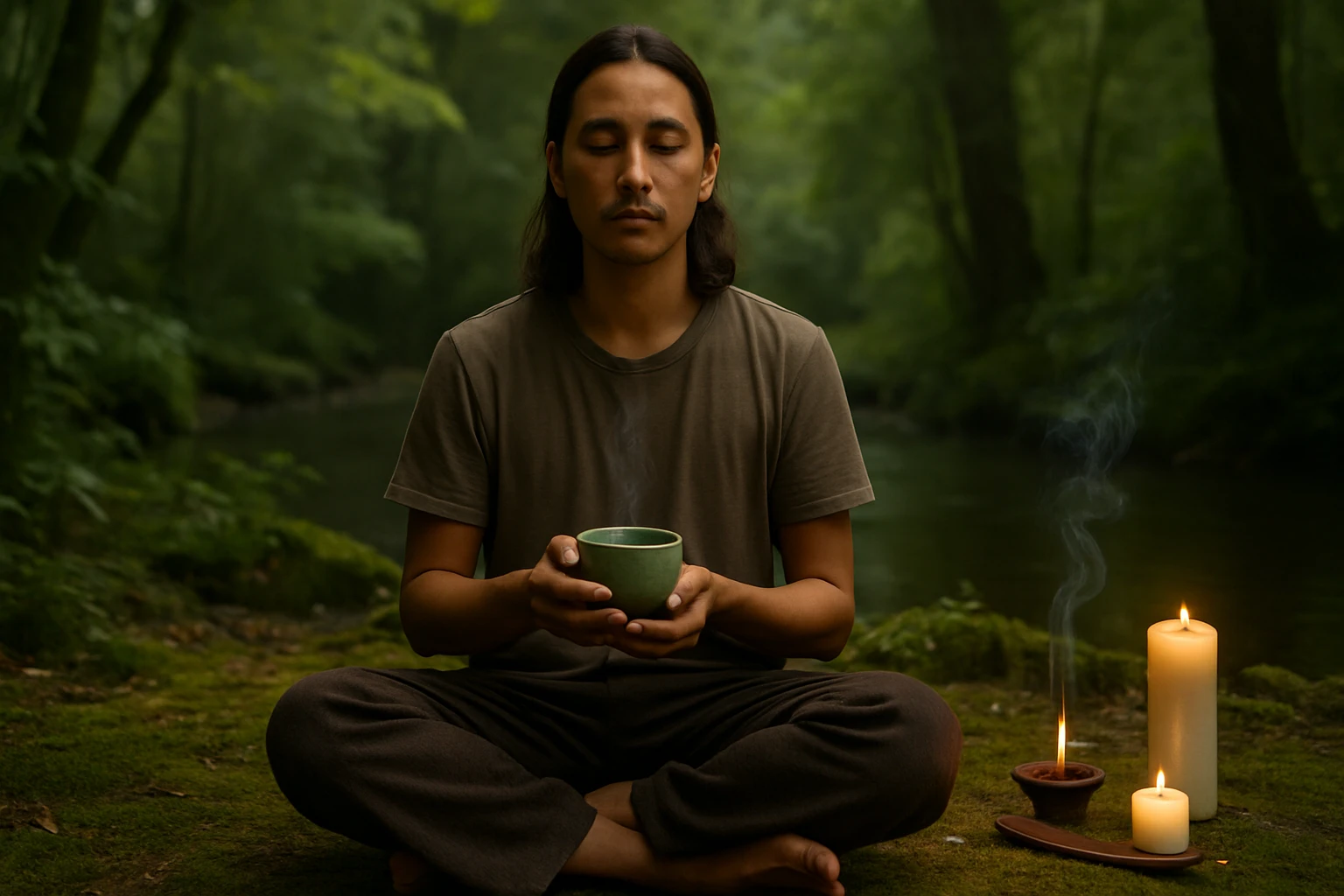

Kratom in spiritual practices has woven a fascinating thread through human history, connecting ancient traditions with modern explorations of consciousness and connection. This plant medicine has been revered for centuries in cultural and ceremonial contexts,. Its use extends beyond physical benefits, touching the realm of the sacred, where it has served as a tool for community bonding, spiritual insight, and ritualistic reverence.
Today, as kratom gains global attention, its role in spiritual practices is evolving, blending long-standing customs with contemporary approaches to wellness and mindfulness. This blog explains the historical roots of kratom in spiritual and ceremonial settings, its significance in Southeast Asian cultures, and how modern adaptations are reshaping its use in spiritual contexts worldwide.
The Historical Roots of Kratom in Southeast Asia
Kratom’s story begins in the lush rainforests of Southeast Asia, where the Mitragyna speciosa tree thrives in the humid climates of Thailand, Malaysia, Indonesia, and parts of Papua New Guinea. For centuries, indigenous communities have integrated kratom into their daily lives, not only as a practical aid for labour but also as a sacred element in their spiritual and social frameworks. The leaves, often chewed fresh or brewed into a bitter tea, were valued for their ability to enhance energy, boost sociability, and create a sense of calm, making them a versatile tool in both mundane and sacred settings.
In rural villages, kratom was more than a plant; it was a cultural cornerstone. Farmers and labourers relied on its stimulating effects to endure long hours under the tropical sun, but its role extended into the communal and spiritual fabric of society. During gatherings, kratom leaves were often shared among men as a social lubricant, generating conversation and camaraderie. In some Thai villages, kratom was offered as a gesture of hospitality, much like serving tea or coffee in other cultures. This act of sharing carried a deeper significance, symbolizing trust and mutual respect within the community.
The plant’s name, Mitragyna, hints at its spiritual connotations. Some suggest the Dutch botanist Pieter Korthals named it after the resemblance of its leaves to a bishop’s mitre, a ceremonial headpiece in Christian traditions. Others speculate a connection to the ancient Mithraic cults, which revered substances for their ability to facilitate transcendence. While the etymology remains debated, it underscores kratom’s long-standing association with the sacred, positioning it as a plant of both practical and mystical significance.
Kratom in Traditional Ceremonial Contexts
In traditional Southeast Asian societies, kratom’s ceremonial use was deeply tied to the rhythms of rural life. In Thailand, for example, kratom leaves were sometimes offered during rituals to commemorate spirits or ancestors. These ceremonies were not grandiose but intimate, rooted in the animistic and Buddhist traditions that permeate the region. Villagers might prepare kratom tea as an offering or consume it to enter a meditative state, developing a sense of connection with the divine or the natural world.
In Malaysia, kratom, known locally as ketum, held a similar role. It was often used in communal settings, where its consumption facilitated storytelling, prayer, or collective reflection. The bitter taste of kratom was typically tempered with sweeteners, transforming the act of drinking into a shared sensory experience. This practice reinforced social bonds, as participants gathered to discuss matters of the spirit, community, or personal challenges.
Kratom’s role in these ceremonies was not about achieving intoxication but about creating a space for mindfulness and presence. Its effects, which range from stimulation at low doses to relaxation at higher ones, allowed users to set their experience to the needs of the moment. For instance, a small amount might sharpen focus during a prayer session, while a larger dose could induce a calm, introspective state suitable for meditation or ritualistic contemplation.
The Spiritual Significance of Kratom
Kratom’s appeal in spiritual practices lies in its ability to alter consciousness in subtle yet profound ways. Unlike more potent psychoactive substances, kratom offers a spectrum of effects that can be modulated by dosage, making it versatile for spiritual exploration. At lower doses, it promotes alertness and sociability, which can enhance communal rituals or meditative focus. At higher doses, it induces a sense of calm and euphoria, often described as a feeling of being “at one” with oneself or the universe.
In traditional contexts, this duality made kratom a valuable tool for spiritual practitioners. It could energize participants during long ceremonies or provide a soothing backdrop for introspection. The plant’s effects were seen as a gift from nature, a means of aligning the body and mind with the rhythms of the natural world. This perspective aligns with animistic beliefs common in Southeast Asia, where plants and natural elements are often regarded as imbued with spiritual essence.
Kratom’s spiritual significance also stems from its role as a communal facilitator. In many cultures, shared consumption of a substance during rituals initiates a sense of unity and collective purpose. Kratom’s mild effects allowed participants to remain engaged and present, unlike stronger substances that might lead to disorientation. This balance made it ideal for ceremonies that required both mental clarity and emotional openness.
Modern Adaptations of Kratom in Spiritual Practices
As kratom has spread beyond Southeast Asia, its role in spiritual practices has evolved, reflecting the diverse needs and perspectives of global users. In Western countries, the best kratom in Canada is increasingly incorporated into modern spiritual and wellness practices, often as part of a broader movement toward plant-based healing and mindfulness. This shift represents a fusion of traditional knowledge with contemporary approaches to spirituality, creating new rituals that celebrate kratom’s heritage while adapting it to modern contexts.
One of the most prominent modern adaptations is the use of kratom in meditation and mindfulness practices. Individuals seeking to deepen their meditative experiences often turn to kratom for its ability to promote focus and relaxation. A small dose of kratom powder or tea can help quiet the mind, making it easier to enter a meditative state. Practitioners report that kratom enhances their ability to stay present, reducing distractions and furthering a sense of inner peace.
Kratom is also finding a place in modern ceremonial settings, particularly within communities that embrace plant medicine. These ceremonies often draw inspiration from indigenous practices but are suited to contemporary audiences. For example, a group might gather to share kratom tea as part of a guided meditation or sound healing session, using the plant to create a shared experience of connection and introspection. These rituals emphasize intention-setting, a practice rooted in traditional ceremonies but adapted to focus on personal growth and emotional healing.
In some Western spiritual communities, kratom is paired with other plant medicines, such as cacao or kava, to create synergistic effects. While cacao ceremonies, rooted in Mesoamerican traditions, focus on heart-opening and emotional release, kratom’s calming properties can complement these experiences, helping participants feel grounded and centered. This blending of traditions reflects a growing interest in cross-cultural spiritual practices, where plants from different regions are used to create holistic rituals.
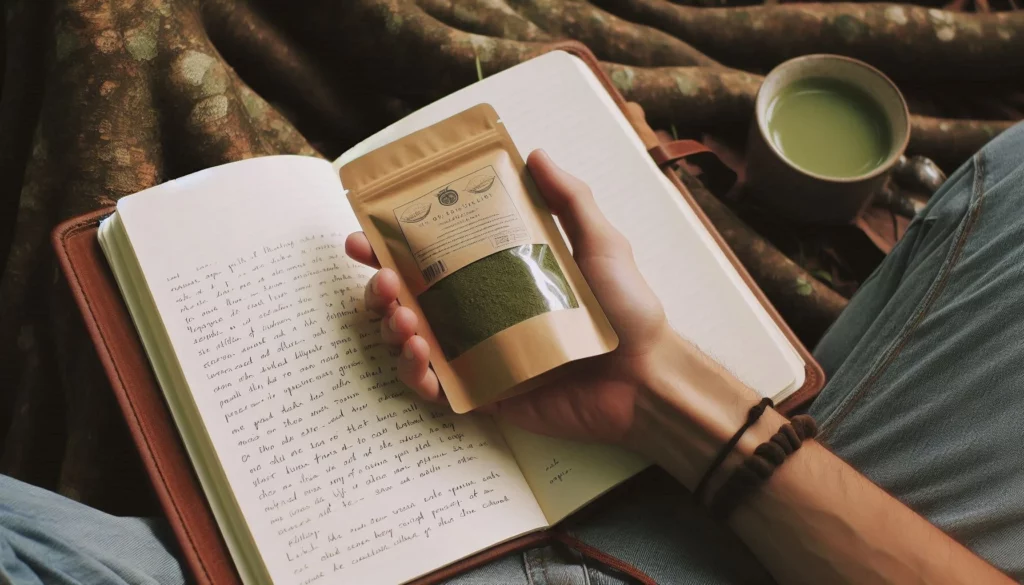
Another modern adaptation is the use of kratom in personal spiritual exploration. Many individuals incorporate kratom into their daily routines as a tool for self-reflection or emotional balance. For example, someone might brew kratom tea as part of a morning ritual, using the time to journal, meditate, or set intentions for the day. This practice mirrors traditional uses of kratom as a social and spiritual aid but adapts it to the individualistic focus of modern spirituality.
The Role of Intention in Kratom Use
A key aspect of kratom’s use in both traditional and modern spiritual practices is the emphasis on intention. In Southeast Asian ceremonies, kratom was consumed with a clear purpose, whether to venerate ancestors, promote community, or seek spiritual insight. This focus on intention remains central to modern adaptations, where users are encouraged to approach kratom with mindfulness and respect.
Setting an intention before consuming kratom can transform the experience from casual to sacred. For example, a person might reflect on their goals for a meditation session or ceremony, using kratom to enhance their focus on those objectives. This practice aligns with broader spiritual principles, where the mindset and purpose behind an action are as important as the action itself.
Intention also plays a role in mitigating potential risks. By approaching kratom with a clear purpose, users are more likely to consume it responsibly, avoiding excessive use or reliance. This mindful approach is particularly important in spiritual contexts, where the goal is to enhance awareness rather than escape it.
Challenges and Considerations in Spiritual Kratom Use
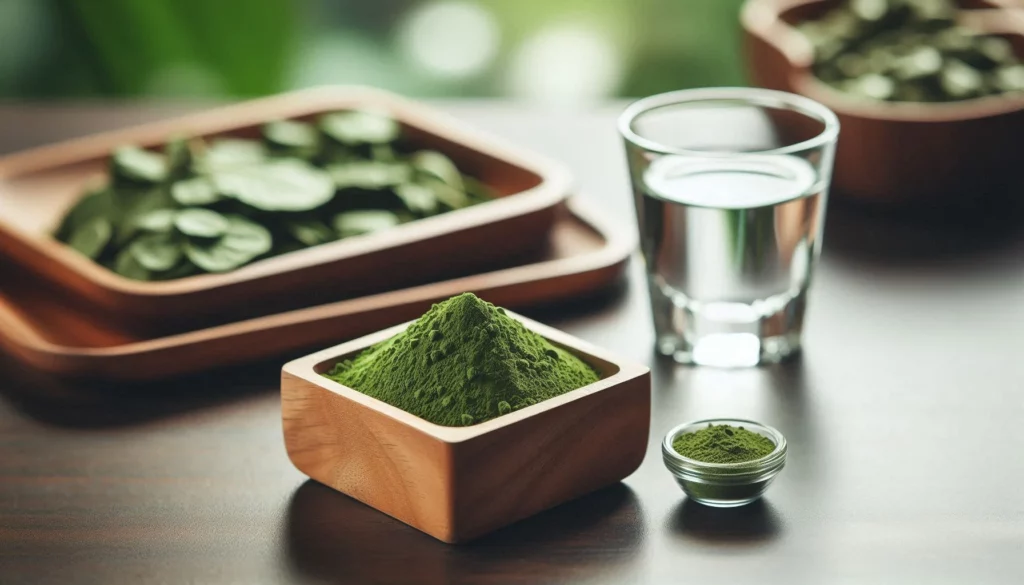
While kratom’s role in spiritual practices is rich with potential, it comes with challenges that users must navigate. One significant issue is the variability of kratom products. Unlike traditional settings, where fresh leaves were used, modern users often rely on powders or capsules, which can vary in potency and quality. This inconsistency can affect the spiritual experience, making it essential to source kratom from reputable suppliers who prioritize purity and transparency.
Another consideration is the legal and cultural landscape. In some countries, including parts of Southeast Asia, kratom’s legal status has fluctuated, reflecting debates over its safety and cultural value. In Canada, kratom is legal but not approved for medical use, requiring users to approach it with caution and awareness of local regulations. Understanding these nuances is crucial for those incorporating kratom in spiritual practices, as it ensures respectful and informed use.
Cultural sensitivity is also paramount. As kratom gains popularity in the West, there is a risk of commodifying or misrepresenting its traditional significance. Practitioners can respect kratom’s heritage by learning about its cultural roots, supporting sustainable sourcing, and engaging with it in a way that respects its sacred history.

Frequently Asked Questions About Kratom in Spiritual Practices
Q: How is kratom traditionally used in spiritual practices in Southeast Asia?
A: In Southeast Asia, kratom has been used in spiritual practices for centuries, particularly in Thailand and Malaysia. It was often consumed as a tea or chewed fresh during rituals to honour ancestors, connect with spirits, or encourage community bonding.
Q: Can kratom enhance meditation in modern spiritual practices?
A: Yes, many modern practitioners find that kratom in spiritual practices enhances meditation by promoting focus and relaxation. Users often report that kratom helps them stay grounded during mindfulness practices, though the experience varies depending on dosage and individual response. Setting a clear intention before use is key to maximizing its benefits in meditation.
Q: Is kratom used in combination with other plant medicines in ceremonies?
A: In modern spiritual settings, kratom is sometimes paired with other plant medicines, such as cacao or kava, to create complementary effects. These combinations draw inspiration from traditional practices but are adapted to suit contemporary wellness goals, emphasizing intention and community connection.
Q: How can users ensure respectful use of kratom in spiritual practices?
A: Respectful use of kratom in spiritual practices involves understanding its cultural origins and approaching it with mindfulness. Users should learn about its traditional role in Southeast Asian communities, source it from ethical suppliers who support local farmers, and set clear intentions for its use. Avoiding excessive consumption and being aware of local regulations, also ensures a responsible and culturally sensitive approach.
Q: What challenges might arise when using kratom in spiritual contexts?
A: Challenges include the variability in kratom product quality, as powders and capsules may differ in potency compared to fresh leaves used traditionally. Legal restrictions in some regions can also complicate access and use. To address these, practitioners should prioritize education, ethical sourcing, and moderation to maintain the integrity of kratom in spiritual practices.
Conclusion
Kratom’s journey from the rainforests of Southeast Asia to modern spiritual practices is a testament to its enduring significance. In traditional contexts, it served as a bridge between the physical and spiritual, building a community, reflection, and reverence. Today, as people worldwide seek connection and meaning, kratom is finding new life in meditation, ceremonies, and personal rituals. Its ability to enhance focus, calm the mind, and create a sense of unity makes it a powerful tool for spiritual exploration.
Yet, with this potential comes a responsibility to approach kratom with respect and mindfulness. By upholding its cultural roots, setting clear intentions, and navigating its challenges, users can integrate kratom into their spiritual practices in a way that is both meaningful and sustainable. As the global conversation around plant medicine evolves, kratom’s role in spiritual practices will continue to grow, offering a unique pathway to connection, insight, and transformation.
Disclaimer
The information provided about kratom in spiritual practices is for educational and informational purposes only and should not be interpreted as medical advice, endorsement, or a recommendation for its use. Kratom (Mitragyna speciosa) is a botanical substance that may produce varying effects, including stimulation, relaxation, or euphoria, depending on dosage and individual response. However, its safety profile is not fully established, and potential health risks include nausea, dizziness, dependency, or adverse interactions with other substances or medications.
Kratom is not approved for medical use in many countries, including Canada, and its legal status varies globally, so users must verify local regulations before considering its use. Individuals with pre-existing medical conditions, those who are pregnant or breastfeeding, or those taking medications should avoid kratom due to potential health risks. Always consult a qualified healthcare professional before using kratom or any herbal supplement, especially in spiritual or wellness practices, to ensure safety and appropriateness for your individual circumstances.
Responsible use, including sourcing from reputable suppliers and adhering to moderation, is critical to minimizing risks. The author and publisher are not liable for any adverse effects or consequences resulting from the use of kratom or the application of the information provided.