


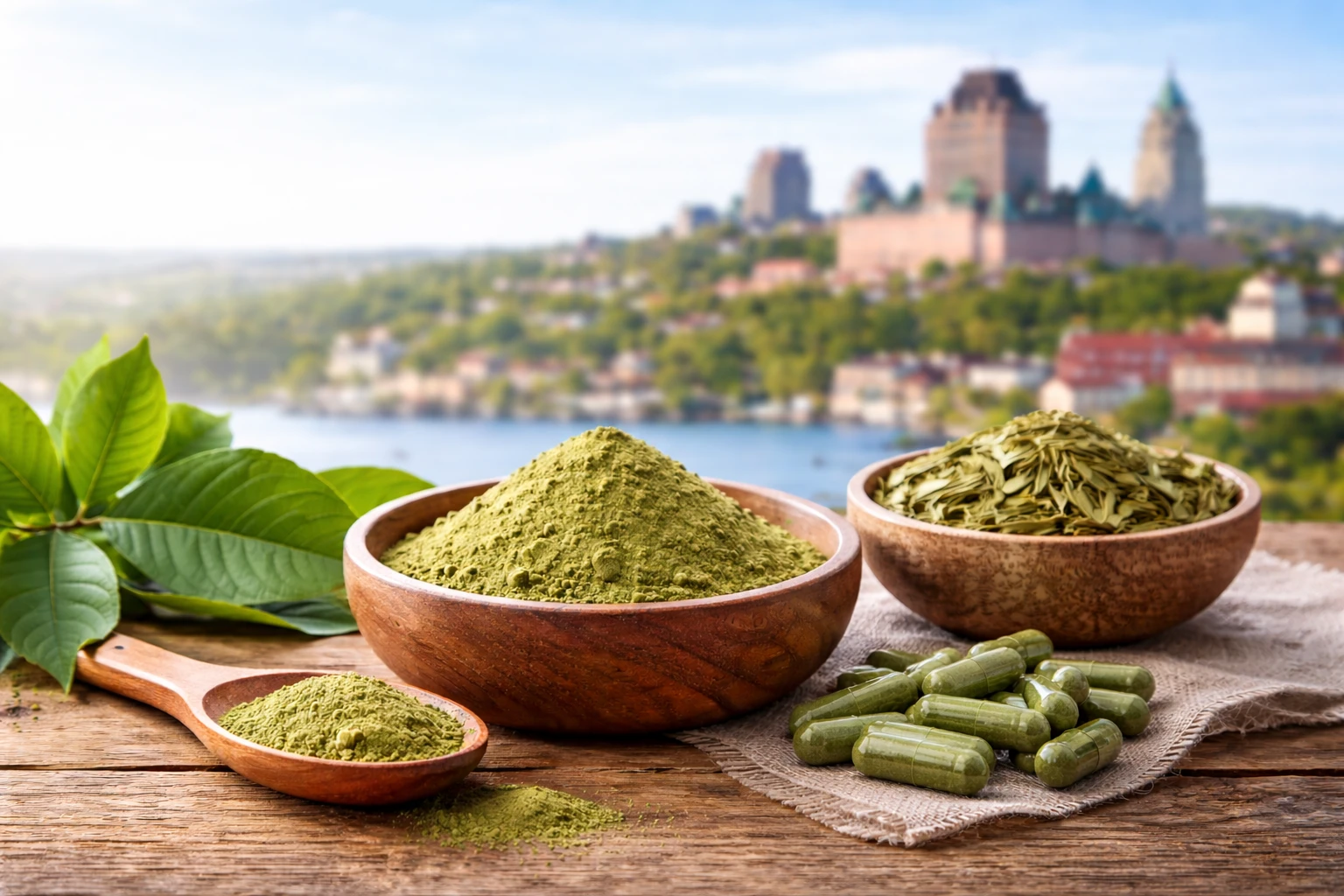

Kratom in Quebec represents a fascinating intersection of traditional herbal use, modern wellness interests, and a distinctive provincial regulatory environment. As a province with a strong emphasis on cultural identity, natural health practices, and bilingual requirements, Quebec offers a unique context for those interested in this Southeast Asian botanical. While kratom remains accessible across Canada, Quebec’s specific layers add nuance to how people approach it.
In contemporary settings, including Quebec, interest stems from its varied properties depending on factors like strain and amount used. Quebec’s diverse population, including urban centres with active wellness communities, has contributed to growing curiosity about plant-based options amid broader discussions on natural alternatives.
The Historical Background of Kratom Use Globally and Its Arrival in North America
Traditional Use in Southeast Asia
Kratom’s story begins centuries ago in the tropical forests of Southeast Asia, where the Mitragyna speciosa tree thrives in humid, lowland environments across countries including Thailand, Indonesia, Malaysia, Cambodia, Myanmar, and Papua New Guinea. Indigenous communities integrated the plant into daily life as far back as the 19th century, with documented accounts from that era describing its use as a household remedy for common ailments like fever, cough, diarrhea, and fatigue.
Labourers, such as farmers and fishermen, often chewed fresh leaves or brewed them into tea to sustain energy during long hours of physical work under the tropical sun. Traditional healers also turned to it for pain relief or to ease discomfort, reflecting its role in folk medicine practices passed down through generations.
Early Western Documentation and Colonial Records
Western documentation of kratom dates to the early 19th century, when Dutch colonial Botanists first recorded its presence and traditional applications in the East Indies. By the 1830s, reports noted its occasional use as an opium alternative in Malaysia and Thailand. Despite this long history, kratom remained largely regional until the late 20th century.
Introduction and Growth in North America
Its introduction to North America occurred gradually, primarily through immigration from Southeast Asia in the 1980s and 1990s. Early adopters brought knowledge of the plant, and by the early 2000s, online communities and herbal enthusiasts in the United States and Canada began exploring it more widely. Interest grew amid rising curiosity about natural botanicals and alternatives for wellness.
In Canada, this aligned with broader trends in herbal product availability, though always within the federal gray-area framework that governs its marketing and sale. This historical journey from a traditional Southeast Asian staple to a topic of discussion in places like Quebec highlights how global plant knowledge evolves and adapts across cultures.

The Legal Framework Governing Kratom in Quebec
Understanding the rules is essential for anyone exploring kratom in Quebec. At the federal level in Canada, kratom is not classified as a controlled substance under the Controlled Drugs and Substances Act. This means personal possession and use are permitted without criminal penalties. However, Health Canada does not authorize it as a natural health product or for human consumption. Vendors cannot market or sell it with claims related to health benefits, treatment of conditions, or as a supplement intended for ingestion. Instead, products are typically labelled for purposes like botanical use, research, or as non-consumable items, with clear disclaimers to align with federal guidelines.
This federal position has remained consistent into 2026, with no major shifts reported. Past enforcement has focused on unauthorized marketing or sales that violate these boundaries, such as seizures of products promoted inappropriately in other parts of the country. No widespread crackdowns have targeted personal-level access, and online availability persists through compliant channels.
No Quebec-specific prohibition exists beyond these language and general consumer rules. Unlike some international jurisdictions with outright restrictions, the province follows the national gray-area approach. This setup encourages informed sourcing, where buyers verify that products meet both federal disclaimers and provincial language standards.
How Kratom Fits into Quebec’s Broader Landscape
Quebec stands out in Canada for its rich cultural heritage, including a deep appreciation for natural and traditional remedies. The province has long embraced herbal traditions, from local botanicals like those used in folk practices to a vibrant naturopathic and holistic scene, particularly in urban areas. This environment creates fertile ground for interest in global plants like kratom, viewed by some as an extension of plant-based wellness.
In Quebec’s bilingual context, discussions about kratom often appear in French-language forums, social media groups, and online communities where users share experiences in their preferred language. This linguistic aspect distinguishes Quebec from other provinces, where English dominates more heavily. Residents in cities and rural areas alike engage with these topics, reflecting the province’s blend of European influences and openness to diverse influences.
Demand patterns show variation across Quebec. Urban hubs tend to drive higher interest due to larger populations and access to wellness trends, while rural areas may see more discreet or online-focused use. Overall, the province mirrors national trends of curiosity about alternatives, but with a distinctive Quebec flavour shaped by community discussions and cultural pride in natural approaches.
Availability Patterns Province-Wide
Access to kratom in Quebec primarily occurs through online channels, as physical retail options remain limited. This mirrors much of Canada, where brick-and-mortar availability is inconsistent due to regulatory caution around marketing and labelling. Specialty shops or health-focused stores occasionally stock related botanicals, but kratom’s status leads most people to digital platforms that ship nationwide, including to Quebec addresses.
Online purchasing offers advantages like broader selection, including various strains differentiated by vein colour (red, green, white) and regional origins, as well as forms such as powders or capsules. Vendors compliant with Canadian rules provide detailed information, often including origin details and quality assurances like third-party testing for purity and absence of contaminants. Shipping to Quebec typically involves standard carriers, with attention to discreet packaging and tracking.
Challenges include potential delays from import scrutiny if sourced internationally, though most Canadian-based options minimize this. Quebec’s language requirements mean buyers often prefer vendors offering French-labelled or bilingual products to ensure smooth delivery and compliance. Rural residents particularly benefit from online convenience, as physical options are scarcer outside major centres.
Compared to other provinces, Quebec’s environment features extra emphasis on language compliance, which can make some vendors prioritize adaptations for the market. Provinces like Ontario or British Columbia may have slightly more visible local scenes in certain areas, but Quebec’s online reliance aligns closely with national patterns.
Understanding Strains and General Characteristics
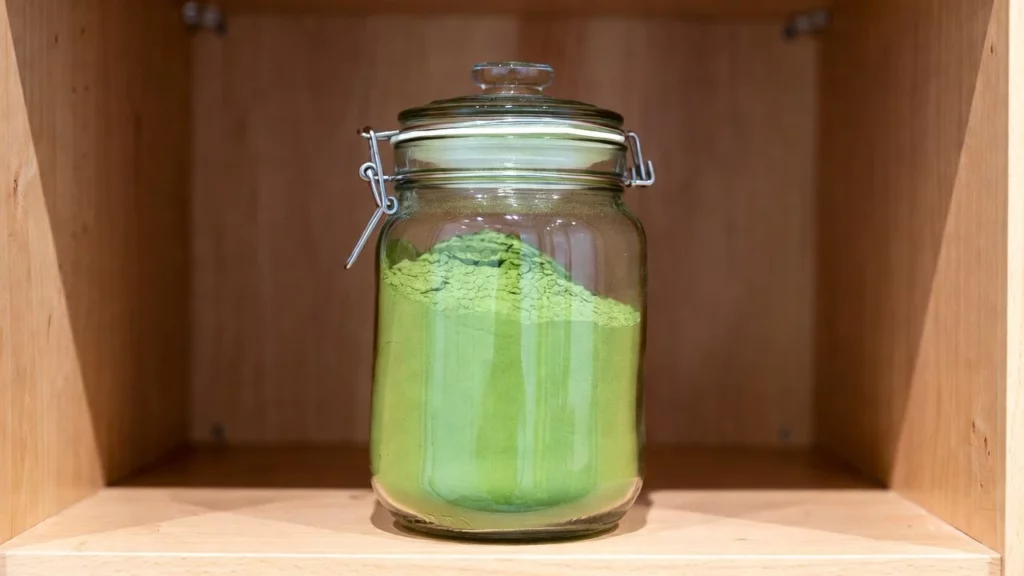
Kratom’s diversity appeals to those in Quebec exploring it. Kratom strains are generally categorized by vein colour, which correlates with leaf maturity and processing. Red vein varieties often associate with more calming properties, making them suitable for evening or relaxation-focused moments. Green vein options provide a middle ground, blending mild uplift with steadiness for daytime versatility. White vein types lean toward energizing qualities, appealing to those seeking focus or motivation.
Regional names like Maeng Da, Bali, or Borneo add further variety, with differences in potency and nuance based on growing conditions. Users in Quebec, like elsewhere, experiment to find alignments with personal routines, whether integrating into morning habits or unwinding after work. Forms vary too: loose powder allows flexible preparation, such as mixing into beverages, while capsules offer convenience and precise measurement. Proper storage in cool, dry, airtight conditions helps maintain freshness regardless of form.
Dive Deeper: City-Specific Guides to Kratom Across Quebec
Kratom in Montreal
Montreal’s vibrant, multicultural energy and thriving wellness scene make it a hotspot for those exploring kratom. From bustling neighbourhoods like Mile End to historic Old Montreal, residents appreciate the herb’s versatility amid the city’s fast-paced lifestyle and openness to holistic practices. While local shops offer some options, online sources often provide the widest strain variety, better pricing, and reliable quality assurance. This guide covers Montreal’s unique market dynamics, popular preferences among locals, and tips for navigating availability in the city.. Discover more tailored insights for Montreal residents in this guide to finding kratom in Montreal.
Kratom in Quebec City
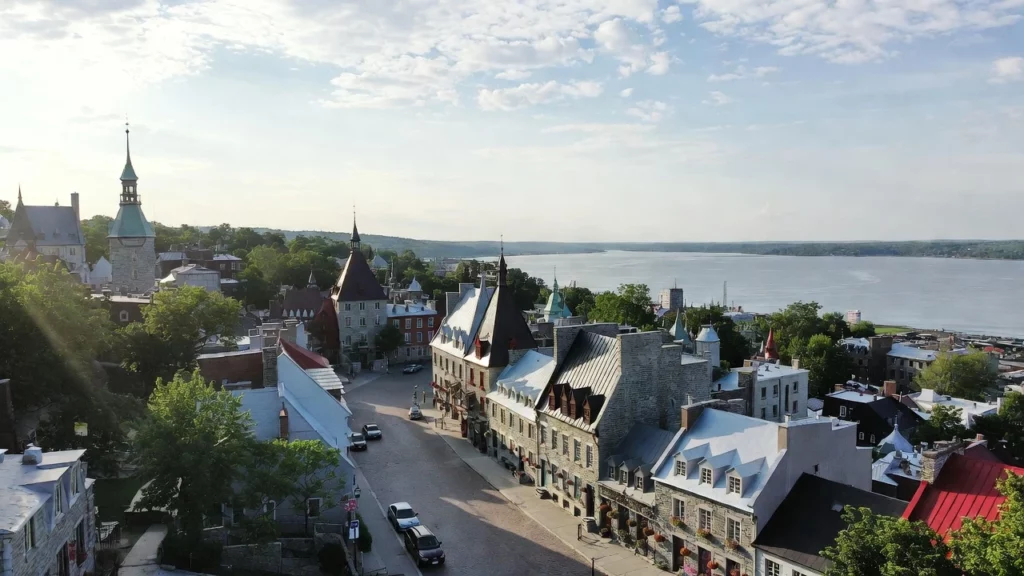
Quebec City blends historic charm with a growing interest in natural wellness, where kratom fits naturally into routines focused on balance and tradition. With limited physical retail due to regulatory caution, most residents turn to online vendors for convenient access to diverse strains and forms. Discussions in French-language communities highlight its appeal as a plant-based option in this culturally rich capital. This in-depth resource shares practical advice on compliant purchasing, strain exploration, and responsible use specific to Quebec City’s environment.
For Quebec City-focused details and tips, explore the complete guide here.
Kratom in Laval
Laval, with its suburban vibrancy and proximity to Montreal, offers residents easy access to broader Quebec trends in plant-based wellness. Kratom appeals here as a versatile botanical for daily support, though local brick-and-mortar options remain scarce, making informed online sourcing essential. This guide examines Laval’s market realities, strain considerations that suit suburban lifestyles, and key factors for quality and transparency when buying in the area. Get the full Laval-specific overview and practical recommendations.
Kratom in Gatineau
Gatineau’s location near Ottawa and its blend of urban and natural surroundings create a unique setting for kratom interest, with many residents seeking convenient, high-quality options. Proximity to distribution networks supports reliable shipping, but French-language compliance and regulatory nuances still play a role. This resource details availability patterns in Gatineau, common preferences among local users, and guidance for safe, effective exploration in the region. For in-depth coverage tailored to Gatineau, read this dedicated guide.
Kratom in Longueuil
Longueuil, as a major South Shore suburb directly across the Saint Lawrence River from Montreal, combines suburban calm with easy access to the metropolitan area’s wellness trends. With a population exceeding 250,000, it serves as a commuter hub where residents often seek convenient, plant-based options like kratom for daily support. Physical retail remains limited due to broader regulatory patterns in Quebec, leading most to rely on online vendors for diverse strains, reliable quality checks, and compliant shipping. For Longueuil-specific insights on availability, local preferences, and practical tips, explore the complete guide of finding kratom in Longueuil.
Frequently Asked Questions about Kratom in Quebec
Q: Is kratom legal to possess and use in Quebec in 2026?
A: Yes, kratom is legal to possess and use for personal purposes in Quebec and throughout Canada. It is not classified as a controlled substance under federal law. However, it is not authorized by Health Canada as a natural health product or for human consumption, so vendors label it for botanical, research, or non-consumable purposes and cannot make health-related claims.
Q: Does Quebec have any additional restrictions compared to other Canadian provinces?
A: Quebec follows the same federal framework as the rest of Canada, with no provincial ban. The main provincial distinction is the Charter of the French Language, which requires product labelling and commercial information to be in French (often markedly predominant). This can affect how products are packaged and shipped to Quebec addresses but does not prohibit possession or use.
Q: Where is the most common way to obtain kratom in Quebec?
A: Online vendors are the primary source for most Quebec residents due to limited physical retail availability. Compliant online platforms offer broader strain selection, detailed information, and shipping to Quebec addresses. Buyers often prioritize vendors who provide French-labelled or bilingual packaging to align with provincial requirements.
Q: Are there any risks associated with buying kratom in Quebec?
A: The main risk involves product quality and transparency, as kratom is unregulated as a consumable item. Purchasing from sources without verifiable testing could lead to contaminants or inconsistent potency. Always prioritize suppliers that offer third-party lab results and clear origin information, and be mindful of provincial language compliance to avoid delivery issues.
Q: Should I consult a healthcare professional before trying kratom?
A: Yes, it is wise to consult a healthcare provider, especially if you have existing medical conditions, take medications, or are new to kratom. Individual responses vary, and professional guidance helps address potential interactions and supports informed, responsible use.
Looking Ahead: Trends and Considerations
The landscape for kratom in Quebec continues evolving. Federal reviews of natural products and ongoing monitoring could influence future clarity, potentially leading to more defined pathways or sustained gray-area status. Provincial elements, like language laws and consumer protections, will likely remain influential, shaping how products enter the market. Interest shows no signs of fading, driven by wellness trends and desire for plant-based options. Quebec’s unique position, blending cultural depth with regulatory nuance, positions it as a thoughtful participant in broader Canadian conversations.
Kratom in Quebec offers an accessible yet layered experience. By understanding its deep historical roots, federal foundations, provincial specifics and common misconceptions, availability realities, and responsible approaches, individuals can navigate it confidently. This botanical continues to intrigue those valuing natural traditions in a modern context, contributing to Quebec’s diverse wellness tapestry.
Disclaimer
This information is for educational purposes only and does not constitute medical advice. Always consult a qualified healthcare professional before considering or using kratom, especially if you have pre-existing medical conditions, are pregnant, breastfeeding, taking medications, or have a history of substance use. If you experience adverse effects or suspect dependence, seek immediate medical help. Prioritize products from transparent sources with third-party testing where possible, but understand that no level of use is risk-free.
Kratom (Mitragyna speciosa) is not authorized by Health Canada as a natural health product, drug, or for human consumption, and vendors cannot market it with health, therapeutic, or wellness claims. While personal possession and use are not prohibited under federal law in Canada (including Quebec) as of 2026, this does not indicate that kratom is safe, effective, or endorsed by health authorities. Its active compounds, such as mitragynine and 7-hydroxymitragynine, interact with opioid receptors and can produce stimulant-like or opioid-like effects depending on dose, but they carry significant health risks.
Potential side effects include nausea, vomiting, constipation, dry mouth, dizziness, sweating, itching, agitation, confusion, high blood pressure, liver damage, seizures, hallucinations, and in rare cases, more severe outcomes such as respiratory depression. Long-term or heavy use increases risks of addiction, psychological effects (such as mood changes or psychosis-like symptoms), and other complications, including contamination-related issues from unregulated products (e.g., heavy metals, pathogens, or adulterants).
Individual responses vary widely based on factors like dosage, frequency, personal health, and interactions with other substances or medications. The author and publisher of this content are not liable for any injury, damage, illness, loss, or adverse outcome that may result, directly or indirectly, from the use, misuse, or reliance on any information provided herein.