


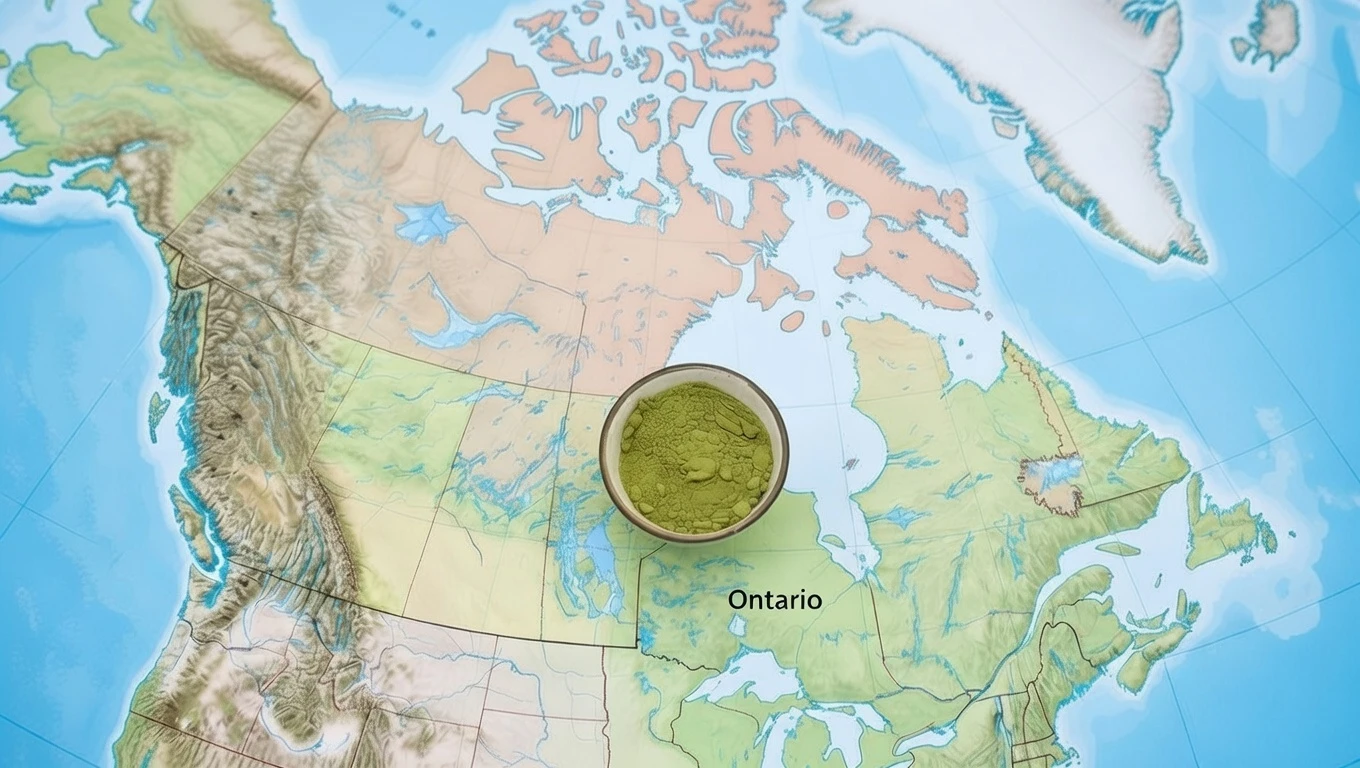

Ontario, as Canada’s most populous province with over 15 million residents, presents a unique landscape for interest in natural botanicals like kratom. The province’s geography, marked by dense urban centers in the south and expansive rural and northern areas, creates distinct patterns in demand, access, and engagement. Economic and demographic factors further amplify these differences, making kratom in Ontario a key region for understanding broader Canadian trends.
Population Distribution Drives Uneven Interest
The Greater Toronto Area houses a large share of Ontario’s population, with additional significant clusters around Ottawa and other southern urban centers. These high-density zones naturally show stronger observable interest, supported by larger communities exploring natural options, easier exposure to online discussions, and greater economic flexibility for discretionary pursuits.
Mid-sized southern cities present a more moderate picture, while rural southwestern regions and especially northern and remote territories display much lower visibility. Factors such as smaller populations, fewer local information hubs, and limited infrastructure contribute to this clear north-south gradient. Southern urban centers continue to drive the bulk of provincial momentum.
The Consistent Role of Online Channels Province-Wide
Sourcing kratom in Ontario remains the primary and most reliable method, with domestic shipping providing consistent access regardless of location. This approach is especially vital in areas where physical options are limited or nonexistent. In-person availability, when present, closely follows population density. More sustainable in southern urban settings with specialty outlets that can support inventory, but increasingly sparse farther afield. The provincial market therefore relies heavily on fulfillment networks, carrier reliability, and domestic routing rather than widespread local stocking.
Geographic and Logistics Variations
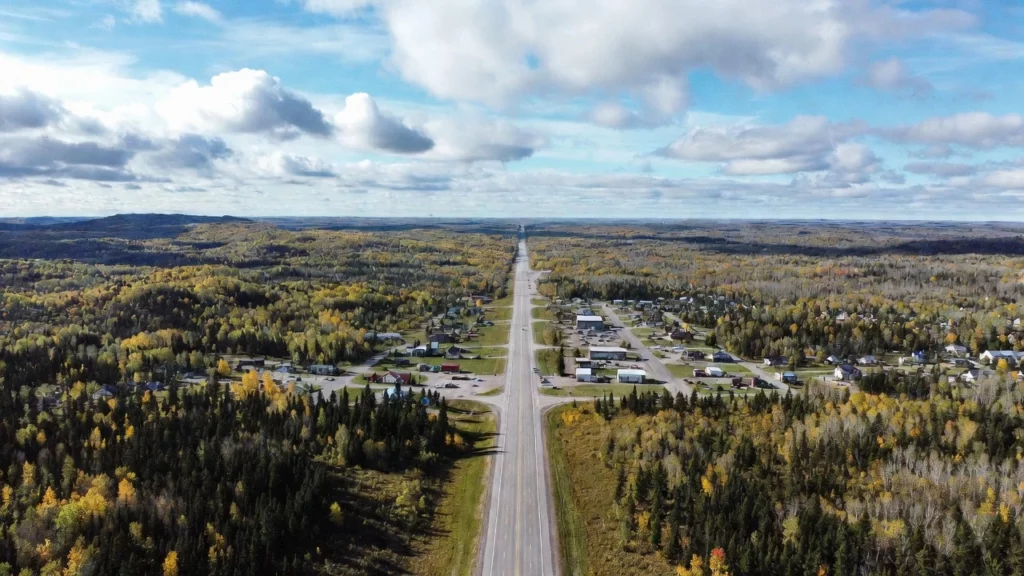
Ontario spans over one million square kilometers, leading to significant differences in practical realities. Southern urban locations benefit from proximity to distribution hubs and dense carrier routes, often resulting in delivery within 1 to 3 business days. Northern and remote communities, by contrast, frequently encounter extended timelines, sometimes 5 to 10 days or longer, due to distance, seasonal weather challenges, and remote access points.
These logistics realities make dependable domestic shipping a key factor for province-wide consistency. The table below summarizes the main geographic patterns:
| Region Type | Approximate Population Share | Typical Access Combination | Main Logistics Influences | Recent Patterns (2025–2026) |
|---|---|---|---|---|
| Greater Toronto Area & Southern Urban | 50–55% | Highest potential physical + online | Fast delivery, competitive options | Strongest activity, sets provincial trends |
| Ottawa & Eastern Corridor | 10–15% | Moderate physical + online | Seasonal weather on shipping | Steady presence linked to varied interests |
| Mid-Sized Southern Cities | 15–20% | Mostly online, occasional local | Standard provincial timelines | Stable but lower volume than major hubs |
| Rural Southwestern Ontario | ~10% | Almost entirely online | Extended distances | Heavy carrier dependence |
| Northern & Remote Ontario | ~5% | Exclusively online | Significant delays, possible higher costs | Lowest engagement, isolated sourcing |

Importation and Border Considerations for Ontario Residents
While domestic Canadian shipping remains the most reliable and low-risk method for accessing kratom across Ontario, some individuals consider international orders, which introduce additional complexities due to border processes. The Canada Border Services Agency (CBSA) routinely inspects incoming packages and may detain or seize items that appear non-compliant with federal import rules, particularly those lacking proper documentation or suggesting intended human consumption.
For Ontario residents, these risks are not uniform across the province. Southern urban areas with easier access to domestic alternatives tend to see less reliance on imports. In contrast, northern and remote regions, where local options are virtually nonexistent, sometimes turn to international sources, potentially facing longer delays if a package is held for review. CBSA enforcement primarily targets distribution or resale-level quantities rather than small personal amounts, but any detention can result in notification, seizure, or return of the item.
Since 2025, many users have shifted toward fully domestic online vendors to avoid these border hurdles entirely. This preference helps maintain smoother province-wide access, especially in areas already challenged by extended shipping distances and weather-related issues. Ontario’s large geography amplifies the practical benefits of sticking to Canadian-based fulfillment, reducing exposure to importation uncertainties.
Market Evolution and Recent Observations
Recent patterns show stable to modest growth in interest, concentrated primarily in southern population centers. Domestic sourcing has become more favoured to minimize potential border delays, and community discussions increasingly prioritize transparency in origin and handling. No major province-specific shifts in enforcement patterns were evident in 2025, maintaining the status quo.
Sub-regional differences add further nuance. The Greater Toronto Area and Ottawa corridor share urban benefits but diverge in community focus. One driven by broad wellness diversity, the other influenced by public-sector overlap. Mid-sized southern cities occupy a middle ground, while northern areas remain in near-total online dependence. These internal contrasts explain why a provincial view provides value beyond individual city experiences.
The Value of a Province-Level Perspective
Finding kratom in Ontario is far from uniform. Its demographic spread, infrastructure gaps, and regional contrasts create interconnected dynamics that affect demand signals, sourcing preferences, and overall patterns. Recognizing these layers helps situate local experiences within the larger framework and anticipates how developments in high-density zones might influence the broader province.

Future Outlook and Monitoring Recommendations
Ontario’s substantial population and market size position it as a key influencer in any potential national conversations around kratom. As Canada’s most populous province, trends observed here, such as steady online demand in urban south and logistics dependence in rural/northern areas, could help shape broader discussions on research, safety monitoring, or regulatory clarity if federal priorities evolve.
As of early 2026, no significant changes have occurred since 2025. Kratom continues to fall outside the Controlled Drugs and Substances Act, with Health Canada maintaining its classification as an unauthorized natural health product. Monitoring remains ongoing through advisories, import reviews, and compliance checks, but there are no indications of imminent scheduling, new provincial restrictions in Ontario, or major policy shifts.
To stay accurately informed, readers should periodically consult primary official sources, including:
- Health Canada’s website for any new advisories or regulatory updates.
- The Canada Border Services Agency (CBSA) guidelines on personal imports.
- The Justice Laws site for the Controlled Drugs and Substances Act.
This approach ensures awareness of any developments while relying on authoritative information rather than speculation or third-party interpretations. Ontario’s role as a bellwether province means keeping an eye on these channels will provide the clearest picture moving forward.
Kratom in Toronto: The Epicenter of Ontario’s Botanical Scene
As Canada’s largest city and the heart of the Greater Toronto Area, Toronto leads provincial interest in natural botanicals like kratom. With dense population, diverse wellness communities, and numerous head shops plus specialty outlets in areas like the Annex and North Toronto, residents enjoy the strongest mix of in-person and online options. Fast same-day or next-day delivery from GTA-based vendors makes sourcing seamless here. Explore trusted local spots and top strains in our in-depth Toronto guide.
Kratom in Ottawa: Steady Demand in the Capital Corridor
Ottawa’s public-sector professionals and multicultural neighborhoods contribute to consistent kratom curiosity along the eastern corridor. While physical availability is more limited than in Toronto, reliable domestic online shipping ensures quick access despite occasional seasonal weather impacts. Ottawa users often prioritize lab-tested products for transparency. Discover region-specific tips and vendor insights in our full Ottawa breakdown.
Kratom in Mississauga: GTA Hub with Strong Local and Online Access
Just west of Toronto, Mississauga benefits from its proximity to major distribution points, offering some of the fastest delivery times in the province alongside occasional in-person pickup options from nearby suppliers. This suburban powerhouse sees growing engagement from wellness-focused residents seeking premium organic strains. Check out our detailed Mississauga resource for the best sourcing strategies.
Kratom in Thunder Bay: Northern Ontario’s Online-Dependent Gateway
In remote northwestern Ontario, Thunder Bay exemplifies the challenges of northern access with virtually no local stock and deliveries often extended due to distance and weather. Residents rely exclusively on trusted domestic vendors for reliable shipment. Learn how to navigate longer timelines and choose carriers that perform best in the north in our Thunder Bay guide.
Kratom in Brampton: Rapidly Growing Interest in the GTA Suburbs
Brampton’s vibrant, fast-expanding communities drive solid kratom demand within the Greater Toronto Area. Easy access to online fulfillment and occasional nearby specialty sources keeps options competitive and convenient. Focus on quality and variety is key here. Dive into our Brampton-specific overview for current trends and recommendations.
Kratom in Kitchener: Balanced Access in Waterloo Region
Kitchener and the surrounding Waterloo area show moderate but stable engagement, blending urban convenience with strong dependence on domestic shipping. Mid-sized city perks include standard provincial delivery speeds and growing online community discussions. Learn how Kitchener fits into southern Ontario patterns in our dedicated Kitchener post.
Kratom in Hamilton: Industrial City with Solid Southern Momentum
Hamilton’s working-class roots and proximity to the GTA create reliable kratom visibility, with a good balance of online dominance and sporadic local availability in head shops. Fast carrier routes support quick turnaround for most orders. Explore Hamilton’s unique blend of access in our comprehensive guide.
Kratom in London: Southwestern Ontario’s Emerging Hotspot
London benefits from its mid-sized status, offering mostly online sourcing with occasional in-person finds and dependable provincial shipping timelines. Interest here ties into broader southwestern curiosity about natural alternatives. Our London guide highlights practical tips for consistent access.
Kratom in Markham: Upscale GTA Community with Premium Preferences
Markham’s affluent, diverse population leans toward high-quality, lab-tested kratom options, supported by excellent GTA logistics for rapid delivery. Online remains primary, but proximity to suppliers enhances convenience. Get the full scoop on Markham’s sourcing landscape in our targeted post.
Kratom in Vaughan: Northern GTA Growth Driving Demand
Vaughan’s expanding suburbs and family-oriented vibe contribute to rising kratom exploration in the northern GTA. Fast shipping from regional hubs and strong online reliability make it straightforward. Our Vaughan guide breaks down local nuances and best practices.
Kratom in Oakville: Lakeside Luxury Meets Practical Access
Oakville’s upscale lakeside setting aligns with preferences for premium, organic kratom, backed by quick GTA-area delivery and minimal logistical hurdles. Online channels dominate for variety. Discover Oakville-specific insights in our detailed overview.
Kratom in Oshawa: Eastern GTA with Steady Online Reliance
Oshawa’s industrial and commuter base supports moderate kratom interest, primarily through domestic online vendors with standard southern Ontario shipping speeds. Occasional local options appear in nearby areas. Check our Oshawa guide for how eastern corridor trends apply here.
Kratom in Scarborough: Diverse Toronto Borough with Vibrant Wellness Scene
As part of Toronto’s east end, Scarborough features strong multicultural influences fueling interest in natural botanicals. Access mirrors GTA advantages with abundant online choices plus some in-person spots in head shops. Our Scarborough guide explores neighborhood-specific patterns and recommendations.
Kratom in Richmond Hill: Affluent Northern GTA Access
Richmond Hill’s affluent suburban growth and proximity to major GTA distribution hubs provide residents with excellent access to kratom, blending quick delivery options with occasional local specialty finds. This upscale community mirrors broader southern Ontario trends in premium preferences and reliable online sourcing. Explore trusted vendors, neighbourhood insights, and top recommendations in our dedicated Richmond Hill guide.
FAQ: Common Questions About Kratom in Ontario
Q: Why does kratom interest vary so much across Ontario?
A: Interest is strongly tied to population density. Southern urban areas like the Greater Toronto Area and Ottawa corridor have higher visibility due to larger populations, more diverse communities, and better access to online information. Rural and northern regions show lower engagement primarily because of smaller populations and limited local infrastructure, not necessarily lower inherent curiosity.
Q: Is online the only practical way to access kratom in Ontario?
A: For most of the province, yes, especially outside major southern cities. Domestic online shipping provides the most consistent and reliable access province-wide. Physical availability is sporadic and concentrated in urban southern areas, making online the dominant method almost everywhere.
Q: How do logistics affect kratom access in northern Ontario?
A: Northern and remote regions face longer delivery times (often 5 to 10+ days) due to distance, weather, and remote locations. This makes dependable domestic carriers crucial and increases reliance on online sourcing compared to southern urban areas with faster timelines.
Q: Are there signs of major changes to kratom’s status in Ontario or Canada soon?
A: As of early 2026, no significant federal or provincial changes have occurred since 2025. Kratom remains outside the Controlled Drugs and Substances Act, but Health Canada continues monitoring. Always check official sources for the latest.
Q: Why is a province-wide view useful if I’m only interested in my local area?
A: Ontario’s size and diversity mean local patterns are interconnected with broader provincial trends (e.g., southern urban demand influencing online availability everywhere). Understanding the bigger picture provides context and helps anticipate how shifts in one region might affect others.
Conclusion
Kratom in Ontario remains a subject shaped by the province’s extraordinary geographic and demographic diversity. From the high-density urban corridors in the south, where population and economic factors drive stronger observable interest, to the remote northern and rural territories, where logistics and isolation play a defining role, the patterns reveal a highly varied provincial landscape.
Understanding these broader trends provides valuable context for anyone exploring kratom in Ontario, highlighting the interconnected nature of demand, access, and practical realities across such a large and diverse province. Kratom in Ontario reflects the province itself: complex, regionally varied, and continually evolving. This perspective offers a clearer view of how one of Canada’s most significant regions engages with this botanical in 2026 and beyond.
Disclaimer
Kratom is not approved or authorized by Health Canada as a natural health product, drug, or food for human consumption, Health Canada has consistently warned that kratom may pose serious health risks, including but not limited to nausea, vomiting, drowsiness, constipation, dizziness, seizures, liver toxicity, rapid heartbeat, dependence, addiction, withdrawal symptoms, and other adverse effects, particularly when used in high doses, long-term, or in combination with other substances such as alcohol, opioids, or medications.
These risks can be amplified in vulnerable populations, including those with pre-existing medical conditions (e.g., heart, liver, or mental health issues), pregnant or breastfeeding individuals, or those operating machinery or driving. Kratom’s opioid-like effects at higher doses raise concerns about potential misuse, physical dependence, and in rare cases, severe outcomes when mixed with other drugs.
The information provided in this overview is for educational and informational purposes only and does not constitute medical advice, diagnosis, treatment recommendations, or encouragement to use kratom. Individual responses to kratom can vary widely, and its long-term safety remains under-researched with limited high-quality clinical evidence available. Readers are strongly urged to consult a qualified healthcare professional before considering any use of kratom or similar botanicals, to discuss potential interactions with existing medications or health conditions, and to seek personalized guidance.
The author and publisher are not liable for any loss, injury, claim, liability, damages, costs, or expenses arising from the use of, or reliance upon, any information contained in this overview or related materials, nor do they assume any responsibility for errors, omissions, or inaccuracies in the content provided. Use of kratom carries inherent uncertainties and potential health hazards, and caution is advised.