Using Kratom in Drinks: Pros and Cons of Cold vs. Hot
Faust
Combining your kratom in drinks has become a popular way to enjoy this plant-based substance, offering a versatile and palatable method for consumption. Whether mixed into a chilled smoothie or steeped in a warm tea, the temperature of the drink can significantly influence the experience. This comprehensive guide explores the advantages and disadvantages of preparing kratom in cold versus hot drinks, providing practical insights for users seeking the best approach. From flavour profiles to preparation techniques, we’ll cover everything you need to know to make an informed choice.
What Is Kratom and Why Use It in Drinks?
Kratom, derived from the leaves of the Mitragyna speciosa tree native to Southeast Asia, has been used for centuries in traditional practices. Its leaves contain alkaloids that interact with the body, producing effects that vary depending on dosage and preparation. Many users turn to kratom for its potential to promote relaxation, enhance focus, or provide a gentle energy boost.
Incorporating kratom into drinks offers a convenient way to consume it, masking its naturally bitter taste and allowing for creative flavour combinations. Drinks also provide a gradual release of effects compared to other methods like capsules or powders. Whether you prefer a refreshing iced beverage or a soothing hot infusion, the temperature of your drink can shape the overall experience.
The Appeal of Kratom in Hot Drinks
Hot drinks, such as teas or lattes, are a traditional choice for kratom preparation. The warmth of the liquid can enhance the sensory experience, making it a comforting option, especially in cooler climates. Let’s explore the benefits and drawbacks of using kratom in hot drinks.
Pros of Kratom in Hot Drinks
One significant advantage of hot drinks is their ability to extract alkaloids more efficiently. Heat can help release the active compounds in kratom, potentially leading to a more pronounced effect. For users seeking relaxation or mild sedation, a warm kratom tea may provide a soothing ritual that enhances the calming properties of certain strains.
Hot drinks also allow for easy flavour customization. Adding ingredients like honey, ginger, or cinnamon can mask kratom’s bitterness, creating a pleasant taste profile. The warmth of the drink can also aid digestion, which may improve the absorption of kratom’s alkaloids, leading to a smoother onset of effects. The preparation process for hot kratom drinks is straightforward. Steeping kratom powder in hot water, similar to brewing tea, is a time-honored method that requires minimal equipment. This simplicity makes it accessible for beginners and experienced users alike.
Cons of Kratom in Hot Drinks
Despite its benefits, using kratom in hot drinks has some downsides. Excessive heat can degrade certain alkaloids, potentially reducing the potency of the kratom. Boiling water, for instance, may break down mitragynine, one of the primary alkaloids responsible for kratom’s effects. To avoid this, users must carefully monitor water temperature, ideally keeping it below boiling.
Another challenge is the time required for preparation. While steeping kratom is simple, it can take 10 to 20 minutes to achieve the desired strength, which may not suit those seeking quick consumption. Additionally, hot drinks may not be as refreshing in warm weather, limiting their appeal during summer months. The bitterness of kratom can also be more pronounced in hot drinks if not properly masked. Even with sweeteners or spices, some users may find the flavour less palatable than in cold beverages. Finally, hot drinks are less portable, as they require careful handling to avoid spills and maintain temperature.
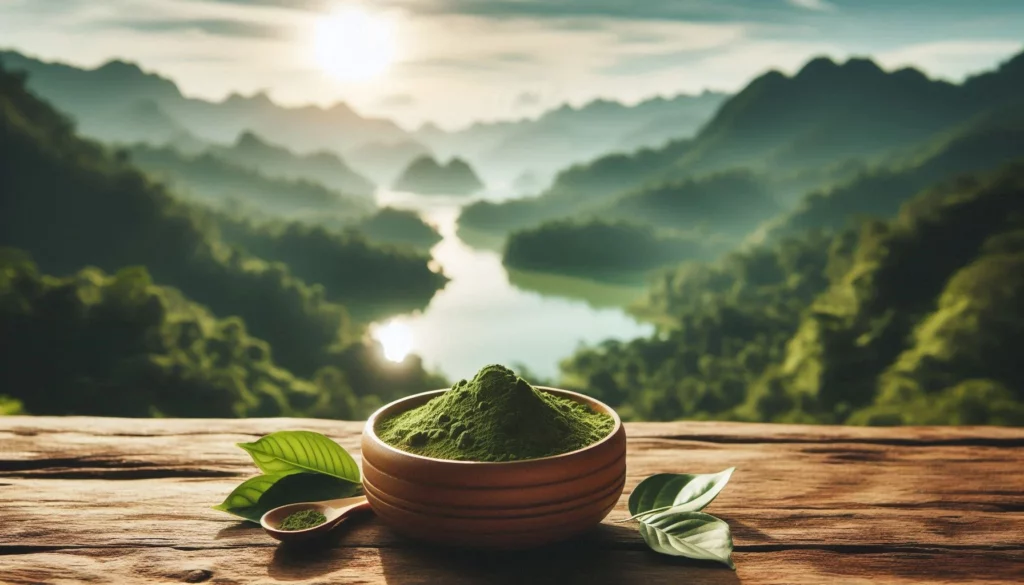
Kratom powder in a clay bowl, set against a breathtaking mountain landscape at sunrise
The Rise of Kratom in Cold Drinks
Cold kratom drinks, such as smoothies, iced teas, or fruit-infused beverages, have gained popularity for their refreshing qualities and versatility. This method appeals to users who enjoy vibrant flavours and a cooling experience. Let’s examine the pros and cons of using kratom in cold drinks.
Pros of Kratom in Cold Drinks
One of the biggest advantages of cold drinks is their ability to mask kratom’s bitterness effectively. Blending kratom powder with fruits, juices, or creamy bases like yogurt creates a flavorful beverage that is easier to consume. For example, a mango smoothie or a citrus-infused iced tea can transform the taste, making it enjoyable even for those sensitive to kratom’s natural flavour.
Cold drinks are also highly refreshing, making them ideal for warm climates or after physical activity. The cooling sensation can enhance the overall experience, particularly when paired with energizing kratom strains. Additionally, cold drinks are portable, allowing users to prepare them in advance and enjoy them on the go.
The preparation of cold kratom drinks is often quick and convenient. Mixing kratom powder into a shake or stirring it into a chilled juice takes minimal effort and requires no heating. This makes cold drinks a practical choice for busy individuals or those new to kratom. Cold drinks also offer flexibility in terms of dosage. Since the kratom powder is not heated, there is less risk of alkaloid degradation, ensuring consistent potency. Users can easily adjust the amount of kratom in their drink to suit their preferences.
Cons of Kratom in Cold Drinks
While cold drinks have many benefits, they come with some limitations. The alkaloids in kratom are less soluble in cold liquids, which may result in a slower onset of effects compared to hot drinks. Users may need to consume larger volumes or wait longer to feel the desired results. Another potential issue is the texture of kratom powder in cold drinks. If not blended thoroughly, the powder can clump or settle at the bottom, creating an uneven distribution and an unpleasant drinking experience. A high-powered blender or vigorous stirring is often necessary to achieve a smooth consistency.
Cold drinks may also require more ingredients to achieve a balanced flavour, which can increase preparation time and cost. For example, creating a palatable smoothie might involve purchasing fresh fruits, juices, or other additives, whereas a hot tea may only require water and a sweetener. Finally, cold drinks may not provide the same comforting ritual as hot drinks. For users who associate warmth with relaxation, a chilled beverage might feel less satisfying, particularly in colder weather.
Comparing Preparation Techniques for Kratom in Drinks
The preparation method for kratom in drinks varies significantly between hot and cold options, impacting both convenience and effectiveness. Understanding these differences can help users choose the best approach for their needs. For hot drinks, the most common method is brewing kratom tea. This involves steeping kratom powder or leaves in hot water (ideally between 175°F and 195°F) for 10 to 15 minutes. Users can strain the liquid to remove any residue or consume it as is. Adding ingredients like lemon juice can enhance alkaloid extraction, while sweeteners improve taste.
Cold drink preparation typically involves mixing kratom powder directly into a liquid or blending it into a smoothie. To prevent clumping, users should dissolve the powder in a small amount of warm water before adding it to the cold liquid. Shaking or blending ensures even distribution, especially in thicker beverages like shakes. Both methods require attention to dosage. A typical starting dose for kratom is 1 to 2 grams, with experienced users consuming up to 5 grams or more. Measuring the powder accurately and mixing it thoroughly is essential to avoid uneven effects.
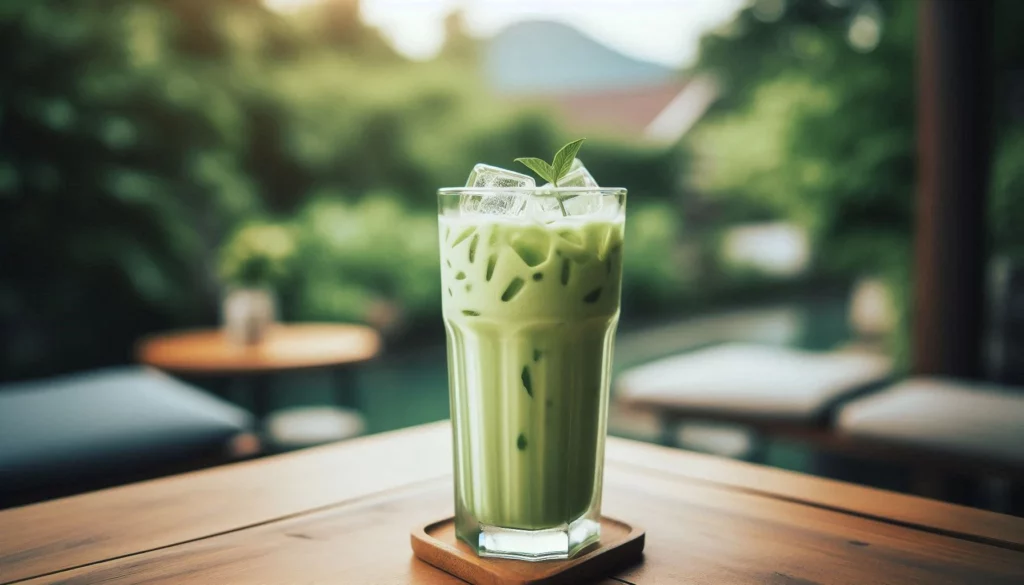
Refreshing iced kratom beverage topped with a mint sprig, served outdoors on a wooden table
Flavour Profiles and Pairings
The flavour of kratom in drinks is a key consideration, as its natural bitterness can be off-putting. Hot drinks benefit from warm, earthy spices like cinnamon, cloves, or cardamom, which complement kratom’s profile. Herbal teas, such as chamomile or peppermint, can also create a harmonious blend.
Cold drinks offer more opportunities for experimentation. Tropical fruits like pineapple, mango, or banana pair well with kratom, masking its bitterness and adding natural sweetness. Citrus juices, such as orange or grapefruit, can brighten the flavour while aiding alkaloid absorption. For a creamy texture, ingredients like almond milk, coconut milk, or yogurt work well.
Regardless of the temperature, users should avoid overly acidic ingredients in large quantities, as they may irritate the stomach when combined with kratom. Balancing flavours and testing small batches can help create a drink that is both enjoyable and effective.
Practical Tips for Using Kratom in Drinks
Start with a low dose: Especially for beginners, begin with 1 to 2 grams of kratom to assess its effects before increasing the amount.
Use a strainer for hot drinks: Filtering out kratom residue can improve the texture and make the drink more palatable.
Blend cold drinks thoroughly: A blender or shaker bottle ensures a smooth consistency and prevents powder from settling.
Experiment with strains: Different kratom strains, such as Maeng Da or Bali, produce varying effects. Match the strain to your desired outcome, whether it’s energy or relaxation.
Store cold drinks properly: If preparing in advance, refrigerate kratom drinks and consume them within 24 hours to maintain freshness.
Monitor temperature for hot drinks: Avoid boiling water to preserve alkaloid potency. Use a thermometer if necessary.
Stay hydrated: Kratom can be dehydrating, so drink plenty of water alongside your kratom beverage.
The Cultural Context of Kratom Drinks
Kratom has deep roots in Southeast Asian culture, where it has been consumed in teas and chewed fresh for centuries. In countries like Thailand and Malaysia, kratom tea is a traditional remedy used by labourers for energy and by communities for social bonding. This cultural heritage underscores the versatility of kratom in drinks, bridging traditional and modern practices.
In Western countries, the rise of kratom use in general and in cold drinks reflects a broader trend toward functional beverages. Smoothies and iced teas infused with botanicals are increasingly popular, and kratom fits seamlessly into this movement. Understanding this context can deepen appreciation for kratom’s role in both hot and cold preparations.
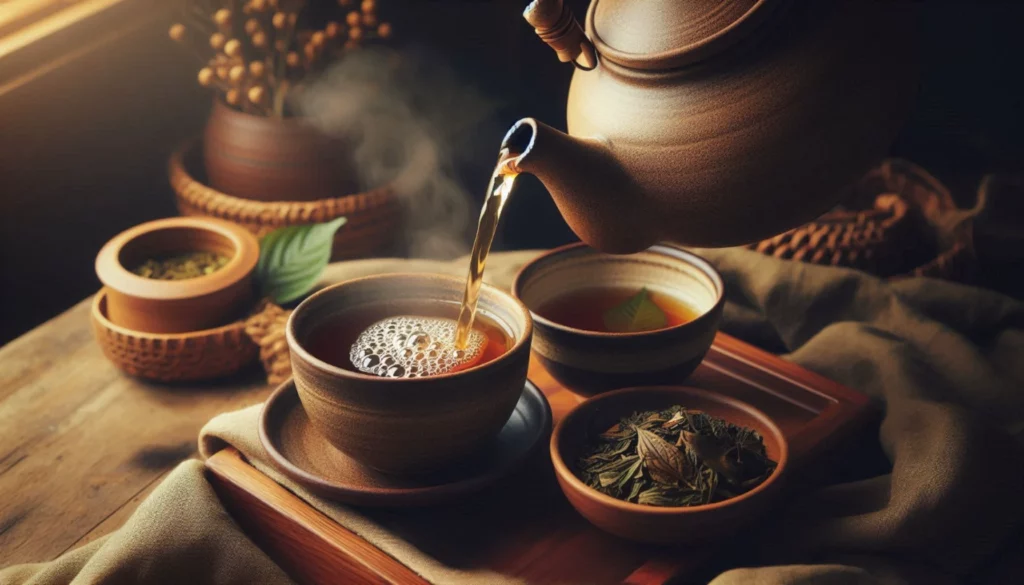
Traditional tea ceremony setup with a teapot pouring steaming kratom tea into rustic clay cups
FAQ: Using Kratom in Cold vs. Hot Drinks
Q: What types of kratom strains work best in cold versus hot drinks? A: For hot drinks, calming strains like Red Bali pair well with the soothing warmth, promoting relaxation. Cold drinks suit energizing strains like Green Maeng Da, enhancing the refreshing vibe for daytime use. Start with a low dose to assess effects.
Q: Can I prepare kratom drinks in advance and store them? A: Yes, cold kratom drinks can be refrigerated in airtight containers for up to 24 hours; shake before drinking. Hot drinks are best fresh but can be cooled and refrigerated for 12 hours. Avoid freezing to preserve taste.
Q: How can I reduce the bitterness of kratom in drinks? A: Mask bitterness in hot drinks with honey. For cold drinks, blend with sweet fruits like berries or use creamy bases like almond milk. A splash of citrus can brighten flavours.
Q: Are there any health risks associated with consuming kratom in drinks? A: Overuse may cause nausea or fatigue. Stick to 1-2 grams for beginners, avoid mixing with alcohol, and consult a doctor if on medications. Buy from reputable sources to ensure purity and minimize risks.
Q: How does the time of day affect the choice between cold and hot kratom drinks? A: Cold drinks are great for mornings with energizing strains to boost focus. Hot drinks suit evenings with calming strains for relaxation. Choose based on your routine and desired effects.
Q: Can I combine hot and cold preparation methods for kratom drinks? A: Yes, steep kratom in hot water for better alkaloid extraction, then cool and add to a cold drink like iced tea. Blend well to avoid clumping and adjust the taste with fruit or herbs.
Q: Is it better to use kratom powder or crushed leaves in drinks? A: Powder mixes easily in both hot and cold drinks, offering convenience and consistent dosing. Crushed leaves, used in hot teas, need straining and suit a traditional approach. Powder is more versatile.
Conclusion
Using kratom in drinks offers a flexible and enjoyable way to experience this plant’s effects. Hot drinks provide warmth, comfort, and efficient alkaloid extraction, making them ideal for relaxation and colder seasons. Cold drinks, with their refreshing flavours and portability, cater to active lifestyles and warm weather. Each method has unique advantages and challenges, from preparation time to taste considerations.
By experimenting with recipes, strains, and preparation techniques, users can tailor their kratom drink experience to their preferences. Whether you’re sipping a spiced tea or a fruity smoothie, the key is to prioritize quality, safety, and moderation. With the right approach, kratom in drinks can be a delightful addition to your wellness routine, offering both flavour and function.
Disclaimer
The information in this blog about using kratom in drinks is for educational purposes only and is not medical advice. Kratom (Mitragyna speciosa) may have varying effects, and its safety and efficacy are not fully evaluated by regulatory authorities like Health Canada or the FDA. Kratom use carries health risks, including nausea, dizziness, constipation, fatigue, or, in rare cases, dependency or adverse interactions.
Consult a healthcare professional before using kratom, especially if you have medical conditions, are pregnant or breastfeeding, or take medications, as kratom may interact with drugs. Avoid combining kratom with alcohol, sedatives, or other substances due to risks of amplified effects. Kratom’s legal status varies by region and may be restricted. Verify legality in your area before use. Source kratom from reputable vendors to ensure quality and minimize contamination risks. The author and publisher are not liable for any adverse effects, injuries, or consequences from kratom use or this information.
On February 16, 2026, select provinces will observe regional holidays.
Canada Post will operate as normal and all shipments will be processed as usual.
FedEx will be closed in Prince Edward Island (Islander Day); Alberta, British Columbia, Ontario, Saskatchewan, and New Brunswick (Family Day); Manitoba (Louis Riel Day); and Nova Scotia (Heritage Day). FedEx shipments to these provinces will move the next business day.