


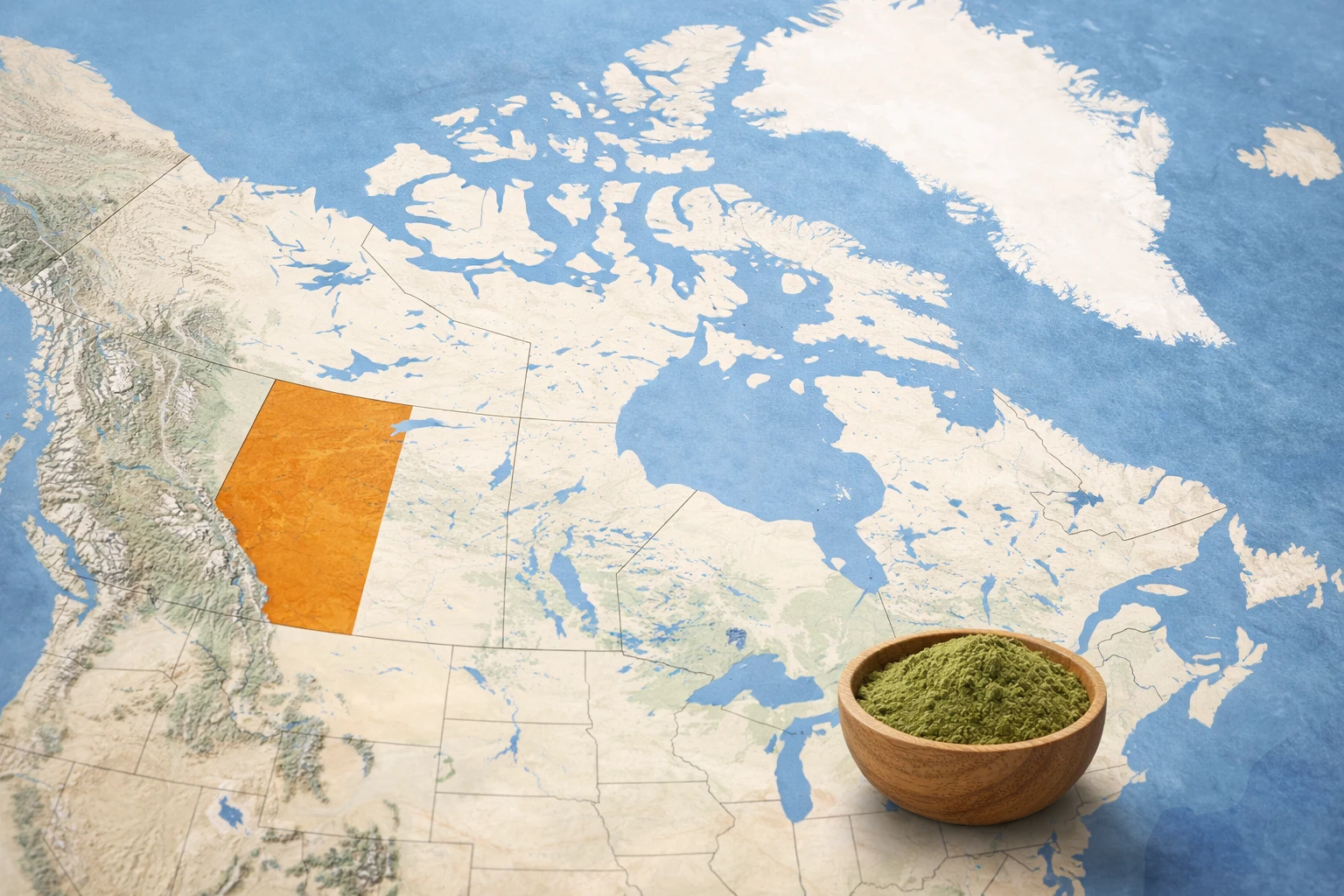

Interest in natural wellness options continues to rise across Alberta, where residents from urban centers to remote northern communities seek plant-based alternatives to support energy, relaxation, and daily balance amid demanding lifestyles like oil and gas work, outdoor pursuits in the Rockies, or harsh seasonal changes. Kratom in Alberta has emerged as one such option gaining popularity for its versatile traditional uses.
This guide offers a thorough province-wide overview of finding and buying kratom responsibly in Alberta. It emphasizes education, safety, and compliance with federal regulations, serving as your central resource while linking to localized city-specific insights where needed. By focusing on informed choices, Albertans can navigate this market confidently and effectively.
Kratom in Alberta: Provincial Trends and Appeal
Interest in kratom Alberta reflects broader trends toward plant-based alternatives across Canada. In 2025–2026, searches and community discussions show rising curiosity, particularly in provinces with active wellness scenes. Alberta stands out due to its diverse population: urban professionals in Calgary seeking focus aids, Edmonton residents exploring relaxation options, and rural or northern users valuing convenient access despite limited local availability.
The province’s geography plays a role. Vast distances and seasonal weather make reliable delivery essential. Many turn to online sources for consistency, especially where physical options remain sparse. This shift highlights why understanding province-wide patterns matters more than city-specific details alone.
The Legal Landscape of Kratom in Alberta
Kratom legal Alberta follows Canada’s federal framework closely, with no additional provincial restrictions as of January 2026. Kratom (Mitragyna speciosa) is not classified as a controlled substance under the Controlled Drugs and Substances Act. Possession and personal use remain legal for adults.
However, Health Canada has not authorized kratom for human consumption or sale as a natural health product, food, or drug. Vendors must label it as a botanical specimen, for aromatherapy, research, or similar non-consumable purposes, complying with the Canada Consumer Product Safety Act and Food and Drugs Act. Marketing it with health claims or for ingestion risks enforcement actions, such as product seizures seen in past incidents in Edmonton and other areas.
Alberta’s approach remains moderate compared to some provinces, focusing enforcement on improper labeling or unsubstantiated claims rather than individual users. No province-wide age restrictions apply beyond general retail rules (typically 18+ in Alberta). Import rules add caution: Canada Border Services Agency may seize mislabeled packages.
Provincial Comparison: Access Patterns Across Alberta
Access to kratom in Alberta varies significantly by region, reflecting population density, local enforcement history, and logistics. Major urban centers like Calgary and Edmonton occasionally feature specialty shops or headshops carrying limited stock, though regulatory scrutiny keeps offerings inconsistent. Mid-sized cities such as Red Deer, Lethbridge, or Grande Prairie have minimal to no local availability due to retail restrictions. Rural and northern areas face virtually no physical outlets, making online delivery the primary method, with tracked shipping essential for navigating weather-related delays.
Online purchasing dominates province-wide for good reason: broader strain selection, competitive pricing, discreet packaging, and often faster turnaround from Canadian-based vendors. Local attempts can involve travel, higher costs, or quality uncertainty. The subsections below highlight access realities in Alberta’s key population centers.
Kratom Access in Calgary
Calgary’s wellness community, influenced by its proximity to the Rockies and active lifestyles in industries like energy, often seeks kratom for balanced energy or post-activity recovery. While some specialty shops exist, regulatory caution limits local stock, making online vendors the most reliable source for variety and quality assurance. Fast shipping helps overcome winter delays and sprawling geography. This approach ensures consistent, discreet access for those integrating natural options into busy routines.
Explore detailed buying options, vendor tips, and lifestyle integration for kratom in Calgary here.
Kratom Access in Edmonton
Edmonton’s urban wellness scene and northern climate drive steady interest in kratom in Edmonton, where residents often seek natural options for energy during long winters or relaxation after busy days in industries like tech and services. Regulatory scrutiny has historically limited local shop availability. Past Health Canada actions targeted improper marketing, making reliable in-person options scarce. Many turn to online vendors for consistent quality, wider selection, and discreet, tracked delivery that avoids weather delays. This approach ensures access to lab-tested products without the risks of inconsistent local stock.
Discover detailed buying options, community insights, and practical tips for in our guide to buy kratom online in Edmonton.
Kratom Access in Red Deer
As a mid-sized hub between major cities, Red Deer sees growing curiosity about kratom among residents with diverse lifestyles, from shift workers needing focus to those prioritizing natural wellness amid the area’s community events and outdoor spaces. Local availability remains extremely limited due to federal restrictions on consumable marketing and minimal specialty retail presence, pushing most users toward online sources for reliable, cost-effective access. Fast Canadian shipping helps overcome distance and seasonal logistics challenges, delivering quality-assured options directly. This makes mail-order the practical choice for consistent, safe exploration in the region.
Explore customized guidance on sourcing, challenges, and responsible approaches for residents of this city in this complete guide to buy kratom in Red Deer.
Quality and Safety Considerations for Albertans
Prioritizing quality ensures a safer experience with kratom in Alberta. Look for third-party lab testing that verifies purity, alkaloid content (like mitragynine), and absence of contaminants such as heavy metals, pathogens, or adulterants. Ethical sourcing, often direct from Southeast Asian farmers, supports freshness and sustainability.
Alberta’s climate adds practical challenges: cold winters can delay shipments, while dry air or humidity fluctuations affect storage. Keep products in airtight containers in a cool, dark place to maintain potency. Responsible practices build trust: Start with small amounts to assess personal response, avoid daily high-dose routines, and consult a healthcare professional if combining with medications or managing health conditions. Neutral, evidence-based awareness helps users navigate potential effects mindfully.

Choosing a Reputable Vendor in Alberta
Selecting trustworthy sources is crucial in this unregulated space. Key indicators include:
- Clear compliance: Products labeled for non-consumable use, with no health claims.
- Transparency: Public lab reports, detailed sourcing info, and adherence to good manufacturing practices.
- Reliable logistics: Fast Canadian processing, tracked shipping (vital for Alberta’s size), and fair policies on returns or issues.
- Community feedback: Authentic reviews from Canadian users on forums, avoiding overly promotional claims.
Canadian-based vendors often provide advantages like quicker delivery and fewer border risks compared to international ones. Red flags include vague descriptions, unverified testing, or exaggerated promises.
Current Research and Emerging Trends in Kratom Use
Scientific interest in kratom (Mitragyna speciosa) continues to grow in Canada and globally, though high-quality, large-scale clinical research remains limited as of January 2026. Most evidence draws from traditional use in Southeast Asia, observational reports, and preclinical studies examining its primary alkaloids, mitragynine and 7-hydroxymitragynine, for their interactions with opioid receptors and potential effects on pain perception, mood, or energy.
In Canada, Health Canada maintains that kratom is not authorized for human consumption, citing risks such as nausea, dependency potential, and rare severe outcomes (often linked to adulterated or combined substances). Recent advisories highlight concerns over products mislabeled as “kratom extracts” but containing elevated synthetic 7-hydroxymitragynine levels, which differ significantly from natural leaf profiles. Research from BCIT’s Natural Health and Food Products Research Group (2025) has helped distinguish natural alkaloids (e.g., mitragynine increasing respiratory frequency without naloxone reversal) from synthetic variants, emphasizing risks of unapproved imposters and supporting calls for better quality standards and detection methods.
Trends show increasing popularity in provinces like British Columbia and Ontario due to wellness community interest in plant-based options, with market analyses projecting steady growth in kratom extracts through 2033 driven by demand for natural alternatives amid chronic pain and mood challenges. However, no large-scale Canadian trials have emerged to confirm or refute therapeutic claims, and Health Canada continues monitoring exposures and seizures of unauthorized products.
These developments highlight ongoing gaps: more rigorous, peer-reviewed studies are needed to clarify safety, efficacy, and appropriate use. Advocacy groups push for evidence-based regulatory evolution, potentially leading to clearer pathways similar to other botanicals. For Albertans, this reinforces the value of prioritizing transparent, lab-tested sources while staying informed through official channels like Health Canada updates.
Challenges and Future Outlook for Kratom in Alberta
Challenges persist: Regulatory uncertainty can lead to variable product quality or supply disruptions. Shipping across a large province like Alberta occasionally faces postal or weather issues. Quality inconsistency from unverified sources remains a concern. Looking ahead, advocacy and emerging research may push for more defined standards. Health Canada’s ongoing monitoring could bring evolution, potentially clearer pathways or continued caution. For now, informed, responsible choices support safe access to buy kratom in Alberta.
FAQ
Q: Is kratom legal to buy and possess in Alberta?
A: Yes, kratom in Alberta is legal for personal possession and use. It’s not a controlled substance under Canada’s Controlled Drugs and Substances Act. Vendors must label it as a botanical or non-consumable item, as Health Canada does not authorize it for consumption. No provincial bans exist as of January 2026.
Q: Can I buy kratom in local stores in Alberta, or is online the only option?
A: Local availability is limited due to federal marketing restrictions. Some specialty shops in Calgary or Edmonton may stock it sporadically, but most Albertans use online vendors for reliable quality, selection, and delivery, especially in rural or mid-sized areas.
Q: How do I know if an online kratom vendor is reputable and compliant in Canada?
A: Choose vendors offering third-party lab tests, transparent Southeast Asian sourcing, clear non-consumable labeling, and no health claims. Look for Canadian-based operations, tracked shipping, fair policies, and genuine forum reviews. Avoid sites with vague info or exaggerated promises.
Q: What are the main risks or safety concerns when using kratom?
A: Possible side effects include nausea, dependency with frequent high doses, or medication interactions. Health Canada notes risks from poor-quality or adulterated products. Start low, store properly, and consult a doctor if needed. Always prioritize lab-tested sources.
Q: How does shipping work for kratom orders to Alberta, and are there delays?
A: Canadian vendors typically offer fast processing and tracked shipping (2–5 business days to Alberta). Winter weather or postal issues can cause occasional delays, especially in rural/northern regions. Choose vendors with reliable logistics and stay up to date with disruptions on the shipping carrier’s website.
Q: Can I travel with kratom within Alberta or across Canada?
A: Yes, personal possession is legal nationwide. Keep amounts reasonable for personal use, ensure proper labeling, and avoid suggesting commercial intent. Enforcement targets marketing issues more than individual travel.
Q: Will kratom regulations change in Alberta or Canada soon?
A: No major changes as of January 2026. Health Canada continues monitoring research and exposures. Advocacy pushes for clearer guidelines, but the gray-area status persists. Check official Health Canada updates for any developments.
Conclusion
Navigating kratom in Alberta requires a thoughtful approach that balances interest in natural wellness with careful attention to safety, quality, and legal compliance. The province offers growing access through primarily online channels, with reliable vendors providing lab-tested, ethically sourced products that meet federal labeling requirements. Whether you’re in the capital, mid-sized Red Deer, or a remote northern community, the key principles remain consistent: prioritize third-party testing, transparent sourcing, and responsible use while staying informed about Health Canada’s evolving stance.
The Alberta kratom community, active in online forums and supported by advocacy efforts, continues to support shared knowledge and push for clearer regulations. Combined with emerging research that highlights both opportunities and gaps in understanding this botanical, these elements create a foundation for more confident, informed decisions.
Ultimately, buying kratom in Alberta represents one option among many for those seeking plant-based support in daily life. By choosing reputable sources, starting mindfully, and monitoring personal response, residents can explore its potential responsibly. This pillar page, along with the linked city-specific guides, equips you with the province-wide context and practical tools needed to move forward safely and effectively.
Disclaimer
This article is for informational and educational purposes only and is not medical advice, diagnosis, or treatment recommendation. Kratom is not authorized by Health Canada for human consumption, sale as a natural health product, food, or drug. Health Canada warns that kratom poses serious health risks when ingested, including nausea, vomiting, drowsiness, constipation, dry mouth, itching, sweating, tachycardia, seizures, liver toxicity, dependence, addiction, and withdrawal symptoms similar to opioids.
Vulnerable groups (those with pre-existing conditions like liver, heart, or mental health issues, pregnant or breastfeeding individuals, or those on medications affecting the CNS or cytochrome P450 enzymes) face heightened risks of adverse effects or interactions. Kratom effects vary widely by dose, strain, individual factors, and product quality. No kratom product is evaluated or approved by Health Canada for safety or efficacy, and risks increase with inconsistent quality, contaminants (heavy metals, pathogens, adulterants), or mislabeled extracts.
Always consult a qualified healthcare professional before considering kratom, particularly if you have health conditions, take medications, or use other substances. Prioritize third-party lab-tested products from transparent sources, though no testing eliminates all risks in this unregulated market. Stay updated via official Health Canada advisories and recalls, as regulations, research, and enforcement may change. Your health and safety are paramount. Exercise individual responsibility and informed judgment. The author and publisher of this article are not liable for any loss, injury, damage, or adverse effects arising from the use of kratom, reliance on the information provided, or any actions taken based on this content.