Kratom for Seasonal Affective Disorder: Potential Powerful Relief
Faust
As the days grow shorter and the skies turn gray, many people experience a shift in mood that feels heavier than the changing seasons. Seasonal Affective Disorder, often called SAD, is a type of depression that emerges with seasonal changes, typically in the fall and winter months. For those seeking natural ways to manage its symptoms, kratom for Seasonal Affective Disorder has sparked interest as a potential ally.
This tropical plant, native to Southeast Asia, has been used for centuries in traditional practices and is now gaining attention for its possible mood-enhancing effects. But what exactly is kratom, and how might it play a role in addressing the challenges of SAD? This blog explores the connection, offering a clear and comprehensive look at what you need to know.
Understanding Seasonal Affective Disorder
Seasonal Affective Disorder affects millions worldwide, casting a shadow over daily life with symptoms like low energy, persistent sadness, and difficulty concentrating. While conventional treatments like therapy and medication are effective for many, some individuals turn to plant-based remedies to complement their approach.
Seasonal Affective Disorder is more than just the “winter blues.” It’s a recognized form of depression that follows a seasonal pattern, most commonly flaring up during the colder, darker months. The reduced sunlight in fall and winter can disrupt the body’s internal clock, or circadian rhythm, leading to changes in mood-regulating chemicals like serotonin and melatonin. Symptoms often include feelings of hopelessness, lack of motivation, changes in sleep patterns, and a loss of interest in activities once enjoyed. For some, these symptoms are mild, but for others, they can be debilitating, impacting work, relationships, and overall well-being.
The exact cause of SAD isn’t fully understood, but researchers point to several factors. Limited exposure to natural light can lower serotonin levels, a neurotransmitter that promotes feelings of happiness. Meanwhile, increased melatonin production in darker months can lead to excessive sleepiness and lethargy. Genetics, age, and geographic location also play roles, with those living farther from the equator, where daylight hours are shorter in winter, being more susceptible. In Canada, where winters are long and harsh, SAD is a common concern, prompting many to seek effective ways to manage its effects.
What Is Kratom?
Kratom, scientifically known as Mitragyna speciosa, is a tropical evergreen tree native to countries like Thailand, Malaysia, and Indonesia. Its leaves have been used for centuries in traditional medicine, often brewed into teas or chewed for their stimulating and pain-relieving properties. The plant contains active compounds called alkaloids, primarily mitragynine and 7-hydroxymitragynine, which interact with receptors in the brain to produce a range of effects. At lower doses, kratom is often described as energizing, while higher doses may promote relaxation and pain relief.
In recent years, kratom has gained popularity in Western countries as a natural remedy for various conditions, including chronic pain, anxiety, and low mood. Its appeal lies in its versatility: different strains and dosages can produce distinct effects, allowing users to tailor their experience. For those exploring kratom for Seasonal Affective Disorder, the plant’s potential to boost energy and elevate mood makes it an intriguing option. However, its effects are not universal, and individual responses can vary widely.
How Kratom May Help with Seasonal Affective Disorder
Kratom for Seasonal Affective Disorder is often considered for its potential to address some of the core symptoms of the condition. The alkaloids in kratom interact with opioid receptors in the brain, which can influence mood, energy, and pain perception. While these interactions are not identical to those of prescription opioids, they may produce feelings of euphoria, increased motivation, and reduced discomfort, which could help counteract the lethargy and sadness associated with SAD.
One of the hallmark symptoms of Seasonal Affective Disorder is low energy, which can make even simple tasks feel overwhelming. Certain kratom strains, particularly those classified as “white” or “green” veins, are known for their stimulating effects. Users often report increased alertness and focus, which could help individuals with SAD feel more engaged in their daily routines. Additionally, kratom’s potential mood-lifting properties may offer temporary relief from feelings of hopelessness or irritability, providing a sense of calm and well-being.
Another aspect of SAD is disrupted sleep, with many individuals experiencing either insomnia or excessive sleepiness. kratom’s effects on sleep are complex and dose-dependent. At lower doses, it may promote wakefulness, which could help those struggling with oversleeping. At higher doses, some strains may encourage relaxation, potentially aiding those with insomnia. However, finding the right balance is crucial, as improper use can disrupt sleep patterns further.
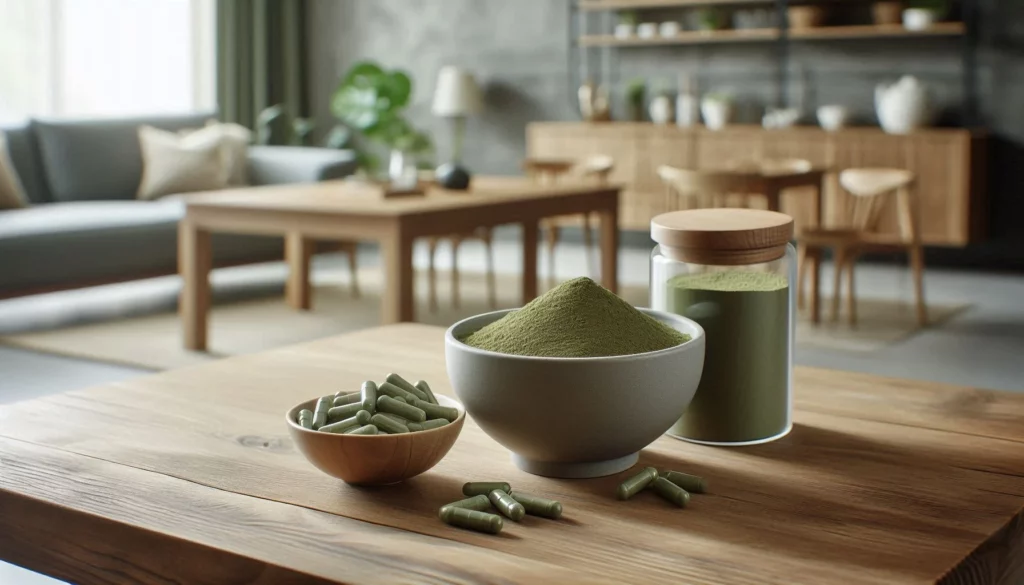
Kratom powder and capsules displayed on a wooden table, in a stylish living room.
Different Kratom Strains and Their Effects
Kratom comes in various strains, each with unique properties based on the plant’s maturity level and growing region. Understanding these differences is key for anyone considering kratom for Seasonal Affective Disorder, as the choice of strain can significantly impact the experience.
White Vein Kratom: Known for its energizing and uplifting effects, white vein strains like White Maeng Da or White Borneo are often selected by those seeking to combat fatigue and low motivation. These strains may help individuals with SAD feel more alert and productive, making them suitable for daytime use.
Green Vein Kratom: Green strains, such as Green Malay or Green Bali, offer a balanced effect, combining mild stimulation with relaxation. They may provide a gentle mood boost without the intensity of white veins, making them a versatile option for managing SAD symptoms.
Red Vein Kratom: Red strains, like Red Bali or Red Borneo, are typically associated with relaxation and pain relief. While they may be less ideal for addressing low energy, they could help with anxiety or sleep difficulties, which are common in SAD.
The Role of Dosage in Using Kratom for SAD
Dosage is a critical factor when using kratom for Seasonal Affective Disorder. The plant’s effects are highly dose-dependent, and finding the right amount requires careful consideration. Generally, kratom doses are categorized as follows:
Low Dose (1-3 grams): At this level, kratom tends to produce stimulating effects, such as increased energy, focus, and sociability. This range may be particularly helpful for addressing the fatigue and lack of motivation associated with SAD.
Moderate Dose (3-5 grams): Moderate doses often provide a mix of stimulation and relaxation, with potential mood enhancement. This range may suit those seeking a balance between energy and calm.
High Dose (5-8 grams or more): Higher doses are more likely to produce sedative effects, which may help with anxiety or sleep issues but could exacerbate feelings of lethargy in some users.
Exceeding recommended doses can lead to unwanted effects, such as nausea, dizziness, or dependency with prolonged use. For those new to kratom, starting with a low dose and gradually adjusting is the safest approach. Consulting with a healthcare professional before incorporating kratom into a routine is also advisable, especially for individuals with pre-existing health conditions or those taking medications.
Potential Benefits of Kratom for SAD
Using kratom for Seasonal Affective Disorder may offer several potential benefits, particularly for those seeking natural alternatives to conventional treatments. Some of the key advantages include:
Mood Enhancement: Many users report that kratom promotes feelings of well-being and optimism, which could help counter the persistent sadness of SAD.
Increased Energy: For individuals struggling with fatigue, certain kratom strains may provide a natural boost, helping them stay active and engaged.
Reduced Anxiety: Some strains may help ease feelings of anxiety or irritability, creating a calmer state of mind.
Flexibility: With various strains and dosages available, Kratom allows users to customize their approach based on their specific symptoms and needs.
These potential benefits make kratom an appealing option for those exploring plant-based remedies. However, it’s important to approach its use with realistic expectations, as effects can vary widely between individuals.
Risks and Considerations
While kratom for Seasonal Affective Disorder holds promise, it’s not without risks. The plant’s effects are not fully understood, and its use remains controversial in some medical and regulatory circles. Here are some key considerations:
Lack of Regulation: In Canada, kratom is legal but not regulated as a health product, meaning the quality and purity of products can vary. Sourcing this plant medicine from the best kratom in Canada is essential to ensure safety.
Potential Side Effects: Common side effects include nausea, constipation, and dizziness, particularly at higher doses. Long-term use may lead to dependency or tolerance, requiring higher doses to achieve the same effects.
Interactions with Medications: Kratom may interact with certain medications, including antidepressants and anti-anxiety drugs, which are commonly prescribed for SAD. Consulting a doctor is crucial to avoid adverse interactions.
Individual Variability: Not everyone responds to kratom in the same way. Factors like body weight, metabolism, and sensitivity to alkaloids can influence its effects.
Legal and Social Stigma: While legal in Canada, kratom’s status varies globally, and its use may carry a stigma in some communities. Staying informed about local regulations is important.
Complementary Strategies for Managing SAD
While kratom for Seasonal Affective Disorder may offer relief for some, it’s most effective when used as part of a broader strategy to manage symptoms. Combining kratom with other evidence-based approaches can create a more holistic plan for coping with SAD. Here are some complementary strategies:
Light Therapy: Exposure to bright, full-spectrum light can help regulate the body’s circadian rhythm and boost serotonin levels. Light therapy boxes are widely available and have been shown to reduce SAD symptoms for many individuals.
Exercise: Regular physical activity, such as walking, yoga, or strength training, can improve mood and energy levels. Even short bursts of movement can make a difference during the winter months.
Nutrition: A balanced diet rich in whole foods, including fruits, vegetables, and omega-3 fatty acids, supports overall mental health. Avoiding excessive sugar and processed foods can help stabilize mood.
Therapy: Cognitive-behavioral therapy (CBT) is highly effective for managing SAD. Working with a therapist can help individuals develop coping strategies and reframe negative thought patterns.
Social Connection: Staying connected with friends and family, even virtually, can combat feelings of isolation. Joining a support group for those with SAD can also provide valuable encouragement.
Incorporating these strategies alongside kratom can create a well-rounded approach to managing Seasonal Affective Disorder, addressing both physical and emotional needs.
Therapist engaging in conversation with a client about SAD while a kratom bowl is placed on a wooden side table nearby.
Practical Tips for Using Kratom Safely
For those considering kratom for Seasonal Affective Disorder, safe and informed use is paramount. Here are some practical tips to guide your experience:
Choose Quality Products: Purchase kratom from reputable vendors who provide lab-tested products to ensure purity and potency. Look for transparent sourcing and third-party testing.
Start Low and Go Slow: Begin with a low dose (1-2 grams) to assess your body’s response. Gradually increase the dose if needed, but avoid exceeding 5 grams unless advised by a professional.
Rotate Strains: To prevent tolerance, consider rotating between different Kratom strains rather than using the same one consistently.
Stay Hydrated: Kratom can be dehydrating, so drink plenty of water to support overall health and minimize side effects.
Track Your Use: Keep a journal of your doses, strains, and effects to identify what works best for you and to monitor for any adverse reactions.
Avoid Mixing Substances: Refrain from combining kratom with alcohol, sedatives, or other substances that could amplify its effects or increase risks.
By following these guidelines, users can explore Kratom’s potential benefits while minimizing potential downsides.
The Importance of Professional Guidance
Before incorporating kratom for Seasonal Affective Disorder into your routine, consulting a healthcare professional is essential. A doctor or mental health specialist can provide personalized advice, taking into account your medical history, current medications, and specific SAD symptoms. They can also help you weigh the benefits and risks of kratom against other treatment options, ensuring a safe and effective approach.
Mental health professionals can also guide you toward evidence-based treatments that complement kratom use, such as therapy or light therapy. If you’re already taking medications for depression or anxiety, a doctor can assess potential interactions to prevent complications. Open communication with your healthcare provider fosters a collaborative approach to managing SAD, ensuring all aspects of your well-being are addressed.
Navigating the Controversy Around Kratom
Kratom’s rise in popularity has not been without controversy. In some countries, it’s banned due to concerns about its opioid-like effects and potential for dependency. In Canada, while kratom is legal, it’s not approved for medical use, and Health Canada advises caution due to limited research on its safety and efficacy. Critics argue that more studies are needed to understand its long-term effects, while supporters highlight its potential as a natural alternative for managing various conditions.
This controversy underscores the importance of approaching kratom for Seasonal Affective Disorder with a critical eye. Staying informed about the latest research, regulatory updates, and user experiences can help you make educated decisions. Joining online forums or communities dedicated to kratom can also provide valuable insights from others who have used it for similar purposes.
Personalizing Your Approach to SAD
Every individual’s experience with Seasonal Affective Disorder is unique, and what works for one person may not work for another. When exploring kratom for Seasonal Affective Disorder, take time to experiment with strains, dosages, and complementary strategies to find what suits your needs. Pay attention to how your body and mind respond, and be open to adjusting your approach as needed.
For some, kratom may serve as a helpful tool for managing specific symptoms, like low energy or irritability. For others, it may be just one part of a larger wellness plan that includes therapy, exercise, and social support. Personalizing your approach ensures that you’re addressing your symptoms in a way that feels sustainable and effective.
Individual journalling at a wooden desk, illuminated by a sleek adjustable lamp in their room.
Frequently Asked Questions About Kratom for Seasonal Affective Disorder
Q: Can kratom completely cure Seasonal Affective Disorder? A: Kratom is not a cure for Seasonal Affective Disorder. It may help manage symptoms like low energy or mood changes for some individuals, but it should be used as part of a broader treatment plan that includes evidence-based strategies like therapy or light therapy. Consulting a healthcare professional is essential to create an effective approach.
Q: How long does it take for kratom to affect SAD symptoms? A: The effects of kratom typically begin within 20 to 40 minutes of ingestion, depending on the dose, strain, and individual factors like metabolism. Effects may last 3 to 6 hours. However, responses vary, so users should monitor their experience and adjust as needed.
Q: Is it safe to use kratom every day for SAD? A: Daily use of kratom is not recommended due to the risk of tolerance and dependency. To minimize these risks, use kratom sparingly, rotate strains, and take breaks. Always consult a healthcare provider to ensure safe use, especially for long-term management of SAD.
Q: Can I combine kratom with other SAD treatments? A: Kratom may complement treatments like light therapy or exercise, but combining it with medications, such as antidepressants, requires caution due to potential interactions. A doctor can help assess compatibility and ensure a safe, integrated approach to managing SAD.
Q: How do I know if kratom is working for my SAD symptoms? A: Signs that kratom may be helping include improved energy, better mood, or reduced irritability. Keep a journal to track your symptoms, dosage, and strain to identify patterns. If no improvement is noticed after several tries, consult a professional to explore other options.
Q: What should I do if I experience side effects from kratom? A: If side effects like nausea, dizziness, or discomfort occur, stop using kratom and drink water to stay hydrated. Reduce the dose in future uses or try a different strain. If side effects persist or worsen, seek medical advice promptly.
Conclusion
Seasonal Affective Disorder can cast a heavy shadow, but options like kratom for Seasonal Affective Disorder offer a glimmer of hope for those seeking natural relief. With its potential to boost mood, increase energy, and promote relaxation, kratom presents an intriguing possibility for managing SAD symptoms. However, its use requires careful consideration, from choosing the right strain and dosage to understanding the risks and legal landscape.
By pairing kratom with other strategies, such as light therapy, exercise, and therapy, individuals can create a holistic approach to coping with SAD. Consulting a healthcare professional, sourcing high-quality products, and staying attuned to your body’s responses are essential steps in using kratom safely and effectively. As you navigate the darker months, this plant-based remedy may offer a pathway to brighter days, provided it’s approached with knowledge and care.
Disclaimer
The information provided in this blog about using kratom for Seasonal Affective Disorder (SAD) is for educational and informational purposes only and should not be considered medical advice. Kratom (Mitragyna speciosa) is not approved by Health Canada or the U.S. Food and Drug Administration (FDA) for the treatment of any medical condition, including SAD. The safety, efficacy, and long-term effects of kratom are not fully understood, and its use may carry risks, including potential side effects such as nausea, dizziness, constipation, or dependency with prolonged use.
Kratom may also interact with medications, particularly antidepressants or anti-anxiety drugs, which could lead to serious health complications. Individuals considering kratom should consult a qualified healthcare professional before use, especially those with pre-existing medical conditions, pregnant or breastfeeding individuals, or those taking other medications. The use of kratom is not a substitute for evidence-based treatments for SAD, such as therapy, light therapy, or prescribed medications.
Always source kratom from reputable vendors to ensure quality and purity, and use it responsibly by starting with low doses and avoiding daily use to minimize potential risks. Neither the author nor the publisher assumes responsibility for any adverse effects resulting from the use of kratom or from the information provided.
On February 16, 2026, select provinces will observe regional holidays.
Canada Post will operate as normal and all shipments will be processed as usual.
FedEx will be closed in Prince Edward Island (Islander Day); Alberta, British Columbia, Ontario, Saskatchewan, and New Brunswick (Family Day); Manitoba (Louis Riel Day); and Nova Scotia (Heritage Day). FedEx shipments to these provinces will move the next business day.