


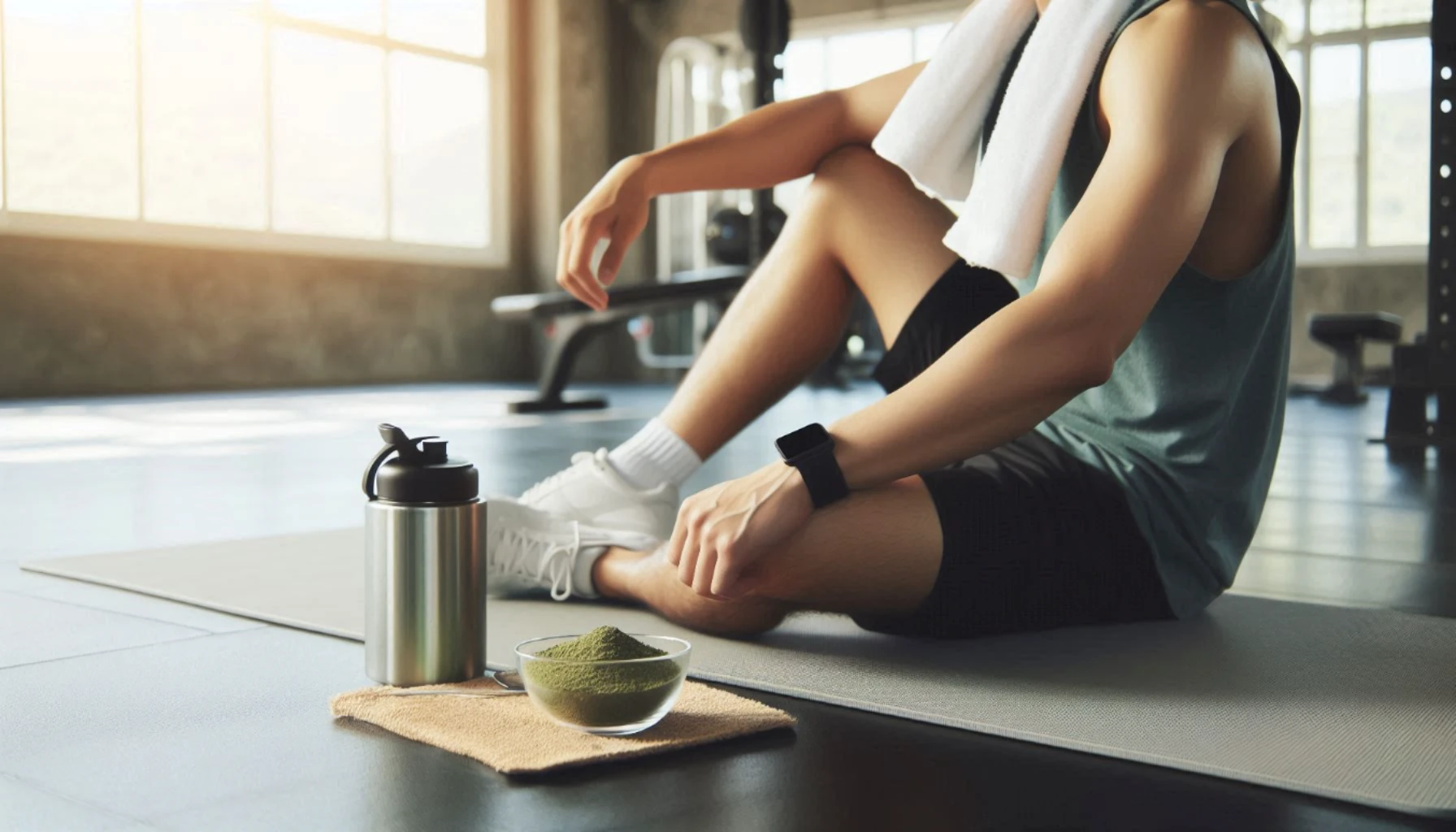

Exercise is a cornerstone of health, offering benefits like stronger muscles, enhanced endurance, and sharper mental clarity. Yet, the aftermath of a tough workout, including muscle soreness, fatigue, and tension, can challenge even the most dedicated fitness enthusiasts. Recovery is just as vital as the workout itself, and many are turning to natural solutions to ease discomfort and restore balance. Kratom, a plant-based remedy, is gaining traction for its potential to support post-workout recovery. Using kratom for post-workout recovery provides a unique blend of pain relief, muscle relaxation, and stress reduction, making it an appealing option for athletes and casual exercisers alike.
What Is Kratom?
Kratom, or Mitragyna speciosa, is a tropical tree native to Southeast Asia, with a rich history of use in countries like Thailand and Indonesia. For centuries, its leaves have been valued for their versatile effects, from boosting energy to soothing discomfort. The key to kratom’s effects lies in its alkaloids, primarily mitragynine and 7-hydroxymitragynine, which interact with brain receptors to produce varying outcomes based on strain and dosage. These compounds make kratom for post-workout recovery a compelling choice for those seeking natural alternatives to conventional pain relievers or supplements.
Available in red, green, and white vein strains, kratom offers distinct effects depending on the type. Red vein strains are often favoured for recovery due to their calming and pain-relieving properties, while green and white strains may suit other needs. Understanding these differences is essential for tailoring kratom to your post-workout routine.
Why Post-Workout Recovery Matters
Recovery is a critical part of any fitness regimen. Intense exercise causes micro-tears in muscle fibers, leading to delayed onset muscle soreness (DOMS). This discomfort, while a sign of progress, can hinder movement and motivation. Inflammation also rises as the body repairs itself, and elevated stress hormones like cortisol can slow healing. Proper rest, nutrition, hydration, and sometimes supplementation are necessary to support this process.
Beyond physical healing, mental recovery is equally important. Stress and poor sleep can impair muscle repair and overall performance. A comprehensive recovery approach addresses both body and mind, ensuring you’re prepared for your next workout. Kratom’s potential to tackle physical discomfort and mental tension positions it as a valuable tool for holistic recovery.
How Kratom Supports Post-Workout Recovery
Kratom’s value for post-workout recovery stems from its multifaceted effects. Its alkaloids interact with opioid receptors in the brain, influencing pain perception, mood, and relaxation. While not an opioid, kratom mimics some of their effects, offering a natural alternative when used thoughtfully. Let’s examine how kratom addresses key recovery needs.
Alleviating Muscle Soreness
Muscle soreness is a common post-workout hurdle, whether from lifting weights or running long distances. Red vein kratom strains, such as Bali or Maeng Da, are known for their analgesic properties. By interacting with mu-opioid receptors, these strains can reduce the perception of pain, similar to mild painkillers but with a natural profile. Users often describe a soothing effect that lessens muscle aches, allowing for easier movement and less discomfort during daily activities. This can be especially beneficial for frequent exercisers who need to minimize downtime.
Managing Inflammation
Exercise-induced inflammation is a natural part of muscle repair, but excessive inflammation can delay recovery. Anecdotal evidence suggests kratom’s alkaloids may have anti-inflammatory properties, potentially reducing swelling and supporting tissue repair. While research on this effect is limited, the possibility of kratom aiding the body’s healing process makes it appealing for fitness enthusiasts. For instance, after a high-intensity workout, a red vein strain might help calm inflammation, reducing stiffness and promoting faster recovery.
Fostering Relaxation and Stress Relief
Workouts, especially intense ones, elevate cortisol levels, which can hinder muscle repair and leave you feeling tense. Red vein kratom strains are prized for their calming effects, helping to lower stress and create a sense of tranquility. This relaxation is vital for shifting from the high-energy state of exercise to a restful one, allowing the body to focus on healing. Mentally, kratom’s mood-enhancing properties can ease post-workout tension, supporting focus and motivation for future sessions.
Improving Sleep Quality
Sleep is the foundation of recovery, as the body releases growth hormones during deep sleep to repair muscles and restore energy. However, post-workout adrenaline or discomfort can disrupt sleep. Red vein kratom’s sedative qualities can calm the nervous system, making it easier to fall asleep and stay asleep. Taking a small dose about an hour before bed can enhance relaxation, particularly after evening workouts, leading to better muscle repair and improved cognitive function.
Supporting Active Recovery
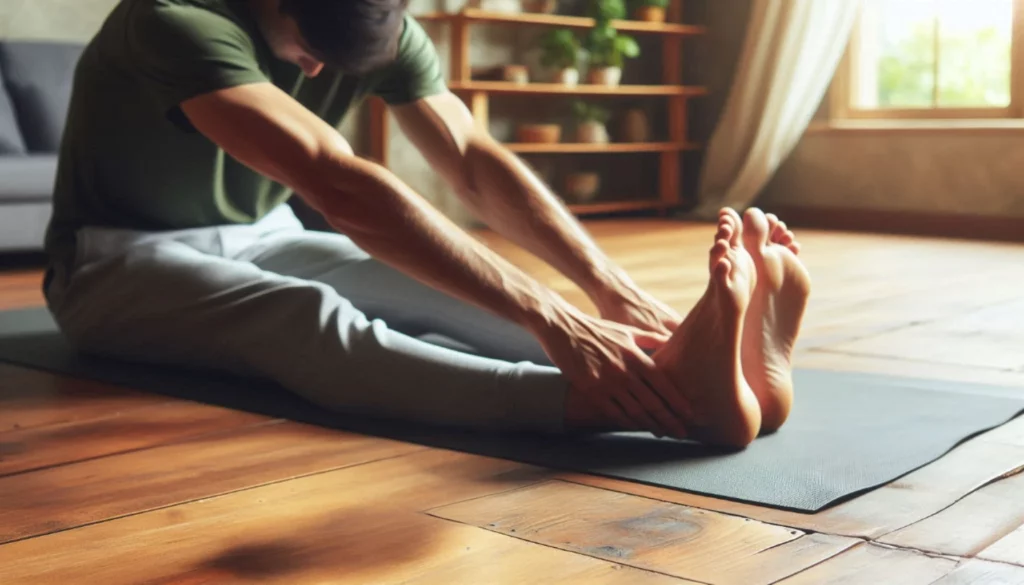
Active recovery, such as light stretching or yoga, improves circulation and reduces stiffness. However, soreness or fatigue can make these activities challenging. Green vein kratom strains, like Green Malay, offer a balance of mild energy and pain relief, making them ideal for active recovery. These strains provide enough motivation for low-intensity movement without the overstimulation of caffeine, helping maintain blood flow to muscles and speed up the removal of metabolic waste.
Choosing the Right Kratom Strain for Recovery
Selecting the appropriate kratom strain is crucial for post-workout recovery. Red vein strains, such as Red Bali or Red Borneo, are the top choice for their calming and pain-relieving effects, making them ideal for soothing sore muscles and promoting sleep. Green vein strains, like Green Maeng Da, provide a balanced effect, combining mild stimulation with relief, suitable for active recovery or daytime use. White vein strains, such as White Borneo, are less common for recovery but can offer a gentle energy boost for light post-workout activities. Your choice depends on whether you prioritize relaxation, pain relief, or a mix of energy and recovery support.
How to Use Kratom for Post-Workout Recovery
Using kratom effectively for post-workout recovery requires careful attention to dosage, timing, and consumption method to maximize benefits and minimize risks.
Dosage is a critical factor, as kratom’s effects vary by amount. For recovery, a low to moderate dose is typically best. A low dose, ranging from 1 to 3 grams, provides mild pain relief and relaxation without heavy sedation, making it suitable for daytime use or active recovery. A moderate dose, between 3 and 5 grams, offers stronger pain relief and calming effects, ideal for post-workout soreness or evening relaxation. Starting with a low dose is recommended, especially for beginners, to gauge your body’s response and avoid side effects like nausea.
Timing plays a significant role in kratom’s effectiveness. Taking a red vein strain immediately after a workout can help address muscle soreness and inflammation as they begin. Alternatively, using kratom about an hour before bed can enhance relaxation and improve sleep quality, supporting overnight recovery. For active recovery, a green vein strain taken 30 to 60 minutes before light exercise can provide energy and pain relief for activities like stretching or yoga.
Kratom is available in several forms, each with unique advantages. Powder is versatile and allows precise dosing, though its bitter taste may require mixing with juice or a smoothie. Capsules are convenient and tasteless, ideal for on-the-go use, but they take longer to take effect. Brewing kratom into a tea is a traditional method that can enhance relaxation, especially when combined with soothing herbs. Gummies or edibles offer a palatable option, though dosing may be less precise. Choosing a method that suits your preferences ensures consistent use.
Integrating Kratom with Other Recovery Practices
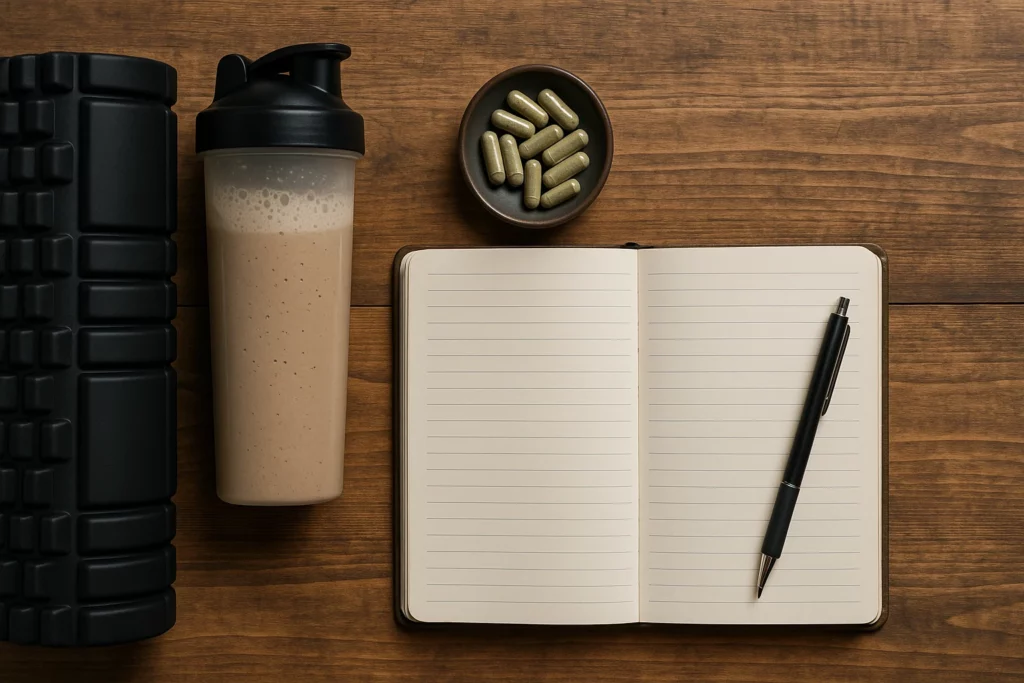
Kratom is most effective when paired with other recovery strategies to create a holistic approach. A balanced diet rich in protein, healthy fats, and complex carbohydrates supports muscle repair, and combining kratom with nutrient-dense meals can enhance its benefits. Staying hydrated is essential, as kratom’s diuretic effects make water intake critical for flushing out toxins and supporting muscle function. Gentle stretching or foam rolling can reduce tightness, and kratom’s pain-relieving effects make these activities more comfortable. Maintaining good sleep hygiene, such as limiting screen time and keeping a consistent sleep schedule, complements kratom’s relaxing properties. Professional massage or self-massage with a foam roller can further improve circulation and reduce tension, amplifying kratom’s effects.
Who Can Benefit from Kratom for Post-Workout Recovery?
Kratom’s versatility makes it suitable for a wide audience. Athletes engaged in high-intensity sports like weightlifting or running can use it to manage soreness and speed recovery. Casual gym-goers who exercise regularly can benefit from its pain-relieving and relaxing effects. Even those with active lifestyles, such as hikers or manual labourers, may find kratom helpful for easing muscle strain. Individuals seeking natural alternatives to synthetic painkillers will appreciate kratom’s plant-based origins. Regardless of fitness level, kratom can be customized to specific recovery needs when used thoughtfully.
Comparing Kratom to Other Recovery Aids
Kratom stands out among recovery tools but can be compared to alternatives. Over-the-counter painkillers like ibuprofen reduce pain and inflammation but may cause side effects with frequent use, while kratom offers a natural option with potentially fewer risks. Massage therapy improves circulation but can be costly, whereas kratom is more accessible for home use.
Supplements like CBD provide anti-inflammatory benefits, but kratom’s analgesic effects may be stronger for some. Stretching and foam rolling enhance mobility but don’t directly address pain, making kratom a complementary tool. Each method has its strengths, and kratom’s unique profile makes it a valuable addition.
Practical Tips for First-Time Users
For those new to kratom, starting with a low dose of 1 to 2 grams helps assess tolerance while minimizing side effects. Sourcing kratom from reputable vendors who test for purity ensures safety and quality. Keeping a journal to track how different strains and doses affect you can help identify the best approach. Staying hydrated before and after taking kratom supports its effects and prevents dehydration. Using kratom intermittently, such as only after intense workouts, reduces the risk of tolerance or dependence.

FAQ
Q: How quickly does kratom work for post-workout recovery?
A: Kratom’s effects typically begin within 20 to 40 minutes, depending on the consumption method and individual metabolism. Powder or tea may act faster, while capsules take longer due to digestion. For post-workout recovery, taking kratom soon after exercise can help address soreness promptly, while a dose before bed supports overnight relaxation and recovery.
Q: Can kratom replace other recovery supplements entirely?
A: Kratom should not fully replace other recovery supplements, as it works best as part of a holistic approach. Combining kratom with proper nutrition, hydration, and practices like stretching or massage enhances its benefits. While kratom can address pain and relaxation, other supplements may target specific needs, such as protein for muscle repair or electrolytes for hydration.
Q: Is kratom safe to use after every workout?
A: Using kratom after every workout is not recommended, as frequent use may lead to tolerance or dependence. Instead, reserve kratom for particularly intense sessions or when soreness is significant. Taking breaks and alternating with other recovery methods, like rest or foam rolling, helps maintain its effectiveness and minimizes risks.
Q: Can beginners use kratom for post-workout recovery safely?
A: Yes, beginners can use kratom safely for post-workout recovery by starting with a low dose, around 1 to 2 grams, and choosing a reputable source. Monitoring your body’s response and avoiding daily use helps prevent side effects. Consulting a healthcare professional is wise, especially if you take medications or have health concerns.
Conclusion
Choosing kratom for post-workout recovery provides a natural way to ease muscle soreness, manage inflammation, and promote relaxation. Its pain-relieving and calming properties, especially from red vein strains, make it a valuable option for those looking to recover faster and feel better. By pairing kratom with proper nutrition, hydration, and rest, you can build a comprehensive recovery plan that supports both body and mind.
Responsible use, starting with low doses, choosing quality products, and listening to your body, is key to unlocking kratom’s potential. Whether you’re an athlete or an active individual, kratom may offer the natural relief you need to stay strong and motivated on your fitness journey.
Disclaimer
The information provided in this blog about kratom for post-workout recovery is for informational purposes only and should not be considered medical advice. Kratom (Mitragyna speciosa) is a plant-based substance that may interact with the body in complex ways, and its effects can vary significantly between individuals. While some users report benefits such as pain relief, relaxation, and improved recovery, scientific research on kratom’s safety and efficacy is limited, and its use carries potential risks, including side effects like nausea, dizziness, constipation, or, in some cases, dependence with prolonged use.
Kratom may also interact with medications or other supplements, potentially causing adverse effects. Individuals with pre-existing health conditions, pregnant or breastfeeding women, or those taking prescription medications should consult a qualified healthcare professional before using kratom. The legal status of kratom varies by region, and users are responsible for ensuring compliance with local regulations.
Always source kratom from reputable vendors to ensure product quality and safety, and use it responsibly, starting with low doses to assess tolerance. The authors and publishers of this blog are not liable for any adverse effects or consequences resulting from the use of kratom or the application of information provided herein.