




Migraines are far more than ordinary headaches. For those who endure them, they can be profoundly disruptive, bringing intense pain, sensitivity to light and sound, nausea, and sometimes visual disturbances known as auras. The quest for relief often drives individuals to explore both conventional treatments and natural alternatives.
Among these, kratom for migraines has gained attention as a potential remedy. This plant has been used for centuries in Southeast Asia for its pain-relieving and mood-enhancing properties. But can kratom truly help manage migraines?
Understanding Migraines and Their Impact
Migraines affect millions of people globally, often disrupting daily routines. Unlike standard headaches, migraines come with a range of symptoms beyond head pain. These can include nausea, vomiting, dizziness, and extreme sensitivity to light, sound, or smells. For some, migraines are occasional, while for others, they are chronic, occurring multiple times a month. The unpredictability and severity of migraines make finding effective relief a top priority for those affected.
The causes of migraines are complex and not fully understood. Triggers vary widely, including stress, hormonal fluctuations, certain foods, caffeine, or environmental factors like bright lights or loud noises. Neurologically, migraines involve abnormal brain activity, including changes in blood flow and the release of chemicals that affect pain pathways.
Traditional treatments often include over-the-counter pain relievers, prescription medications like triptans, or preventive drugs for frequent sufferers. However, these options do not work for everyone, and side effects can prompt individuals to explore alternatives like kratom for migraines.
The Science Behind Migraines
To understand how kratom for migraines might work, it is helpful to explore the mechanisms behind migraines. These headaches arise from a complex interplay of neurological and vascular changes in the brain, influenced by genetic and environmental factors.
Neurological Triggers
Migraines often begin with abnormal activity in the brain’s cortex, which sets off a cascade of events. This includes the release of inflammatory substances, such as calcitonin gene-related peptide (CGRP), which plays a key role in pain transmission. The trigeminal nerve, responsible for sensation in the face and head, becomes overactive during a migraine, amplifying pain signals and contributing to symptoms like sensitivity to light and sound. For some, this neurological hyperactivity manifests as an aura, visual or sensory disturbances like flashing lights or tingling that precede the headache phase.
Vascular Changes
The neurovascular hypothesis suggests that migraines involve changes in blood vessel behavior. Initially, blood vessels in the brain may constrict, reducing blood flow, which could explain auras in some cases. This is followed by dilation, leading to the throbbing pain characteristic of migraines. These vascular shifts, combined with inflammation, create the intense discomfort that sufferers experience, making pain relief a critical target for remedies like kratom for migraines.
Genetic and Environmental Influences
Genetics play a significant role in migraine susceptibility. Individuals with a family history of migraines are more likely to experience them, indicating a hereditary component. Environmental factors, such as weather changes, dehydration, or irregular sleep, can also act as catalysts. Understanding these mechanisms highlights the multifaceted nature of migraines and why diverse approaches, including natural options like kratom, are often explored.
What Is Kratom?
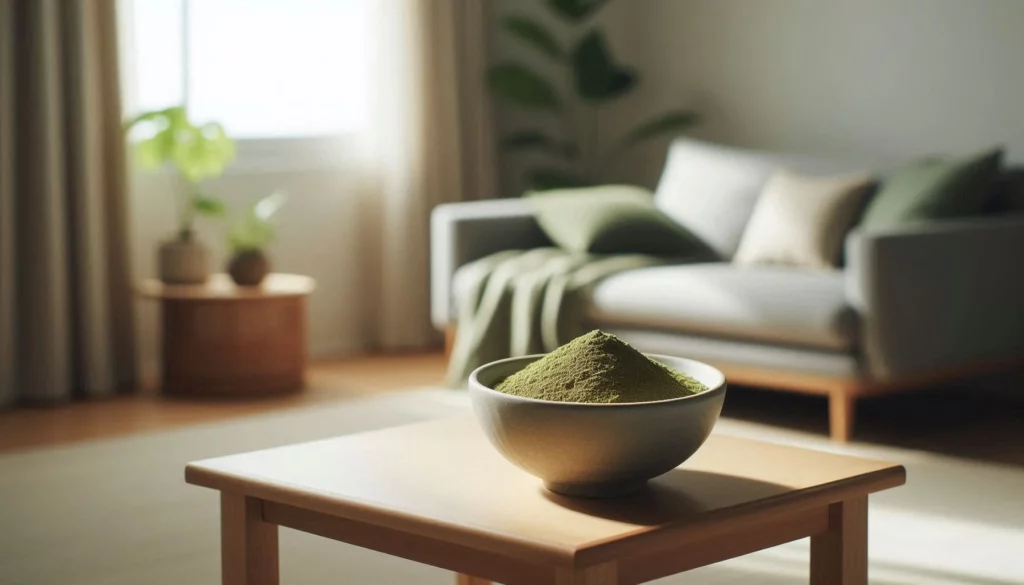
Kratom, or Mitragyna speciosa, is a tropical tree native to Southeast Asia, including countries like Thailand, Malaysia, and Indonesia. Its leaves have long been used for their stimulant and analgesic effects. At lower doses, kratom can boost energy and focus, while higher doses may promote relaxation and pain relief. The active compounds, mitragynine and 7-hydroxymitragynine, interact with opioid receptors in the brain, which may explain its potential to reduce pain and improve mood.
Kratom is available in forms such as dried leaves, powders, capsules and brewing as a tea. The effects depend on the dose, individual physiology, and the specific batch used. For those considering kratom for migraines, its potential to alleviate pain and calm associated symptoms like nausea makes it an intriguing option.
How Kratom Might Help with Migraines
The potential of kratom for migraines lies in its ability to target key symptoms, offering a natural approach to relief. Its effects can address multiple aspects of migraines, from pain to secondary symptoms.
Alleviating Migraine Pain
Pain is the hallmark of migraines, often described as throbbing or pulsing. Kratom’s interaction with opioid receptors may dull the perception of pain by modulating pain signals in the brain. This could reduce the intensity of migraine discomfort, making kratom for migraines a potential alternative to traditional painkillers for some users.
Easing Nausea and Discomfort
Nausea is a frequent migraine symptom, sometimes severe enough to cause vomiting. Some users report that kratom has a calming effect on the stomach, which may help alleviate this discomfort. By soothing nausea, kratom could make migraine episodes more manageable, improving overall comfort.
Reducing Stress and Anxiety
Stress and anxiety are common migraine triggers and can worsen symptoms during an attack. Kratom’s calming properties at moderate doses may help reduce stress, creating a more relaxed state that could indirectly support migraine relief. This emotional benefit may be particularly valuable for those whose migraines are stress-related.
Improving Sleep Quality
Poor sleep is both a trigger and a consequence of migraines. Kratom’s sedative effects at higher doses may promote better sleep and rest, helping individuals recover from an attack or prevent migraines by improving sleep quality. Better sleep can break the cycle of fatigue and pain, enhancing overall well-being.
Dosage Considerations for Migraine Management
Finding the right dosage of kratom for migraines is critical, as effects vary by amount consumed. Low doses, typically 1 to 3 grams, may offer mild pain relief and relaxation without heavy sedation, suitable for managing early migraine symptoms. Moderate doses, around 3 to 5 grams, are often used for stronger pain relief, which may be helpful during a full-blown attack. Higher doses, above 5 grams, can be sedative but may increase the risk of side effects like nausea or dizziness, which could worsen migraine symptoms.
New users should start with a small dose and monitor their response carefully. Keeping a journal to track dosage and symptom changes can help identify the most effective approach. Since responses to kratom are highly individual, patience and caution are essential when using it for migraines.

Potential Risks and Side Effects
While kratom for migraines shows promise, it comes with risks. Common side effects include nausea, dizziness, constipation, and dry mouth. Since nausea and dizziness are also migraine symptoms, users must distinguish whether kratom is helping or worsening their condition. Starting with a low dose can help minimize these risks.
Frequent or long-term kratom use may lead to tolerance, requiring higher doses for the same effects, which can increase the risk of dependence. Withdrawal symptoms, such as irritability or fatigue, have been reported by some users after stopping regular use. To reduce these risks, kratom should be used sparingly and not as a daily solution.
Kratom may also interact with medications commonly used for migraines, such as triptans, antidepressants, or anti-nausea drugs. These interactions could alter the effectiveness of either substance or cause unexpected side effects. Consulting a healthcare professional before using kratom alongside other treatments is crucial.
Legal and Safety Considerations in Canada
In Canada, kratom occupies a legal gray area. It is not a controlled substance under the Controlled Drugs and Substances Act, but Health Canada has raised safety concerns and occasionally seizes kratom products. It can be purchased and possessed for personal use, but it cannot be sold as a health product or marketed with specific health claims. This regulatory uncertainty emphasizes the need to source kratom from reputable suppliers who provide lab-tested products to ensure purity and safety.
Quality control is a major concern. Contaminated or adulterated kratom can pose health risks, including exposure to heavy metals or harmful bacteria. Choosing vendors who offer transparent testing results and follow good manufacturing practices is essential for safe use.
Lifestyle Factors and Migraine Prevention
Managing migraines often requires addressing lifestyle factors that can trigger or worsen attacks. A proactive approach to prevention can complement remedies like kratom for migraines, reducing the frequency and severity of episodes.
Managing Stress Effectively
Stress is a leading migraine trigger. Practices like mindfulness, meditation, or gentle exercise, such as yoga, can help lower stress levels. Regular relaxation techniques may reduce the likelihood of stress-induced migraines, creating a calmer baseline for overall health.
Optimizing Diet and Hydration
Diet plays a significant role in migraine prevention. Foods like aged cheeses, processed meats, or artificial sweeteners can trigger attacks in some individuals. Keeping a food diary can help identify personal triggers, allowing for targeted dietary changes. Hydration is equally critical, as dehydration is a common migraine catalyst. Drinking adequate water daily supports overall health and may prevent episodes.
Prioritizing Sleep Hygiene
Irregular sleep patterns or insufficient rest can precipitate migraines. Establishing a consistent sleep schedule, avoiding screens before bed, and creating a restful environment can improve sleep quality. For those using kratom for migraines, better sleep may enhance its effectiveness by addressing this key trigger.
Incorporating Regular Exercise
Moderate physical activity, such as walking or swimming, can improve blood flow and reduce tension, potentially lowering migraine frequency. However, intense exercise may trigger migraines in some individuals, so finding a balance that suits personal needs is important.
Integrating Kratom into a Holistic Migraine Management Plan
Using kratom for migraines is unlikely to be a standalone solution. A holistic approach often yields the best results, combining natural remedies with lifestyle changes and professional guidance.
Combining with Lifestyle Adjustments
Maintaining a consistent sleep schedule, staying hydrated, and managing stress through relaxation techniques can reduce migraine frequency. These adjustments create a strong foundation for any remedy, including kratom, to work more effectively.
Exploring Complementary Remedies
Other natural remedies may complement kratom. Magnesium supplements have been linked to reduced migraine frequency, as low magnesium levels are sometimes associated with attacks. Essential oils like peppermint or lavender may provide soothing effects when used topically or in aromatherapy. Care should be taken to avoid combining too many remedies at once to prevent overwhelming the body.
Tracking Triggers and Symptoms
Keeping a migraine diary to identify triggers, whether foods, weather changes, or stress, can empower individuals to take proactive steps. Tracking how kratom affects symptoms can also guide its use, ensuring it aligns with personal needs and goals.

Frequently Asked Questions About Kratom for Migraines
Q: Can kratom for migraines completely replace traditional treatments?
A: Kratom is not a replacement for traditional migraine treatments. While some find it helpful for managing pain or nausea, it should be used as part of a broader plan that may include medications, lifestyle changes, or professional guidance. Always consult a doctor to ensure kratom fits safely into your treatment strategy.
Q: How quickly might kratom work for migraine relief?
A: The onset of kratom’s effects varies, typically starting within 20 to 40 minutes when taken on an empty stomach. Pain relief or calming effects may help during a migraine, but the speed and effectiveness depend on the dose, individual response, and the specific batch used.
Q: Is kratom safe to use during a migraine aura?
A: Using kratom during a migraine aura is not well-studied. Since auras involve neurological changes, caution is advised. Consult a healthcare provider to assess whether kratom is safe for you during this phase, as it may affect symptoms differently.
Q: Can kratom for migraines worsen symptoms in some cases?
A: Yes, kratom can cause side effects like nausea or dizziness, which are also migraine symptoms. Starting with a low dose and monitoring your response is crucial to determine if kratom helps or exacerbates your condition.
Q: How can I ensure the kratom I use is safe for migraines?
A: Choose kratom from reputable suppliers who provide lab-tested products to confirm purity and absence of contaminants. In Canada, where regulations are unclear, sourcing high-quality kratom reduces risks and supports safer use for migraine management.
Q: Should I use kratom daily to prevent migraines?
A: Daily kratom use is not recommended due to the risk of tolerance and dependence. Instead, use it sparingly for acute migraine relief and focus on lifestyle changes, like stress management and hydration, for prevention. Consult a doctor for long-term strategies.
Final Thoughts on Kratom for Migraines
Can kratom for migraines provide powerful relief? The answer depends on the individual. For some, it may ease pain, reduce nausea, or promote relaxation during an attack. For others, it may not be effective or could cause side effects that outweigh the benefits. Approaching kratom with caution, starting with low doses, and integrating it into a comprehensive migraine management plan can help maximize its potential while minimizing risks.
By combining kratom with lifestyle changes, trigger awareness, and professional guidance, individuals may find a path to better manage their migraines. While kratom is not a cure, it represents one of many tools available to those seeking natural relief. For migraine sufferers, the journey to relief is personal, and kratom may be one step toward a better quality of life.
Disclaimer
The information provided in this blog about using kratom for migraines is for informational and educational purposes only and should not be considered medical advice. Kratom (Mitragyna speciosa) is not approved by Health Canada or the U.S. Food and Drug Administration (FDA) for the treatment of migraines or any other medical condition. The use of kratom carries potential risks, including side effects such as nausea, dizziness, constipation, and, in some cases, dependence or withdrawal symptoms with prolonged use.
Kratom may also interact with medications commonly used for migraines or other health conditions, potentially leading to adverse effects. Individuals considering kratom for migraine relief should consult a qualified healthcare professional before use, especially if they are taking other medications, have pre-existing health conditions, or are pregnant or breastfeeding. The safety and efficacy of kratom for migraines have not been thoroughly studied, and its legal status in Canada remains uncertain, with risks of contamination in unregulated products.
Always source kratom from reputable vendors who provide lab-tested products to ensure purity and safety. The author and publisher of this blog are not liable for any adverse effects, consequences, or damages resulting from the use of kratom or reliance on the information provided herein. Readers assume full responsibility for any actions taken based on this content.